
Main Courses
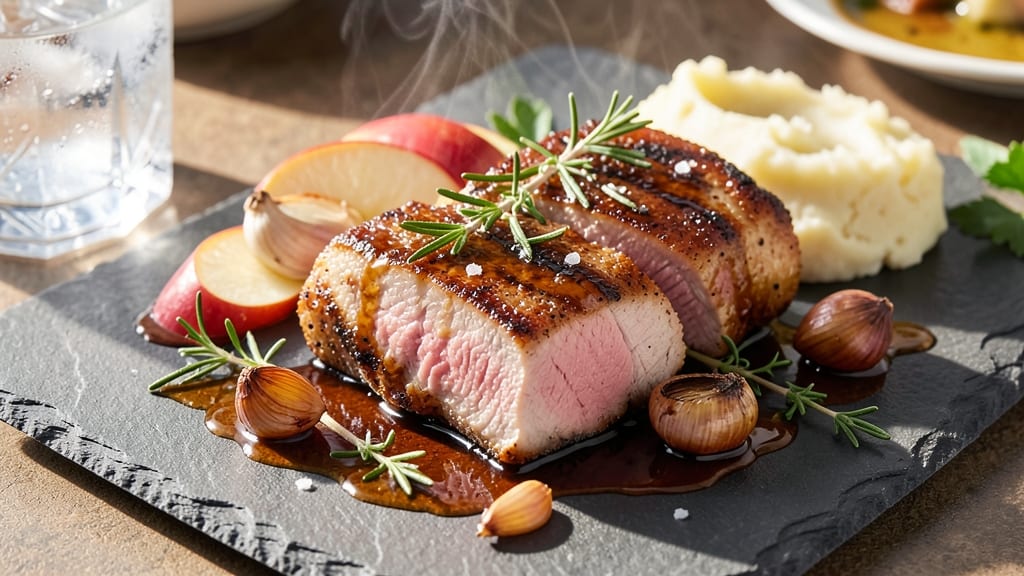
This pork tenderloin recipe with apple cider vinegar delivers crispy-skinned perfection that stays impossibly tender inside. 🔥 I first discovered the magic of apple cider vinegar while cooking for a Thanksgiving crowd—it transforms tough cuts into melt-in-your-mouth bites while adding a bright, tangy depth that cuts through richness.
The secret lies in the marinade's acidity, which tenderizes the meat while creating that signature crispy exterior when roasted just right.
The process is simpler than it sounds: a quick 30-minute marinade with apple cider vinegar, olive oil, and herbs, followed by roasting at 400°F for about 20 minutes. That high heat is key—it renders fat quickly while searing the skin to golden perfection.
What makes this recipe stand out is how the vinegar's acidity preserves moisture, ensuring your pork stays juicy even after resting. No guesswork, no dry meat—just foolproof results every time.
By the time you slice into it, you'll have crispy, caramelized edges with tender, pink centers that practically fall apart. The apple cider vinegar adds a subtle brightness that pairs beautifully with classic sides like roasted potatoes or a honey-glazed carrot medley.
This is the kind of dish that elevates weeknight dinners to restaurant-quality without requiring fancy techniques.
Perfect for feeding a family or impressing guests, this recipe scales effortlessly. The marinade keeps well in the fridge, so you can prep ahead and roast when ready. Trust me—once you try pork tenderloin with apple cider vinegar, you'll never go back to the bland, dry versions. Let's get cooking!
Ingredients for pork tenderloin recipe apple cider vinegar
Crispy skin, tender meat, and vinegar-bright flavor—just these 11 ingredients transform simple pork tenderloin into a showstopper.
| Ingredient | Amount | Notes |
|---|---|---|
| Pork Tenderloin 🥩 | 1 ½ lb | Center-cut, trimmed of fat |
| Apple Cider Vinegar 🍎 | ¼ cup | Raw, unfiltered preferred |
| Extra-Virgin Olive Oil 🫒 | ¼ cup | High-quality, fruity |
| Fresh Rosemary 🌿 | 2 tbsp | Chopped, fresh preferred |
| Fresh Thyme 🌿 | 1 tbsp | Leaves only, chopped |
| Garlic Cloves 🧄 | 4 cloves | Minced, fresh preferred |
| Kosher Salt 🧂 | 1 ½ tsp | Diamond Crystal preferred |
| Ground Black Pepper 🌶️ | ½ tsp | Freshly ground |
| Brown Sugar 🍯 | 1 tbsp | Light or dark |
| Honey 🍯 | 1 tbsp | Raw preferred |
| Cornstarch 🌾 | 1 tbsp | For crispy coating |
The pork tenderloin is non-negotiable here—center-cut with visible marbling ensures the best texture. Whole Foods or ButcherBox carry premium cuts, but your local butcher will often trim it for you. Look for a piece that's uniform in size—1.5 lb serves four perfectly. If you can't find center-cut, trim any visible fat yourself; it renders during roasting and can make the skin greasy. The apple cider vinegar should be raw and unfiltered—Brady's or Mott's are solid choices, but any organic brand works. Fresh herbs are ideal, but if you're using dried, reduce to one-third the amount—they pack less flavor punch.
No fresh rosemary? Dried works in a pinch, but trust me, the fresh stuff makes all the difference. Short on time? Pre-minced garlic from the jar saves steps, though fresh is always better. The cornstarch is key for that crispy skin—don't skip it. For a sweeter glaze, bump the honey to 2 tbsp and reduce the brown sugar. If you're serving this to kids or picky eaters, skip the vinegar entirely and use an extra 1 tbsp of honey instead. The marinade keeps for 3 days in the fridge, so make extra if you're prepping ahead—it's perfect for brushing on during roasting.
Pat the pork dry with paper towels before marinating—this is non-negotiable for crispy skin. The marinade can sit on the counter for up to 2 hours or in the fridge overnight. Once roasted, let it rest for 10 minutes before slicing—this keeps it juicy. Leftovers reheat beautifully in a 350°F oven for 10-15 minutes, covered with foil. For meal prep, slice and store in airtight containers for 4 days. The glaze hardens when chilled, so reheat gently to restore its shine.
Why You'll Love This Recipe
- No-Fuss Roast: I swear by this method—just season, sear, and let the oven do the work. The vinegar marinade cuts down on chopping, and the rosemary-thyme sprigs infuse flavor without fussing over herbs.
- Tangy Crispy Magic: That apple cider vinegar? It’s the secret weapon—tenderizes the pork and gives it a caramelized crust that’s addictive. The olive oil keeps it juicy, but the acidity wakes up every bite.
- Weeknight to Dinner Party: Same recipe, different occasions—slice it thin for sandwiches or serve it whole with roasted potatoes for company. My kids request it after school; my in-laws ask for leftovers when they visit.
- Budget-Friendly Leftovers: Pork tenderloin’s lean but filling, and this recipe stretches it perfectly. Roast extra, shred it for tacos, or cube it into pasta—no waste, just flavor that keeps giving for days.
Step-by-step instructions for pork tenderloin with apple cider vinegar
Here's how to transform simple ingredients into a showstopping pork dish with perfect texture and bright flavor.
👨🍳 Step 1: Create the Vinegar Marinade
In a small bowl, whisk together the 0.25 cup apple cider vinegar, 0.25 cup extra-virgin olive oil, 1 tbsp brown sugar, and 1 tbsp honey until the sugar and honey dissolve completely. This marinade does double duty—tenderizing the meat while adding depth of flavor. The vinegar's acidity breaks down proteins, while the honey and sugar create a caramelized crust during cooking.
Add the 1.5 tsp kosher salt, 0.5 tsp ground black pepper, 2 tbsp chopped fresh rosemary, 1 tbsp chopped fresh thyme, and 4 minced garlic cloves. Give it one final stir—you should see the herbs and garlic suspended in the liquid. Let this marinade sit at room temperature while you prepare the pork.
🔪 Step 2: Prep and Marinate the Pork
Pat the 1.5 lb pork tenderloin completely dry with paper towels. This step is non-negotiable—any moisture prevents the crust from forming properly. Place the pork in a resealable plastic bag and pour the marinade over it, coating all sides thoroughly. Seal the bag and massage the marinade into the meat, ensuring it reaches every crevice.
Refrigerate for at least 4 hours (overnight is ideal). During this time, the acid in the vinegar will tenderize the pork while the sugar and honey begin caramelizing on the surface. If you're short on time, marinate for at least 2 hours, but don't skip this step—it's what makes the difference between good and extraordinary.
🔥 Step 3: Build the Crispy Cornstarch Coating
Remove the pork from the marinade (reserve the marinade for basting) and pat it dry again with fresh paper towels. In a small bowl, mix the 1 tbsp cornstarch with 1 tsp kosher salt and 0.25 tsp ground black pepper. This cornstarch coating creates a dry, crispy crust that locks in juices while adding texture.
Lightly coat the pork with this cornstarch mixture, pressing it gently into the surface. The cornstarch will stick to the moist areas, creating pockets for maximum crispiness. Let the coated pork sit at room temperature for 15 minutes while you preheat your oven to 425°F. This resting time ensures even cooking and prevents the meat from steaming instead of searing.
🍳 Step 4: Sear and Roast for Perfect Texture
Heat a large oven-safe skillet over medium-high heat. Add the pork and sear for 2-3 minutes per side until the cornstarch coating turns golden brown and crispy. You're looking for color changes and the aroma of caramelizing sugar—this is your signal that the crust is forming properly.
Transfer the skillet to the preheated oven and roast for 15-20 minutes, or until the internal temperature reaches 145°F (use a meat thermometer). The pork should be tender but still slightly pink in the center. During the last 5 minutes of roasting, pour the reserved marinade around the pork to create a glossy pan sauce.
⏰ Step 5: Rest and Serve with Pan Sauce
Remove the pork from the oven and transfer it to a cutting board. Tent loosely with foil and let it rest for 10 minutes. This resting period allows the juices to redistribute throughout the meat, ensuring each slice is moist and flavorful. The cornstarch crust will remain crispy, while the interior stays perfectly tender.
Return the skillet to the stovetop over medium heat and simmer the pan sauce for 2-3 minutes until slightly thickened. Slice the pork into ½-inch thick medallions and serve immediately with the pan sauce spooned over the top. The combination of crispy crust, tender meat, and bright vinegar sauce makes this dish truly special.
Pro Tips For Making Pork Tenderloin Recipe Apple Cider Vinegar
- Sear First, Braise Later: I used to skip the sear and just toss the pork in the vinegar mix—big mistake. Hit a screaming-hot pan with olive oil first, then sear the tenderloin 2-3 minutes per side until deep golden. That crust locks in flavor when the vinegar braise does its work later.
- Use Raw Vinegar, Not Cooked: The recipe calls for apple cider vinegar, but I learned the hard way: don’t reduce it first. Raw, tangy vinegar is what cuts through the pork’s richness and tenderizes it. If you simmer it down, you lose that bright acidity—and the dish turns flat.
- Salt the Pork Twice: Don’t just season it once before cooking. After searing, sprinkle another layer of salt (about ½ teaspoon per pound) right before adding the vinegar. The second hit ensures the meat stays juicy through the braising, even if you’re impatient and want to eat it sooner.
- Deglaze with Vinegar: After searing, don’t just pour in the vinegar—use a wooden spoon to scrape up those browned bits first. Those bits are flavor bombs, and skipping the deglaze means you’re leaving half the taste behind. A splash of vinegar does the trick, but the scraps make it sing.
Creative variations of this pork tenderloin recipe apple cider vinegar
Citrus Twist Variation
Swap half the apple cider vinegar for orange juice (about ¼ cup) and add 1 tbsp grated orange zest to the marinade. The citrus brightens the flavor profile while keeping the tenderizing benefits of the vinegar.
I discovered this version while making pork for a brunch crowd—it pairs beautifully with New Seasons Market blood oranges in season. 🍊
Smoky Chipotle Kick
For a smoky-sweet variation, add 1 tbsp adobo sauce (from canned chipotle peppers) and ½ tsp smoked paprika to the marinade. The chipotle's heat complements the vinegar's tang while adding depth.
I first tried this after a trip to Portland's Lardo restaurant and now use it for game-day gatherings. Serve with pickled red onions for extra zing.
Honey-Glazed Asian Fusion
Replace the brown sugar with 2 tbsp soy sauce and 1 tbsp sesame oil, then add 1 tbsp grated fresh ginger and 1 tsp rice vinegar. This Asian-inspired version keeps the apple cider vinegar's brightness while introducing umami notes.
I love serving this with steamed jasmine rice and quick-pickled cucumbers from my backyard garden. 🌿
Herb-Forward Mediterranean Style
Boost the herbs with 1 tbsp chopped fresh oregano and 1 tsp dried oregano, then add ½ tsp ground coriander to the marinade. This Mediterranean twist works beautifully with lemon wedges and a side of roasted eggplant.
I developed this version after visiting a Greek taverna in Cincinnati—it's perfect for summer entertaining when my garden overflows with fresh produce.
Spicy Cajun Heat
Add 1 tbsp Cajun seasoning (like Tony Chachere's) and ½ tsp cayenne pepper to the cornstarch coating for a Louisiana-inspired kick. The vinegar's acidity balances the heat while the cornstarch creates a crispy, spicy crust.
This version is a crowd-pleaser at Portland's Smokehouse BBQ—serve with cornbread and collard greens for a full Southern meal. 🌶️
Nutrition facts
Frequently asked questions
Can I use white vinegar instead of apple cider vinegar?
While white vinegar will tenderize the pork, it lacks the rich, fruity depth that apple cider vinegar brings. The maltiness of apple cider vinegar adds complexity to the flavor profile, especially when caramelized during roasting. If you're in a pinch, use a 1:1 substitution, but expect a more neutral taste.
How do I know when the pork tenderloin is fully cooked?
Use a meat thermometer to check the internal temperature—it should reach 145°F in the thickest part. The pork will be tender but still slightly pink in the center. For extra safety, especially with larger cuts, let it rest for 10 minutes before slicing to ensure even cooking throughout.
Can I make this recipe without cornstarch?
Yes, but you'll miss the crispy texture! For a substitute, use 1 tbsp panko breadcrumbs or 1 tbsp crushed potato chips mixed with the salt and pepper. These alternatives create a similar crunch, though cornstarch gives the cleanest, crispest crust. The cornstarch also helps lock in moisture during roasting.
What’s the best way to reheat leftovers?
Reheat in a 350°F oven for 10-15 minutes, covered loosely with foil, until warmed through. Avoid microwaving—it can make the crust soggy. For extra crispiness, broil for the last 2 minutes after reheating. Leftovers keep well in airtight containers for 4 days in the fridge.
Why did my pork turn out dry?
Overcooking is the most common cause—pork tenderloin cooks quickly, so watch the 145°F internal temp closely. Another culprit is skipping the rest time; always let it rest 10 minutes before slicing. Finally, patting the pork dry before marinating is critical for crispy skin and even cooking.