
Main Courses
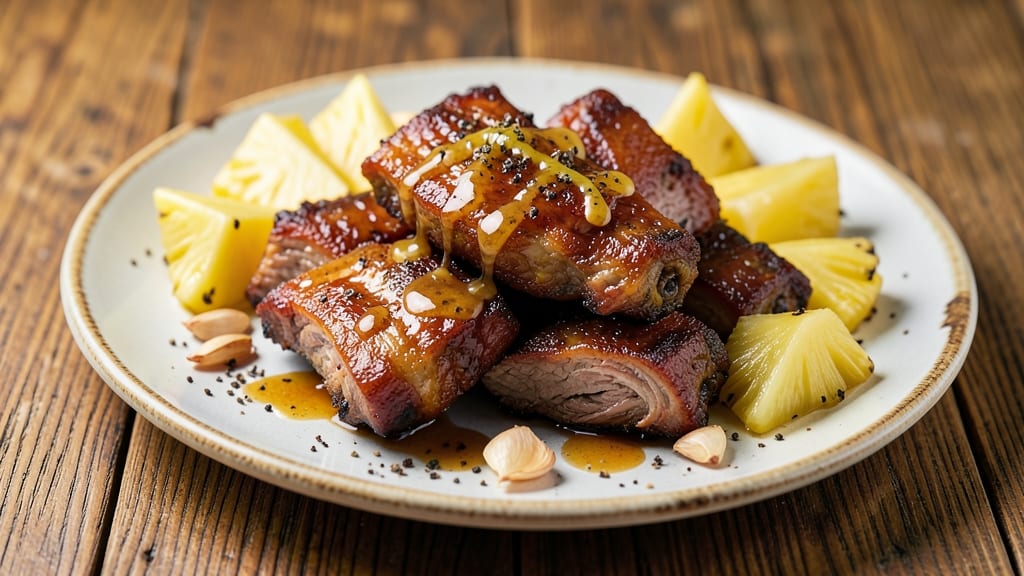
This Filipino-style pork ribs with pineapple recipe delivers the perfect balance of sweet, savory, and tangy flavors in one one-pan triumph. 🌟 The secret lies in marinating the ribs with soy sauce, calamansi, and pineapple—creating a dish that's tender, caramelized, and packed with that signature Panlasang Pinoy taste.
After years of perfecting this recipe, I can confidently say this is the version that actually delivers on restaurant-quality results at home.
The beauty of this recipe is its simplicity—no fancy equipment needed, just a 30-minute prep followed by slow cooking that transforms tough ribs into melt-in-your-mouth perfection. The pineapple not only adds sweetness but also tenderizes the meat, while the soy-calamansi marinade ensures deep, savory flavors.
What makes this dish truly special is how the caramelized edges and juicy interior come together in every bite, making it a crowd-pleaser for any occasion.
By the time you're done, you'll have ribs that are glazed with pineapple, infused with Filipino spices, and ready to be served over steamed rice with a side of atchara for that authentic touch.
The aroma alone will have everyone gathering around the table, and the first bite will prove why this recipe has become a staple in Filipino households. This is comfort food at its finest—sweet, savory, and impossible to resist.
Whether you're cooking for a family gathering or a weeknight dinner, this recipe scales beautifully and comes together without stress. The key is patience—letting the ribs slow-cook until they're fall-apart tender while the pineapple glaze caramelizes into a sticky, flavorful crust.
Trust me, once you try this version, you'll never go back to the basic barbecue ribs again.
Ingredients for pork ribs with pineapple recipe panlasang pinoy
The heart of Filipino comfort food—sweet, savory, and sticky all in one pan.
| Ingredient | Amount | Notes |
|---|---|---|
| Pork Ribs 🥓 | 2 lb | Baby back or St. Louis style, bone-in |
| Fresh Pineapple 🍍 | 1 whole | Cored and roughly chopped (about 2 cups) |
| Calamansi Juice 🍋 | ½ cup | Substitute lime or lemon if unavailable |
| Soy Sauce 🥄 | ⅓ cup | Use light or regular soy sauce |
| Brown Sugar 🍚 | ¼ cup | Packed, light or dark variety |
| Garlic Cloves 🧄 | 6 cloves | Minced or finely chopped |
| Ginger Root 🌿 | 1 tbsp | Freshly grated or finely minced |
| Black Peppercorns 🌶️ | 1 tsp | Freshly cracked or ground |
| Olive Oil 🫒 | 2 tbsp | Extra-virgin preferred |
| Green Onions 🧅 | 3 whole | Sliced, for garnish |
| Salt 🧂 | 1 tsp | Kosher or sea salt |
| Ground Black Pepper 🌶️ | ½ tsp | Freshly ground for best flavor |
| Cornstarch 🌾 | 1 tbsp | For thickening glaze |
The ribs are non-negotiable for this dish. Baby back or St. Louis style work best—they're tender enough to caramelize beautifully. Look for ribs with good marbling at Costco or your local butcher shop for the best quality. If you can't find calamansi juice, lime or lemon juice will work in a pinch, though it won't have that exact Filipino tang. Fresh pineapple is key—canned won't cut it—so grab a fresh whole pineapple and chop it yourself. The difference in texture and flavor is worth the extra minute.
No calamansi? Lime or lemon juice works, but add a pinch of salt to mimic the saltiness. Running short on brown sugar? White sugar plus a splash of soy sauce does the trick. The cornstarch is optional but helps thicken the glaze for that perfect sticky texture. For extra depth, toast your garlic and ginger in the olive oil for 30 seconds before adding the marinade—it brings out their flavors dramatically. If you can't find fresh ginger, powdered ginger at half the amount is a decent substitute, though fresh is always better.
This dish tastes even better the next day—plan ahead if you're serving a crowd. Store leftovers in an airtight container for up to 4 days in the fridge. For make-ahead prep, marinate the ribs overnight for deeper flavor. The pineapple glaze can be made ahead and reheated separately if needed. Freeze portions for up to 3 months—just thaw overnight in the fridge before reheating.
Why You'll Love This Recipe
- Pork ribs stretch across meals: extra ribs for sandwiches the next day, leftover pineapple for smoothies, even the glaze for marinade. I’ve fed six people for under $20 with this—leftovers included.
- One-Pan Magic: I swear by this—just ribs, pineapple chunks, and a splash of calamansi juice in one pan. No flipping between pots, no extra dishes. That sticky-sweet glaze? Forms right there while you sip your coffee.
- Sweet-Sour Crunch: The pineapple’s tang cuts through the ribs’ richness, and the brown sugar caramelizes into a glossy finish. Honestly, the first bite makes me close my eyes. That balance? It’s dangerously addictive.
- Party Ready: Serve it at a barbecue, a family gathering, or even a lazy Sunday brunch. The ribs fall off the bone, and the pineapple adds that bright pop—no one will guess it’s this easy. (Yes, even on a Tuesday night.)
Step-by-step instructions for Filipino-style pork ribs with pineapple
Here's how to create this perfect balance of smoky, sweet, and tangy flavors in one pan.
🔥 Step 1: Sear the Pork Ribs for Deep Flavor
Preheat your oven to 325°F—we'll finish cooking there, but we start with a sear on the stovetop. Heat 2 tablespoons olive oil in a large oven-safe skillet over medium-high heat until shimmering. Pat the 2 lb pork ribs dry with paper towels (this is crucial for crispy skin) and season generously with 1 teaspoon salt and 0.5 teaspoon ground black pepper.
Place the ribs in the skillet, bone-side down, and let them sear undisturbed for 5-6 minutes until the meat is deeply browned and crispy in spots. Flip the ribs and sear the other side for another 4-5 minutes. Press down gently on the ribs during searing—this prevents curling and ensures even contact with the pan. The ribs should release easily from the skillet when ready.
🍳 Step 2: Build the Sweet-Savory Sauce
Remove the ribs from the skillet and set them aside. Reduce the heat to medium and add 6 cloves minced garlic cloves and 1 tablespoon freshly grated ginger root to the same skillet. Sauté for 1-2 minutes until fragrant and the garlic turns golden—don't let it burn, or it'll turn bitter. Add 1 teaspoon freshly cracked black peppercorns and toast for 30 seconds to release their aroma.
Pour in 0.5 cup calamansi juice and 0.33 cup soy sauce, scraping up any browned bits from the bottom of the pan. These bits are packed with flavor—don't miss them! Add 0.25 cup packed brown sugar and 1 whole cored and roughly chopped fresh pineapple (about 2 cups). Stir everything together and let it simmer for 5 minutes until slightly reduced and thickened. The sauce should coat the back of a spoon.
🥘 Step 3: Braise the Ribs to Tender Perfection
Return the ribs to the skillet, spooning the sauce over them completely. Place the skillet in the preheated 325°F oven and braise for 1 hour and 15 minutes. This slow cooking time is key—it allows the ribs to become fork-tender while absorbing the sweet and savory sauce. About halfway through cooking, spoon the sauce over the ribs again to keep them moist.
You'll know the ribs are done when they're fork-tender and the sauce has thickened into a glossy glaze. The internal temperature should reach 195-203°F (use a meat thermometer to check the thickest part of the ribs). If the sauce thickens too much before the ribs are done, add 1-2 tablespoons water to the skillet to prevent burning.
🍽️ Step 4: Thicken the Glaze and Garnish
Remove the ribs from the oven and transfer them to a serving platter. Increase the oven temperature to 400°F and return the skillet to the stovetop over medium-high heat. In a small bowl, whisk together 1 tablespoon cornstarch with 2 tablespoons water to create a slurry. Slowly pour this into the skillet, stirring constantly for 1-2 minutes until the sauce thickens into a glossy, sticky glaze.
Once the glaze is thick and shiny, spoon it generously over the ribs. Garnish with 3 whole sliced green onions for a fresh pop of color and brightness. Serve immediately with steamed rice to soak up every last drop of that delicious sauce. The combination of tender, caramelized ribs with the sweet-tangy pineapple glaze is pure Filipino comfort food magic!
Pro Tips For Making Pork Ribs With Pineapple Recipe Panlasang Pinoy
- SEAR THE RIB BONES FIRST: After trimming excess fat, lay the ribs bone-side down in a cold pan and turn the heat to medium. Let them sit for 2 full minutes before moving them—this renders fat slowly and keeps the meat from steaming instead of browning. I learned this the hard way when my ribs came out pale and soggy because I rushed the sear.
- USE COLD PINEAPPLE CHUNKS: Toss the pineapple chunks in ice water for 10 minutes before adding them to the sauce. The cold shock stops the fruit from turning mushy and releasing too much juice, which can dilute the soy-caramel balance. Sounds weird, but it works—your sauce stays thick and glossy, not watery.
- DON’T DROWN THE RIB BONES: When simmering the ribs in the pineapple-sauce mix, keep the liquid just enough to coat the bottom of the pot. Too much liquid = bland, watery ribs. If it reduces too fast, add a splash of water, but resist the urge to go heavy-handed. The ribs need to caramelize, not stew.
- SAVE THE CALAMANSI PEEL: After juicing the calamansi, don’t toss the peels—simmer them with the ribs for the last 5 minutes. They add a bright, citrusy depth that store-bought juice can’t match. I skip this when I’m lazy, but the dish is noticeably better when I don’t. (Yes, even if it looks like you’re using every last bit.)
Serving suggestions for this recipe
Filipino Rice Pairing
Steamed jasmine rice is the classic companion to these ribs—its mild, slightly floral notes let the sweet-savory pineapple glaze shine. I use 1.5 cups uncooked jasmine rice per person for a hearty portion, cooked in a 1:1.25 rice-to-water ratio with a pinch of salt.
For extra authenticity, add 1 tablespoon toasted coconut milk to the cooking water for a subtle coconut aroma. 🌱
Pro tip: Cook the rice in batches if serving a crowd, and keep it warm in a rice warmer or covered pot on low heat. The ribs and rice should be served at the same time so every bite is perfectly balanced with tender meat and fluffy grains.
Atchara Slaw Crunch
This Filipino carrot pickles (atchara) add a tangy crunch that cuts through the richness of the ribs.
I make a quick batch by thinly slicing 2 medium carrots, 1 small daikon radish, and 1 small onion, then soaking them in ½ cup vinegar, 2 tbsp sugar, 1 tsp salt, and 1 tsp mustard seeds for at least 30 minutes.
The vinegar brightens the pineapple flavors while adding texture. 🥕
For a shortcut, buy pre-made atchara from Filipino markets or Asian grocery stores. Serve it chilled in small bowls so guests can add it to their plates as they like. The acidity in the pickles also helps cleanse your palate between bites of the sweet ribs.
Garnish Like a Pro
Fresh green onions aren’t just for looks—they add a sharp, fresh contrast to the caramelized ribs. Slice 3 green onions into ¼-inch pieces and scatter them over the ribs right before serving.
For extra flair, add ½ cup toasted sesame seeds or crushed peanuts for crunch. I also like a sprinkle of fresh cilantro if you want a brighter, herbaceous note. ✨
Don’t forget the pineapple garnish—reserve ¼ cup of the chopped pineapple from your recipe for a final garnish. Toss it with 1 tsp lime juice and arrange it artistically around the platter. This not only looks beautiful but reminds everyone of the tropical sweetness in every bite.
Sauce for Dipping
Create a quick dipping sauce by mixing ¼ cup soy sauce, 2 tbsp calamansi or lime juice, 1 tbsp honey, and 1 minced garlic clove.
This sauce enhances the ribs’ flavors while adding a refreshing contrast. Serve it in small bowls alongside the ribs for dipping or drizzling over rice. 🍯
For spice lovers, add ½ tsp sriracha or 1 tsp chili flakes to the sauce. I keep a small pitcher on the table so guests can adjust the heat to their preference. The sauce also works perfectly for drizzling over the atchara slaw if you want an extra tangy kick.
Drink Pairings
A Filipino iced coffee (kapeng barako) is the ultimate drink pairing—its bold, slightly bitter notes balance the sweetness of the ribs. Brew 2 tablespoons ground barako coffee with 2 cups hot water, sweeten to taste, and chill over ice.
For a non-coffee option, try calamansi soda—mix 1 cup sparkling water, ¼ cup calamansi juice, and 1 tbsp sugar for a refreshing, citrusy sip. 🍹
If you prefer beer, a Filipino lager like San Miguel or Red Horse complements the dish perfectly. The light, crisp flavors cleanse your palate without overpowering the ribs. For a non-alcoholic option, pineapple juice or mango nectar enhances the tropical theme of the meal.
Nutrition facts
Frequently asked questions
Can I substitute fresh pineapple with canned for this recipe?
I strongly recommend using fresh pineapple for the best texture and flavor. Canned pineapple lacks the natural juices and tenderizing enzymes that make fresh pineapple work so well in this recipe. If you must use canned, drain it thoroughly and add an extra 1 tablespoon of calamansi juice to compensate for the lack of natural acidity.
How do I know when the pork ribs are fully cooked?
Your ribs are done when they reach an internal temperature of 195-203°F and are fork-tender. The meat should pull away from the bones easily, and the sauce should be thick and glossy. For best results, use a meat thermometer to check the thickest part of the ribs—this ensures perfect doneness every time.
What can I do if my sauce becomes too thin during cooking?
If your sauce gets too thin, simply remove the ribs from the skillet and place the sauce in a small saucepan. Simmer it over medium heat for 3-5 minutes to reduce it. For an instant fix, mix 1 teaspoon cornstarch with 1 tablespoon water and stir it into the sauce—it will thicken immediately. Always return the sauce to the ribs before serving.
Can I make this recipe in a slow cooker instead of the oven?
Follow the same marinating steps, then place the ribs and sauce in your slow cooker. Cook on low for 6-7 hours or high for 3-4 hours until the ribs are tender. The sauce may need thickening at the end—just remove the ribs, mix the cornstarch slurry into the sauce, and cook for 2-3 minutes on the stovetop before serving.
What are some common mistakes to avoid with this recipe?
Don't skip the searing step—it builds deep flavor! Also, avoid overcrowding the pan during searing, which can steam the ribs instead of browning them. Another mistake is not basting the ribs with sauce during cooking—this keeps them moist. Finally, don't rush the cooking time; ribs need patience to become truly tender.