
Main Courses
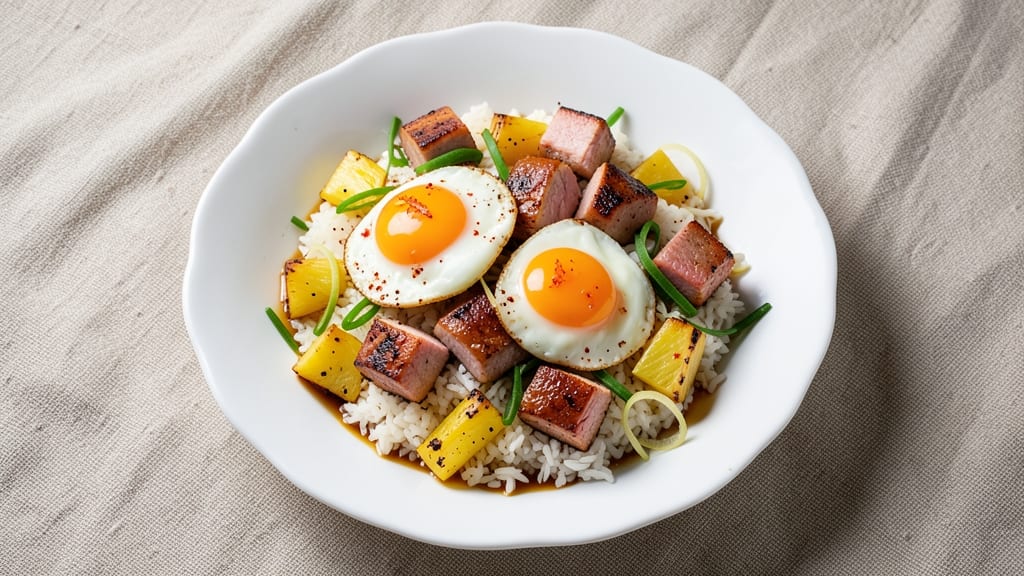
This pork pineapple fried rice recipe transforms a weeknight dinner into a vibrant, tropical-inspired feast with just one pan and 25 minutes of active time. The secret lies in perfectly searing the pork for tender, caramelized edges while keeping the rice crisp and flavorful—no soggy bites here. I developed this after craving something bright and satisfying that still felt effortless, and the balance of juicy pork, sweet pineapple, and savory rice delivers every time.
The magic happens in the stir-fry technique: high heat for the pork, then quick-cooked rice that soaks up the caramelized pork juices and fresh pineapple chunks. We use day-old rice for that ideal texture—firm on the outside, tender inside—while the pineapple adds just enough sweetness to cut through the richness.
This isn't your average fried rice; it's a complete meal with protein, veggies, and carbs all working together.
By the time you plate it, you'll have a dish that looks as impressive as it tastes: golden rice speckled with pink pork and bright pineapple pieces, all glistening with a light soy-ginger sauce.
The aroma alone will have everyone at the table asking what's for dinner. This recipe proves you can have restaurant-quality flavors without spending hours in the kitchen.
Perfect for feeding a family or meal prepping for the week, this one-pan wonder requires just a handful of ingredients you likely already have. Let's get cooking—and enjoy that tropical vacation feeling without leaving home.
Ingredients for pork pineapple and rice
Tropical flavors meet weeknight ease with these fresh, savory ingredients.
| Ingredient | Amount | Notes |
|---|---|---|
| Day-Old Cooked White Rice 🍚 | 4 cups | Cold or room temperature preferred |
| Boneless Pork Shoulder 🐷 | 1 lb | Cut into 1/2-inch cubes |
| Fresh Pineapple Chunks 🍍 | 1 ½ cups | Juicy, firm variety preferred |
| Large Eggs 🥚 | 2 whole | Beaten for stir-fry |
| Green Onions 🧅 | ½ cup | Sliced into 1-inch pieces |
| Fresh Ginger 🌿 | 1 tbsp | Finely grated, fresh preferred |
| Low-Sodium Soy Sauce 🥢 | 3 tbsp | For balanced flavor |
| Sesame Oil 🫒 | 1 tbsp | For aroma, toasted preferred |
| Vegetable Oil 🫒 | 2 tbsp | High smoke point for searing |
| Garlic Cloves 🧄 | 4 cloves | Minced for flavor |
| Salt 🧂 | ½ tsp | Adjust to taste |
| Black Pepper 🌶️ | ¼ tsp | Freshly ground |
| Sesame Seeds 🌾 | 1 tbsp | Toasted for garnish |
| Lime Wedges 🍋 | 2 whole | For serving |
The pork shoulder is your secret weapon—it stays juicy when cubed small and seared properly. Look for well-marbled cuts at the meat counter, and ask for it pre-cut if you're short on time. Trader Joe's or Costco often have great deals on pork shoulder, and it keeps well in the freezer. For the pineapple, fresh is non-negotiable here—canned chunks get mushy when stir-fried, and frozen ones release too much water. Grab a small pineapple, cut it yourself, and save the leftover juice for smoothies. Day-old rice is key too; fresh rice turns mushy when stir-fried, but rice cooked the night before gives you that perfect texture.
No pork shoulder? Chicken thigh works best—it stays tender when cooked quickly, though pork has that extra richness. Short on pineapple? Mango chunks hold up well, but they'll release more juice, so reduce the stir-fry time slightly. Fresh ginger is ideal, but dried ginger at half the amount works in a pinch. The eggs add protein and help bind everything together—room temperature eggs stir-fry better, so take them out 10 minutes before cooking. For the soy sauce, low-sodium is best so you can control the saltiness, but regular works if that's what you've got. Sesame oil adds incredible aroma, but if you're avoiding gluten, make sure it's pure sesame oil—not the blended kind with wheat.
This dish reheats beautifully—just add a splash of water and stir-fry again for 2-3 minutes. Store leftovers in an airtight container for up to 4 days in the fridge, or freeze portions for 3 months. I like to double the batch and freeze half for lazy days. The lime wedges should be added fresh when serving—they brighten everything up and cut through the richness. For meal prep, store the components separately (rice, pork, pineapple) and assemble when ready to eat to keep the texture perfect.
Why You'll Love This Recipe
- Uses Day-Old Rice: I swear by this trick—cold rice soaks up the juices like a sponge, turning every bite into a flavor bomb. No one will guess it’s not freshly cooked.
- Sweet-Savory Magic: That caramelized pork meets fresh pineapple? It’s like a hug in your mouth—sweet, salty, and just a little tangy. The green onions add the perfect bright finish.
- Lunchbox Hero: Pack it cold or reheat it warm—this dish travels beautifully. My kids grab it for school lunches, and honestly? It’s way better than sad sandwiches.
- Budget-Friendly Feast: Pork shoulder stretches for meals, rice fills everyone up, and pineapple adds freshness without breaking the bank. Leftovers? Even better the next day.
Step-by-step instructions for pork pineapple fried rice
Here's how to make this tropical fried rice in one pan—fast, flavorful, and perfect every time.
Prep and Sear the Pork
Cut the 1 lb boneless pork shoulder into ½-inch cubes and place them in a bowl. Add 3 tablespoons low-sodium soy sauce, ½ teaspoon salt, and ¼ teaspoon black pepper. Mix well to coat evenly, then let it marinate for 10 minutes—this ensures tender, flavorful pork.
Heat 2 tablespoons vegetable oil in a large skillet or wok over medium-high heat. Once the oil shimmers, add the pork in a single layer and let it sear undisturbed for 2-3 minutes until golden brown on the bottom. Stir and cook for another 2-3 minutes until the pork is fully cooked through. Remove the pork from the pan and set it aside on a plate—it'll continue cooking as we build the rest of the dish.
Scramble the Eggs and Sauté Aromatics
In the same pan, reduce the heat to medium and add the 2 whole large eggs. Let them sit for 5-10 seconds until they begin to set at the edges, then gently scramble with a spatula until just cooked through—soft curds are perfect for fried rice. Remove the eggs and set them aside with the pork.
Add 1 tablespoon vegetable oil to the pan and increase heat to medium-high. Toss in the 4 minced garlic cloves and 1 tablespoon finely grated fresh ginger, cooking for 30 seconds until fragrant—this step builds the aromatic base for your dish. The garlic should turn golden, not brown, so keep an eye on it.
Stir-Fry the Pineapple and Green Onions
Add the 1.5 cups fresh pineapple chunks to the pan and stir-fry for 2-3 minutes until they begin to soften slightly but still retain their shape. You want them to stay juicy and bright—overcooking turns pineapple mushy. Toss in the ½ cup sliced green onions and stir for 30 seconds until wilted but still vibrant.
Here's the thing—pineapple releases a lot of liquid, so let it cook just until heated through. If the pan gets too wet, increase the heat slightly to evaporate excess moisture. This step is crucial for keeping your fried rice from turning soggy.
Combine Everything and Finish
Add the 4 cups day-old cooked white rice to the pan, breaking up any clumps with your spatula. Drizzle in 1 tablespoon sesame oil and toss everything together for 1-2 minutes until the rice is heated through and coated in the flavors. If the rice seems dry, add 1-2 tablespoons water to help steam it slightly.
Return the pork and eggs to the pan and stir everything together for another 1 minute. Taste and adjust seasoning with a splash more soy sauce if needed—this is your chance to balance the flavors. The rice should be hot, the pork tender, and the pineapple juicy.
Garnish and Serve
Transfer the fried rice to serving plates and garnish each portion with 1 tablespoon toasted sesame seeds and a squeeze of lime wedges. The sesame seeds add a nutty crunch, while the lime brightens all the flavors. Serve immediately with extra lime wedges on the side for squeezing.
This tropical fried rice is best enjoyed fresh while the rice is still warm and the pineapple is juicy. The combination of tender pork, sweet pineapple, and aromatic rice makes every bite a little vacation in your mouth.
Pro Tips For Making Pork Pineapple And Rice
- CUT PORK INTO STRIPS: I used to slice pork shoulder thick, thinking it’d cook faster—wrong. Thin strips (about ¼-inch) sear in seconds and absorb the pineapple’s sweetness without turning rubbery. Use the grain, not against it, or your pork will look like shredded paper.
- USE COLD RICE: That leftover rice isn’t just for saving—it’s the secret to texture. Cold rice holds its shape when stir-fried, soaking up flavors instead of turning mushy. If you’re short on time, spread freshly cooked rice on a tray and refrigerate for 30 minutes.
- DON’T OVERCOOK THE PINEAPPLE: Fresh pineapple chunks soften fast—watch them like a hawk. After 2 minutes in the pan, they’ll release their juice and start to caramelize. Overcook them, and you’re left with a sad, mushy mess. Toss them in last, just to warm through.
- SALT THE RICE FIRST: Plain day-old rice tastes bland in this dish. Toss it with ½ teaspoon salt per cup before mixing—it’ll make the pork and pineapple flavors pop. I learned this after eating a batch where the rice was an afterthought. Trust me, it matters.
Troubleshooting this dish
Soggy Rice Fix
If your rice turns out mushy, it’s almost always because of excess moisture from the pineapple or overcrowding the pan. To prevent this, stir-fry the pineapple in batches if needed, and use day-old rice—it absorbs flavors better without turning to mush.
If the rice is already soggy, spread it on a baking sheet and broil for 2-3 minutes to crisp it up. 🔥
Pork Overcooking
Pork that’s tough or dry usually means it was overcooked or didn’t marinate long enough. Cut the pork into even ½-inch cubes and marinate for at least 10 minutes (longer if possible) to keep it tender.
Use a meat thermometer—remove pork when it hits 145°F internal temperature. If it’s dry after cooking, reheat it in a splash of broth to restore juiciness.
Pineapple Too Soft
Overcooked pineapple loses its bright texture and becomes mushy. Stir-fry it for only 2-3 minutes—just enough to warm through. If it’s already too soft, add fresh pineapple chunks to the dish as a garnish or serve extra on the side.
For extra sweetness, drizzle with a little honey before serving to balance any loss of freshness. 🍍
Sauce Too Salty
If your dish tastes overly salty, it’s likely from the soy sauce or seasoning. Taste as you go—add a splash of pineapple juice or lime to dilute the saltiness.
If needed, stir in 1-2 tablespoons of water or broth to mellow the flavors. For future batches, reduce soy sauce by ½ tablespoon if you’re sensitive to salt.
Eggs Too Dry
Dry scrambled eggs happen when they’re overcooked or stirred too aggressively. Remove them from the pan as soon as they’re just set—they’ll keep cooking off the heat. If they’re already dry, fold them back into the pan with a splash of water to steam them slightly.
For creamier eggs, use room-temperature eggs and stir gently with a spatula. 🥚
Lacking Flavor Balance
If the dish tastes flat, it might need more umami or acidity. Boost flavor by adding 1 teaspoon fish sauce (for depth) or extra lime juice (for brightness).
For a smoky touch, sprinkle with ½ teaspoon smoked paprika before serving. Taste as you go—this dish should balance sweet (pineapple), savory (pork/soy), and tangy (lime). ✨
Nutrition facts
Frequently asked questions
Can I use fresh pineapple instead of canned?
Fresh pineapple is ideal for this recipe—it stays juicy and bright while stir-frying. Just cut it into 1.5 cups of ½-inch chunks and cook them for only 2-3 minutes to prevent mushiness. Canned pineapple releases too much liquid and often has added sugars that can make the dish overly sweet.
What's the best rice to use for this dish?
Use day-old cooked white rice for perfect texture—it's firm enough to hold up during stir-frying. Jasmine or basmati rice work great, but avoid sticky rice varieties like sushi rice. If you must use freshly cooked rice, spread it on a tray and chill for 1 hour in the fridge first to dry it out slightly.
How do I prevent the pork from drying out?
Marinate the pork for at least 10 minutes in the soy sauce mixture before cooking. Cut it into even ½-inch cubes and sear over medium-high heat until golden (not browned) on the bottom. Remove pork when it reaches 145°F internal temperature—it'll finish cooking in the pan.
Can I make this recipe gluten-free?
Yes! Simply replace the soy sauce with 3 tablespoons gluten-free tamari or coconut aminos. Also check your sesame oil—some brands contain wheat. For extra flavor, add ½ teaspoon fish sauce (ensure it's gluten-free) along with the sesame oil when combining everything.
How do I reheat leftovers without drying it out?
Reheat in a skillet over medium heat with 1 tablespoon water or broth per cup of rice. Stir constantly for 2-3 minutes until everything is heated through. For microwave reheating, cover with a damp paper towel and heat in 30-second bursts, stirring between each interval.