
Main Courses
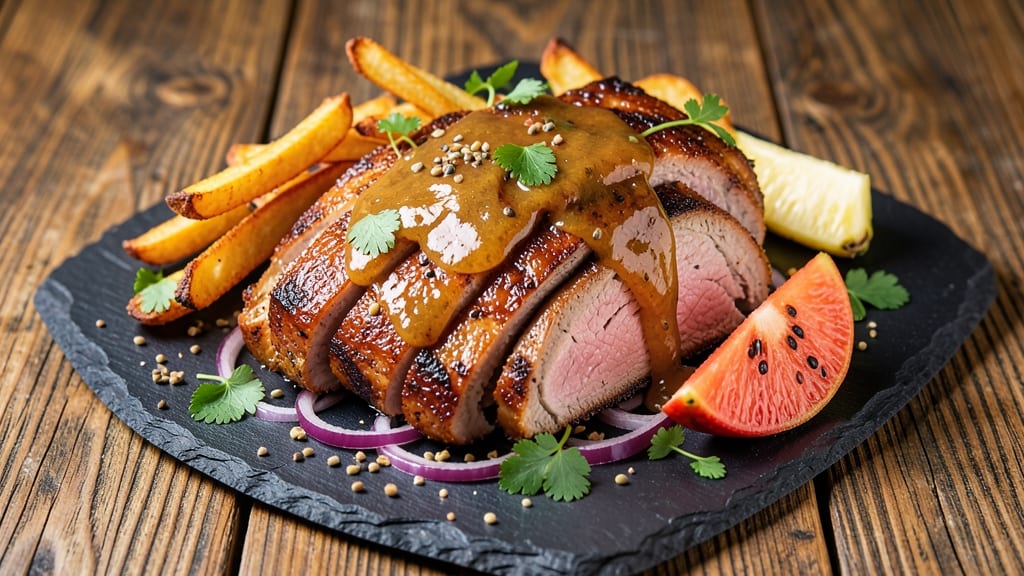
This pork humba recipe with pineapple juice brings the vibrant flavors of the Caribbean to your one-pot dinner. 🌴 After years of perfecting this tropical stew, I've found the balance between sweet pineapple and savory spices that makes it irresistible.
The secret lies in marinating the pork properly and letting the flavors meld slowly in the pot.
The beauty of humba is its versatility—it's hearty enough for a main course but flexible enough to adapt to your taste. We'll use traditional spices like allspice and thyme, but the pineapple juice adds a bright, tangy contrast that keeps the dish from becoming too heavy.
This recipe delivers restaurant-quality results without requiring special equipment.
What you'll end up with is tender pork simmered in a rich, aromatic sauce that's perfectly balanced between sweet and savory. The pineapple juice caramelizes slightly, creating pockets of natural sweetness that complement the smoky, spiced flavors.
It's the kind of dish that tastes even better the next day as the flavors continue to develop.
Serve it with rice, crusty bread, or over plantains for the full Caribbean experience. The leftovers reheat beautifully, making this an ideal meal prep option. Let's get cooking!
Ingredients for pork humba recipe with pineapple juice
Pork humba comes together with bold Caribbean flavors and pantry staples you already own.
| Ingredient | Amount | Notes |
|---|---|---|
| Pork Shoulder 🥩 | 2 ½ lb | Bone-in for flavor, cut into 1.5-inch cubes |
| Pineapple Juice 🍍 | 1 ½ cups | Freshly squeezed, no pulp preferred |
| Onion 🧅 | 1 whole | Yellow or red, diced |
| Garlic Cloves 🧄 | 6 cloves | Minced finely |
| Allspice Berries 🌶️ | 1 tsp | Ground or whole, toasted |
| Ground Cumin 🌿 | 1 tsp | Freshly toasted for depth |
| Fresh Thyme 🌿 | ½ tsp | Leaves only, chopped |
| Scotch Bonnet Pepper 🌶️ | 1 whole | Seeded for mild heat, minced |
| Tomato Paste 🍅 | ¼ cup | Smooth, no sugar added |
| Chicken Broth 💧 | 1 ½ cups | Low-sodium preferred |
| Olive Oil 🫒 | 2 tbsp | Extra-virgin for richness |
| Brown Sugar 🍯 | 1 tbsp | Light or dark, packed |
| Salt 🧂 | 1 ½ tsp | Kosher or sea salt |
| Black Pepper 🌶️ | ½ tsp | Freshly cracked |
| Fresh Cilantro 🌿 | ¼ cup | Chopped, for garnish |
The pork shoulder is where the magic happens—bone-in gives the most flavor, and cutting it into even cubes ensures it cooks perfectly. Costco or your local butcher usually have great deals on pork shoulder, and it's worth buying extra. Look for pieces with good marbling, which means more flavor. If you can't find Scotch bonnet, jalapeño or habanero works, but reduce the amount by half since they're hotter. Fresh pineapple juice is ideal, but canned pineapple juice (not syrup) works in a pinch—just shake it well before using.
No allspice? Cinnamon and nutmeg combined (half a teaspoon each) gets you close. Fresh thyme is best, but dried thyme at one-third the amount works if that's what you've got. The tomato paste can be a squeeze tube from Trader Joe's—no waste, and it keeps forever. Brown sugar adds depth, but white sugar works fine if that's what's in your cabinet. For extra richness, add a splash of dark rum (about 2 tablespoons) when you're simmering the sauce—it caramelizes beautifully and adds a little boozy warmth.
This stew tastes even better the next day, so make extra. It keeps for 4-5 days in the fridge, and freezes for 3 months. I like to portion it into containers with rice on the side—just reheat with a splash of water or broth. The pineapple juice can be stored in the freezer for up to 6 months, but it's best fresh. If you have leftovers, the sauce thickens as it sits, so add a splash of water or broth when reheating to loosen it up.
Why You'll Love This Recipe
- One-Pan Magic: I swear by this recipe because it’s basically hands-off after the initial chop. Toss pork shoulder, onions, and garlic in a pot with pineapple juice and allspice, then let it simmer—no flipping, no fussing. That’s my kind of cooking.
- Sweet-Savory Balance: The pineapple juice cuts through the richness of the pork while the allspice berries add a warm, earthy depth. Honestly, the first bite makes me think, "Wait, this is actually good?"—then I devour the rest.
- Weeknight & Potluck Star: Between us, this is my go-to for both lazy Tuesdays and big gatherings. Serve it over rice for a hearty meal or pile it onto buns for sliders—no one will guess it’s this unfussy.
- Budget-Friendly Feast: Pork shoulder stretches for days, and pineapple juice keeps the cost low without sacrificing flavor. I’ll be real: my freezer’s always stocked with leftovers, and they’re just as good reheated as they are fresh.
Step-by-step instructions for pork humba with pineapple juice
Here's how to make this vibrant Caribbean stew with tender pork and tropical flavors.
🍳 Step 1: Sear the Pork Shoulder for Deep Flavor
Heat the 2 tablespoons olive oil in a large Dutch oven over medium-high heat until shimmering. Add the 2.5 lb pork shoulder cut into 1.5-inch cubes and sear on all sides for 4-5 minutes per side until golden brown. You want that beautiful caramelization on the outside—this builds the foundation for rich flavor.
As you sear, don't overcrowd the pan. Work in batches if needed, keeping the first batch warm while you finish the rest. Once all pieces are browned, transfer them to a plate and set aside. You'll notice the pork releases some juices—don't wipe them out, those are flavor gold.
👨🍳 Step 2: Build the Aromatic Base
In the same Dutch oven, add the 1 whole diced onion and cook for 3-4 minutes until softened and beginning to caramelize. Stir in the 6 minced garlic cloves and 1 minced Scotch bonnet pepper, cooking for 30 seconds until fragrant—this is where all the magic happens.
Add the 1 teaspoon ground cumin, 1 teaspoon allspice berries, 0.5 teaspoon chopped fresh thyme, 1.5 teaspoons salt, and 0.5 teaspoon black pepper. Stir well to coat the onions and aromatics, letting them toast for 1 minute until you smell that warm, spicy aroma. This is your flavor bomb.
🍳 Step 3: Develop the Sauce with Tomato and Pineapple
Pour in the 0.25 cup tomato paste and stir vigorously to break it up completely. Cook for 2 minutes until it darkens slightly. Then add the 1.5 cups pineapple juice and 1.5 cups chicken broth, scraping up any browned bits from the bottom of the pot.
Bring the mixture to a gentle simmer, then add the 1 tablespoon brown sugar. Let it cook uncovered for 10 minutes until slightly reduced and the flavors meld together. You'll see the sauce take on a beautiful golden hue—this is when the sweet and savory start to dance together.
🥘 Step 4: Simmer the Pork Until Tender
Return the seared pork shoulder to the pot, along with any accumulated juices. Bring everything back to a gentle simmer, then reduce heat to low. Cover and let it cook for 1.5-2 hours, stirring occasionally, until the pork is fork-tender and easily pulls apart.
Here's the thing—don't rush this step. The pork needs time to become melt-in-your-mouth tender. Check the internal temperature with a meat thermometer—it should reach 203°F for perfect pull-apart texture. If it looks like it's not quite there, add 2-3 tablespoons water to prevent drying out.
🔪 Step 5: Finish and Garnish
Once the pork is tender, remove the lid and let the sauce reduce slightly for 5-10 minutes until it's thick enough to coat the back of a spoon. Taste and adjust seasoning if needed—you might want to add a pinch more salt or a splash of pineapple juice for brightness.
Stir in the 0.25 cup chopped fresh cilantro just before serving. This adds a fresh, bright finish that cuts through the rich, spicy-sweet flavors. Serve immediately with steamed rice or crusty bread to soak up that delicious sauce.
Pro Tips For Making Pork Humba Recipe With Pineapple Juice
- CRANK THE HEAT FIRST: Pineapple juice burns easily—start with a screaming-hot pan (medium-high to high) and let the onions caramelize for 5-7 minutes before adding anything else. I learned this the hard way when my first batch turned into a sad, sticky mess.
- TOAST THE ALLSPICE: Crush the allspice berries in a dry pan for 30 seconds until fragrant—this unlocks their flavor instead of just letting them sit like flavorless pebbles. Sounds weird, but it works: the nutty aroma blends better into the pork and pineapple tang.
- DON’T SKIP THE PINEAPPLE REDUCE: Simmer the pineapple juice down by half before adding it to the pork—this concentrates the sweetness and prevents the sauce from tasting watery. I used to pour it straight in, and the dish always felt flat afterward.
- USE COLD PORK, NOT ROOM-TEMP: Pat the pork shoulder dry and let it sit uncovered in the fridge for 1-2 hours before cooking. Cold meat sears better and renders fat more evenly, giving you that crispy crust without grease splatter everywhere. (Yes, even if you’re impatient like me.)
Serving suggestions for this dish
Rice Pairings
Steamed white rice is the classic pairing for pork humba, soaking up the rich, spiced sauce beautifully. I recommend using jasmine rice for its delicate floral notes that complement the tropical flavors.
For extra flair, try coconut rice—simmer the rice in 1 cup coconut milk with a pinch of salt for a fragrant twist. 🌾
Bread Sides
Crusty bread is perfect for mopping up the sauce. I love freshly baked bolillo rolls from the Latin market—their soft interior contrasts nicely with the hearty stew. For a rustic touch, toast sourdough slices and rub them with a garlic clove before serving.
If you're feeling fancy, serve with plantain chips for a sweet-savory crunch.
Fresh Accompaniments
Bright sides balance the richness of the stew. A simple mango-avocado salad with lime juice and cilantro adds freshness.
I also love serving pickled red onions—slice 1 small red onion thin, soak in ½ cup vinegar, 1 tsp sugar, and ½ tsp salt for 30 minutes to cut through the heat. A squeeze of lime over everything ties all the flavors together. 🍋
Drink Recommendations
Pineapple juice is your obvious choice, but I also love serving hibiscus iced tea (agua de jamaica) for its tart contrast. For something stronger, a light rum punch with pineapple juice, lime, and a splash of soda works perfectly.
If you prefer non-alcoholic, sparkling limeade keeps things refreshing without overpowering the dish.
Garnish Finishing Touches
Fresh herbs elevate the dish at the table. I always garnish with cilantro leaves and a sprinkle of toasted coconut flakes for texture. For heat lovers, add sliced scallions or a dash of hot sauce.
A drizzle of lime zest over each serving adds a bright citrus finish that makes the flavors sing. 🌿
Make-Ahead Serving
Humba tastes even better the next day, so I often make it ahead for potlucks. Reheat gently on the stove with 2 tablespoons water to loosen the sauce.
Serve with pre-cooked rice (reheated with a splash of water) and warm cornbread muffins for a complete meal. The flavors deepen overnight, making it perfect for leftovers. ⏳
Nutrition facts
Frequently asked questions
Can I substitute chicken or beef for the pork in this recipe?
While pork is traditional for humba, you can absolutely use chicken thighs or beef chuck—just adjust cooking times. Chicken cooks faster (45-60 minutes total) while beef needs longer (2.5-3 hours). Use the same marinade ratios but reduce the Scotch bonnet pepper by half for beef since it's more tender.
What makes this recipe different from other Caribbean pork stews?
The pineapple juice creates a unique sweet-tangy balance that sets this apart from traditional humba. Most recipes use tomato-heavy bases, but here we let the pineapple caramelize slightly while simmering, creating natural sweetness that complements the allspice and cumin. The slow cooking also develops deeper flavors than quick braises.
How can I make this recipe spicier without Scotch bonnet?
If you can't find Scotch bonnet, try 1-2 teaspoons cayenne pepper or 1 fresh habanero (seeded and minced). For heat control, start with less and add more at the end. Another option is ½ teaspoon red pepper flakes mixed with the cumin. Always taste before serving—you can adjust with more pineapple juice to balance the heat.
Can I make this in a slow cooker or Instant Pot?
For a slow cooker, brown the pork first, then transfer everything to the pot and cook on low for 8 hours or high for 5 hours. For Instant Pot, use the Sauté function to brown the pork, then pressure cook for 45 minutes on high. Both methods work well—just reduce the pineapple juice by ¼ cup since slow cookers evaporate more liquid.
Why does my humba sauce turn out too thick or too thin?
Sauce consistency depends on cooking time and liquid ratios. If too thick, add 2-3 tablespoons water or broth and simmer uncovered for 5 minutes. If too thin, increase simmering time uncovered or reduce the pineapple juice by ¼ cup next time. The sauce should coat the back of a spoon but still be pourable.