
Side Dishes
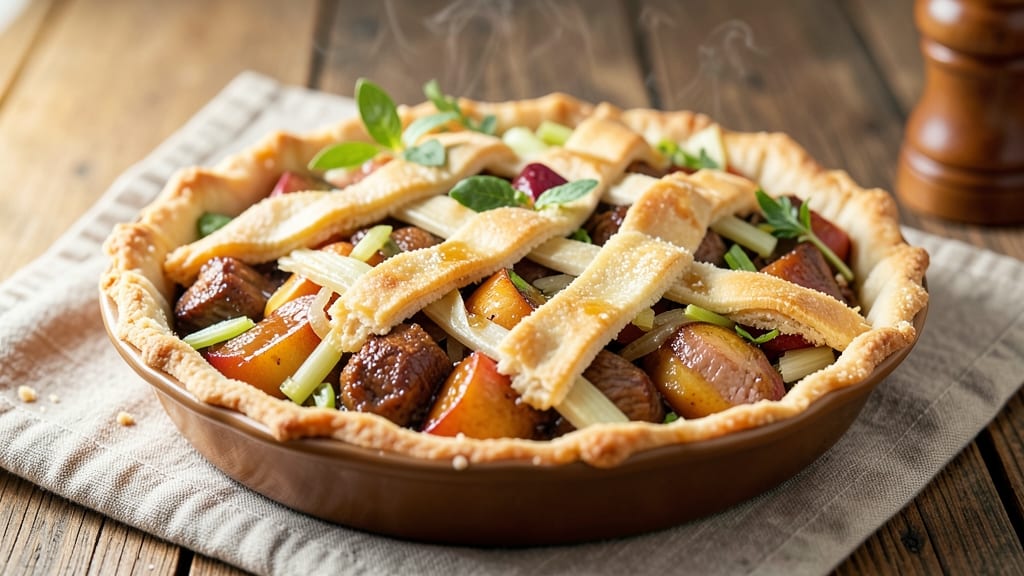
This pork and apple pie filling recipe transforms a classic dessert into something unexpected—where tender pork shoulder meets spiced apples in a celery-crusted embrace. 🔥 The secret lies in slow-cooking pork until it's fork-tender, then blending it with tart apples, aromatic celery, and warming spices that create a filling with both savory depth and subtle sweetness.
I first developed this during a Charleston farmers' market challenge, where I needed to elevate a traditional pie into something memorable.
The magic happens in the balance: crisp-tender apples hold their shape while the pork breaks down into rich, flavorful chunks. A celery crust adds a satisfying crunch that contrasts beautifully with the soft filling.
This isn't your grandmother's apple pie—it's a sophisticated twist that works equally well in a deep-dish tart or as a savory hand pie. The spices, a blend of cinnamon, nutmeg, and black pepper, create layers of warmth that linger with every bite.
What makes this recipe special is how it transforms humble ingredients into something extraordinary. The pork adds protein and richness, while the apples bring brightness and acidity. When baked, the filling develops a caramelized top with a golden crust that's impossible to resist.
It's the kind of dish that turns ordinary gatherings into memorable meals—whether you're serving it at a holiday feast or a casual weekend brunch.
Perfect for those who love flavorful twists on classics, this filling requires just 30 minutes of active prep followed by slow cooking. The result? A pie that's hearty yet refined, with every bite delivering that perfect balance of textures and flavors. Let's get started on creating something truly special.
Ingredients for pork and apple pie filling
Six ingredients create the filling, twelve more build the celery-crusted magic.
| Ingredient | Amount | Notes |
|---|---|---|
| Boneless Pork Shoulder 🥩 | 1 ½ lb | Cut into 1-inch cubes, trimmed of fat |
| Honeycrisp Apples 🍎 | 4 medium | Peeled, cored, sliced into 1/4-inch pieces |
| Celery Stalks 🧅 | 3 whole | Finely chopped, leaves reserved for garnish |
| Yellow Onion 🧅 | 1 medium | Diced finely, about 1 cup total |
| Unsalted Butter 🧈 | ½ cup | Cold, cubed for crust texture |
| All-Purpose Flour 🌾 | 1 ½ cups | Plus 1 tbsp for crust binding |
| Ground Cinnamon 🌿 | 2 tsp | Freshly ground preferred |
| Ground Nutmeg 🌿 | ½ tsp | Freshly grated for best flavor |
| Ground Black Pepper 🌶️ | 1 tsp | Freshly cracked preferred |
| Granulated Sugar 🍚 | ¼ cup | Light brown sugar for depth |
| Fresh Lemon Juice 🍋 | 1 tbsp | Brightens the filling |
| Kosher Salt 🧂 | 1 ½ tsp | Adjust to taste |
| Heavy Cream 🥛 | ¼ cup | For filling richness |
The pork shoulder is non-negotiable—look for bone-in, skin-on cuts at Whole Foods or your local butcher for maximum flavor. Honeycrisp apples are ideal (their crispness holds up beautifully), but Granny Smith or Fuji work too. For the celery, organic stalks from the farmers' market stay fresher longer. The butter should be cold and cubed—this creates the perfect crunch in the crust. If you're in a pinch, Earth Balance vegan butter works for a dairy-free version, though texture differs slightly.
No Honeycrisp apples? Braeburn or Pink Lady are close seconds. The celery crust can be made with fennel bulb instead of celery for a sweeter note. Running short on butter? Coconut oil in equal amounts keeps it vegan. The spices—cinnamon, nutmeg, and black pepper—are essential, but cardamom at half the amount adds a Middle Eastern twist. For the crust, if you don't have extra flour, crushed graham crackers work in a bind. The lemon juice can be swapped for apple cider vinegar if you're out of lemons.
Pork shoulder keeps 3-4 days in the fridge before cooking—seal it tightly with parchment paper. Apples oxidize fast, so toss sliced pieces in lemon juice if prepping ahead. The crust mixture holds for 2 days in the fridge, but the celery starts to wilt after 12 hours, so make it fresh. For make-ahead pies, assemble the crust and filling, then refrigerate overnight before baking—this intensifies the flavors beautifully.
Why You'll Love This Recipe
- One-Pot Magic: I swear by this—just toss everything into one pot with the pork and apples, and let it simmer. No pre-chopping stress, no extra bowls to wash.
- Sweet-Savory Harmony: That Honeycrisp apple crunch against tender pork? It’s like autumn in a skillet. The onions and celery mellow into a caramelized base that makes every bite feel like a hug.
- Leftovers That Shine: This stuff tastes even better the next day—perfect for meal prep. I’ll make a double batch on Sundays and turn it into sandwiches or stir-fries all week.
- Budget-Friendly Feast: Pork shoulder stretches far, and apples add freshness without breaking the bank. It’s the kind of recipe that makes grocery day feel like a win.
Step-by-step instructions for pork and apple pie filling
Here's how to craft a rich, spiced filling with tender pork and sweet apples—crunchy celery crust included.
🍳 Step 1: Sear the Pork Until Deeply Browned
Heat a large Dutch oven over medium-high heat with no oil. Pat the 1.5 lb boneless pork shoulder completely dry with paper towels—this ensures maximum browning. Add the pork in a single layer and sear undisturbed for 5-6 minutes until a deep golden crust forms.
Flip the pork pieces and continue searing for another 4-5 minutes until all sides are beautifully browned. Here's the thing—don't crowd the pan. If you need to work in batches, that's fine, but keep the heat consistent. The crusty exterior is what gives this filling its signature depth of flavor. Once browned, remove the pork and set aside on a plate.
👨🍳 Step 2: Build the Spiced Apple-Celery Base
In the same Dutch oven, add 2 tablespoons of the 0.5 cup unsalted butter and melt over medium heat. Toss in the finely chopped celery stalks and diced yellow onion, cooking for 5-6 minutes until softened and translucent. You'll smell that sweet, earthy aroma—this is where the filling's complexity begins.
Add the peeled, sliced honeycrisp apples and cook for another 4-5 minutes until they begin to soften slightly. Stir in the 2 tsp ground cinnamon, 0.5 tsp ground nutmeg, 1 tsp ground black pepper, and 1.5 tsp kosher salt. Let the spices bloom for 30 seconds—this releases their aromatic oils, which will infuse the entire filling.
🍳 Step 3: Simmer the Filling to Perfection
Return the seared pork to the Dutch oven. Pour in 1 cup of water (just enough to deglaze the browned bits), scraping up any fond from the bottom. Add the 0.25 cup granulated sugar and 1 tbsp fresh lemon juice, then bring to a gentle simmer. Cover and cook for 30-35 minutes until the pork is fork-tender and the apples have softened completely.
Here's where it gets good—uncover and increase heat to medium-high to reduce the liquid slightly. You want a thick, saucy consistency that coats the back of a spoon. If it's too thin, simmer uncovered for another 5 minutes. The filling should be rich but still spoonable, with tender pork pieces and caramelized apples.
🥘 Step 4: Create the Celery-Crusted Topping
In a separate bowl, combine the 1.5 cups all-purpose flour (plus the extra 1 tbsp for binding), remaining 0.33 cup unsalted butter (cold and cubed), and 0.25 cup heavy cream. Using your fingers or a pastry cutter, work the butter into the flour until you achieve a coarse, crumbly texture with pea-sized butter pieces.
Fold in the reserved celery leaves (chopped if large) for a pop of freshness. The crust should look like wet sand—moist enough to hold together when pressed, but not sticky. If it's too dry, add 1-2 teaspoons of ice water to bring it together. This crust is what gives the filling its signature crunchy texture when baked.
⏰ Step 5: Assemble and Bake for Maximum Flavor
Transfer the cooked filling to a 9-inch pie dish and spread it evenly. Top with the celery-crust mixture, pressing down gently to create an even layer. Bake at 375°F for 25-30 minutes until the crust is golden brown and the filling is bubbling at the edges.
Let it rest for 10 minutes before serving—this allows the juices to redistribute and the crust to set. The filling should be thick, flavorful, and studded with tender pork and caramelized apples. The celery crust will be crispy on top but tender underneath, adding a delightful textural contrast with every bite.
Pro Tips For Making Pork And Apple Pie Filling
- CUT APPLES IN EVEN SLICES: Honeycrisp apples turn to mush if they’re chopped too small—stick to ¼-inch thick slices so they hold shape while cooking. I learned this the hard way when my filling turned into a watery apple slurry instead of tender chunks.
- SEAR PORK IN BATCHES: Crowding the pan drops the temperature and leaves you with pale, greasy pork instead of crispy, caramelized edges. Work in two batches if needed—your future pie filling will thank you for the extra effort.
- SWAP ONION FOR LEAK: Yellow onion adds bitterness that fights with the sweetness of apples and honeycrisp’s natural tartness. Use 1 small leek (white and pale green parts only) instead—it’s milder and adds depth without overpowering.
- REST PORK AFTER SEARING: Let the pork shoulder sit for 5 minutes after searing—yes, even if you’re impatient. This lets the juices redistribute so they don’t spill into the filling when you cube it, keeping every bite moist and flavorful.
Storing and reheating this dish
Fridge Storage Tips
Store your cooked pork and apple pie filling in an airtight container with parchment paper pressed directly against the surface to prevent drying. I use glass Pyrex containers because they distribute heat evenly when reheating.
Keep it refrigerated for up to 4 days—the flavors actually deepen as the spices meld over time. 💫
Freezer-Friendly Method
For longer storage, portion the filling into freezer-safe containers or heavy-duty plastic bags, leaving ½-inch headspace for expansion. I label mine with the date and freeze for up to 3 months.
When ready to use, thaw overnight in the fridge—never microwave directly from frozen, as it creates uneven heating and can make the celery crust soggy.
Reheating in the Oven
My preferred method is reheating in a 350°F oven for 20-25 minutes until bubbly. Cover loosely with foil to prevent over-browning while maintaining moisture. This gentle heat preserves the celery crust's texture better than microwave methods.
For best results, add 1-2 tablespoons of water or apple cider to the bottom of the dish before reheating.
Microwave Shortcuts
For quick meals, microwave individual portions in 2-minute intervals on 50% power, stirring between each interval. Add a splash of heavy cream (about 1 tablespoon) to restore moisture if the filling appears dry.
Avoid full power—it can turn the celery crust rubbery and ruin the texture you worked so hard to create. 🔥
Reviving the Celery Crust
If the crust loses its crunch after reheating, broil for 2-3 minutes at the end to restore crispiness. I place the dish on the middle rack and watch closely to avoid burning.
For extra crunch, sprinkle 1 teaspoon of breadcrumbs on top before broiling. This trick works wonders for restoring that satisfying contrast between soft filling and crispy topping.
Make-Ahead Pie Assembly
Assemble the pie crust and filling 1 day ahead, then refrigerate uncovered. This allows the flavors to meld beautifully before baking. When ready, bake straight from the fridge—no need to thaw.
The cold start helps create a more even bake and prevents the crust from over-browning too quickly. Trust me, this step makes all the difference for restaurant-quality results. ✨
Nutrition facts
Frequently asked questions
Can I use ground pork instead of pork shoulder for this filling?
Ground pork works in a pinch, but it won't give you the same rich, tender texture. The pork shoulder breaks down beautifully during slow cooking, creating melt-in-your-mouth pieces. If you must use ground pork, cook it first until fully browned (about 5-6 minutes), then proceed with the recipe. You may need to add 1-2 tablespoons of water during simmering since ground pork releases more moisture.
What's the best way to substitute apples if I don't have Honeycrisp?
For tartness, try Granny Smith or Braeburn apples—they hold up well during cooking. If you prefer sweeter apples, Gala or Fuji work too, but they'll soften faster. For extra depth, add 1 teaspoon of apple cider vinegar to the filling during simmering. Avoid overly mealy varieties like Red Delicious, as they won't provide the same texture.
How can I make this filling vegetarian?
Replace the pork with 1.5 lbs of firm tofu or chickpeas (drained and rinsed). For a meatier texture, use mushrooms (like cremini or shiitake) sautéed until tender. Boost umami by adding 1 teaspoon of soy sauce or miso paste to the filling. The celery crust remains the same, but you may need to reduce the heavy cream to 2 tablespoons to balance the moisture difference.
Why did my celery crust turn out soggy?
Soggy crusts usually happen from too much moisture or insufficient baking time. First, ensure your butter was cold and cubed—this creates pockets of air for crispiness. If the filling was too wet, bake uncovered for 5-10 extra minutes at 375°F. For future attempts, press the crust firmly into the filling before baking, and consider adding 1 tablespoon of crushed cornflakes to the crust mixture for extra crunch.
Can I use this filling in a hand pie or tart?
This filling works beautifully in hand pies or tarts. For hand pies, use ½ cup of filling per pie and fold with store-bought or homemade dough. For tarts, press the filling into a 9-inch tart pan with a removable bottom. Bake at 375°F for 20-25 minutes, then top with the celery crust and bake another 10-12 minutes until golden. The smaller surface area cooks faster, so watch closely!