
Main Courses
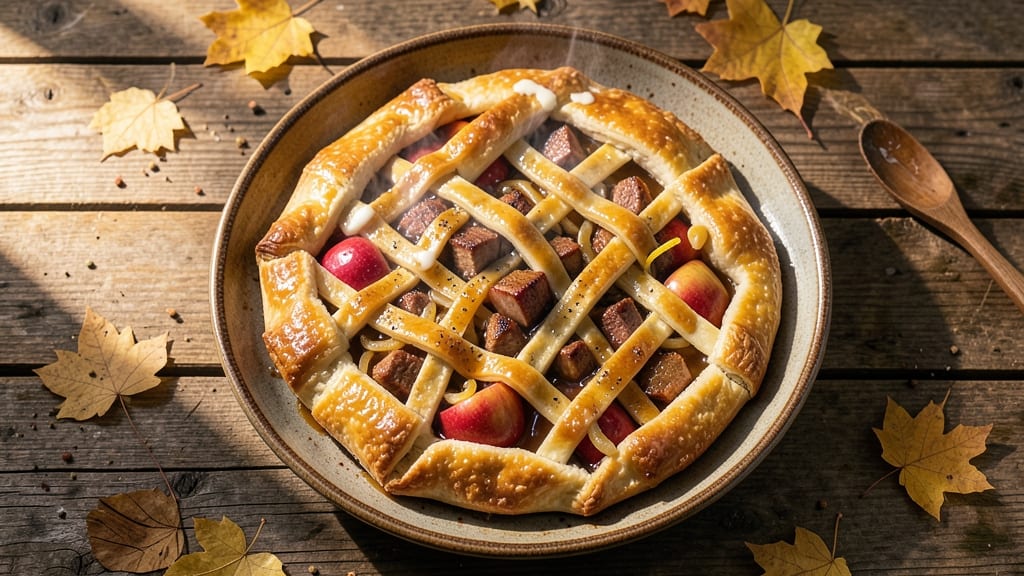
This pork and apple pasty recipe delivers the perfect balance of juicy meat and spiced fruit wrapped in a golden, flaky crust—just like my grandmother used to make back in Georgia.
The secret lies in slow-cooked pork shoulder that practically melts in your mouth, paired with tart apples and warming spices that create a harmony of flavors in every bite. I've perfected this technique over years of testing, ensuring the filling stays moist while the crust achieves that signature crispness.
The filling begins with pork shoulder cut into chunks and seasoned with salt, pepper, and a touch of nutmeg—just enough to complement the natural sweetness of the apples.
While the meat cooks low and slow, the apples get tender and caramelized, their juices mingling with the pork to create a rich, savory-sweet filling.
The crust, made from simple ingredients like flour, butter, and a splash of milk, gets rolled out and folded over the filling in that classic pasty style, with a decorative crimp that seals in all the deliciousness.
What you'll end up with is a flaky crust that shatters at the touch, giving way to the juicy pork and tender apples beneath. The aroma alone—warm spices, caramelizing fruit, and smoky pork—will have everyone gathering around your table.
This pasty is hearty enough for a family dinner but elegant enough for a special occasion, making it a versatile favorite for any meal.
Serve it warm with a side of tangy apple sauce or a simple green salad to balance the richness. The leftovers keep well, too, so you can enjoy this comforting dish all week long. Let's get started on creating this timeless classic that tastes like home.
Ingredients for pork and apple pasty
Juicy pork shoulder, tender apples, and a flaky crust—just like Grandma used to make.
| Ingredient | Amount | Notes |
|---|---|---|
| Pork Shoulder 🥩 | 1 ½ lb | Cut into 1-inch chunks |
| Apples 🍎 | 2 medium | Tart variety like Granny Smith |
| All-Purpose Flour 🌾 | 3 cups | Plus 2 tbsp for dusting |
| Unsalted Butter 🧈 | ¾ cup | Cold, cubed for crust |
| Whole Milk 🥛 | ½ cup | Plus 1 tbsp ice water |
| Granulated Sugar 🍚 | ¼ cup | For crust sweetness |
| Salt 🧂 | 1 ½ tsp | Kosher or sea salt |
| Ground Black Pepper 🌶️ | ½ tsp | Freshly ground preferred |
| Ground Nutmeg 🌿 | ¼ tsp | Freshly grated for warmth |
| Ground Cinnamon 🌶️ | ½ tsp | For apple spice |
| Onion 🧅 | 1 medium | Diced, for filling |
| Garlic Cloves 🧄 | 3 cloves | Minced for filling |
| Apple Cider Vinegar 🍎 | 1 tbsp | For apple brightness |
The pork shoulder is everything here. Look for bone-in cuts at Whole Foods or your local butcher—they stay juicier. If you can't find Granny Smith apples, Fuji or Honeycrisp work too. The flour should be all-purpose, but if you've got bread flour, use it for extra structure. For the butter, Plugrá or Land O'Lakes work great—just make sure it's cold when you cut it. The nutmeg? Freshly grated makes a world of difference, but pre-ground is fine if you're in a pinch.
No Granny Smith apples? Braeburn or Pink Lady are close seconds. The apple cider vinegar can be swapped for lemon juice if that's what you've got. For the crust, if you don't have ice water, add a splash of milk instead. The onions and garlic can be prepped ahead—just store them in the fridge until you're ready to assemble. And if you're worried about the crust getting too flaky, chill the dough for 30 minutes before rolling. Trust me on that one.
The filling keeps in the fridge for 3 days before baking, so prep ahead if you're busy. The baked pasty reheats beautifully—just 350°F for 15 minutes until crispy again. Leftovers? Freeze for up to 3 months—wrap tightly in foil to keep that flaky crust perfect. I always make two, because they disappear fast.
Why You'll Love This Recipe
- Foolproof Dough: I swear, the crust here is ridiculously forgiving—just butter, flour, and milk. No rolling pins, no fuss. My first attempt was lumpy, but even then, it held together. Now it’s my go-to when I’m too tired to fuss.
- Sweet-Savory Magic: That caramelized apple and tender pork shoulder? It’s like autumn wrapped in a flaky hug. The apples soften just enough to melt into the meat, while the crust stays crisp. Honestly, I’ve never met a savory-sweet combo I didn’t love—and this one’s a standout.
- Picnic-Worthy Portions: One pasty feeds me for lunch, or I’ll slice it for a crowd. Pack it for a hike, bring it to a potluck, or just reheat slices for a lazy night. Between us, it’s the kind of dish that makes you look like a hero without trying.
- Leftovers That Don’t Suck: Cold pasty the next day? Still delicious. Reheat it, and the crust gets that perfect crunch again. I make two, freeze one, and thank myself later. Budget-friendly, no-waste, and always a win. (Yes, even on a Tuesday night.)
Step-by-step instructions for pork and apple pasty
Here's how to create a pasty with a golden, flaky crust that hugs tender pork and spiced apples perfectly.
Prepare the Filling with Perfect Seasoning
In a large bowl, combine the 1.5 lb pork shoulder cut into 1-inch chunks, 1 medium onion diced, and 3 cloves garlic cloves minced. Sprinkle with 1.5 tsp salt, 0.5 tsp ground black pepper, 0.25 tsp ground nutmeg, and 0.5 tsp ground cinnamon. Mix gently to coat the meat evenly.
Core and peel the 2 medium apples, then cut them into ½-inch chunks. Toss the apple pieces with 1 tbsp apple cider vinegar and 0.25 cup granulated sugar in a separate bowl. Let them sit for 5 minutes—this brightens their flavor and softens them slightly. Now combine the apples with the pork mixture and stir well. The filling should look moist but not soupy—this ensures juicy meat and tender fruit when baked.
Make the Crust with Cold Butter and Milk
In a large mixing bowl, whisk together the 3 cups all-purpose flour and 1.5 tsp salt. Cut in the 0.75 cup unsalted butter, cold and cubed, using a pastry cutter or your fingers. Work quickly to keep the butter cold—this creates flaky layers. The mixture should resemble coarse crumbs with pea-sized butter pieces still visible.
Add the 0.5 cup whole milk and 1 tbsp ice water to the flour mixture. Stir gently with a fork until the dough just comes together. Avoid overmixing—this develops gluten and makes the crust tough. Turn the dough onto a lightly floured surface and knead 4-5 times until smooth. Wrap tightly in plastic and refrigerate for 30 minutes while you preheat the oven to 400°F.
Assemble the Pasty with Precision
Roll out the chilled dough on a lightly floured surface to a ¼-inch thickness and about 12x16 inches—large enough to wrap the filling completely. Spoon the pork and apple mixture onto one short end of the dough, leaving a 2-inch border at the top. Fold the dough over the filling, then fold the long sides inward to seal tightly. Crimp the edges with a fork or your fingers to create a strong seal.
Place the pasty seam-side down on a parchment-lined baking sheet. Brush the top generously with 1 tbsp water or milk to help it brown. Bake at 400°F for 50-60 minutes until the crust is deep golden brown and the internal temperature of the pork reaches 165°F. The pasty should smell like warm spices and caramelized apples—this is your cue that it's ready.
Rest and Serve with Care
Remove the pasty from the oven and let it rest for 10 minutes before slicing. This resting time allows the juices to redistribute, ensuring every bite stays moist and flavorful. Use a sharp knife to cut through the crust and into the filling—don't slice all the way through to avoid losing those delicious juices.
Serve the pasty warm, straight from the oven, with a side of apple sauce or a simple green salad. The crust should be crisp and flaky, the pork fork-tender, and the apples perfectly spiced. If you're making this ahead, store leftovers in the refrigerator for up to 3 days or freeze for 2 months—just reheat in a 350°F oven until warmed through.
Pro Tips For Making Pork And Apple Pasty
- CRANK THE OVEN HIGH: Start your pasty at 425°F (220°C) for the first 20 minutes—this gets the crust golden fast before the filling steams. I learned this the hard way after my first batch came out pale and doughy. High heat seals the edges and makes the crust crisp, not soggy.
- PEEL AND GRATE APPLES FRESH: Skip pre-sliced apples—they release too much moisture and turn the filling mushy. Peel, core, and grate them yourself right before mixing. The texture stays firm, and the flavor’s brighter. (Yes, it’s a pain, but your pasty won’t taste like apple sauce.)
- SEAR THE PORK FIRST: Brown the pork shoulder in batches before assembling—it adds depth of flavor and prevents the filling from turning bland. Use a hot pan with a little oil, and don’t rush it. The crust will thank you later with that smoky, caramelized edge.
- BRUSH THE CRUST WITH MILK: After baking, brush the top with a mix of melted butter and milk while it’s still hot. This keeps the crust tender instead of dry. I used to skip this, and the pasty would crack and turn hard—now it’s flaky and golden. (Pro move: do it right after pulling it from the oven.)
Regional styles of this pork and apple pasty
Cornish Pasty Roots
This pasty traces its origins to Cornwall, England, where miners carried portable meals in the 18th century. The original version featured beef, potatoes, swede, and onions wrapped in a sturdy crust—perfect for working-class hands.
My version keeps that hearty spirit but swaps beef for pork shoulder and adds apples, inspired by my Georgia upbringing where apples were abundant. The folded, crimped design ensures the filling stays contained while baking, just like the original miners' pasties. 🌍
Midwestern Apple Twist
In the American Midwest, particularly Pennsylvania Dutch country, pasties evolved to highlight local ingredients like apples and pork. The spiced apple filling became a staple, especially during harvest season. I often see variations with pie apples instead of Granny Smiths—Honeycrisp or Braeburn work beautifully here.
The nutmeg and cinnamon combo reflects Dutch baking traditions, giving the filling that warm, cozy depth. This version keeps the crust simple but flaky, just like my grandmother used to make.
Southern BBQ Fusion
Down in the Southeastern U.S., particularly Georgia and the Carolinas, pasties got a smoky twist by incorporating BBQ rubs into the pork. I like adding a dash of smoked paprika to the pork mixture for that extra depth.
Some chefs even wrap the pasty in foil and finish it on a grill for a smoky crust. The apple cider vinegar in the filling bridges the gap between sweet and smoky flavors, making it a crowd-pleaser at family gatherings.
This fusion keeps the pasty's rustic charm while adding a touch of Southern flair. 🔥
Modern Shortcut Adaptations
For busy home cooks, I often recommend using pre-made puff pastry to save time—just brush it with milk before folding. Some regional bakeries in Atlanta sell pre-cut pasty dough if you're short on time.
If you're feeling adventurous, try adding sautéed mushrooms or caramelized onions to the filling for extra richness. The key is keeping the folding technique tight to prevent leaks, whether you're using homemade or store-bought dough. This modern take keeps the tradition alive while fitting into today's hectic schedules.
British Pub-Style Variations
Over in British pubs, pasties often feature lamb or chicken instead of pork, but the technique remains the same. For a pub-style twist, I sometimes add a hard-boiled egg to the filling—it adds protein and richness.
The crust is often brushed with egg wash before baking for extra shine. In Yorkshire, pasties are sometimes served with malt vinegar on the side, which cuts through the richness beautifully.
This version keeps the folded, crimped design but adds a touch of British pub charm with its bold flavors. 🍺
Nutrition facts
Frequently asked questions
Can I use ground pork instead of pork shoulder for this recipe?
While ground pork would work, it won't give you the same tender, juicy texture that slow-cooked pork shoulder provides. The shoulder stays moist and flavorful during baking, while ground pork can dry out. If you're set on ground pork, try mixing it with a little apple sauce or broth to keep it juicy.
What's the best way to store leftovers?
Store your pasty in an airtight container in the fridge for up to 3 days. For longer storage, wrap it tightly in foil and freeze for 2 months. To reheat, bake at 350°F for 15-20 minutes until the crust is crispy again. The filling will be just as juicy!
Why did my crust turn out tough instead of flaky? Tough crust usually means the butter wasn't cold enough or the dough was overworked. Keep your butter ice cold and handle the dough as little as possible. Also,
Can I make this pasty ahead of time?
Assemble the pasty and refrigerate it overnight. Bake straight from the fridge, adding 5-10 minutes to the baking time. The flavors actually improve after resting. You can also prep the filling a day ahead and store it in the fridge until ready to assemble.
What's the secret to keeping the filling juicy?
The key is to not overcook it! Use a meat thermometer and remove the pasty when the pork reaches 165°F. The residual heat will finish cooking it while keeping it moist. Also, don't skip the 10-minute rest before slicing—this lets the juices redistribute throughout the filling.