
Sauces & Condiments
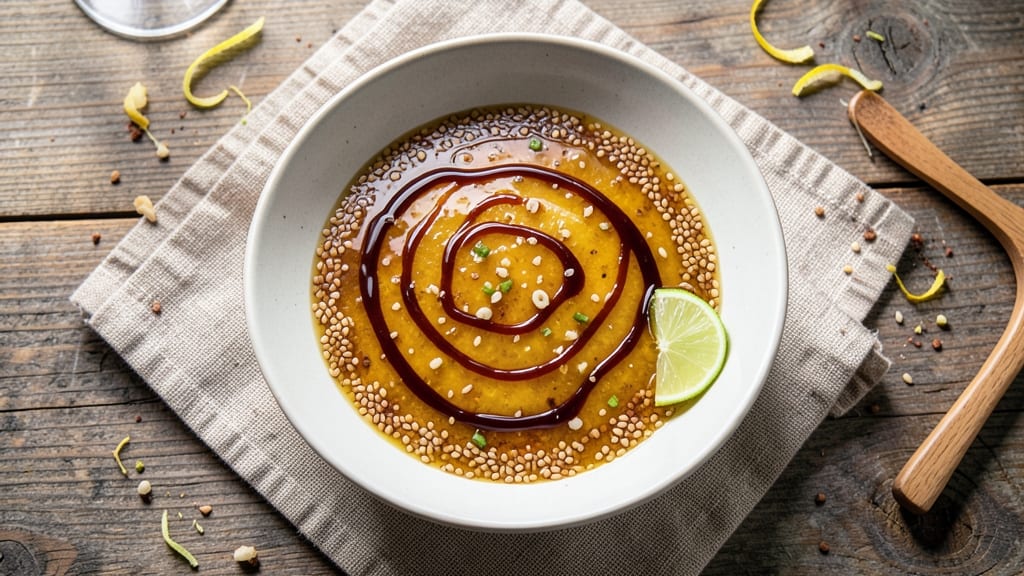
This pineapple stir-fry sauce recipe transforms ordinary stir-fries into vibrant, tropical masterpieces with just a few simple ingredients. The secret lies in balancing sweet pineapple juice with tangy soy sauce and aromatic ginger, creating a sauce that's both bold and versatile.
You'll be amazed at how this bright, slightly sticky glaze elevates any protein or vegetable combination.
The beauty of this sauce is its simplicity—just five pantry staples combine to create complex flavors. Fresh garlic and ginger provide depth, while honey rounds out the natural acidity of the pineapple.
What makes it truly special is how it caramelizes slightly when tossed with hot stir-fry, adding a subtle sweetness that pairs perfectly with everything from chicken and shrimp to tofu and bell peppers.
With 2 tablespoons of sauce per pound of protein or vegetables, you'll achieve that perfect balance of glossy, flavorful coating without overwhelming your dish. The sauce keeps well in the refrigerator for up to 2 weeks, making it ideal for meal prep.
Whether you're cooking for a crowd or just want to add excitement to a weeknight dinner, this tropical twist will quickly become your go-to stir-fry companion.
For extra depth, let the sauce sit for 10 minutes before using—this allows the flavors to meld beautifully. The result? A restaurant-quality glaze that's simple enough to make at home. Let's get started on creating your new favorite stir-fry sauce!
Ingredients for pineapple stir fry sauce
Five simple ingredients create this vibrant, tropical stir-fry sauce that's restaurant-quality easy.
| Ingredient | Amount | Notes |
|---|---|---|
| Pineapple Juice 🍍 | ½ cup | Freshly squeezed preferred |
| Soy Sauce 🥢 | ⅓ cup | Low-sodium preferred |
| Honey 🍯 | ¼ cup | Wildflower for floral notes |
| Fresh Ginger 🌿 | 2 tbsp | Grated finely for zing |
| Garlic Cloves 🧄 | 3 cloves | Minced for aromatic depth |
| Sesame Oil 🫒 | 1 tbsp | Toasted for nutty aroma |
| Rice Vinegar 🍶 | 1 tbsp | For tangy balance |
| Salt 🧂 | ½ tsp | Kosher or sea salt |
| Black Pepper 🌶️ | ¼ tsp | Freshly ground preferred |
The pineapple juice is the heart of this sauce—look for fresh, vibrant juice at the store, not that watery canned stuff. Trader Joe's and Whole Foods usually have great options. If you're using canned pineapple, drain it well and squeeze out every last drop. The honey should be wildflower or clover for that floral note that pairs perfectly with the tang. Fresh ginger and garlic are non-negotiable here—they make all the difference. Penzeys or your local Asian market will have the best ginger, often pre-grated for convenience.
No fresh ginger? Ginger powder at half the amount works in a pinch, but it won't have that same punch. Short on honey? Maple syrup or agave are good swaps, though they'll change the flavor slightly. The soy sauce can be tamari for gluten-free, but Kikkoman or La Choy work perfectly fine. Sesame oil is what gives this sauce that nutty aroma—don't skip it. If you're avoiding raw garlic, garlic powder at double the amount gets you close, though fresh is always better.
This sauce keeps beautifully in the fridge for 2 weeks—just store it in an airtight container. I like to make a double batch so I always have some on hand. It reheats perfectly, though I usually use it fresh. For extra shine, give it a quick stir before using. The flavors meld even better if you let it sit for 10 minutes before tossing with your stir-fry. That's when the magic happens—when the caramelization starts and the sauce becomes truly irresistible.
Why You'll Love This Recipe
- Five-Ingredient Magic: I swear by this—just juice, soy, honey, ginger, and garlic. No fancy pantry trips, no last-minute grocery runs. Honestly, I keep a jar of pineapple juice in the fridge just for this, and it’s already there when I need it.
- Sweet-Savory Balance: That honey and ginger combo? It’s like a flavor hug. The garlic gives it a punch, but the pineapple keeps it bright and tangy—no aftertaste, just pure satisfaction. (Yes, even on a Tuesday night.)
- Meal Prep MVP: This sauce lasts forever in the fridge, and it’s the secret to turning weeknight stir-fries into something special. Toss it with chicken, tofu, or veggies—it’s my go-to for lunches when I’m too tired to cook.
- Budget Brightener: Soy sauce and pineapple juice are cheap staples, but they make everything taste like you spent hours in the kitchen. Between us, this is how I feed a crowd without breaking the bank.
Step-by-step instructions for tropical pineapple stir-fry sauce
This bright, tangy sauce comes together in minutes with simple pantry staples.
Prepare the Aromatics
In a small bowl, finely grate the 2 tablespoons of fresh ginger using a microplane or fine grater. This ensures you get maximum zing without stringy bits. In another small bowl, mince the 3 cloves garlic as finely as possible—this will dissolve completely into the sauce for even flavor distribution.
I like to press the garlic with the flat side of my knife first to soften it before mincing. This prevents those stubborn cloves from staying whole and makes the sauce smoother. Set both aside until ready to use.
Combine Wet Ingredients
In a medium saucepan, whisk together the 0.5 cup pineapple juice, 0.33 cup soy sauce, 0.25 cup honey, and 1 tablespoon rice vinegar. I prefer to use freshly squeezed pineapple juice here—it adds a vibrant brightness that bottled juice can't match. Bring the mixture to a gentle simmer over medium heat, stirring occasionally to help the honey dissolve completely.
Watch for small bubbles forming around the edges of the pan—that's your signal the mixture is heating through. If it starts to bubble vigorously, reduce the heat slightly to maintain a gentle simmer. This step should take about 3-4 minutes.
Add Aromatics and Simmer
Once the mixture is simmering gently, add the grated ginger and minced garlic. Stir well to combine, then let the sauce simmer for another 4-5 minutes until it begins to thicken slightly. You'll notice the aroma become more complex—the ginger's zesty notes will mingle with the pineapple's sweetness, while the garlic adds depth.
Here's where it gets good: taste the sauce now. It should be sweet, tangy, and slightly salty, but still have a bright pineapple flavor. If you want it more tangy, add a splash more rice vinegar. If it needs more sweetness, stir in a bit more honey. The beauty of this sauce is how customizable it is.
Finish with Seasonings
Remove the sauce from heat and let it cool slightly for 2-3 minutes. This prevents the sesame oil from cooking off its delicate aroma. Then stir in the 1 tablespoon sesame oil, 0.5 teaspoon salt, and 0.25 teaspoon black pepper. The sesame oil should coat the sauce, adding a nutty aroma and rich texture.
Let the sauce sit for another 5 minutes before using it. This resting time allows all the flavors to meld together perfectly. The sauce will thicken slightly as it cools, which is exactly what you want for that perfect stir-fry consistency. It should coat the back of a spoon but still be pourable.
Adjust and Use Immediately
Give the sauce one final taste and adjust the seasoning if needed. A splash of pineapple juice can brighten it up, while a pinch more salt can enhance the flavors. This sauce works beautifully with chicken, shrimp, tofu, or even vegetables in your stir-fry.
For best results, use the sauce immediately while it's still warm. The flavors will continue to develop as it sits, but it's at its peak freshness right after you make it. Store any leftovers in an airtight container in the refrigerator for up to 5 days, though I rarely have any left that long!
Pro Tips For Making Pineapple Stir Fry Sauce
- Simmer the Ginger Low: After burning three batches of sauce, I finally learned to add fresh ginger last—once the pineapple juice and soy sauce are already simmering. Toss in those slices, let them melt into the sauce for just 2-3 minutes, then strain. This keeps the flavor bright without bitterness.
- Balance the Honey Gradually: Don’t dump the honey all at once—add half first, taste, then adjust. The sauce needs the sweetness to cut through the pineapple’s acidity, but too much upfront makes the garlic and ginger taste like afterthoughts. Stir in the rest while tasting.
- Mince Garlic Like You Mean It: I used to crush cloves with the flat of my knife, but that leaves uneven chunks. For this sauce, actually mince the garlic—small, even pieces so they dissolve completely. No one wants to taste garlic bits in their stir-fry.
- Strain for Smoothness: Skip the food processor—ginger and garlic fibers turn the sauce gritty. After simmering, strain through a fine-mesh sieve or cheesecloth. It’s extra work, but the result is silky, not muddy. (Yes, even if you’re impatient like me.)
Best sauces and condiments for this pineapple stir fry sauce
Sweet & Tangy Balance
This sauce thrives on balancing pineapple's natural sweetness with rice vinegar's tang and soy sauce's umami. Start with the exact measurements, but don't be afraid to tweak—add 1 extra teaspoon of honey if you prefer richer sweetness or ½ teaspoon more vinegar for extra zing.
The key is maintaining that tropical brightness while keeping the sauce cohesive. 🌶️
For a deeper flavor profile, I sometimes add 1 teaspoon of lime juice after cooking—it brightens the pineapple notes beautifully. If you're using bottled pineapple juice, reduce the honey slightly since bottled versions tend to be sweeter. The sauce should taste complex, not one-dimensional.
Protein Pairings
This sauce shines with grilled shrimp—the natural sweetness of the pineapple complements the shrimp's delicate flavor perfectly. For chicken, use 2 tablespoons of sauce per pound and let it marinate for 10 minutes before cooking.
With tofu, the sauce's tanginess helps cut through the neutral base, creating a restaurant-worthy dish.
For vegetables, I recommend bell peppers, snap peas, and carrots—their natural sweetness enhances the pineapple notes. If you're stir-frying pork tenderloin, the sauce's caramelization adds a beautiful glaze.
Always toss the sauce with your ingredients at the very end of cooking to maintain its vibrant color and glossy texture.
Vegetable Enhancers
Fresh cilantro or basil adds a bright, herbaceous note when stirred into the sauce just before serving. For a smoky twist, add ½ teaspoon of smoked paprika while simmering. The sauce also works beautifully with edamame—the nutty beans balance the tropical flavors perfectly. 🥬
If you're serving with rice or noodles, drizzle the sauce lightly over the top instead of mixing it in. This creates a more elegant presentation while keeping the sauce's vibrant color intact. For extra richness, finish with a sprinkle of toasted sesame seeds or crushed peanuts.
Storage Secrets
Store leftover sauce in an airtight glass container in the refrigerator for up to 2 weeks. The flavors actually improve over time as the ingredients meld together. For longer storage, freeze in ice cube trays—each cube makes a perfect single-serving portion for quick stir-fries. 🧊
When reheating, warm the sauce gently over low heat or in the microwave at 50% power for 20-30 seconds. Avoid boiling, as this can make the sauce too thick. If it separates, simply stir vigorously to recombine. The sauce reheats beautifully and maintains its vibrant color and flavor.
Nutrition facts
Frequently asked questions
Can I substitute bottled pineapple juice for fresh?
Yes, but adjust the honey slightly. Bottled pineapple juice is often sweeter, so reduce the honey by 1-2 teaspoons to maintain balance. Fresh pineapple juice provides brighter acidity that enhances the sauce's tropical character. If using canned pineapple, drain it well and squeeze out excess liquid for the best results.
How much sauce should I use for different proteins?
Use 2 tablespoons of sauce per pound of protein or vegetables. For shrimp and tofu, this amount creates a perfect glaze. Chicken and pork may need 1 extra tablespoon per pound since they absorb more. Always add the sauce at the very end of cooking to preserve its vibrant color and glossy texture.
Can I make this sauce without honey?
Yes, substitute honey with 2 tablespoons of maple syrup or agave for a similar sweetness level. If you prefer less sweetness, reduce the pineapple juice by 2 tablespoons and add 1 teaspoon of rice vinegar instead. The sauce will still have depth, though the flavor profile will be slightly different.
Why does my sauce get too thick when reheating?
This happens when the sauce reduces too much during reheating. To fix it, stir in 1-2 teaspoons of water or pineapple juice while warming. The sauce thickens naturally as it cools, so reheat gently over low heat or in the microwave at 50% power for 20-30 seconds to maintain the perfect consistency.
What's the best way to store leftovers?
Store in an airtight glass container in the refrigerator for up to 2 weeks. For longer storage, freeze in ice cube trays—each cube makes a perfect single-serving portion. When reheating, warm gently to preserve texture and flavor. The sauce actually tastes better after a few days as flavors meld together!