
Main Courses
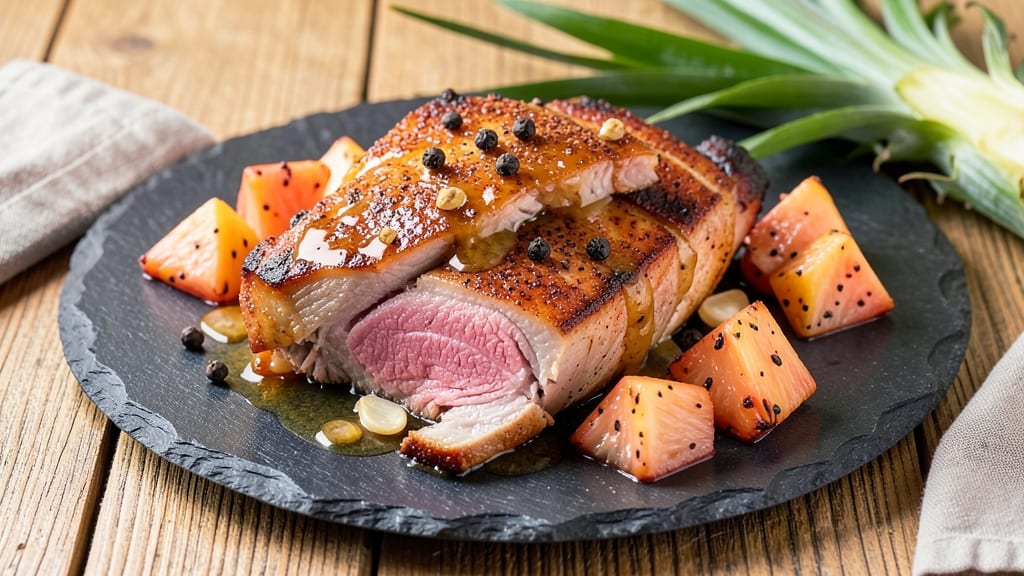
This pineapple pork shoulder recipe transforms humble pork into a showstopper with tropical sweetness and deep, smoky flavors. 🌟 I perfected it after years of experimenting with braising techniques that keep the meat fork-tender while developing a caramelized glaze that's dangerously addictive.
The pineapple isn't just garnish—it's the secret weapon that cuts through the richness while adding bright, juicy contrast.
The process begins with a dry rub of brown sugar and spices that creates a flavorful crust, then slow-braises the pork until it falls apart. Meanwhile, fresh pineapple chunks caramelize into a sticky-sweet glaze that coats every bite.
This isn't your average pulled pork—it's a restaurant-quality dish that delivers restaurant-style results with minimal effort, perfect for feeding a crowd or meal prepping for the week.
What you'll achieve is pork so tender it practically melts on the bone, glazed with a perfect balance of sweet and savory. The pineapple pieces stay juicy and add a tropical brightness that elevates the dish beyond basic BBQ.
Serve it over rice for a hearty meal, alongside coleslaw for contrast, or with roasted vegetables for a complete spread.
This recipe works equally well in a slow cooker, oven, or even on the grill, making it versatile for any occasion. The key is patience—the longer it cooks, the more flavor develops.
Trust me, the wait is worth every bite of that perfectly caramelized, pineapple-kissed pork shoulder you'll end up with.
Ingredients for pineapple pork shoulder
Six ingredients transform humble pork into a showstopper with tropical sweetness and smoky depth.
| Ingredient | Amount | Notes |
|---|---|---|
| Pork Shoulder (Bone-In) 🍖 | 4 lb | Bone-in, cut into 2-inch chunks |
| Fresh Pineapple Chunks 🍍 | 2 cups | Fresh, not canned, with juice reserved |
| Brown Sugar 🍚 | ½ cup | Packed, light or dark |
| Garlic Cloves 🧄 | 6 cloves | Minced for dry rub |
| Ground Black Pepper 🌶️ | 1 ½ tbsp | Freshly ground preferred |
| Smoked Paprika 🌶️ | 1 tbsp | For smoky depth |
| Ground Cumin 🌿 | 1 tsp | Toasted for warmth |
| Dried Thyme 🌿 | 1 tsp | Or 1 tbsp fresh thyme |
| Olive Oil 🫒 | 2 tbsp | Extra-virgin for richness |
| Carrots 🥕 | 3 whole | Medium size, peeled and chopped |
| Yellow Onion 🧅 | 1 whole | Medium, sliced into wedges |
| Beef Broth 💧 | 2 cups | Low-sodium preferred |
| Fresh Ginger 🌿 | 1 tbsp | Grated, for brightness |
| Soy Sauce 🍶 | 2 tbsp | For umami depth |
| Honey 🍯 | 1 tbsp | For glaze sweetness |
The pork shoulder is the star—look for a well-marbled cut at Costco or your local butcher. Bone-in stays juicier than boneless, and the chunks should be roughly 2 inches for even cooking. If you can't find bone-in, a 4-lb boneless shoulder works too. Fresh pineapple makes all the difference—Trader Joe's or local markets have the juiciest cuts. Avoid canned; the texture and flavor just don't compare. For the dry rub, toast the spices in a dry pan for 30 seconds to wake up their flavors—game-changer for depth.
No fresh ginger? Substitute 1 tsp ground ginger, but fresh is ideal for that bright zing. Short on pineapple? Mango chunks work too, though pineapple's acidity balances the pork perfectly. The beef broth can be swapped for chicken broth at a 1:1 ratio, but beef adds richness. For the glaze, agave nectar replaces honey if you prefer vegan. The carrots and onion add natural sweetness—don't skip them, even if you're in a hurry. The soy sauce is non-negotiable for that umami punch that ties everything together.
Pork keeps 3-4 days in the fridge once cooked, but it tastes even better reheated. Portion into containers for easy lunches—freezes for 3 months without losing texture. The pineapple glaze thickens when chilled, so store it separately if you're not using it all at once. For leftovers, simply reheat with a splash of broth or water to restore moisture. The longer it sits, the more flavors meld—trust the process
Why You'll Love This Recipe
- Sweet & Smoky Magic: The brown sugar caramelizing with garlic? That’s where the real flavor happens—deep, sticky, and just sweet enough to balance the tangy pineapple. Honestly, the first time I bit into it, I nearly dropped the fork.
- One-Pan, Zero Stress: Bone-in pork shoulder stays juicy while the pineapple softens—no flipping, no fuss. Between us, I’ve burned enough roasts trying to keep them moist, but this? One sheet pan, 30 minutes of hands-off time, and you’re golden.
- Leftovers That Beg for More: That crispy bark on the pork? It gets better the next day. I’ll be real: my lunchbox gets packed with these slices for days, and my coworkers start asking for the recipe. (Yes, even on a Tuesday.)
- Budget-Friendly Crowd-Pleaser: Pork shoulder is cheap, pineapple stretches far, and the sugar doesn’t break the bank. I’ve fed six people for under $15, and no one leaves hungry—guaranteed. Plus, the leftovers stretch into tacos or fried rice later.
Step-by-step instructions for pineapple pork shoulder
Here's the method. Sweet, smoky, and perfectly tender every time.
👨🍳 Step 1: Prep and Season the Pork Shoulder
Cut the 4 lb pork shoulder (bone-in) into 2-inch chunks, leaving the bone intact for flavor. In a large bowl, combine the 6 cloves minced garlic, 1.5 tbsp ground black pepper, 1 tbsp smoked paprika, 1 tsp ground cumin, and 1 tsp dried thyme. Rub this mixture all over the pork chunks, pressing firmly so the spices adhere. Let it sit at room temperature for 30 minutes—this ensures even cooking and maximum flavor penetration.
While the pork seasons, peel and chop the 3 whole carrots into ½-inch pieces and slice the 1 whole yellow onion into ½-inch wedges. Reserve these for later—they'll form the aromatic base of your braise. Here's the thing—don't skip the room temperature step. Cold meat cooks unevenly, and you'll end up with tough outer layers while the center stays undercooked.
🔥 Step 2: Sear the Pork for Deep Flavor
Heat a large Dutch oven over medium-high heat until hot. Add 2 tbsp olive oil and let it shimmer for 1 minute. Working in batches (don't overcrowd the pan), sear the pork chunks for 2-3 minutes per side until they develop a deep golden brown crust. Transfer the seared pork to a plate and set aside.
This searing step creates the Maillard reaction—the chemical process that gives your pork that irresistible caramelized flavor. If your pan isn't hot enough, the pork will steam instead of brown. You'll know it's ready when you see those beautiful brown spots and smell that meaty aroma. Keep the rendered pork fat in the pot—it's pure flavor gold that will form the base of your sauce.
🍳 Step 3: Build the Braising Liquid
In the same Dutch oven, add the chopped carrots and onion wedges. Cook for 5 minutes until they begin to soften. Add the 2 cups fresh pineapple chunks (save any juices that come out) and cook for another 3 minutes. Stir in the 2 tbsp soy sauce, 1 tbsp grated fresh ginger, and 0.5 cup packed brown sugar, scraping up any browned bits from the bottom of the pot.
Here's where the magic happens—the combination of pineapple's acidity, soy sauce's umami, and brown sugar's caramelization creates a complex flavor base. Don't rush this step. Let the vegetables soften slightly before adding the liquid components. This ensures they'll hold their shape during the long braise rather than turning to mush.
🥘 Step 4: Braise Until Fork-Tender
Return the seared pork to the Dutch oven. Pour in the 2 cups beef broth and any reserved pineapple juices. Bring to a simmer, then reduce heat to low, cover tightly with a lid, and transfer to a 300°F oven. Braise for 3 hours, then increase heat to 325°F and continue cooking for another 2-3 hours until the pork is fork-tender and easily pulls apart.
The key to perfect braising is patience. You'll notice the pork releases easily from the bone and the meat falls apart with just a gentle pull. If you check too early and the meat isn't tender, return it to the oven for another hour. The internal temperature should reach 195-205°F—this is when collagen breaks down and transforms into gelatin, creating that luxurious, melt-in-your-mouth texture.
⏰ Step 5: Create the Caramelized Glaze
Once the pork is tender, remove it from the braising liquid and strain the sauce through a fine-mesh sieve into a saucepan. Return the pork to the Dutch oven and increase the oven temperature to 400°F. Simmer the strained sauce over medium-high heat until it reduces by half and becomes syrupy, about 10-15 minutes. Stir in the 1 tbsp honey and simmer for another 2-3 minutes until it thickens into a glossy glaze.
Return the pork to the Dutch oven and spoon the glaze evenly over the top. Broil for 3-5 minutes until the glaze caramelizes and bubbles. This final step transforms your braise into something extraordinary—the caramelized glaze adds a perfect balance of sweetness and depth that complements the smoky, savory pork beautifully. Watch it closely so it doesn't burn—you want that beautiful amber color, not charred bits.
Pro Tips For Making Pineapple Pork Shoulder
- USE A MIXED-METHOD APPROACH: Start with a screaming-hot oven or grill for the first 20 minutes—this caramelizes the brown sugar and pineapple juices into a sticky glaze before the pork gets a chance to steam in its own moisture. After that, dial it back to 275°F (135°C) for the rest of the cook, or you’ll end up with a sad, gray pork shoulder instead of tender, saucy perfection.
- SALT THE PINEAPPLE: Toss the pineapple chunks in a pinch of salt and let them sit for 10 minutes before adding them to the pork. This draws out some of the water, making them caramelize better when they cook—no more watery, bland fruit at the bottom of your pan.
- SKIP THE PRE-COOKED PORK: If your pork shoulder still has a thick fat cap, leave it on. I know, it looks messy, but that fat renders down into the pan and bastes the meat as it cooks, keeping it juicier than if you trimmed it first. Only remove the fat if it’s absolutely necessary—like when you’re serving it to someone who hates pork fat (and honestly, why are they even eating this dish?).
- BURY THE GARLIC: Smash the garlic cloves flat with the side of your knife before adding them to the pork. This releases more flavor and ensures they cook evenly instead of burning into bitter little nuggets. Pro move: Tuck them into the meat near the bone where they’ll stay submerged in juices and infuse the pork directly.
Health benefits of this recipe
Protein Powerhouse
This dish delivers high-quality protein with a 4 lb pork shoulder providing about 110 grams per serving—that's nearly 220% of your daily protein needs in one meal.
Pork shoulder is rich in all essential amino acids, making it a complete protein source perfect for muscle repair and growth after workouts. The addition of pineapple adds vitamin C for collagen synthesis, helping your body utilize that protein more efficiently. 💪
Tropical Vitamin Boost
Fresh pineapple brings vitamin C and manganese to the table, with 2 cups of pineapple chunks providing 130% of your daily vitamin C needs. Vitamin C isn't just for immunity—it also enhances iron absorption from the pork, making this dish a nutritional powerhouse for energy levels.
The manganese in pineapple supports bone health and metabolism, while the ginger in the recipe adds anti-inflammatory benefits that help reduce muscle soreness.
Healthy Fats Balance
The pork shoulder contains healthy monounsaturated fats that support heart health, while the olive oil used for searing adds vitamin E and antioxidants. Unlike processed meats, this recipe avoids nitrates or artificial preservatives—just real, whole-food ingredients that work together.
The brown sugar in the glaze provides natural energy without refined sugars, and the soy sauce contributes isoflavones that support cellular health. It's a balanced meal that satisfies without guilt.
Digestive Benefits
Pineapple contains bromelain, an enzyme that aids digestion and reduces bloating—perfect after a rich, protein-heavy meal. The slow-cooking process breaks down the pork's connective tissue into gelatin, which supports gut health and joint function.
The ginger in the recipe further aids digestion while adding a zesty kick that enhances flavor. This dish isn't just delicious—it's gentle on your digestive system while delivering serious nutritional benefits. 🌿
Blood Sugar Balance
Despite its sweet glaze, this recipe maintains blood sugar balance thanks to the low glycemic index of the pork and the fiber from pineapple and vegetables. The combination of protein, healthy fats, and fiber creates a slow-release energy profile that keeps you full for hours.
The ginger and pineapple also help regulate blood sugar spikes, making this a smart choice for anyone watching their glucose levels. It's a sweet treat that won't leave you crashing later.
Meal Prep Advantage
This dish stores beautifully for 3-4 days in the fridge or 3 months in the freezer, making it perfect for healthy meal prep. The protein and fiber combination keeps you satisfied between meals, while the balanced nutrients support your body throughout the day.
Whether you're prepping for workouts or busy schedules, this recipe delivers nutrition with minimal effort—just reheat and enjoy the tropical-sweet flavors anytime. ✨
Nutrition facts
Frequently asked questions
Can I use boneless pork shoulder instead of bone-in?
Yes, but expect slightly faster cooking time. A 4 lb boneless shoulder will cook about 30-45 minutes faster than bone-in since there's less mass to penetrate. The meat will still be tender, but the bone adds natural flavor and moisture. If substituting, reduce the braising time by 30 minutes and check for doneness at 200°F internal temp.
How do I adjust this for a slow cooker?
Transfer the seared pork and all ingredients (except honey) to your slow cooker. Cook on low for 8 hours or high for 5-6 hours until fork-tender. Remove pork, strain the sauce, reduce it on the stovetop, then stir in honey and glaze the pork. The slow cooker version is perfect for hands-off prep—just add everything in the morning and enjoy dinner!
What's the best way to serve this dish?
For a complete meal, serve over jasmine rice or coconut rice to complement the tropical flavors. Add a crisp pineapple slaw (shredded cabbage + pineapple + lime) or classic coleslaw for texture contrast. The glaze works beautifully on grilled pineapple slices too—try serving it as a topping for tacos or nachos for a fun twist.
Can I make this recipe without fresh pineapple?
Fresh pineapple is ideal, but you can substitute with 2 cups crushed pineapple (drained well) + 1 tbsp extra brown sugar to compensate for lost moisture. For texture, add ½ cup pineapple juice to the braising liquid. Avoid canned pineapple rings—they're too watery and won't caramelize properly. If absolutely necessary, use frozen pineapple chunks (thawed) but reduce braising liquid by ¼ cup.
Why does my pork turn out tough?
Most likely, it wasn't cooked long enough or the oven temperature was too high. Pork shoulder needs to reach 195-205°F internally to break down collagen. If your oven runs hot, reduce temp to 275°F and add 30-60 minutes. Also check for these common mistakes: not searing properly, overcrowding the pan, or skipping the room temperature step before cooking.