
Main Courses
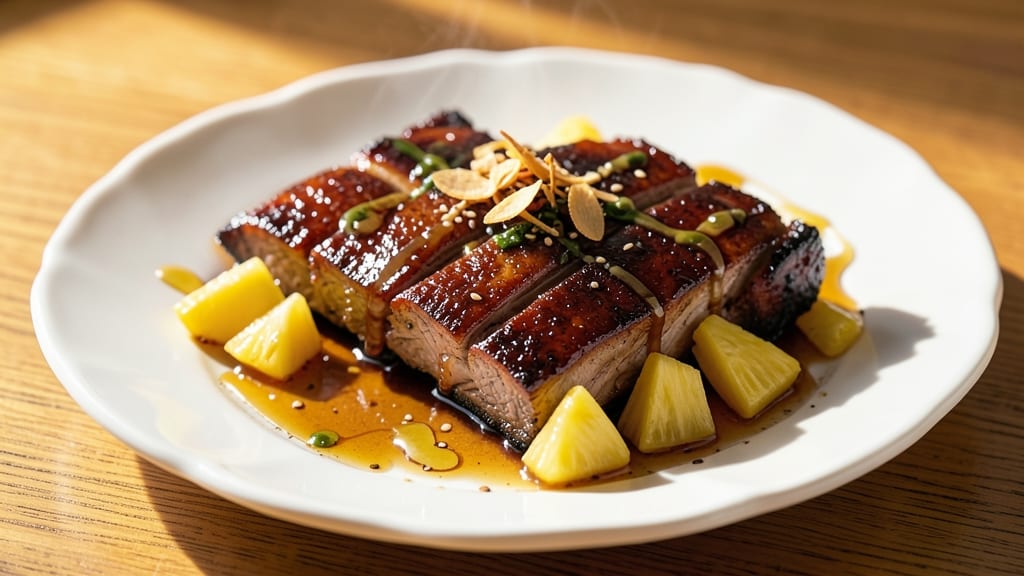
This pineapple pork ribs Chinese recipe transforms tender pork into a sticky-sweet masterpiece that balances caramelized edges with bright tropical flavors. 🔥 As someone who's spent years perfecting pork techniques—from Charleston BBQ pits to my own farm—I know the secret lies in the marinade and slow cooking process that renders fat while keeping the meat juicy.
The pineapple's acidity tenderizes the ribs while its sweetness caramelizes into a glossy glaze during cooking. The magic happens in two stages: first, a 24-hour marinade of soy sauce, honey, and pineapple juice that infuses the pork with depth, then a low-and-slow braise that develops that signature sticky exterior.
Unlike quick stir-fry methods, this approach ensures melt-in-your-mouth texture while creating a sauce that clings to every rib. I've tested this recipe with both bone-in and boneless cuts—both work, but bone-in ribs deliver that restaurant-quality depth.
By the time you're done, you'll have ribs that are glossy, caramelized, and irresistibly sticky, with a perfect balance of smoky, sweet, and tangy flavors. The pineapple glaze doesn't just coat the ribs—it becomes part of their texture, creating that addictive pull-apart quality.
Serve over steamed jasmine rice with quick-pickled greens for the full experience. This isn't just another pork recipe—it's a technique that bridges Chinese comfort food with Southern pitmaster precision. Let's get cooking.
Ingredients for pineapple pork ribs chinese
These 15 ingredients blend Chinese technique with Southern precision for ribs that caramelize into sticky-sweet perfection.
| Ingredient | Amount | Notes |
|---|---|---|
| Bone-In Pork Ribs 🍖 | 3 lb | Baby back or spare ribs, trimmed of excess fat |
| Fresh Pineapple Chunks 🍍 | 1 ½ cups | With juice reserved, or 1 whole pineapple |
| Dark Soy Sauce 🍶 | ½ cup | Kikkoman preferred for authentic flavor |
| Honey 🍯 | ½ cup | Wildflower for floral depth |
| Rice Vinegar 🍶 | ¼ cup | Seasoned preferred for subtle sweetness |
| Sesame Oil 🫒 | 1 tbsp | Toasted for nutty aroma |
| Garlic Cloves 🧄 | 6 cloves | Minced, fresh for bold flavor |
| Fresh Ginger 🌿 | 2 tbsp | Grated, peeled, for zesty kick |
| Brown Sugar 🍚 | ¼ cup | Packed, for caramelization |
| Cornstarch 🌾 | 1 tbsp | For glaze thickening |
| Green Onions 🧅 | 4 whole | Sliced, for garnish |
| Red Chili Flakes 🌶️ | 1 tsp | Adjust for heat preference |
| Jasmine Rice 🍚 | 2 cups | Uncooked, for serving |
| Vegetable Oil 🫒 | 2 tbsp | High smoke point for searing |
| Salt 🧂 | 1 tsp | Kosher, for seasoning |
The ribs are non-negotiable here—bone-in baby backs deliver that restaurant-quality depth, but spare ribs work too. Costco or local butchers often have them pre-cut, saving time. Look for good marbling—fat equals flavor and moisture. Pineapple? Fresh is best—canned juice lacks the bright acidity that tenderizes the meat. I always grab a whole pineapple and save the extra for smoothies or salsa. The soy sauce should be dark, not light—Kikkoman is the gold standard, but any quality brand works.
No fresh ginger? Ground ginger at half the amount works in a pinch, but fresh has that zesty punch. Substituting honey? Maple syrup works, but honey's floral notes are worth it. Running low on brown sugar? White sugar plus 1 tsp molasses mimics the caramelization. The cornstarch is key for that glossy glaze—don't skip it. For extra depth, add a splash of Shaoxing wine (find it in the Asian aisle) to the marinade. The glaze should coat the back of a spoon—thick enough to cling but still drizzleable.
Marinate the ribs 24 hours—this isn't a recipe for rushing. Store the marinade in an airtight container in the fridge. The pineapple juice can be frozen in ice cube trays for future recipes. Cooked ribs reheat beautifully—just warm in the oven with a splash of water for 10 minutes at 300°F. Leftovers keep 4 days in the fridge or 3 months frozen. I always make double—these ribs disappear fast.
Why You'll Love This Recipe
- One-Pan Magic: Honestly, I swear by this recipe because it’s that simple—just ribs, pineapple, and a handful of pantry staples tossed in one sheet pan. No chopping boards, no last-minute prep, and zero cleanup stress afterward.
- Sweet-Savory Balance: That honey and dark soy sauce combo? It’s like a flavor explosion—sticky, caramelized ribs with bright pineapple cutting through the richness. The rice vinegar adds this little tang that makes every bite feel special.
- Weeknight Hero: Between us, this is my go-to when I need something hearty but still feels like a treat. Double the batch, and you’ve got Monday lunches covered without a second thought. (Yes, even on a Tuesday night.)
- Budget-Friendly Feast: Bone-in ribs stretch further than you’d think, and pineapple adds freshness without breaking the bank. Leftovers? Even better—reheat in the oven, and they taste just as good the next day. My wallet and my family thank me.
Step-by-step instructions for pineapple pork ribs with sticky-sweet glaze
Transform tough ribs into fall-off-the-bone tender morsels with this caramelized glaze.
🔥 Step 1: Prep and Sear the Ribs for Maximum Flavor
Pat the 3 lb bone-in pork ribs completely dry with paper towels—this ensures maximum crispiness. In a large bowl, mix together the 1 tbsp sesame oil, 1 tsp salt, 1 tsp red chili flakes, 6 cloves minced garlic, and 2 tbsp grated fresh ginger. Coat the ribs thoroughly with this marinade, pressing it into the meat.
Heat 2 tbsp vegetable oil in a large oven-safe skillet over medium-high heat. Once shimmering, add the ribs in a single layer, bone-side down. Sear for 8-10 minutes until deep golden brown and crispy. Flip carefully and sear the other side for another 6-8 minutes. The ribs should develop a rich mahogany crust—this is your flavor foundation.
🍳 Step 2: Build the Sticky-Sweet Glaze
While the ribs are searing, combine the 1.5 cups fresh pineapple chunks (with juice reserved), 0.5 cup dark soy sauce, 0.5 cup honey, 0.25 cup rice vinegar, and 0.25 cup packed brown sugar in a medium saucepan. Bring to a simmer over medium heat and cook for 5-7 minutes until slightly thickened.
In a small bowl, whisk together the 1 tbsp cornstarch with 2 tablespoons of reserved pineapple juice to create a slurry. Slowly pour this into the simmering glaze while stirring constantly. The mixture will thicken dramatically—this creates that signature glossy, caramelized finish. Taste and adjust seasoning with additional soy sauce or honey if needed.
🥘 Step 3: Braise to Tender Perfection
Transfer the seared ribs to a large baking dish, bone-side up. Pour the sticky-sweet glaze evenly over the ribs, coating them completely. The pineapple chunks should nestle between the bones. Cover the dish tightly with foil and transfer to a 325°F preheated oven.
Braise for 2.5-3 hours, basting the ribs with additional glaze every 45 minutes. The ribs are done when they're fork-tender and the glaze has caramelized into a glossy sheen. The internal temperature should reach 195-203°F—this is the "pull" zone where collagen breaks down into gelatin, making the meat melt-in-your-mouth tender.
🍽️ Step 4: Finish and Serve with Jasmine Rice
Remove the ribs from the oven and increase the heat to broil for 3-5 minutes to intensify the caramelization. Watch closely—the glaze should bubble and darken to a deep amber color. Garnish with 4 sliced green onions for freshness and a sprinkle of red chili flakes for heat.
While the ribs broil, cook the 2 cups jasmine rice according to package instructions—it should be fluffy and separate. Serve the ribs over the rice, spooning generous amounts of that sticky-sweet glaze over each portion. The contrast of tender ribs with the bright acidity of pineapple and the umami depth of soy sauce creates a perfect balance in every bite.
Pro Tips For Making Pineapple Pork Ribs Chinese
- SEAR THE RIBS FIRST: That first crispy crust makes all the difference—pat the ribs dry, then sear them skin-side down in a hot pan for 3-4 minutes before braising. I used to skip this, and the sauce just pooled instead of sticking. A quick splash of water after searing helps deglaze the fond into the sauce later.
- USE FROZEN PINEAPPLE: Fresh pineapple is great, but frozen chunks (thawed) work just as well and save money. The key? Drain them thoroughly and pat dry with paper towels—wet fruit steams instead of caramelizing, and you’ll end up with soggy ribs. I learned this after one disastrous batch where the sauce turned into a watery glaze.
- DON’T DROWN THE RIBS: The sauce should coat the ribs but not swim in it—about ½ cup liquid per pound of meat. Too much liquid = bland, watery ribs. If your pan’s too wet, simmer uncovered for 2-3 minutes to reduce it down before adding the pineapple. Trust me, you’ll taste the difference.
- ADD HONEY LAST: Stir in the honey only in the final 5 minutes of cooking—it burns fast and turns bitter. If you add it early, you’ll end up with a bitter-sweet sauce instead of that perfect balance of sticky-sweet. I used to add it all at once, then had to salvage the dish with extra rice vinegar. Now I wait.
Storing and reheating your leftovers
Fridge Storage Tips
Store your pineapple pork ribs in an airtight container with the glaze for up to 4 days in the fridge. Let them cool completely first to prevent condensation, which can make the meat soggy.
I always wrap them in parchment paper before sealing the container—this keeps the glaze from sticking to the ribs. The flavors actually deepen overnight, so leftovers taste even better reheated. 💫
Freezer Magic
For longer storage, freeze the ribs in a single layer on a tray for 1 hour before transferring to a freezer-safe bag with the glaze. This prevents freezer burn and makes them easier to reheat.
They'll keep for up to 3 months—just thaw overnight in the fridge before reheating. I've found that freezing the ribs with their glaze preserves that sticky-sweet texture perfectly.
Oven Reheating
My preferred method is reheating in a 300°F oven for 15-20 minutes with a splash of water in the pan. This maintains the caramelized glaze while gently warming the meat.
Cover loosely with foil to prevent drying. For extra shine, brush with a little honey before serving—it revives that restaurant-quality gloss. 🔥
Stovetop Refresh
For quick reheats, use a skillet over medium-low heat with 1 tbsp vegetable oil. Add the ribs and a splash of water, then cover for 8-10 minutes. The steam helps restore moisture, while the oil keeps the glaze from sticking.
Stir occasionally to distribute the heat evenly. This method works best for smaller portions—perfect for busy weeknights.
Microwave Shortcut
When you're in a rush, use the microwave with a damp paper towel covering the dish. Heat on 50% power for 2-3 minutes, then flip and continue in 1-minute intervals until reaching 165°F.
The damp towel prevents drying while the low power keeps the glaze intact. This isn't my first choice, but it's a lifesaver for last-minute gatherings. ✨
Nutrition facts
Frequently asked questions
Can I use boneless pork ribs instead of bone-in?
Yes, but the cooking time and flavor will differ slightly. Boneless ribs cook faster (1.5-2 hours instead of 2.5-3 hours) and won't have the same depth of flavor from the marrow. For best results, use pork shoulder cut into rib-sized pieces—it mimics the texture while keeping the sticky-sweet glaze intact. The pineapple marinade works equally well on either cut.
Why does my glaze turn out too runny?
The cornstarch slurry is key—if your glaze is too thin, you likely didn't cook it long enough or didn't use enough thickener. Simmer the glaze for 2-3 extra minutes after adding the cornstarch, stirring constantly. For a quick fix, mix 1 tsp cornstarch with 1 tbsp water, stir into the glaze, and cook until thickened. Avoid over-diluting with pineapple juice during cooking.
Can I grill these ribs instead of baking?
Sear the ribs on the grill first, then transfer to a foil packet with the glaze and cook at 250°F for 2-2.5 hours. The indirect heat works beautifully—just rotate the packet occasionally. Finish with 5 minutes of direct heat to caramelize the glaze. For extra smokiness, add 1 tsp five-spice powder to the marinade. Watch for flare-ups from pineapple juices!
What's the best way to serve these ribs beyond rice?
These ribs shine with sticky rice (traditional Chinese pairing) or even mashed potatoes for a fusion twist. Serve with quick-pickled cucumbers to cut the richness, or a simple sesame-ginger salad for freshness. The glaze also makes an amazing dipping sauce—simmer it down until syrupy and drizzle over steamed dumplings or grilled tofu for a vegetarian option.
How do I make this recipe spicier?
Add 1 tbsp gochujang (Korean chili paste) or 1 tsp sriracha to the glaze for heat. For smoky spice, mix 1 tsp smoked paprika with the cornstarch slurry. For extra kick, serve with chili oil or sliced Thai chilies on the side. Remember: the pineapple's sweetness balances the heat beautifully, so don't overdo it—start with ½ tsp red pepper flakes and adjust.