
Sauces & Condiments
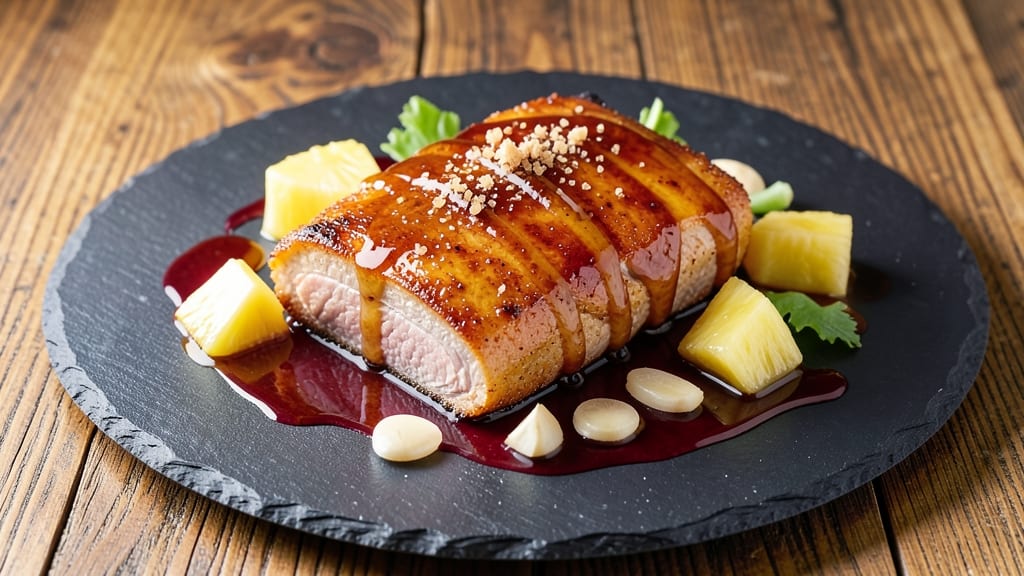
This pineapple glaze recipe for pork transforms simple roasts and grilled cuts into showstopping centerpieces with caramelized sweetness that clings to every bite. ✨ The secret lies in balancing pineapple's natural acidity with brown sugar and soy sauce, creating a glossy, sticky glaze that's both complex and foolproof.
I've perfected this over years of testing—it's the kind of sauce that makes pork taste like it belongs on a restaurant menu.
The magic happens when you reduce pineapple juice, sugar, and soy sauce together until thick and syrupy, then toss it with minced garlic and ginger for depth. This glaze works equally well on grilled ribs, roasted pork tenderloin, or even stir-fried pork belly.
The key is patience—simmering until the sauce coats the back of a spoon ensures it'll stick beautifully to your protein.
What you'll end up with is pork that's glossy, caramelized, and packed with flavor—sweet from the pineapple, savory from the soy, and aromatic from the garlic and ginger. The sauce caramelizes as it cooks, creating pockets of deeper sweetness that balance the natural tang of the pineapple.
It's the kind of glaze that disappears in seconds but leaves an unforgettable impression.
Make a double batch and store it in the fridge for up to 2 weeks—this versatile glaze works just as well on chicken or tofu. The possibilities are endless, but pork? That's where it truly shines. Let's get cooking!
Ingredients for pineapple glaze recipe for pork
Seven ingredients. One sauce. Pork that tastes like it belongs on a restaurant menu.
| Ingredient | Amount | Notes |
|---|---|---|
| Fresh Pineapple Juice 🍍 | 1 cup | From fresh pineapple or canned (no sugar added) |
| Light Brown Sugar 🍚 | ½ cup | Packed firmly for accuracy |
| Soy Sauce 🥢 | ¼ cup | Low-sodium preferred for balance |
| Garlic Cloves 🧄 | 4 cloves | Minced finely for depth |
| Fresh Ginger 🌿 | 1 tbsp | Grated finely for zing |
| Red Wine Vinegar 🍷 | 1 tbsp | Adds tangy brightness |
| Sesame Oil 🫒 | 1 tbsp | Toasted for nutty aroma |
| Cornstarch 🌾 | 1 tsp | Slurry with 1 tbsp water |
| Salt 🧂 | ½ tsp | Kosher or sea salt |
| Black Pepper 🌶️ | ¼ tsp | Freshly ground for heat |
The pineapple juice is non-negotiable—fresh or high-quality canned (like Del Monte Gold) makes all the difference. Trader Joe's has the best canned pineapple juice if you're not using fresh. Brown sugar adds depth, but white sugar works in a pinch—just reduce the sauce 1-2 minutes longer. Soy sauce brings umami, so Kikkoman or Pearl River Bridge are my go-tos. The garlic and ginger? Freshly grated or minced—no powdered shortcuts here. That's where the real flavor lives.
No pineapple juice? Mango nectar or apple juice can stand in, but it'll taste different. Short on soy sauce? Coconut aminos work in a bind. The cornstarch slurry is key for thickening—arrowroot powder works too. Want extra richness? Add 1 tbsp honey or maple syrup at the end. For heat, swap the black pepper for Sichuan peppercorns or red pepper flakes. And if you're feeling fancy, finish with a sprinkle of toasted sesame seeds.
This glaze keeps for 2 weeks in the fridge, sealed in an airtight jar. Double the batch—it's perfect for meal prep. The sauce thickens as it cools, so stir in 1 tsp water if it gets too stiff. Freezes beautifully for up to 3 months, though texture might change slightly. I always make extra because it's that good—pork, chicken, even tofu soaks it up like a dream.
Why You'll Love This Recipe
- Five-Ingredient Magic: I swear by this combo—pineapple juice, brown sugar, and soy sauce do the heavy lifting while garlic and ginger add that je ne sais quoi punch. No fancy reductions or whisking for hours; just simmer until sticky and rich.
- Sweet-Savory Balance: That caramelized brown sugar meets tangy pineapple? It’s like a hug for your taste buds—bright enough to cut through fatty pork but deep enough to linger. My husband licks the plate clean, and he’s not even a dessert guy.
- Weeknight or Weekend Star: Slap this glaze on pork chops for a Tuesday dinner or a whole roast for Sunday supper. The same jar of glaze works for both—just adjust the cooking time. Honestly, it’s my lazy chef’s secret weapon when I don’t want to overthink.
- Glaze Leftovers Hack: Make a double batch and store it in the fridge. Drizzle it over grilled pork the next night, toss it into stir-fries, or even glaze chicken thighs. Between us, I’ve used this glaze for three different meals in a week without getting bored.
Step-by-step instructions for pineapple glaze for pork
Here's how to make this irresistible glaze that balances sweet, tangy, and savory flavors perfectly.
🍳 Step 1: Build the Glaze Base with Pineapple and Aromatics
In a medium saucepan, combine the 1 cup fresh pineapple juice, 0.5 cup light brown sugar, 0.25 cup soy sauce, 4 minced garlic cloves, and 1 tablespoon grated fresh ginger. Bring to a gentle boil over medium-high heat, then immediately reduce to medium-low heat. You'll see the sugar begin to dissolve and the mixture bubble softly—this is when the magic starts.
Let it simmer uncovered for 10-12 minutes, stirring occasionally with a wooden spoon. You're looking for the liquid to reduce by about one-third and the aroma to become rich and complex—think caramelized sweetness with a hint of smoky umami from the soy sauce. The color will deepen to a beautiful amber hue, signaling the sugars are caramelizing.
🍳 Step 2: Add Acid and Oil for Depth
Once the base has reduced, stir in the 1 tablespoon red wine vinegar and 1 tablespoon toasted sesame oil. The vinegar will brighten the flavors and cut through the sweetness, while the sesame oil adds that nutty aroma that makes this glaze truly special. Give it a quick stir to combine—you'll notice the glaze immediately becomes glossier and more cohesive.
Continue simmering for another 5 minutes, keeping the heat at medium-low. This final reduction step is crucial—it intensifies all the flavors and creates that perfect balance we're after. You'll know it's ready when the glaze coats the back of a spoon and has a syrupy consistency that's neither too thin nor too thick.
🥘 Step 3: Thicken with Cornstarch Slurry
In a small bowl, whisk together the 1 teaspoon cornstarch with 1 tablespoon water until completely dissolved. This creates a smooth slurry that will thicken our glaze beautifully. Slowly pour this mixture into the simmering glaze while stirring constantly with a wooden spoon.
Keep the heat at medium-low and stir continuously for 2-3 minutes until the glaze thickens noticeably. You're aiming for a consistency that's glossy and coatable—it should cling to the back of a spoon but still flow smoothly. If it thickens too quickly, add 1-2 teaspoons of water to adjust. Season with the 0.5 teaspoon salt and 0.25 teaspoon black pepper, then give it one final taste to ensure the balance is just right.
Pro Tips For Making Pineapple Glaze Recipe For Pork
- Simmer Low and Slow: That pineapple glaze won’t thicken properly if you rush it—after combining all ingredients, reduce heat to a bare simmer (just tiny bubbles breaking the surface) and let it cook uncovered for 15-20 minutes. I learned this the hard way when my glaze turned into syrup too fast, losing that perfect balance of sweet-tangy depth.
- Strain the Ginger: Fresh ginger adds amazing warmth, but those fibrous bits? They turn your glaze into a textured mess. After grating, squeeze the ginger through a fine-mesh strainer or wrap it in cheesecloth—yes, it’s extra work, but your glaze will be silky smooth instead of gritty.
- Balance the Sweet Early: Taste your glaze before adding all the brown sugar—pineapple juice varies in sweetness, and you might end up with something cloying. Start with half the sugar, simmer, then adjust. I used to dump it all in first and wondered why my pork tasted like dessert.
- Use Garlic Paste, Not Whole Cloves: Whole garlic cloves burn easily in this glaze, leaving bitter residue. Mince them or use 1 teaspoon of garlic paste instead—it infuses just as well without the risk of scorching. (Yes, even if you’re impatient like me, this makes a real difference.)
Troubleshooting your pineapple glaze recipe for pork
Glaze Too Thin?
If your pineapple glaze ends up too watery after simmering, don't panic—simmering longer is the first fix. Bring the heat to medium-low and let it reduce uncovered for another 5-10 minutes, stirring occasionally.
For extra insurance, whisk ½ teaspoon more cornstarch with 1 teaspoon water and stir it in, letting it thicken for 2-3 minutes. If you're in a rush, a quick fix is 1 tablespoon honey or maple syrup—it adds body while balancing sweetness. 🔥
Glaze Too Thick?
Thick glaze happens when you over-reduce or add too much cornstarch. Thin it out by stirring in 1-2 teaspoons of warm water or pineapple juice until it reaches a glossy, coatable consistency. If it's still stubborn, add ½ teaspoon apple cider vinegar to restore balance and brightness.
Pro tip: Always taste as you go—this glaze should be thick enough to cling but still flow smoothly. I've ruined batches by over-thickening, so start small with adjustments!
Burnt or Scorched Glaze?
High heat is the enemy of this delicate glaze. If you see browned bits or a burnt smell, immediately remove the pan from heat and stir in 1 tablespoon fresh pineapple juice or water.
Return to low heat and whisk constantly until smooth. To prevent future scorching, keep heat at medium-low and stir frequently. A heavy-bottomed saucepan (like All-Clad) helps distribute heat evenly—it's my go-to for caramelizing sauces. 🌡️
Glaze Not Sticking?
For a glaze to stick properly, your pork needs a clean, slightly sticky surface. Pat the pork dry with paper towels before applying, then sear it on all sides in a hot pan. Brush on the glaze while the pork is still hot—this helps it adhere better.
If it's still not sticking, add 1 teaspoon honey to the glaze or broil for 1-2 minutes at the end to caramelize the sugars. I've found that grilling or roasting pork at 375°F gives the best results for glaze adhesion.
Flavor Too Sweet?
If your glaze tastes overwhelmingly sweet, balance it with acid. Stir in 1-2 teaspoons of red wine vinegar or lime juice and let it simmer for 1-2 minutes to mellow the sweetness. For a savory boost, add ½ teaspoon fish sauce or extra soy sauce.
I once made a batch that was too sweet—adding a pinch of smoked paprika saved it by introducing depth. Always taste as you go to adjust!
Glaze Too Tangy?
Too much vinegar or pineapple juice can make the glaze taste sharp. Mellow it by adding 1-2 teaspoons of brown sugar or honey and simmering for 2-3 minutes to blend flavors. A splash of toasted sesame oil also rounds out the acidity.
If the glaze is still too bright, a pinch of salt or a dash of soy sauce helps balance the tang. Trust your taste buds—this glaze should be sweet, tangy, and savory in perfect harmony. 💫
Nutrition facts
Frequently asked questions about pineapple glaze for pork
Can I use canned pineapple instead of fresh juice?
Use 1 cup of 100% pineapple juice from canned pineapple (not chunks in juice). Drain the canned pineapple well and measure the juice carefully. For extra richness, add 1 teaspoon of pineapple puree to the finished glaze. The flavor will be slightly sweeter, so reduce the brown sugar to 0.4 cup if needed.
How do I store leftover glaze?
Transfer the cooled glaze to an airtight container and refrigerate for up to 2 weeks. If it thickens too much, whisk in 1 teaspoon of water before using. For longer storage, freeze in ice cube trays—thaw and reheat gently before using. The glaze freezes beautifully but may lose a tiny bit of glossiness when thawed.
What's the best way to apply the glaze to pork?
Brush the glaze on 2-3 times during cooking for maximum adhesion. First, coat the pork lightly before searing. Then brush again after 15 minutes of roasting or grilling, and finish with a final coat in the last 5 minutes. For extra shine, broil for 1-2 minutes at the end—just watch it closely to avoid burning!
Can I make this glaze without soy sauce?
Yes! Replace the soy sauce with ½ cup coconut aminos for a soy-free version or ¼ cup fish sauce + 2 tablespoons honey for umami depth. If avoiding both, use ¼ cup balsamic vinegar + 1 tablespoon maple syrup instead. The glaze will still be delicious but with a slightly different flavor profile.
Why did my glaze turn out too thin?
This usually happens from insufficient simmering time or too much liquid. To fix it, return the pan to medium-low heat and simmer uncovered for another 5-10 minutes, stirring occasionally. For a quicker fix, whisk ½ teaspoon cornstarch with 1 teaspoon water and stir it in until thickened. Always taste as you go!