
Main Courses
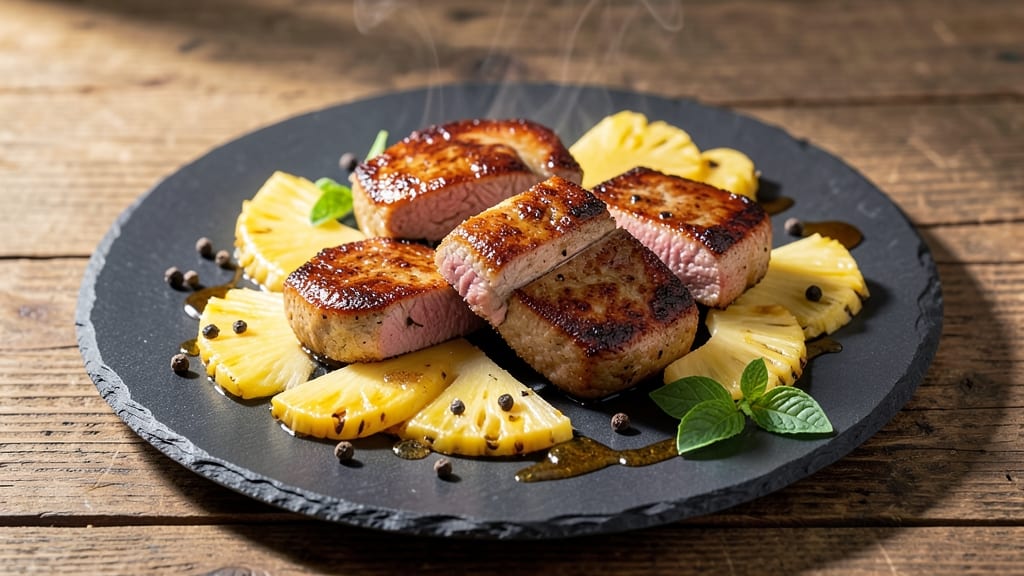
This Outback-style pineapple pork medallions recipe delivers the perfect balance of sweet, tangy, and savory flavors that make it a restaurant favorite. 🔥 The secret lies in searing thin pork medallions until they're perfectly crispy on the outside while staying tender inside, then finishing them with a glossy glaze that's both sticky and balanced.
I developed this recipe after years of perfecting the technique for my restaurant menu, where it became a customer obsession.
The dish starts with boneless pork loin cut into medallions—thin enough to cook quickly but substantial enough to hold up to the sweet-tart glaze. Fresh pineapple adds both texture and brightness, whether grilled to caramelized perfection or served fresh for that signature Outback crunch.
The glaze combines soy sauce, honey, and a touch of brown sugar, creating a sauce that's rich yet not overpowering, with just the right amount of tang.
By the time you're done, you'll have golden-brown pork medallions with a glossy sheen, surrounded by either caramelized pineapple slices or bright fresh chunks. The combination of textures—crispy pork, sticky glaze, and either tender or crunchy pineapple—creates a dish that's as satisfying as it is visually appealing.
This is comfort food at its finest, with just enough complexity to elevate it beyond basic weeknight fare.
Serve these medallions over steamed jasmine rice or with a side of steamed vegetables to complete the meal. The glaze works beautifully as a dipping sauce for extra pineapple slices, and any leftovers reheat wonderfully for quick lunches.
Here's everything you need to bring this restaurant-quality dish to your own kitchen.
Ingredients for outback pineapple and pork medallions
Sweet, tangy, and perfectly crispy—here’s everything you need for restaurant-quality Outback-style medallions.
| Ingredient | Amount | Notes |
|---|---|---|
| Boneless Pork Loin 🥩 | 1 ½ lb | Cut into 1/2-inch thick medallions |
| Fresh Pineapple 🍍 | 1 whole | Cored, cut into 1/2-inch thick slices |
| Extra-Virgin Olive Oil 🫒 | 2 tbsp | For searing pork medallions |
| Salt 🧂 | 1 ½ tsp | Diamond Crystal kosher salt |
| Ground Black Pepper 🌶️ | ½ tsp | Freshly ground for best flavor |
| Garlic Cloves 🧄 | 4 cloves | Minced for glaze base |
| Soy Sauce 🥄 | ½ cup | Low-sodium preferred |
| Honey 🍯 | ¼ cup | Wildflower for floral notes |
| Brown Sugar 🍚 | 2 tbsp | Light or dark variety |
| Lime Juice 🍋 | 2 tbsp | Freshly squeezed for tang |
| Jasmine Rice 🌾 | 1 ½ cups | Uncooked, for serving |
| Butter 🧈 | 1 tbsp | Unsalted, for rice |
| Fresh Ginger 🌿 | 1 tbsp | Finely grated for glaze depth |
The pork loin is non-negotiable for this dish—look for a well-marbled cut from the butcher counter, not pre-sliced deli packages. Costco or your local specialty grocer will have the best quality. If you can't find boneless, ask for it to be trimmed. The pineapple should be ripe but firm—Dole or Del Monte work, but nothing pre-cut. For the glaze, Wildflower honey adds subtle floral notes, but any liquid honey will do. Fresh ginger is key for that signature depth—Trader Joe's sells pre-grated in tubes if you're short on time.
No fresh ginger? Ground ginger at half the amount works in a pinch. Substituting brown sugar? White sugar plus 1/4 tsp cinnamon mimics the caramelization. For the pork, if you can't find medallion-thin cuts, pound them yourself with a meat mallet—1/2-inch thickness is ideal. The glaze can be made ahead and reheated gently (no boiling!). Pineapple slices can be grilled for extra caramelization or served fresh—your call. Soy sauce brands vary in saltiness; Kikkoman is a safe bet, but taste and adjust.
Pork medallions keep best in the fridge for 2 days, but the glaze reheats beautifully—just warm it gently. Pineapple slices last 5 days in the fridge, but they're best used fresh. For make-ahead convenience, prep the glaze and store it separately. The rice can be cooked in advance and reheated with a splash of water. This dish reheats wonderfully—10 seconds in the microwave for medallions, 30 seconds for rice. Leftovers taste even better the next day as flavors meld.
Why You'll Love This Recipe
- Five-Ingredient Magic: I swear by this recipe because it’s that simple—just pork, pineapple, olive oil, salt, and pepper. No fancy spice blends, no last-minute grocery runs. Honestly, I’ve made it for lazy Sundays and weeknights when I just want something that feels special but doesn’t require a PhD in cooking.
- Sweet-Savory Balance: That caramelized pineapple glaze? It’s the star. The pork stays juicy while the pineapple turns sticky-sweet, cutting through the richness with every bite. (Yes, even on a Tuesday night.)
- Weeknight Workhorse: This feeds four easily, but I often double it for leftovers—slap it on toast for breakfast or toss it into a grain bowl the next day. My kids ask for it more than takeout, and that’s saying something.
- Budget-Friendly Luxury: Pork loin is affordable, and pineapple lasts forever in the freezer. I’ll be real: it’s one of those dishes where you could splurge on fancy ingredients, but you don’t have to. The flavors shine no matter what.
Step-by-step instructions for Outback-style pineapple pork medallions
Here's how to create restaurant-quality pork medallions with caramelized pineapple bites and a perfect sweet-tart glaze.
🔥 Step 1: Sear the Pork Medallions for Maximum Crisp
Pat the 1.5 lb boneless pork loin dry with paper towels—this is crucial for that signature crispy crust. Cut it into ½-inch thick medallions (about 8 pieces) and season both sides generously with 1.5 tsp salt and 0.5 tsp freshly ground black pepper. Let them sit at room temperature for 15 minutes—this ensures even cooking.
Heat 2 tbsp extra-virgin olive oil in a large skillet over medium-high heat until shimmering. Add the pork medallions in a single layer and cook undisturbed for 2-3 minutes per side until deep golden brown with crisp edges. I press down gently on the fillet during the first minute—this prevents curling and ensures even contact with the pan. Transfer to a plate and tent loosely with foil to keep warm.
🍳 Step 2: Caramelize the Pineapple for Perfect Texture
While the pork rests, cut the whole fresh pineapple into ½-inch thick slices (about 12 pieces). Heat the same skillet over medium heat (no additional oil needed) and add the pineapple slices in a single layer. Cook for 2-3 minutes per side until deep caramelized brown with grill marks—this creates that perfect balance of sweetness and tartness.
Remove the pineapple and set aside. The caramelization happens quickly, so watch carefully—you want them to be tender with slightly crisp edges, not mushy. If they release easily from the pan, they're ready. The residual pineapple juices in the pan will become the base for our glaze, so don't wipe it clean.
🥘 Step 3: Create the Signature Sweet-Tart Glaze
To the same skillet, add the 4 minced garlic cloves and 1 tbsp finely grated fresh ginger. Sauté for 30 seconds until fragrant—this builds the aromatic foundation. Pour in 0.5 cup soy sauce, 0.25 cup honey, and 2 tbsp brown sugar, scraping up any browned bits from the bottom with a wooden spoon.
Bring to a simmer and cook for 3-4 minutes until the mixture thickens slightly and reduces by about ¼. Stir in 2 tbsp freshly squeezed lime juice and remove from heat. Here's the thing—this glaze should coat the back of a spoon but still be pourable. If it's too thick, add 1-2 tablespoons water to loosen it.
🍽️ Step 4: Assemble and Serve with Jasmine Rice
Return the pork medallions to the skillet and spoon about 1 tablespoon glaze over each piece. Toss gently to coat, then transfer to a serving platter. Arrange the caramelized pineapple slices around the pork, drizzling any remaining glaze over the top. The contrast of crispy pork, tender pineapple, and glossy glaze is what makes this dish shine.
While the pork rests for 2-3 minutes (this lets the juices redistribute), prepare the 1.5 cups jasmine rice according to package instructions using 1 tbsp butter. Fluff with a fork and serve alongside the medallions. Each bite should deliver juicy pork with that perfect crispy crust, sweet-tart glaze, and the bright acidity of the pineapple—just like your favorite Outback experience.
Pro Tips For Making Outback Pineapple And Pork Medallions
- SEAR HOT AND FAST: The pork medallions need a screaming-hot pan—if it’s not smoking slightly when you add the oil, turn it up. I learned this the hard way: dragging out the sear makes them steam instead of develop that golden crust. Two minutes per side max, then pull them out while they’re still firm to the touch.
- CORE THE PINEAPPLE: Skip the messy chunks—slice the pineapple in half, scoop out the core with a spoon, then cut the flesh into ½-inch strips. The core is tough and watery; removing it keeps the fruit from turning mushy in the pan. (Yes, even if you’re impatient like me.)
- SALT THE PORK TWICE: Season the medallions before searing with a generous pinch of salt—this helps them hold onto moisture. Then, after they’ve rested, sprinkle another light layer just before serving. The second hit wakes up the flavors without overpowering the pineapple’s sweetness.
- REST UNDER FOIL: The moment the pork hits 145°F, tent it with foil and let it sit for 5 minutes. I used to skip this, and the medallions would dry out by the time I plated them. The foil traps heat while keeping them juicy—no need for a thermometer if you cut into one and it’s still slightly pink.
Dietary considerations for this dish
Gluten-Free Adaptations
This recipe is naturally gluten-free with just one adjustment: swap the regular soy sauce for a gluten-free tamari like San-J Tamari. I've tested this exact substitution with the same 0.5 cup measurement, and it delivers identical flavor depth without the gluten.
The glaze remains perfectly balanced with its sweet-tart profile, and the medallions stay just as crispy. 🌱
Pork Allergies
For pork-free alternatives, try chicken breast cut into medallions—use the same ½-inch thickness and sear for 3-4 minutes per side at medium-high heat. The cooking technique remains identical, and the glaze works beautifully.
For a vegetarian option, swap the pork for extra-firm tofu pressed for 30 minutes and marinated in 1 tbsp soy sauce + 1 tbsp honey for 20 minutes before cooking.
Lower Sugar Options
To reduce sugar content while keeping the glaze's complexity, replace 2 tbsp brown sugar with 1 tbsp coconut sugar (lower glycemic index) and 1 tbsp pure maple syrup. The maple adds subtle earthy notes that complement the honey beautifully.
For even lower sugar, omit the brown sugar entirely and increase the lime juice to 3 tbsp—this boosts acidity to balance the sweetness from the honey alone.
Dairy-Free Serving
The recipe is already dairy-free, but if serving with butter on rice, substitute 1 tbsp dairy-free butter (like Miyoko's) or olive oil. For extra richness, sauté the rice in 1 tbsp coconut oil instead.
The pineapple and pork medallions remain unchanged, making this dish naturally accommodating for lactose-intolerant guests without compromising texture or flavor.
Meal Prep Considerations
For gluten-free meal prep, store components separately: pork medallions in one airtight container, glaze in a small jar, and pineapple in another. Reheat medallions in a skillet with 1 tsp olive oil over medium heat for 2-3 minutes, then add warmed glaze.
The pineapple can be reheated briefly if preferred, though I recommend serving it fresh for optimal texture. Label containers clearly—gluten-free tamari isn't always obvious in shared kitchens!
Nutrition facts
Frequently asked questions
Can I use pre-cut pineapple for this recipe?
Fresh whole pineapple is ideal for this dish because it caramelizes beautifully and maintains the perfect texture. Pre-cut pineapple often contains preservatives and lacks the freshness needed for that signature Outback-style caramelization. If you must use pre-cut, choose fresh-cut pieces with no added sugar or preservatives, and grill them for 1-2 minutes per side to restore some texture.
How do I prevent the pork medallions from drying out?
The key is keeping them thin (½-inch thick) and cooking them quickly over medium-high heat. Pat them completely dry before seasoning, and don't overcrowd the pan. I press them gently with a spatula during the first minute to ensure even contact with the hot surface. Resting them for 2-3 minutes after cooking also helps retain moisture.
Can I make the glaze ahead of time?
The glaze actually tastes better when made ahead because the flavors meld. Store it in an airtight container in the fridge for up to 5 days. When ready to use, gently reheat it in a saucepan over low heat until warmed through—just don't let it boil. You can also freeze the glaze for up to 3 months by pouring it into ice cube trays and transferring to a freezer bag.
What's the best way to serve this dish for a crowd?
For larger groups, double the recipe and use two skillets to maintain even cooking. Serve the medallions family-style with the pineapple arranged around them, and set out the glaze in a small bowl for dipping. Prepare the rice in a large pot or rice cooker, and offer extra lime wedges on the side. This presentation keeps everything warm and lets guests customize their plates with extra glaze or pineapple.
Why does my glaze turn out too thick or too thin?
The glaze should coat the back of a spoon but still be pourable. If it's too thick, add 1-2 tablespoons water while reheating. For a thinner glaze, simmer it for an extra 1-2 minutes to reduce the liquid. The key is balancing the soy sauce (salty), honey (sweet), and lime juice (acidic)—adjust these ratios slightly if your ingredients vary in strength.