
Sauces & Condiments
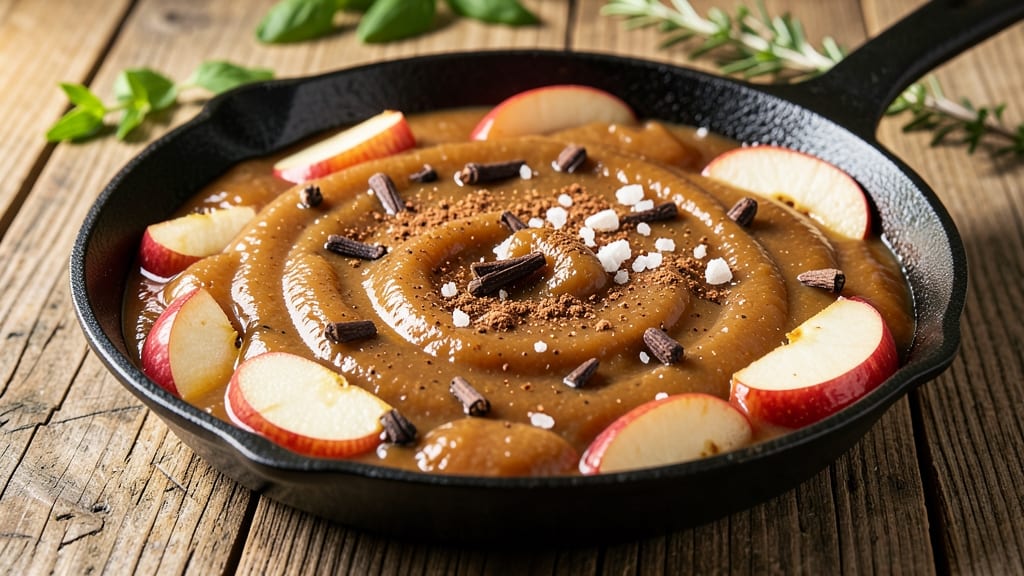
This old-time apple butter recipe brings the warmth of a 19th-century kitchen to your table with its rich, spiced simmer that transforms humble apples into a velvety, long-lasting condiment. 🍏 The secret lies in slow-cooking apples with cinnamon, cloves, and nutmeg until they break down into a thick, spreadable perfection—just like your grandmother might have made.
I first discovered this recipe while researching historic preservation methods, and it’s become a staple in my pantry for its versatility and nostalgic comfort.
The process is straightforward but requires patience—a hallmark of traditional cooking. You’ll start with tart apples, simmered with just enough sugar to balance their natural acidity, while warm spices infuse the mixture with deep, aromatic notes.
The slow cook transforms the apples into a smooth, caramelized butter that’s perfect for spreading on toast, stirring into oatmeal, or drizzling over desserts. This isn’t just a condiment; it’s a flavor experience that connects you to generations of home cooks who relied on simple, wholesome ingredients.
What makes this recipe special is its ability to elevate everyday meals with minimal effort. The spices—cinnamon, cloves, and nutmeg—create a cozy, autumnal aroma that fills your kitchen, while the slow simmer ensures a thick, spreadable texture that stays fresh for months.
Whether you’re serving it on warm biscuits or using it as a topping for pancakes, the rich, spiced flavor adds a touch of homestyle charm to any dish. It’s the kind of recipe that feels like a hug in a jar.
Once you taste the difference between store-bought and homemade, you’ll never go back. The depth of flavor, the smooth consistency, and the nostalgic warmth make this apple butter a must-have for anyone who appreciates the art of slow cooking.
Let’s get started on creating your own batch of this timeless favorite.
Ingredients for old time apple butter
Six pounds of tart apples and a handful of spices transform into this nostalgic, long-lasting spread.
| Ingredient | Amount | Notes |
|---|---|---|
| Tart Apples (Granny Smith or McIntosh) 🍎 | 6 lb | Peeled, cored, sliced into chunks |
| Granulated Sugar 🍚 | 2 cups | Light brown sugar for deeper flavor |
| Ground Cinnamon 🌿 | 2 tbsp | Freshly ground preferred |
| Whole Cloves 🌶️ | 1 tbsp | Lightly crushed for aroma |
| Ground Nutmeg 🌿 | 1 tsp | Freshly grated preferred |
| Salt 🧂 | ½ tsp | Kosher or sea salt |
| Apple Cider Vinegar 🍎 | 1 tbsp | Preserves color and flavor |
| Water 💧 | 1 cup | For simmering apples |
Apples are the heart of this recipe, so don’t skimp on quality. Granny Smith or McIntosh work best—their tartness balances the sweetness. I always buy mine from local orchards in fall or the organic section at Whole Foods when they’re out of season. Look for firm, unblemished apples—they’ll hold up better during the long simmer. The sugar is key too: light brown sugar adds subtle molasses notes that store-bought versions miss. If you can’t find it, white sugar works, but you’ll lose that depth of flavor.
No whole cloves? Ground cloves at half the amount will work, but you’ll lose the subtle floral aroma. Fresh nutmeg is ideal, but if you’ve only got ground, smell it first—if it’s dusty or smells stale, toss it. The apple cider vinegar might seem odd, but it’s essential for preserving that bright, fresh apple flavor. No vinegar? Fresh lemon juice at the same amount does the trick. And if you’re worried about the apples drying out, just add a splash more water during cooking—it’s all about balance here. The spices should be toasted lightly before adding for maximum aroma.
This apple butter keeps for up to a year in the fridge, so make a big batch. I store mine in sterilized canning jars with a parchment-lined lid to prevent mold. For a quick fix, portion into ice cube trays and freeze—perfect for small servings. The flavor actually improves with time, so don’t hesitate to make extra. Once you taste the difference between this and store-bought, you’ll never buy it again—trust me, it’s that good.
Why You'll Love This Recipe
- No Chopping Needed: I swear by this recipe because you just peel, core, and slice apples—no dicing, no fuss. Toss the chunks into a pot with cinnamon sticks and cloves, and let the stove do the work while you sip coffee.
- Spiced Like Grandma’s: That deep, caramelized sweetness with warm cinnamon and nutmeg? It’s like autumn in a jar. The cloves add a subtle kick that makes it taste special—not just another apple spread.
- Pantry Staple Magic: Use it on toast, swirl it into yogurt, or drizzle it over oatmeal. Honestly, I’ve even slathered it on buttered biscuits for a quick breakfast. The sugar and spices keep it shelf-stable for weeks, so it’s always ready.
- Budget-Friendly Luxury: A few apples and a handful of spices cost pennies but taste like a gourmet treat. Between us, this is the kind of recipe that makes you feel fancy without breaking the bank—especially when you’re stretching a dollar.
Step-by-step instructions for old-time apple butter
Here's how I make this classic apple butter with deep spice and perfect texture every time.
🍳 Step 1: Cook the Apples Until Soft
In a large, heavy-bottomed pot, combine the 6 lb peeled, cored, and chunked tart apples with the 1 cup water. Bring to a boil over medium-high heat, then reduce to a simmer. Cover and cook for 30-40 minutes until the apples are completely soft and can be easily mashed with a fork.
I like to stir occasionally to prevent sticking, but don't worry if some chunks remain—they'll break down further during the spice simmer. The apples should release their juice and reduce slightly, creating a thick, fragrant puree. If the mixture looks too dry, add a splash of water, but we want it to thicken as it cooks.
👨🍳 Step 2: Add Spices and Simmer for Depth
Once the apples are soft, stir in the 2 cups granulated sugar, 2 tbsp ground cinnamon, 1 tbsp whole cloves (lightly crushed), 1 tsp ground nutmeg, and 0.5 tsp salt. The mixture will look dry at first, but don't panic—this is normal. Add the 1 tbsp apple cider vinegar and stir well to combine.
Return the pot to medium heat and bring to a gentle boil. Reduce to a simmer and let it cook uncovered for 45-60 minutes, stirring frequently. This long simmer develops the deep, complex flavors and helps the sugar caramelize slightly. You'll know it's working when the mixture thickens and becomes glossy, and the aroma fills your kitchen with warm spice notes.
⏰ Step 3: Test for Perfect Consistency
After the initial simmer, check the consistency every 15 minutes. To test, place a spoonful on a chilled plate and refrigerate for 5 minutes. If it holds its shape but still spreads slightly when pressed, it's ready. If it's too runny, continue simmering uncovered for another 10-15 minutes, stirring occasionally to prevent burning.
Here's the thing—apple butter should coat the back of a spoon but still be spreadable. If it gets too thick, you can thin it slightly with a splash of water, but I prefer it on the thicker side for that classic old-time texture. The longer it simmers, the more intense the flavor becomes, so don't rush this step.
🥘 Step 4: Finish and Store Properly
Once you've achieved the perfect consistency, remove the pot from heat and let it cool slightly. Transfer the apple butter to clean, sterilized jars, leaving about ½ inch of headspace at the top. Seal the jars while they're still warm to prevent condensation from forming.
Let the jars cool completely at room temperature, then refrigerate for up to 3 months or process them in a water bath for 10 minutes for long-term storage. The flavor actually improves over time, so this is one of those recipes where patience pays off. Store-bought versions can't compare to the deep, spiced richness you'll get from this homemade method!
Pro Tips For Making Old Time Apple Butter
- PEEL AND GRATE APPLES: Skip the coring and slicing—peel, grate, and cook the whole mess. The skin adds depth, and grated apples release juice faster, cutting your simmer time by nearly half. (Yes, it’s messy, but you’ll save 30 minutes and avoid burnt chunks.)
- STIR AND SCRAPE CONSTANTLY: Apple butter sticks like glue. Every 5 minutes, scrape the bottom with a wooden spoon and stir vigorously—especially after the first 20 minutes. I learned this the hard way when my first batch turned into a caramelized pancake stuck to the pot.
- USE WHOLE SPICES SPARingly: Whole cloves and nutmeg burn fast. Toss them in a spice bag or cheesecloth first—just 2-3 cloves and a pinch of nutmeg will flavor the whole batch without turning it bitter. (I once overdid it and had to dump half the pot.)
- SWEETEN GRADUALLY: Add sugar in two batches—half at the start, half after 45 minutes. The early sugar caramelizes for depth, but too much too soon makes the butter cloying. Taste often; you’re aiming for tangy-sweet, not dessert-like. (Trust me, your taste buds will thank you.)
Best sauces and condiments for this recipe
Breakfast Essentials
Apple butter is a breakfast game-changer that turns ordinary mornings into cozy traditions. Spread it on warm buttermilk biscuits or thick-cut sourdough toast for a spiced, caramelized twist. I love adding a sprinkle of flaky sea salt and a drizzle of local honey for extra depth.
For a heartier meal, stir a spoonful into oatmeal with pecans and Greek yogurt—the cinnamon and nutmeg warm up the bowl instantly. 🍯
Sweet Spreads
This spiced apple butter elevates desserts with minimal effort. Swirl it into vanilla ice cream or whipped cream for a fall-inspired topping. I’ve even used it as a filling for apple turnovers or mini pies—the flavor layers beautifully with tart apple slices and brown sugar crusts.
For a sophisticated touch, drizzle it over chocolate truffles or cheesecake before serving. The warm spices cut through rich desserts perfectly.
Savory Surprises
Don’t limit apple butter to sweet dishes—it’s a secret weapon in savory cooking too. Use it as a glaze for roasted pork tenderloin or ham, brushing on during the last 15 minutes of cooking. The caramelized sugar and spices create a sticky, aromatic crust.
I also mix it into barbecue sauces for pulled pork or brisket, adding a fruity-sweet contrast to smoky meats. Just reduce it slightly on the stovetop before using to thicken.
Cheese Pairings
Apple butter and cheese make an unexpected but magical duo. Pair it with sharp cheddar, aged gouda, or blue cheese on a charcuterie board. The sweetness of the apple butter balances the saltiness of the cheese, while the spices add warmth.
For a quick snack, spread it on crackers with smoked salmon or prosciutto. I’ve even used it as a dip for apple slices with brie—it’s like a grown-up apple butter and cheese sandwich. 🧀
Baking Booster
Incorporate apple butter into baked goods for moisture and flavor. Swirl it into muffin batter or pancake mix for a spiced surprise in every bite. I’ve added it to cookies or scones for a tender, caramelized texture.
For a showstopper, use it as a filling for apple-filled cookies or cinnamon rolls, brushing it on top before baking. The slow-cooked spices infuse the dough with deep, aromatic notes that elevate simple baked treats.
Global Twist
Put a modern spin on apple butter by adapting it to global flavors. For a Mexican-inspired version, add 1 tsp ground cumin and ½ tsp chili powder to the spice mix. Use it as a glaze for grilled chicken or fish tacos.
For an Indian twist, stir in 1 tsp cardamom and ½ tsp turmeric, then pair it with samosas or naan. The key is balancing the spices so the apple butter remains the star—just like in the original recipe. 🌍
Nutrition facts
Frequently asked questions about old-time apple butter
Why does my apple butter turn out too runny?
Runny apple butter usually means it didn't simmer long enough. The key is patience—continue simmering uncovered for another 10-15 minutes, stirring often, until it thickens. If it's still too thin, try spreading it on a plate and placing it in the fridge for 1 hour to set. The texture should firm up as it cools. For next time, use slightly less water when cooking the apples initially.
Can I use sweet apples instead of tart ones?
Sweet apples like Gala or Fuji won't work well—they lack the acidity needed to balance the sugar and spices. Tart varieties like Granny Smith or McIntosh are essential for that perfect tangy-sweet flavor. If that's all you have, add 1 extra tablespoon of apple cider vinegar or lemon juice to compensate, but the texture may be less ideal.
How do I know when the apple butter is fully cooked?
Look for three signs: the mixture should thicken dramatically, have a glossy sheen, and smell deeply aromatic. For a foolproof test, spoon a small amount onto a chilled plate and refrigerate for 5 minutes. If it holds its shape but still spreads slightly when pressed, it's perfect. If it's too thin, simmer longer; if too thick, thin with a splash of water.
Can I make apple butter without a stove?
Yes! Use a slow cooker on low for 6-8 hours or a pressure cooker for 20 minutes on high pressure. For the slow cooker, follow the same recipe but add ½ cup extra water since it's less concentrated. The pressure cooker method is fastest but requires frequent stirring to prevent scorching. Both methods work well for hands-off cooking.
What can I do if my apple butter grows mold?
Mold is rare but can happen if storage isn't airtight. If you see mold, discard the entire batch immediately—it's not safe to eat. To prevent this, always use sterilized jars, leave ½ inch headspace, and seal while warm. For longer storage, process jars in a water bath for 10 minutes to ensure shelf stability. Properly stored apple butter should last up to a year in the pantry.