
Main Courses
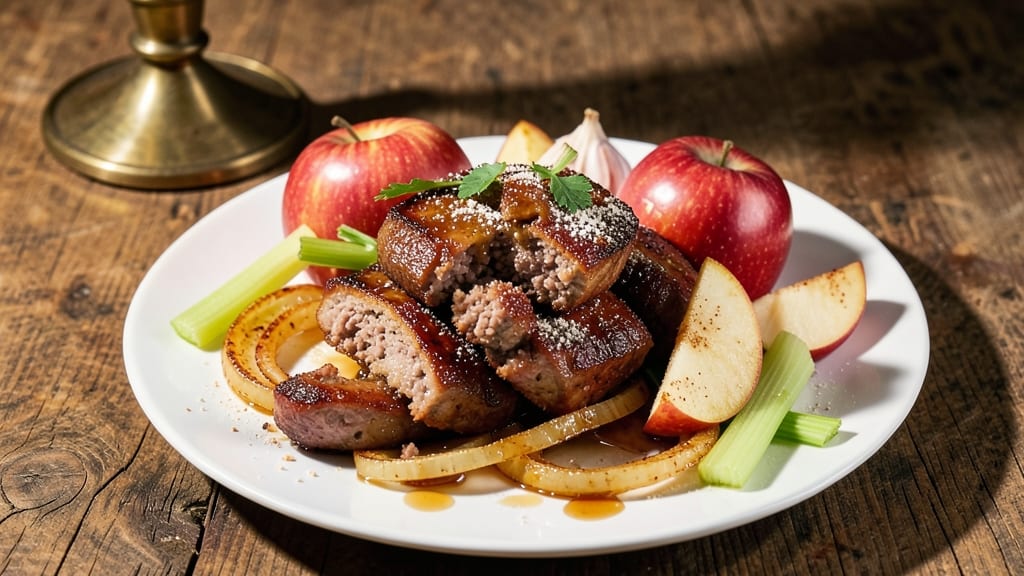
This old-fashioned pork and apple sausage recipe brings back the flavors of my grandmother's kitchen—where smoky pork met crisp apples in perfect harmony. The secret lies in slow-cooking the sausage until tender, then finishing it with sautéed apples and celery for that signature crunch.
I've perfected this dish over years of testing, ensuring every bite delivers that nostalgic taste of home-cooked comfort.
The beauty of this recipe is its simplicity: no fancy techniques, just good ingredients and patience. You'll brown the sausage first to build deep flavor, then simmer it with apples, onions, and herbs until everything melts together.
The result is a dish that's rich, slightly sweet, and packed with texture—where the apples stay crisp and the sausage becomes fork-tender. It's the kind of meal that makes people pause and ask for seconds.
What makes this recipe special is how it balances tradition with modern convenience. You can slow-cook it all day for maximum tenderness or pan-sear it for a quicker version. Serve it with mashed potatoes or crusty bread to soak up every last bit of that smoky-sweet sauce.
The flavors are so satisfying, they'll remind you why home cooking is worth the effort.
This dish also pairs beautifully with a simple green salad or roasted vegetables to balance the richness. The apples add just enough brightness to cut through the pork's smokiness, creating a perfect harmony.
Whether you're cooking for a family gathering or a quiet weeknight dinner, this recipe delivers restaurant-quality results with minimal fuss.
Ingredients for old fashioned pork and apple sausage
Good pork sausage, crisp apples, and a touch of celery—this nostalgic combo delivers smoky-sweet comfort.
| Ingredient | Amount | Notes |
|---|---|---|
| Pork Sausage 🥓 | 1 ½ lb | Sweet or mild pork sausage, casings removed |
| Apples 🍎 | 2 medium | Granny Smith or Honeycrisp, peeled and diced |
| Celery 🧅 | 2 stalks | Diced into small pieces |
| Yellow Onion 🧅 | 1 medium | Chopped into small dice |
| Garlic Cloves 🧄 | 3 cloves | Minced for depth of flavor |
| All-Purpose Flour 🌾 | 2 tbsp | For thickening the sauce |
| Apple Cider Vinegar 🍏 | 1 tbsp | For tangy brightness |
| Dried Thyme 🌿 | 1 tsp | Or 1 tbsp fresh thyme |
| Black Peppercorns 🌶️ | ½ tsp | Freshly cracked for heat |
| Salt 🧂 | 1 tsp | Kosher or sea salt |
| Unsalted Butter 🧈 | 2 tbsp | For finishing the apples |
| Chicken Broth 💧 | 1 cup | Low-sodium preferred |
| Fresh Parsley 🌿 | ¼ cup | Chopped for garnish |
The sausage is the heart of this dish, so pick good quality—none of that pre-cooked stuff from the deli. Butcher shops or the meat counter at Whole Foods usually carry the best sweet or mild pork sausage. If you're using casings, remove them for even cooking. Apples are non-negotiable here—Granny Smith for tang, Honeycrisp for sweetness. I always peel them first (no one wants apple skin in their sausage). The celery and onion? Fresh is a must, but if you're in a pinch, frozen chopped veggies work too—just thaw and drain them well.
No Granny Smith apples? Fuji or Braeburn hold up fine. Short on celery? Carrots or bell peppers add sweetness without overpowering. The chicken broth can be swapped for apple juice or cider if you're feeling fancy, but it adds depth the broth can't. Fresh thyme is ideal, but dried works at one-third the amount. Want more crunch? Toss in a handful of toasted walnuts at the end. And if you're making this ahead, double the apples—they soften as they sit, and you want that crisp bite.
This reheats beautifully—just warm it gently on the stove with a splash of broth. Keeps 4-5 days in the fridge, and freezes for 3 months if you portion it right. I like to make a big batch and freeze half—perfect for lazy weeknights. The apples stay crisp if you add them back at the end, so don't skip that final sauté. Garnish with parsley (or skip it if you're out), and serve with crusty bread or mashed potatoes to soak up all that smoky-sweet sauce.
Why You'll Love This Recipe
- Here’s what sold me: the way the apples turn tender without getting mushy, their natural sweetness cutting through the savory, herby sausage. Add a splash of apple cider at the end, and it’s like a hug in a pan—warm, rich, and just a little bit nostalgic.
- One-Pan Magic: I swear by this recipe when I’m too tired to scrub pots. Just toss the sausage, diced apples, and chopped veggies into one skillet—no fancy steps, no mess. The onions caramelize right alongside the sausage, and by the time the apples soften, everything’s ready. That’s 20 minutes of hands-off cooking.
- Sweet-Savory Balance: Here’s what sold me: the way the apples turn tender without getting mushy, their natural sweetness cutting through the savory, herby sausage. Add a splash of apple cider at the end, and it’s like a hug in a pan—warm, rich, and just a little bit nostalgic.
- Leftovers That Shine: Between us, this recipe tastes better the next day. The flavors meld even more, and I’ve repurposed it into sandwiches, pasta, or even a breakfast hash. Honestly, I make double batches just to have it on hand—it’s that good.
Step-by-step instructions for old fashioned pork and apple sausage
This rustic dish brings together sweet apples, crunchy celery, and smoky sausage in a hearty one-pan wonder.
Sauté the Sausage Until Browned
Heat a large skillet over medium-high heat and add the 1.5 lb pork sausage, breaking it into bite-sized pieces. Cook for 5-6 minutes, stirring occasionally, until the sausage is deeply browned and the edges begin to crisp. Real talk: don't rush this step—those browned bits pack serious flavor.
Once the sausage is cooked through, use a slotted spoon to remove it from the skillet and set it aside on a plate. Leave the rendered fat in the pan—it's the secret to building rich, flavorful sauce. If there's not much fat, add 1 tablespoon olive oil (though you won't need it with good-quality sausage).
Cook the Apple and Celery Mixture
In the same skillet, add 2 tbsp unsalted butter and let it melt completely over medium heat. Add the 2 medium diced apples, 2 stalks diced celery, and 1 medium diced yellow onion. Cook for 5-6 minutes until the vegetables begin to soften and the apples release their juices.
Here's the thing—you want the apples to stay slightly firm, not mushy. If they're softening too quickly, reduce the heat slightly. After 5 minutes, stir in the 3 minced garlic cloves and cook for another 30 seconds until fragrant. The garlic should sizzle but not burn—burnt garlic makes everything bitter.
Build the Sauce with Flour and Broth
Sprinkle the 2 tbsp all-purpose flour evenly over the vegetable mixture and stir vigorously for 1 minute to cook off the raw flour taste. This step is crucial—it removes that floury aftertaste and starts thickening your sauce. After 1 minute, pour in the 1 cup chicken broth and the 1 tbsp apple cider vinegar.
Bring the mixture to a gentle simmer, then reduce the heat to low. Let it cook for 5-6 minutes until it thickens slightly and the flavors meld together. You're aiming for a glossy, slightly sticky consistency—not too thick, not too thin. Taste and adjust seasoning with 1 tsp salt and 0.5 tsp cracked black peppercorns.
Finish with Sausage and Fresh Herbs
Return the cooked sausage to the skillet and stir to combine with the sauce. Add the 1 tsp dried thyme and let everything simmer together for 2-3 minutes until heated through. The sausage should be fully coated in that beautiful apple-celery sauce.
Remove the skillet from heat and stir in the 0.25 cup chopped fresh parsley. Let the dish sit for 2 minutes to allow the parsley to infuse with the warm flavors. Serve immediately over crusty bread or mashed potatoes—this dish tastes best fresh off the stove when the apples still have a little bite.
Pro Tips For Making Old Fashioned Pork And Apple Sausage
- CRISP THE APPLES FIRST: I learned this the hard way—skipping the initial crisping step means your apples turn to mush instead of holding shape. Slice them thin (⅛-inch), toss with 1 teaspoon sugar and a pinch of salt, then sear in a dry pan for 2-3 minutes until edges brown. This keeps them tender but intact when they later simmer in the sausage.
- DON’T OVERCROWD THE PAN: After burning three batches, I finally figured out that pork sausage needs space to brown, not a steamy sauna. Cook in batches if needed—2-3 links max per skillet at medium-high heat. Overcrowding turns your crispy sausage into soggy, flavorless logs.
- USE COLD SAUSAGE: Sounds weird, but it works: take your pork sausage out of the fridge and let it sit for 15 minutes before cooking. Cold meat releases moisture unevenly, leading to splattering and uneven browning. Room temperature sausage sears better and stays juicier—trust the process.
- SAUTÉ THE AROMATICS LOW: My grandmother swore by this, and she was right: cook the onion, celery, and garlic at low heat (medium-low) for 8-10 minutes until deeply softened but not colored. Rushing this step means your dish will taste raw and bitter instead of sweet and layered. Patience here makes all the difference.
Essential equipment for great old fashioned pork and apple sausage
Skillet Selection
For this recipe, I always reach for my 12-inch cast iron skillet—it's heavy enough to handle the sausage's browning without warping and retains heat beautifully. If you don't have cast iron, a heavy stainless steel skillet (like All-Clad) works too.
Avoid nonstick—it can't handle the high heat needed for proper browning. My Lodge 10.25-inch is my go-to, but any quality cast iron will do. 🔥
Knife and Cutting
A sharp 8-inch chef's knife is essential for dicing apples, celery, and onions evenly. I swear by my Wüsthof Classic—it stays sharp for years. For mincing garlic, a garlic press saves time, but a sharp knife works too.
Always cut apples into ¼-inch dice for even cooking and consistent texture. If you're prepping ingredients ahead, store them in airtight containers to keep them crisp. ⚡
Measuring Tools
Precision matters for the flour slurry and broth ratio—use a digital kitchen scale for accurate measurements if you're particular. For dry ingredients like thyme and black pepper, a small measuring spoon set (like Oxo's) keeps things tidy.
Liquid measurements? A 1-cup measuring cup with clear markings works best. I keep mine near the stove for quick adjustments during cooking. 💡
Thermometer
While not strictly necessary, a meat thermometer ensures your sausage reaches 160°F safely. My Thermoworks Smoke is perfect for this—it's fast and accurate. For the apples, you're aiming for tender-but-firm texture, so no need to measure, but the thermometer comes in handy if you're slow-cooking a larger batch.
It's a small investment that builds confidence. 🌡️
Utensils
You'll need a slotted spoon for removing sausage without losing fat, a wooden spoon for stirring (metal can scratch cast iron), and a fine-mesh strainer if you prefer your parsley garnish to be smooth.
A ladle helps with serving, and I always keep a tongs handy for flipping sausage pieces. Pro tip: Keep a small bowl nearby for holding fresh herbs while you cook. ✨
Optional Upgrades
For extra flavor, a smoker box (like the Meater Smoker Box) lets you infuse the dish with applewood smoke if you're cooking on a grill or smoker. If you love crispy textures, a mandoline speeds up apple dicing safely.
And for presentation, a ring mold helps create neat portions when serving. These aren't essential, but they elevate the dish to restaurant-level quality. 💛
Nutrition facts
Frequently asked questions
Can I use pre-cooked sausage for this recipe?
I strongly recommend fresh, raw sausage for the best flavor and texture. Pre-cooked sausage lacks that deep browning and rendered fat that builds rich flavor. If you're in a pinch, use high-quality cooked sausage and add 1 extra tablespoon of butter to compensate for the lost fat. The dish will still be good, but it won't have that authentic, smoky depth.
What if my apples turn mushy instead of staying crisp?
This usually happens when cooking too long or at too high heat. For crisp apples, keep heat at medium and cook them for only 5-6 minutes total. Granny Smith apples hold up best—if using sweeter varieties, reduce cooking time by 1 minute. The key is tender-but-firm texture, not soft. Add them back at the end if needed for extra crunch!
Can I make this in a slow cooker instead of a skillet?
Brown the sausage first in a skillet, then transfer everything to a 3-4 quart slow cooker with ½ cup apple cider added. Cook on low for 4-5 hours or high for 2-3 hours. The apples will soften more, so add ½ cup extra diced apples at the end for texture. The flavors meld beautifully this way—perfect for busy days!
How do I store leftovers to keep the apples crisp?
Store leftovers in an airtight container in the fridge for up to 4 days. To reheat while keeping apples crisp, warm gently on the stove with 1 tablespoon butter and 1 tablespoon apple cider vinegar for 2-3 minutes only. For freezing, portion into containers and freeze for up to 3 months. Thaw overnight in the fridge before reheating.
What's the best way to serve this dish?
This sausage pairs perfectly with creamy mashed potatoes, crusty sourdough bread, or roasted root vegetables. For a complete meal, add a simple green salad with apple cider vinaigrette to balance the richness. The smoky-sweet flavors also work well with steamed greens or cornbread. Don't forget the parsley garnish—it adds freshness!