
Salads
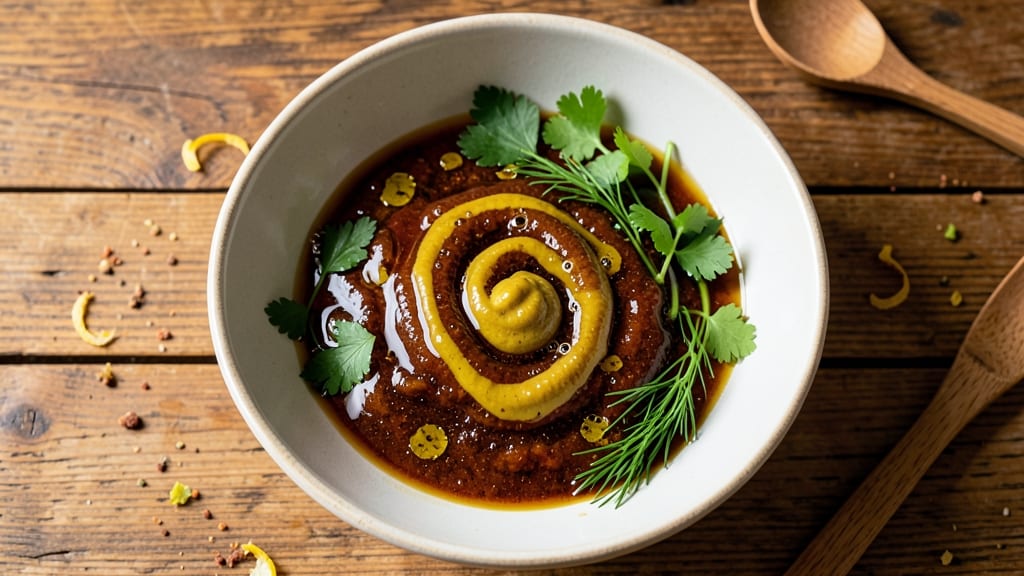
This apple cider vinegar and oil salad dressing recipe transforms simple greens into a vibrant, tangy masterpiece that stays creamy for days. The secret lies in balancing sharp vinegar with smooth oil, creating a dressing that clings to leaves without overpowering their natural flavor.
I developed this version after years of testing—no more thin, watery dressings that pool at the bottom of your bowl.
The magic happens with a mustard-based emulsifier (vegan-friendly) that binds the oil and vinegar into a silky texture, while fresh herbs and a touch of sweetness round out the bright acidity. Unlike store-bought versions, this dressing improves as it sits, with flavors deepening over time.
The ratio of vinegar to oil is critical—too much of either throws off the balance, but when perfected, it delivers restaurant-quality tang in every drizzle.
What you’ll end up with is a dressing so versatile it works on everything from crisp arugula to hearty kale salads, roasted vegetables, or even as a marinade.
The emulsification technique ensures it won’t separate, even after shaking, and the flavor profile—bright, herby, and just slightly sweet—elevates even the simplest greens. Store it in the fridge for up to two weeks, where the flavors continue to meld into something extraordinary.
For those who love customization, this base dressing can be adapted with smoked paprika for depth, garlic for punch, or a splash of maple syrup for extra sweetness. The key is starting with the right balance, then adjusting to taste. Here’s exactly how to make it foolproof.
Ingredients for apple cider vinegar and oil salad dressing
Eight simple ingredients make this tangy, creamy dressing shine on any salad.
| Ingredient | Amount | Notes |
|---|---|---|
| Apple Cider Vinegar 🍏 | ½ cup | Raw, unfiltered preferred |
| Extra-Virgin Olive Oil 🫒 | 1 cup | Light or fruity variety |
| Dijon Mustard 🌶️ | 1 tbsp | Vegan-friendly, no seeds |
| Maple Syrup 🍁 | 1 tbsp | Pure, grade B preferred |
| Fresh Dill 🌿 | 1 tbsp | Chopped, stems removed |
| Fresh Parsley 🌿 | 1 tbsp | Chopped, flat-leaf preferred |
| Garlic Cloves 🧄 | 1 clove | Minced, or garlic powder |
| Sea Salt 🧂 | ½ tsp | Fine grain, Diamond Crystal |
| Black Pepper 🌶️ | ¼ tsp | Freshly ground preferred |
The apple cider vinegar is the star—raw, unfiltered has more depth than pasteurized. Trader Joe's and Whole Foods carry great options, but any store's organic section will have decent choices. The Dijon mustard is non-negotiable for emulsification (regular yellow mustard works in a pinch, but it won't bind as well). For the olive oil, California avocado oil or Spanish olive oil both work beautifully—they're neutral enough not to overpower the vinegar's brightness. The maple syrup? Grade B has more flavor than grade A, but either will work. Fresh herbs make all the difference—grow your own or grab from the grocery store's refrigerated section—they should smell vibrant, not wilted.
No Dijon mustard? Yellow mustard plus 1/4 tsp mustard powder gets you close. Short on fresh dill? 1 tsp dried dill works at half the amount. The garlic can be garlic powder if you're in a hurry (use 1/2 tsp), but fresh minced gives that restaurant-quality punch. Want more depth? Add 1/4 tsp smoked paprika or a pinch of onion powder. For extra tang, bump the vinegar to 3/4 cup—just remember the ratio: 1 part vinegar to 2 parts oil keeps it balanced. Store-bought vinegars with added flavors? Skip them—they'll throw off the delicate balance of this dressing.
This dressing gets better with age—shake it before each use and store in a clean, airtight jar in the fridge for up to 2 weeks. For longer storage, transfer to a sterilized jar and keep for 3 months in the freezer (thaw in the fridge overnight). I like to make a big batch—double the recipe—so I always have dressing on hand. The emulsification holds up beautifully, so no need to shake constantly. If it does separate, just give it a good stir before using—it'll come back together perfectly.
Why You'll Love This Recipe
- Five-Ingredient Magic: I swear, this dressing takes less time than waiting for the kettle to boil. Just whisk together apple cider vinegar, olive oil, Dijon, a drizzle of maple syrup, and fresh dill—no fancy techniques, no stress.
- Tangy-Sweet Balance: That maple syrup cuts through the sharpness of apple cider vinegar like a dream. The Dijon adds a little kick, and the dill? It’s the bright, herby finish that makes this dressing ridiculously good on everything from greens to grilled chicken.
- Weeknight Workhorse: Between us, this is my go-to for salads, roasted veggies, or even drizzled over avocado toast. Honestly, I’ve used it for everything from quick lunches to fancy dinner sides—it’s that versatile.
- No-Waste, Budget Win: A little goes a long way, and since it keeps for weeks in the fridge, I’m always stocked. Plus, apple cider vinegar and olive oil are pantry staples—this dressing costs pennies to make but tastes like a splurge.
Step-by-step instructions for apple cider vinegar and oil salad dressing
This dressing comes together in minutes with simple ingredients you likely already have.
Whisk Together the Vinegar and Mustard
In a medium bowl, combine the 0.5 cup apple cider vinegar and 1 tbsp Dijon mustard. Use a whisk to blend them thoroughly for about 30 seconds until they're fully incorporated and smooth. The vinegar will cut through the mustard's thickness, creating a silky base for your dressing.
This step is crucial because it emulsifies the vinegar and mustard, preventing separation later. If you notice any streaks of mustard remaining, keep whisking for another 10 seconds—you want everything perfectly combined before adding the oil.
Gradually Add the Olive Oil
With the whisk still in the bowl, begin adding the 1 cup extra-virgin olive oil very slowly. Start with just 1 tablespoon at a time, whisking vigorously after each addition. This gradual approach helps create a stable emulsion, preventing the dressing from separating.
You'll notice the mixture will thicken slightly as you add the oil, but it should remain smooth. If you're worried about separation, don't rush—take your time with this step. The key is patience; adding oil too quickly will create a broken dressing.
Incorporate the Sweet and Herby Elements
Add the 1 tbsp maple syrup, 1 tbsp chopped fresh dill, 1 tbsp chopped fresh parsley, and the minced garlic clove. Whisk everything together for another 30 seconds until the herbs are evenly distributed and the maple syrup is fully incorporated.
The maple syrup balances the acidity of the vinegar, while the fresh herbs and garlic add depth. Taste the dressing at this point—it should be tangy, slightly sweet, and aromatic. If you prefer more sweetness, add a touch more maple syrup; if it's too sharp, a splash of water can help mellow it.
Season and Adjust to Perfection
Add the 0.5 tsp sea salt and 0.25 tsp black pepper, whisking until fully dissolved. Taste again and make any final adjustments. If the dressing is too thick, add 1-2 teaspoons of water at a time, whisking well after each addition. For a thinner consistency, add a bit more vinegar.
This dressing should coat the back of a spoon but still pour easily. If it separates after sitting, simply whisk again before using. The herbs will settle, but a quick stir brings everything back together. Store in an airtight container in the refrigerator for up to 1 week, shaking well before each use.
Pro Tips For Making Apple Cider Vinegar And Oil Salad Dressing
- Whisk in stages: Start by mixing the apple cider vinegar, Dijon mustard, and maple syrup—this prevents the oil from separating when you add it later. Once smooth, drizzle in the olive oil very slowly while whisking continuously. I learned this the hard way after making a dressing that split into two layers like a sad science experiment.
- Use raw dill: Chop fresh dill right before adding it to the dressing—no storing it in the fridge overnight. The herb loses its bright, grassy punch fast, and prepped dill tastes dull. If you’re short on time, buy it pre-chopped, but add it last so it doesn’t wilt into the dressing.
- Measure vinegar first: Pour the apple cider vinegar into your bowl before anything else—this keeps the acidity balanced and prevents overpowering flavors. I used to add it last, and the dressing always tasted sharp and unfinished. Trust me, the order matters more than you’d think.
- Swap syrup for honey: If maple syrup feels too sweet or heavy, swap it for the same amount of honey—it dissolves faster and adds a lighter floral note. Just heat the honey slightly (10 seconds in the microwave) to thin it out before mixing. Works every time, and your dressing won’t cloy.
Troubleshooting this recipe
Emulsification Failures
If your dressing separates into oily and vinegary layers, you likely added the oil too quickly. The fix? Whisk in 1 tablespoon of oil at a time, letting the mustard emulsify each addition.
For a quick rescue, add ½ teaspoon of Dijon mustard or 1 teaspoon of honey (or maple syrup) to the separated dressing, then whisk vigorously for 30 seconds. The mustard acts as a natural emulsifier, while the sweetener helps bind the oil and vinegar. 🌡️
Overly Thin Dressing
Too much vinegar or water can dilute your dressing. To thicken it, whisk in 1 tablespoon of olive oil at a time until it reaches the desired consistency. If it’s still too thin, mix 1 teaspoon of cornstarch with 1 tablespoon of cold water, then stir into the dressing.
Let it sit for 5 minutes—the starch will absorb excess liquid without altering flavor. For prevention, measure your vinegar carefully and avoid adding extra water.
Herbs Sinking or Floating
Fresh herbs like dill and parsley often settle at the bottom or float to the top. To fix this, pulse the herbs in a mini food processor for 5 seconds before adding them to the dressing. This creates tiny herb particles that distribute evenly.
Alternatively, stir the dressing vigorously for 10 seconds before sealing it—this helps suspend the herbs temporarily. For long-term storage, add ½ teaspoon of xanthan gum (a common thickener in salad dressings) to keep everything mixed.
Too Tart or Too Sweet
If your dressing tastes overly sharp, balance it with ½ teaspoon of maple syrup or 1 teaspoon of honey. For a dressing that’s too sweet, add ½ teaspoon of Dijon mustard or a splash of lemon juice to cut through the sweetness.
Taste as you go—adjust in small increments to avoid overcorrecting. Remember, the ideal ratio is 1 part vinegar to 2 parts oil, so if you’ve already adjusted one, tweak the other slightly to maintain balance.
Storage Separation
Even properly emulsified dressings can separate after 3-4 days in the fridge. Before using, whisk or shake the jar vigorously for 20-30 seconds—the dressing will re-emulsify instantly.
For long-term storage (up to 3 months in the freezer), use a sterilized jar and leave 1 inch of headspace to prevent expansion. Thaw in the fridge overnight, then shake well before serving. This method preserves the dressing’s texture and flavor perfectly. ❄️
Mustard Granules Remaining
If your dressing has visible mustard seeds or granules, it means the mustard wasn’t fully incorporated. To fix it, add 1 teaspoon of warm water to the dressing and whisk for 30 seconds—the warmth helps dissolve the granules.
For prevention, use Dijon mustard (which has finer particles) and whisk the vinegar and mustard together for full 30 seconds before adding oil. If you’re using whole-grain mustard, strain it through a fine-mesh sieve before mixing to remove any large particles.
Nutrition facts
Frequently asked questions
Can I substitute apple cider vinegar with another type of vinegar?
Yes, but the flavor will change! For a similar tang, use white wine vinegar or rice vinegar (reduce to ¼ cup for milder acidity). Avoid balsamic or red wine vinegar—they’re too sweet or strong. If using lemon juice, reduce to ¼ cup and add ½ teaspoon extra salt to balance the flavor.
How do I make this dressing thicker or thinner?
For a thicker dressing, whisk in 1 tablespoon olive oil at a time until creamy. If too thin, mix 1 teaspoon cornstarch with 1 tablespoon cold water, stir in, and let sit 5 minutes. For a thinner consistency, add 1-2 teaspoons water or a splash of vinegar. Always adjust gradually!
Will this dressing work for non-salad uses?
Drizzle it over roasted vegetables, grilled chicken, or even use it as a marinade for 15-30 minutes (not overnight). It also makes a great dip for crudités or adds depth to grain bowls. The herby, tangy profile elevates any dish beyond simple greens.
Can I make this dressing without fresh herbs?
Yes! Use 1 teaspoon dried dill and 1 teaspoon dried parsley instead of fresh. For extra flavor, add ½ teaspoon dried thyme or 1 teaspoon dried basil. If you’re avoiding dried herbs, skip them entirely—the dressing will still be delicious, just less aromatic.
Why does my dressing separate after sitting?
Separation happens when oil and vinegar aren’t properly emulsified. Fix it by whisking vigorously for 30 seconds before using. For long-term storage, add ½ teaspoon xanthan gum to the recipe to prevent separation. Always store in an airtight container in the fridge.