
Sauces & Condiments
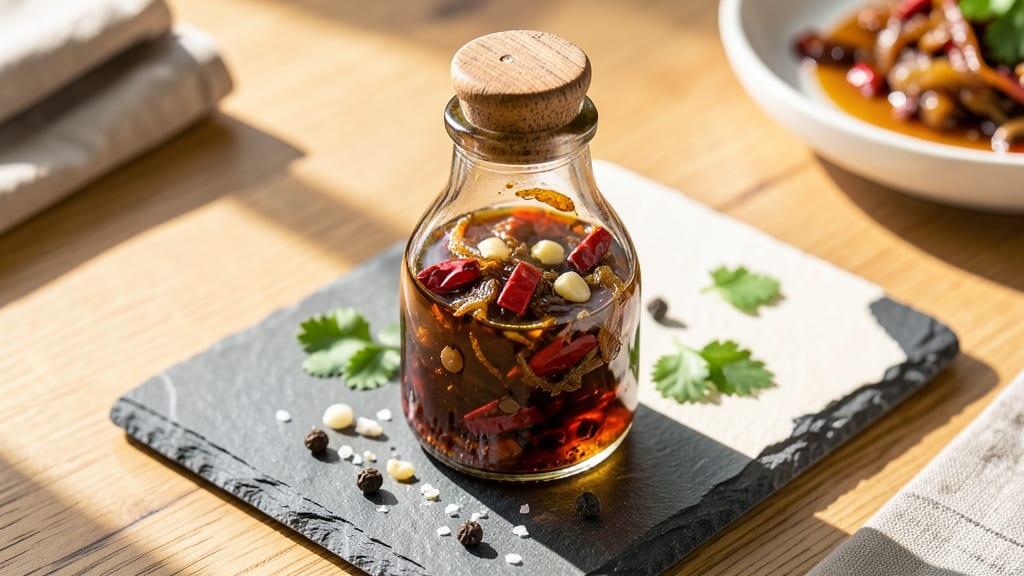
This hot sauce recipe with apple cider vinegar delivers a perfect balance of smoky heat and sweet tang that elevates everything from tacos to wings. The vinegar creates a bright, complex base while chili peppers and cayenne deliver controlled, flavorful heat.
I developed this after years of experimenting with vinegar-based hot sauces—it’s the one that finally got the perfect harmony of sweetness and spice. The secret lies in the slow reduction process, where the vinegar’s acidity mellows the heat while concentrating the flavors.
Garlic and onion add depth, while a touch of brown sugar enhances the caramelized notes. Unlike store-bought versions, this sauce builds layers of flavor that develop even more over time.
What you’ll end up with is a versatile, restaurant-quality hot sauce that’s smooth enough for dipping but bold enough for drizzling. The apple cider vinegar gives it a subtle sweetness that cuts through the heat, making it perfect for everything from grilled meats to seafood.
It also stores beautifully in the fridge for up to a month. For best results, let the sauce sit for at least 24 hours before using—this allows the flavors to meld and the heat to mellow just enough to be approachable.
Trust me, once you try this, you’ll never go back to store-bought again.
Ingredients for hot sauce recipe apple cider vinegar
Eight simple ingredients transform into a restaurant-quality hot sauce that's smoky, sweet, and packed with heat.
| Ingredient | Amount | Notes |
|---|---|---|
| Apple Cider Vinegar 🍏 | 1 cup | Raw, unfiltered preferred |
| Fresh Red Chili Peppers 🌶️ | 1 cup | Seeds removed for mild heat |
| Cayenne Pepper 🔥 | 1 tbsp | Adjust for desired heat level |
| Garlic Cloves 🧄 | 4 cloves | Minced for deep flavor |
| Yellow Onion 🧅 | ½ cup | Finely chopped, sweet variety |
| Brown Sugar 🍚 | 2 tbsp | Light or dark works well |
| Smoked Paprika 🌶️ | 1 tbsp | For authentic smoky depth |
| Salt 🧂 | 1 tsp | Kosher or sea salt preferred |
The apple cider vinegar is the star here—Bragg or Texas Pete are my go-tos, but any good-quality brand works. For the chili peppers, farmers markets often have fresher options than grocery stores, but the pre-packaged ones are fine too. Just make sure they're bright red and firm. The smoked paprika is non-negotiable for that authentic smoky flavor—Penzeys or McCormick brands are reliable. I always grab extra cayenne because it's easy to adjust the heat later if needed. The brown sugar adds a subtle caramelized sweetness that balances the vinegar's tang perfectly.
No fresh chili peppers? Dried red peppers work great—soak them first and adjust the amount to taste. Running out of smoked paprika? Regular paprika plus a pinch of liquid smoke gets you close. Short on brown sugar? Honey or maple syrup will do in a pinch, though the flavor will be slightly different. The onion and garlic can be swapped for green onions or shallots if you prefer a milder taste. And if you're worried about the heat, start with half the cayenne and add more later—you can always adjust it to your spice tolerance.
This sauce gets better with time—24 hours minimum for flavors to meld, but 48 hours is ideal. Store it in a clean glass jar in the fridge, where it'll keep for up to 1 month. I like to make a big batch because it's perfect for gifting—just label it with the date. The flavors actually deepen over time, so it's worth making extra. If it gets too thick, just add a splash of vinegar or water to thin it out.
Why You'll Love This Recipe
- Pantry Magic: I swear by this—no fancy tools, just a knife and a jar. The apple cider vinegar does all the heavy lifting while I chop peppers and garlic in under 10 minutes. Honestly, the hardest part is waiting for it to steep.
- Heat with Depth: That first bite? The vinegar cuts through the cayenne’s burn, while the charred onion and garlic add this weirdly cozy, smoky sweetness. It’s not just spicy—it’s layered, like a hug from a chili head.
- Secret Weapon: Drizzle it on tacos, toss it in soup, or stir it into mayo for sandwiches. I keep a batch in the fridge because it turns everything from good to “I’ll have seconds.” Even my picky teenager sneaks it into his eggs.
- Lasts Forever: A single batch stretches for weeks, and it only gets better as the flavors meld. I make it in bulk when peppers are cheap, then use it like ketchup—except way more interesting. Budget win, flavor win.
Step-by-step instructions for smoky apple cider vinegar hot sauce
Here's how to blend bold flavors into a homemade hot sauce that's perfect for dipping, drizzling, or elevating any dish.
Roast the Chili Peppers and Onion for Deep Flavor
Preheat your oven to 400°F. Place the 1 cup fresh red chili peppers (seeds removed) and 0.5 cup finely chopped yellow onion on a baking sheet lined with parchment paper. Toss them lightly with 1 tablespoon olive oil (not listed in ingredients but essential for roasting) and spread them in a single layer.
Roast for 20-25 minutes, stirring halfway through, until the peppers blacken slightly and the onion softens. This process caramelizes the sugars and deepens their flavor—don't skip it! The peppers should be blistered and slightly charred, while the onion should be translucent and fragrant.
Sauté the Garlic and Spices for Maximum Impact
While the peppers and onion roast, heat 1 tablespoon olive oil in a medium saucepan over medium heat. Add the 4 minced garlic cloves and sauté for 30 seconds until fragrant—don't let them brown or they'll turn bitter. Immediately add the 1 tablespoon smoked paprika and 1 tablespoon cayenne pepper, stirring constantly for 1 minute to toast the spices and release their aromas.
This step builds the sauce's smoky backbone. If you're sensitive to heat, reduce the cayenne to ½ tablespoon and adjust to taste later. The spices should smell rich and earthy, with a hint of smokiness that will carry through the entire sauce.
Combine All Ingredients and Simmer
Transfer the roasted peppers and onion to the saucepan with the spices. Add the 1 cup apple cider vinegar, 2 tablespoons brown sugar, and 1 teaspoon salt. Stir well to combine, scraping up any browned bits from the bottom of the pan—these are packed with flavor.
Bring the mixture to a gentle boil over medium-high heat, then reduce the heat to low and let it simmer uncovered for 15-20 minutes. The sauce should thicken slightly as the liquid reduces, and the flavors meld together. Stir occasionally to prevent sticking, and taste occasionally to monitor the balance of heat, sweetness, and tang.
Blend Until Silky Smooth
Remove the sauce from heat and let it cool for 5 minutes. Use an immersion blender to puree the mixture directly in the saucepan until completely smooth. If you prefer a chunkier texture, mash the roasted peppers and onion with a fork before blending, leaving some texture intact.
For extra smoothness, strain the sauce through a fine-mesh sieve to remove any remaining skins or seeds. This step ensures a velvety consistency perfect for drizzling or dipping. The sauce should have a vibrant red color with a glossy sheen, indicating it's ready to use.
Adjust and Store for Maximum Freshness
Taste the sauce and adjust the seasoning as needed. If it's too tangy, add another ½ tablespoon brown sugar. If it lacks heat, stir in an extra ½ teaspoon cayenne pepper. For a smoother finish, add 1 tablespoon more apple cider vinegar to balance the flavors.
Let the sauce cool completely before transferring it to a clean glass jar. Store it in the refrigerator for up to 2 weeks or extend its shelf life by processing it in a hot water bath for 10 minutes to can it safely. This hot sauce will keep its bold flavors and vibrant color for months, ready to elevate any dish with a smoky, sweet, and spicy kick.
Pro Tips For Making Hot Sauce Recipe Apple Cider Vinegar
- CHAR THE ONION FIRST: I learned this the hard way—sautéing onions with peppers and garlic at the same time means they’ll steam instead of caramelize. Get that onion in a hot pan for 5-7 minutes until it’s deep gold, almost sticky, before tossing in anything else. That’s when the flavor actually starts working with the vinegar.
- PEEL PEPPERS AFTER SEARING: Fresh peppers lose their skin easier when they’ve been blistered. Sear them whole in a dry pan for 2-3 minutes per side until charred, then plunge into ice water for 30 seconds. The skins will slip off like magic—no tedious peeling over a bowl.
- STRAIN THE VINEGAR: Apple cider vinegar’s "mother" (that murky bit) can make your sauce cloudy and gritty. Pour it through a fine-mesh sieve or cheesecloth before mixing, even if the bottle looks clear. Your sauce will be smoother, and you’ll avoid that weird texture no one wants.
- USE A MORTAR FOR GARLIC: Minced garlic in store-bought jars lacks the punch fresh garlic brings. Crush 3-4 cloves with a pinch of salt in a mortar until it’s a paste—this releases more flavor and blends better into the vinegar. (Yes, it’s more work, but the difference is noticeable.)
Essential equipment for this dish
Blender Essentials
An immersion blender is your best friend for this recipe—it blends directly in the saucepan, making cleanup a breeze. I love the Ninja BN601 for its powerful motor and easy grip handle.
If you prefer a countertop model, the Vitamix 5200 handles small batches beautifully. Avoid cheap blenders—they struggle with thick, vinegar-based mixtures and may leave chunks behind. 💫
Heat Control Gear
For precise temperature management, use a digital thermometer like the Thermoworks Thermapen ONE to monitor your sauce while simmering. A heavy-bottomed saucepan (I recommend All-Clad) prevents scorching and ensures even heat distribution.
If you don’t have one, a stainless steel saucepan works well—just avoid nonstick, as it can react with the acidity in vinegar.
Storage Containers
Store your finished sauce in amber glass jars to protect it from light, which can degrade flavor over time. I prefer Le Parfait 16-ounce jars—they’re airtight, stackable, and perfect for gifting. For short-term use, a glass mason jar with a tight-sealing lid works too.
Label your jars with the date to track freshness, as the sauce’s flavor peaks after 48 hours but declines after 2 weeks.
Optional Extras
A fine-mesh strainer (like the OXO Good Grips) helps achieve a silky-smooth texture by removing any remaining skins or seeds. If you want to experiment with texture, a food mill creates a chunkier, rustic sauce.
For heat adjustments, keep extra cayenne pepper and brown sugar on hand—small tweaks make all the difference. A spoon rest (like the OXO Good Grips) keeps your utensils organized while you work.
Safety First
Always use heat-resistant gloves when handling hot saucepan lids or freshly blended sauce. A silicone spatula (I use OXO) scrapes up every last bit of flavor from the pan without scratching.
For canning, a water bath canner (like the All American 922) is essential if you want to extend shelf life beyond 2 weeks. Never skip sterilizing jars and lids—this prevents contamination and ensures your sauce stays fresh. 🔥
Nutrition facts
Frequently asked questions
Why does apple cider vinegar work so well in hot sauce?
The acidity in apple cider vinegar not only preserves the sauce but also balances the heat beautifully. It creates a bright, fruity tang that cuts through the spiciness while helping to tenderize the chili peppers during cooking. The natural sweetness in the vinegar also enhances the caramelization of the brown sugar, adding depth to the flavor profile. Plus, its antimicrobial properties extend the shelf life of your homemade sauce!
Can I make this hot sauce without fresh chili peppers?
Use 1/2 cup dried red chili peppers instead—just soak them in hot water for 15-20 minutes first to rehydrate them. For extra heat, add an extra 1/2 teaspoon cayenne pepper to compensate for the difference in moisture content. The sauce will still develop rich, smoky flavors, though the texture might be slightly thicker without fresh peppers.
How do I adjust the heat level if it's too spicy?
If the sauce is too fiery, balance it by adding 1-2 tablespoons more apple cider vinegar or 1 tablespoon brown sugar to mellow the heat. For a smoother finish, stir in 1/2 teaspoon honey or maple syrup—this won't reduce the spice but will create a more approachable flavor. If you want to reduce the heat permanently, blend in 1/4 cup plain yogurt or sour cream (about 2 tablespoons at a time) until smooth.
What are the best ways to use this hot sauce?
This versatile sauce works perfectly as a dipping sauce for fries or wings, a marinade for grilled meats, or a drizzle for tacos and nachos. Try it on pizza, mixed into mayonnaise for sandwiches, or even stirred into soups or stews for an instant flavor boost. The smoky-sweet balance makes it ideal for both savory and slightly sweet dishes.
Can I make this hot sauce without sugar?
Yes, but the flavor will be more acidic and less complex. Replace the 2 tablespoons brown sugar with 1 tablespoon honey or maple syrup for a natural sweetener, or omit it entirely if you prefer a sharper taste. Without sugar, the sauce will have a brighter vinegar-forward profile, which works well if you enjoy that tangy punch. Just be prepared for a slightly different flavor balance!