
Main Courses
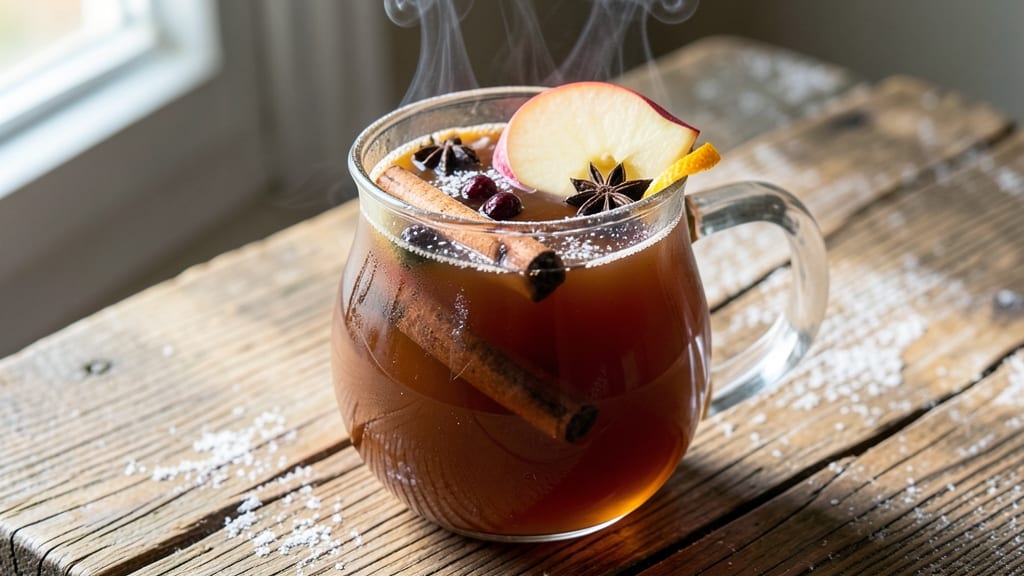
This hard hot apple cider recipe transforms crisp fall apples into a slow-simmered, spiced elixir with deep caramel notes and warming cinnamon—perfect for chilly evenings.
The key lies in balancing sweetness with bold spices like cloves and star anise, then reducing the mixture until it thickens into a rich, syrupy consistency. Unlike store-bought versions, this method builds layers of complexity through controlled heat and time, ensuring every sip delivers authentic depth.
What sets this recipe apart is the slow-simmered technique, which develops caramelized flavors without burning the spices. You’ll start with fresh apple cider (or a blend of juiced apples and water), then infuse it with a spice bag of cinnamon sticks, whole cloves, and a touch of orange peel.
The reduction process—about 45 minutes on low heat—concentrates the natural sugars into a velvety, aromatic syrup that’s both comforting and sophisticated.
By the time you’re done, you’ll have a warm, spiced cider with a subtle alcohol content (from natural fermentation) and a texture that’s thicker than traditional cider but lighter than mulled wine. The caramelized edges from the slow cooking add a subtle sweetness that balances the warmth of the spices.
Serve it in mugs with a cinnamon stick garnish for an inviting presentation that feels both rustic and refined.
This recipe works equally well as a cozy solo drink or a centerpiece for gatherings—just adjust the spice levels to taste. For a non-alcoholic version, skip the fermentation step and use pasteurized cider.
The flexibility makes it ideal for any season, though it’s undeniably perfect for autumn. Ready to create something that tastes like a fall memory in a mug?
Ingredients for hard hot apple cider
Transform fall's finest into a rich, slow-simmered elixir with caramelized depth and warming spices.
| Ingredient | Amount | Notes |
|---|---|---|
| Fresh Apple Cider 🍎 | 4 cups | Unpasteurized for fermentation |
| Granulated Sugar 🍚 | 1 cup | Adjust for sweetness preference |
| Cinnamon Sticks 🌿 | 4 whole | Ceylon preferred for delicate flavor |
| Whole Cloves 🌶️ | 6 pieces | Freshly pounded for intensity |
| Star Anise Pods 🌟 | 2 whole | Lightly toasted for aroma |
| Orange Peel 🍊 | 1 strip | Organic peel, no pith |
| Vanilla Bean 🌸 | 1 whole | Split lengthwise for seeds |
| Active Dry Yeast 🍞 | ¼ tsp | For fermentation |
| Lemon Juice 🍋 | 1 tbsp | Freshly squeezed |
| Apple Cider Vinegar 🍶 | 1 tbsp | For acidity balance |
| Unsalted Butter 🧈 | 2 tbsp | Cold for finishing |
| Diamond Crystal Kosher Salt 🧂 | ½ tsp | For seasoning |
| Fresh Apples 🍏 | 2 whole | For garnish, thinly sliced |
The foundation begins with unpasteurized apple cider—look for local varieties at Trader Joe's or specialty grocers, as their natural sugars ferment beautifully. Ceylon cinnamon sticks and whole cloves are non-negotiable for authentic warmth; bulk bins at Whole Foods offer the freshest options. Star anise adds complexity, but toast it lightly in a dry pan first—this releases its aromatic oils without bitterness. Organic orange peel ensures vibrant flavor, and vanilla bean elevates it from ordinary to extraordinary. If you're using pre-made cider, opt for brands like Woodchuck or Angry Orchard, which balance sweetness and acidity perfectly for fermentation.
No Ceylon cinnamon? Mexican cinnamon works at half the quantity, though the flavor profile shifts slightly. Substitute star anise with 1 tsp ground anise seed, but taste first—it's potent. Running short on vanilla? Vanilla extract at 1/4 tsp mimics the depth, though the seeds add texture. For a non-alcoholic version, skip the yeast and use pasteurized cider—just reduce the sugar slightly to compensate for lost fermentation sweetness. The butter finish deserves European-style unsalted (like Plugrá) for its rich, creamy mouthfeel, but regular butter works in a pinch. Fresh apples for garnish should be crisp varieties like Honeycrisp or Fuji—their tartness cuts through the sweetness beautifully.
Fermented cider keeps 3-4 months in the fridge once opened, though it develops deeper flavors over time. Store the spice bag separately to reuse for subsequent batches—simply steep it in fresh cider for 10 minutes before serving. For make-ahead convenience, prepare the spice mixture and refrigerate it in a sealed jar for up to 2 weeks. When reheating, simmer gently to avoid burning the spices. The butter finish should be added just before serving—it melts into a luxurious sheen that contrasts the warm spices. Garnish with apple slices right before drinking to preserve their crispness.
Why You'll Love This Recipe
- Pantry-Friendly Magic: I swear by this recipe because it uses what’s already lurking in my spice rack—no fancy shopping required. Just cider, sugar, and those little spices you’ve been meaning to use (looking at you, star anise).
- Spice-Infused Warmth: That first sip? Pure autumn in a mug. The cloves and cinnamon steep right into the cider, giving it a deep, cozy aroma that smells like a bonfire—without the actual fire.
- Crowd-Pleasing Anywhere: Between us, this is my go-to for game days, book club nights, or when my teen’s friends show up hungry. It’s not just a drink; it’s the thing that makes guests linger longer.
- Budget Booze That Lasts: A single batch stretches for days—perfect for when I’ve got company but don’t want to break the bank. Plus, the sugar balances the alcohol, so it’s smoother than store-bought hard cider. (Yes, even on a Tuesday night.)
Step-by-step instructions for slow-simmered spiced apple cider
Transform simple ingredients into a rich, aromatic cider with deep caramelized notes and warming spices.
Prepare the Spice Base and Infuse the Cider
In a medium saucepan, combine the 4 cups fresh apple cider, 1 cup granulated sugar, 4 whole cinnamon sticks, 6 pieces whole cloves, 2 whole star anise pods, and 1 strip orange peel. Bring to a gentle simmer over medium heat, then reduce to low heat to maintain a barely perceptible bubble. This controlled simmer prevents scorching while allowing the spices to infuse fully.
Simmer uncovered for 20-25 minutes, stirring occasionally to prevent sugar from crystallizing on the bottom. The cider should reduce slightly, becoming more concentrated and aromatic. You'll notice the cinnamon sticks soften and the cloves release their pungent, floral notes. The orange peel will release its citrus oils, adding brightness to balance the sweetness.
Add Acid Balance and Yeast Activation
Remove the pan from heat and let it cool to room temperature—about 15-20 minutes. This cooling step is critical to prevent killing the yeast. Once cooled, stir in the 0.25 tsp active dry yeast, 1 tbsp lemon juice, and 1 tbsp apple cider vinegar. The lemon juice brightens the cider while the vinegar adds subtle tang, preventing the drink from becoming cloyingly sweet.
Return the mixture to low heat and warm gently for 5 minutes, just until you see small bubbles forming on the surface. This activates the yeast, which will ferment the cider over time. The mixture should smell vibrant—like warm apple orchards with hints of citrus and spice. If you notice any mold or off odors, discard the batch immediately and start fresh.
Ferment and Develop Complexity
Transfer the cider to a clean, glass fermentation vessel (or a non-reactive pot if fermenting immediately). Cover loosely with a clean cloth or lid to allow gases to escape. Let it ferment at room temperature for 12-24 hours, depending on your desired alcohol level. The longer it ferments, the more complex and slightly boozy the cider will become.
During fermentation, you'll see bubbles rising and a faint effervescence. The cider will develop a deeper amber color and a richer aroma. Taste after 12 hours—if it's still quite sweet, let it ferment longer. Once it reaches your preferred balance of sweetness and alcohol (typically 3-5% ABV), it's ready for the final steps. If fermenting longer, refrigerate to halt the process once you achieve the desired flavor.
Finish with Butter and Salt for Depth
Return the fermented cider to the saucepan and warm over low heat until steaming. Remove from heat and whisk in the 2 tbsp cold unsalted butter and 0.5 tsp diamond crystal kosher salt. The butter adds a luxurious, velvety mouthfeel and subtle richness, while the salt enhances all the flavors. Stir until the butter melts completely and the mixture becomes silky.
For the caramelized crunch, thinly slice the 2 whole fresh apples (about 1/8-inch thick) and toss them in 1 tbsp granulated sugar. Arrange the apple slices on a parchment-lined baking sheet and broil for 2-3 minutes until edges are golden and slightly caramelized. Watch closely—they burn quickly. Let cool before serving.
Serve Warm with Spiced Apple Garnish
Ladle the finished cider into mugs and garnish each serving with the caramelized apple slices. The contrast of warm, spiced cider with the crisp, sweet apples creates a textural and flavorful experience. Serve immediately while the cider is steaming and the apples are still slightly warm.
The cider should be aromatic with notes of cinnamon, clove, and vanilla, balanced by the bright citrus and subtle tartness. Each sip should deliver warmth, complexity, and a gentle boozy finish. For extra depth, add a splash of the reserved apple cider vinegar to any leftover cider before reheating.
Pro Tips For Making Hard Hot Apple Cider
- Simmer Slow and Steady: Start with a rolling boil, then drop the heat to a gentle simmer—think of it like whispering to the cider, not shouting. After 20 minutes, taste it: if it’s still too tart, let it bubble away longer. I used to rush this, and the flavors never melded right. Patience here makes all the difference.
- Toast Your Spices First: Lightly toast whole cloves and star anise in a dry pan for 30 seconds until fragrant—this unlocks their depth. Skip this, and your cider will taste like you just dropped them in raw. (Yes, even if you’re impatient like me.)
- Strain Twice for Smoothness: After simmering, strain through a fine-mesh sieve first to catch big bits, then a cheesecloth-lined colander for ultra-smooth cider. I learned this the hard way when a clove snuck into my glass. The second strain makes it look and taste like you spent hours on it.
- Use Brown Sugar for Depth: Swap half the granulated sugar for brown sugar—its molasses notes add warmth that white sugar can’t match. This isn’t about sweetness; it’s about layers. Trust me, your cider will taste like autumn in a mug.
Regional styles of hard hot apple cider
New England Style
In New England, this cider becomes a cozy staple with a focus on maple syrup instead of granulated sugar. Replace the 1 cup sugar with ½ cup pure maple syrup and add 1 tsp ground nutmeg to the spice bag.
The result is a deeper, earthier flavor that pairs perfectly with roasted chestnuts for garnish. I’ve made this version for Thanksgiving gatherings—it’s a crowd-pleaser that feels nostalgic and refined. 🍁
Southern Comfort Twist
Southern cooks elevate this cider with bourbon and pecans. After fermentation, stir in 2 tbsp bourbon (like Buffalo Trace) and top each mug with toasted pecan halves. The bourbon adds warmth while the pecans bring a buttery crunch.
For extra depth, simmer the cider with 1 strip lemon peel instead of orange. This version feels like a warm hug in a mug—ideal for chilly evenings by the fireplace. 🔥
Pacific Northwest Adaptation
In the Pacific Northwest, honey and local berries take center stage. Swap the sugar for ½ cup wildflower honey and add ¼ cup blackberry or raspberry jam to the simmering cider. The berries add a tart, jammy depth that balances the spices beautifully.
Garnish with fresh rosemary sprigs for a fragrant, earthy touch. This version is lighter than traditional cider but still rich and aromatic—perfect for sipping while watching the rain. 🌧️
Midwest Homestyle
The Midwest version leans into caramelized onions and gingersnap cookies. After simmering the spices, add ½ cup finely chopped caramelized onions (sautéed until golden) and finish each serving with crumbled gingersnaps. The onions add a sweet, savory contrast, while the cookies bring a crunchy, spiced crumble.
This hearty take is a weekend brunch favorite—especially with a side of scrambled eggs or biscuits. 🥞
French-Inspired Mulled Cider
For a French bistro twist, infuse the cider with brandy and dried cherries. After fermentation, stir in 1 tbsp brandy (like Courvoisier) and add ¼ cup dried Montmorency cherries to the simmering pot.
The cherries lend a tart, fruity brightness, while the brandy adds a luxurious warmth. Garnish with orange zest and a cherry skewer for an elegant touch. This version tastes like a Parisian café** in autumn. 🍷
Nutrition facts
Frequently asked questions
Can I make this cider without alcohol?
Yes! For a non-alcoholic version, simply omit the 0.25 tsp active dry yeast and use pasteurized apple cider instead of unpasteurized. Reduce the sugar to ¾ cup since fermentation won't convert it to alcohol. Simmer the spices as directed, then finish with the butter and salt for the same rich, warming flavors. The result will be sweet, spiced, and comforting without any boozy kick.
How do I adjust the spice levels for kids?
For children, reduce the whole spices by half: use 2 cinnamon sticks, 3 cloves, and 1 star anise pod. Skip the vanilla bean or use ½ tsp vanilla extract instead. The butter and sugar finish will still add richness without overwhelming their palates. Always supervise kids when drinking hot beverages, and serve in small portions.
Can I make this ahead of time for a party?
Prepare the spice mixture and refrigerate it in a sealed jar for up to 2 weeks. When ready to serve, reheat the cider on low heat and add the yeast/acid mixture (if making hard cider) or just warm it through (for non-alcoholic). The butter should be added fresh before serving to maintain its creamy texture. For the apple garnish, caramelize them just before serving to keep them crisp.
Why did my cider turn cloudy during fermentation?
Cloudiness is normal in homemade fermented ciders—it indicates active yeast and natural particles. If you prefer clarity, strain the cider through a fine-mesh sieve after fermentation. For a smoother texture, chill the cider completely before straining to settle any sediment. If the cloudiness is accompanied by an off smell, discard the batch as it may have spoiled.
What's the best way to reheat leftover cider?
Gently reheat on the stovetop over low heat until steaming (about 5-7 minutes). Avoid microwaving as it can make the spices bitter. If the cider seems too thick after reheating, stir in 1-2 tbsp water to restore the right consistency. For extra depth, add a splash of apple cider vinegar to brighten the flavors. Always reheat with the lid slightly ajar to prevent splattering.