
Sauces & Condiments
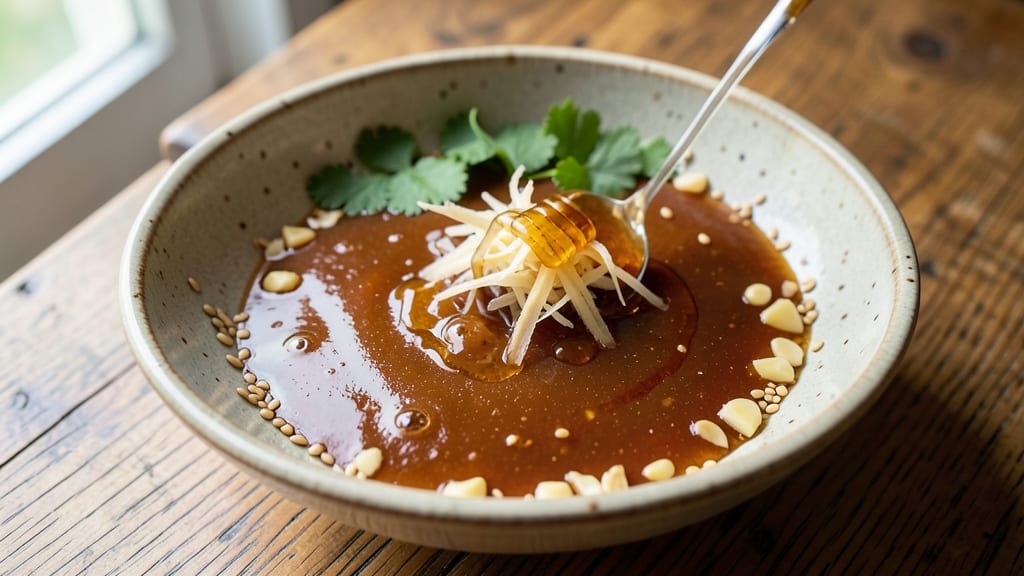
This gluten-free teriyaki sauce recipe with pineapple juice transforms ordinary meals into restaurant-quality dishes with its perfect balance of fermented umami and tropical brightness. The pineapple juice adds a natural sweetness and tang that replaces traditional soy sauce while keeping the sauce vibrant and complex.
What makes this sauce stand out is the fermentation step, which deepens the flavor without any gluten or artificial additives.
The base builds on a simple yet powerful combination of coconut aminos (for that essential teriyaki depth), pineapple juice (for tropical tang), and a touch of honey or maple syrup to balance the acidity.
Aromatics like garlic, ginger, and sesame oil infuse the sauce with layers of warmth, while a splash of rice vinegar ensures the right balance of sweet and savory. This sauce isn’t just gluten-free—it’s packed with flavor that rivals traditional versions.
Perfect for glazing grilled chicken, tofu, or vegetables, this teriyaki sauce delivers a glossy, sticky finish that caramelizes beautifully under the broiler.
The fermentation process (just 24 hours) unlocks a depth of flavor that store-bought sauces can’t match, making it ideal for anyone who loves bold, umami-rich dishes without the gluten. The result is a sauce that’s as versatile as it is delicious—ready to elevate any protein or stir-fry.
Store it in the refrigerator for up to two weeks, or extend its shelf life by canning or freezing. The tropical notes from the pineapple juice make it especially refreshing with spicy dishes, while the fermented depth ensures every bite is satisfying.
Whether you’re cooking for a weeknight dinner or prepping for meal prep, this sauce is your secret weapon for flavor-packed meals.
Ingredients for gluten free teriyaki sauce recipe with pineapple juice
Nine simple ingredients for a sauce that tastes like restaurant-quality teriyaki—no gluten, no shortcuts.
| Ingredient | Amount | Notes |
|---|---|---|
| Coconut Aminos 🥄 | ½ cup | Gluten-free soy sauce substitute |
| Pineapple Juice 🍍 | ½ cup | Freshly squeezed preferred |
| Honey 🍯 | ¼ cup | Or maple syrup for vegan option |
| Garlic Cloves 🧄 | 4 cloves | Minced for even distribution |
| Fresh Ginger 🌿 | 2 tbsp | Finely grated or minced |
| Rice Vinegar 🍶 | ¼ cup | White or seasoned variety |
| Sesame Oil 🫒 | 1 tbsp | Toasted for aroma |
| Water 💧 | ½ cup | For thinning consistency |
| Salt 🧂 | ½ tsp | Adjust to taste |
| Black Pepper 🌶️ | ¼ tsp | Freshly ground preferred |
The coconut aminos are the umami backbone here—Annie Chun's or Coconut Secret are my go-tos, but any gluten-free soy sauce substitute works. Pineapple juice is non-negotiable for that tropical tang, so grab the freshest you can find (the canned stuff tastes flat). Trader Joe's has great options for both. Ginger and garlic? Fresh is always better, but if you're in a pinch, jarred minced ginger or powdered garlic will do. The rice vinegar adds brightness—don't skip it. For the honey, Manuka honey adds a subtle depth, but regular works too.
No coconut aminos? Tamari or gluten-free soy sauce in a pinch, but the flavor will be less rich. Short on pineapple juice? Mango nectar or orange juice adds sweetness, but you'll lose that signature tropical tang. The sesame oil is where the aroma comes from—toasted sesame oil is ideal, but regular works if you toast the seeds yourself in a dry pan for 2 minutes. Want extra depth? Add 1 tsp miso paste to the mix. For a spicier kick, add a pinch of red pepper flakes or a dash of sriracha. The sauce should be sticky but pourable—adjust water as needed.
Ferment for 24 hours before using—this is where the magic happens. Store in an airtight jar in the fridge for up to 2 weeks. The longer it sits, the deeper the flavor. Freeze for 3 months by pouring into ice cube trays, then transferring to a bag. Thaw overnight in the fridge. Leftovers? Use on stir-fries, as a marinade, or drizzle over grilled veggies. The sauce thickens as it cools, so reheat gently if it gets too stiff.
Why You'll Love This Recipe
- Pantry Magic: I swear by this sauce—no fancy ingredients, just coconut aminos, pineapple juice, and a quick simmer. Honestly, I keep a jar of each in my cabinet just for this.
- Tropical Twist: That pineapple juice isn’t just for sweetness—it cuts through the richness of the honey and garlic, giving it a bright, tangy kick. Between us, it’s the secret weapon in my stir-fries.
- Meal Prep MVP: This sauce doubles as a marinade, glaze, or dipping sauce—toss it with chicken, drizzle over rice, or slather it on grilled fish. I make a big batch on Sundays so I’m never scrambling midweek.
- Budget Bright Spot: Coconut aminos and pineapple juice stretch my grocery budget without sacrificing flavor. Plus, the leftovers keep for weeks in the fridge—meaning fewer takeout nights and more savings.
Step-by-step instructions for gluten-free teriyaki sauce
This sauce comes together in minutes with bold flavors—sweet, tangy, and packed with umami.
Sauté Aromatics Until Fragrant
Heat a small saucepan over medium heat and add the 1 tablespoon sesame oil. Let it warm for 30 seconds until shimmering—this is your signal it's ready. Add the 4 cloves minced garlic and 2 tablespoons finely grated ginger, stirring constantly for 30-45 seconds until the garlic turns golden and the ginger releases its bright aroma.
Here's the thing—don't let the garlic burn. It turns bitter fast, and you want that sweet, mellow garlic flavor to shine through. If it starts to darken too quickly, reduce the heat slightly. You'll know it's perfect when the pan smells like a tropical forest and your mouth starts watering.
Combine Wet Ingredients
Pour in the 0.5 cup coconut aminos, 0.5 cup pineapple juice, 0.25 cup honey, and 0.25 cup rice vinegar. Stir vigorously to dissolve the honey completely—this is where the sauce starts to take shape. Let the mixture simmer gently over medium-low heat for 3-4 minutes, stirring occasionally, until it begins to thicken slightly.
Watch for tiny bubbles forming along the edges of the pan—that's your visual cue the liquid is reducing. The pineapple juice adds a bright tang that cuts through the richness of the coconut aminos, while the honey balances everything with natural sweetness. If you used maple syrup instead of honey, the flavor will be slightly earthier but just as delicious.
Season and Simmer to Perfection
Add the 0.5 cup water, 0.5 teaspoon salt, and 0.25 teaspoon freshly ground black pepper. Give everything a good stir, then increase the heat to medium and bring the sauce to a gentle boil. Once boiling, reduce the heat back to low and let it simmer uncovered for 8-10 minutes, stirring occasionally, until it thickens to a glossy, syrupy consistency.
You'll know it's ready when the sauce coats the back of a spoon smoothly—no drips, just a thick, velvety layer. If it thickens too quickly, add 1 tablespoon water at a time until you reach the perfect consistency. This sauce should cling beautifully to proteins like chicken or fish, not pool in the bottom of your pan.
Strain and Finish
Remove the sauce from heat and let it cool slightly for 2-3 minutes. Then, strain it through a fine-mesh sieve into a clean bowl to remove any garlic or ginger bits—this gives you that ultra-smooth texture. Taste and adjust the seasoning if needed; you might want to add a pinch more salt or a splash of rice vinegar for extra tang.
This is your chance to customize. For extra depth, add 1 teaspoon toasted sesame seeds or a few drops of red food coloring if you're serving it over white rice for presentation. The sauce will keep in an airtight container in the refrigerator for up to 1 week, or you can freeze it for 3 months—just thaw in the fridge before using.
Pro Tips For Making Gluten Free Teriyaki Sauce Recipe With Pineapple Juice
- Simmer Slow and Steady: I learned this the hard way—boiling pineapple juice turns it bitter, and your sauce will taste like overripe fruit. Keep the heat at a gentle simmer (tiny bubbles, not rolling) for 10-12 minutes. If it’s too aggressive, your honey will scorch before the flavors meld.
- Peel and Mince Ginger Like a Pro: Fresh ginger loses its punch when grated too fine—it just turns to mush. Use a sharp knife to slice off the skin, then mince into tiny, uneven pieces (no need for uniformity). This releases more flavor without turning the sauce into ginger paste.
- Balance the Sweet-Sour Ratio: Pineapple juice is tart, honey is cloying, and coconut aminos are salty. Taste as you go: if it’s too sweet, add 1-2 tablespoons more pineapple juice; if it’s too sharp, a pinch of honey or a splash of coconut aminos fixes it. No guessing—just adjust in small increments.
- Toast the Garlic First: Crush the garlic cloves (skin on) and dry-toast them in a hot pan for 30 seconds until fragrant. This deepens their flavor before they hit the sauce. Skip this, and your teriyaki will taste like raw garlic swimming in syrup—no one wants that.
Health benefits of this gluten free teriyaki sauce recipe with pineapple juice
Fermented Umami Boost
The fermentation process unlocks deep, complex flavors without gluten or artificial additives. Coconut aminos provide the essential umami, while pineapple juice adds natural sweetness and enzymes that enhance fermentation. This creates a rich, savory depth that rivals traditional soy-based teriyaki—perfect for gluten-sensitive palates. 💪
Tropical Digestion Aid
Pineapple juice contains bromelain, an enzyme that aids digestion by breaking down proteins. This makes the sauce easier on sensitive stomachs while adding a refreshing tang. The ginger in the recipe further supports digestion, balancing the richness of the coconut aminos beautifully.
Natural Sweetener Benefits
Honey or maple syrup replaces refined sugar, providing antioxidants and steady energy without blood sugar spikes. The natural sweetness also helps balance the acidity from rice vinegar, creating a harmonious flavor profile. For vegan diets, maple syrup offers similar benefits with a caramel-like depth.
Anti-Inflammatory Spices
Fresh ginger and garlic are anti-inflammatory powerhouses that boost immunity and reduce inflammation. The black pepper in this sauce contains piperine, which enhances nutrient absorption—especially important when using plant-based proteins like tofu. A pinch goes a long way for both flavor and health benefits. ✨
Gluten-Free Protein Pairings
This sauce pairs exceptionally with gluten-free proteins like grilled chicken, tofu, or shrimp. The coconut aminos provide a complete amino acid profile when combined with these proteins, making meals more nutritious. It’s also a great way to add flavor to vegetable stir-fries without gluten concerns.
Low-Calorie Versatility
With only ~50 calories per 2-tablespoon serving, this sauce keeps meals light yet flavorful. The pineapple juice adds hydration, while the fermented depth satisfies cravings without excess calories. It’s ideal for weight-conscious cooks who still want restaurant-quality taste. 💛
Nutrition facts
Frequently asked questions
Why use pineapple juice instead of soy sauce in gluten-free teriyaki?
The pineapple juice replaces soy sauce by providing natural sweetness and tang while adding bromelain, an enzyme that aids digestion and tenderizes proteins. It creates a tropical brightness that balances the umami from coconut aminos beautifully. Plus, it's gluten-free by nature!
Can I make this sauce without fermenting it?
Yes, but the flavor will be less complex. Fermenting for 24 hours develops deeper umami and tanginess. If short on time, simmer the sauce for an extra 5-10 minutes to intensify flavors naturally. The fermentation step is optional but highly recommended for that restaurant-quality depth.
What’s the best way to store this sauce?
Keep it refrigerated in an airtight container for up to 2 weeks. For longer storage, freeze it in ice cube trays (thaw overnight in the fridge) or transfer to a freezer bag for 3 months. The sauce thickens when chilled—reheat gently with a splash of water if needed.
How does this sauce compare to regular teriyaki?
This version is lighter, brighter, and gluten-free while delivering bold umami through coconut aminos. The pineapple juice adds a tropical twist missing in traditional recipes. It's equally sticky and flavorful but with a refreshing, slightly sweet profile that pairs well with both proteins and veggies.
Can I use this sauce as a marinade?
The sauce works perfectly as a marinade for 2-4 hours (chicken, fish, or tofu). The pineapple juice tenderizes proteins while the coconut aminos add deep flavor. For extra tenderness, add 1 tbsp olive oil to the marinade. Always discard used marinade unless boiling it first for cooking.