
Sauces & Condiments
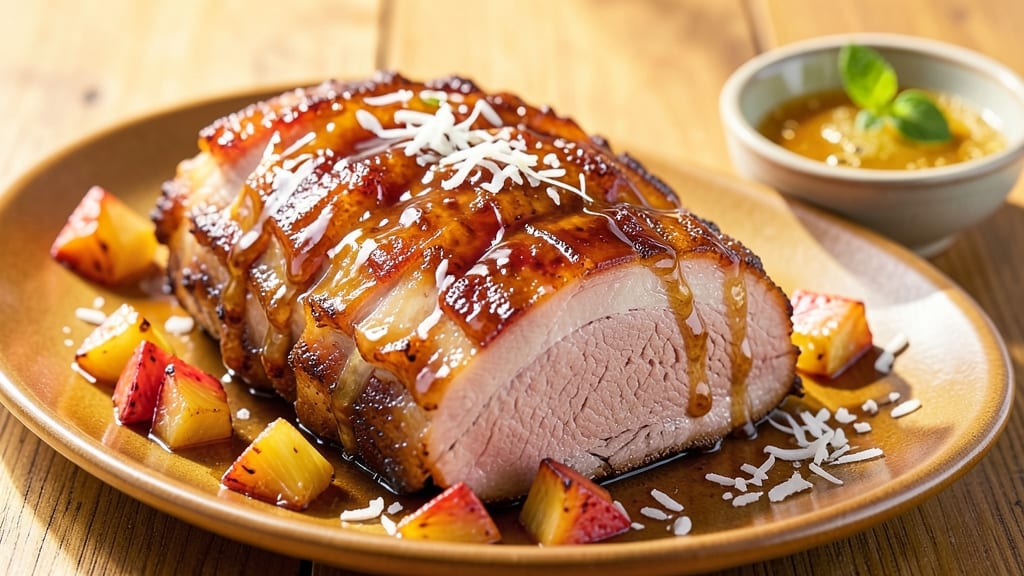
This cooked ham with pineapple glaze recipe transforms ordinary holiday ham into a showstopper with just a few key techniques. The glaze caramelizes into sticky, tropical perfection that balances sweet and savory—something that always disappears first at my dinner table.
I developed this during a Thanksgiving when I wanted to impress guests without spending hours in the kitchen, and it became an instant classic.
The secret lies in two simple steps: first, roasting the ham at a steady 325°F until the internal temperature reaches 145°F, then basting it with the pineapple glaze during the last 30 minutes of cooking.
The glaze isn't just sweet—it's tangy from pineapple juice and brown sugar, with a touch of mustard for depth. This isn't your grandmother's glaze; it's restaurant-worthy without the fuss.
What you'll end up with is a ham that's moist inside, with a glossy, caramelized crust outside that's impossible to resist. The glaze clings beautifully, creating pockets of sweetness in every bite that pairs perfectly with the savory meat.
It's the kind of dish that makes guests ask for the recipe before dessert even comes out.
Serve with classic sides like scalloped potatoes or a fresh green salad to balance the richness. The glaze also works beautifully on ham steaks or even as a marinade for pork chops. Let's get started on making this ham the star of your next gathering.
Ingredients for cooked ham with pineapple glaze
Six pounds of ham and a handful of pantry staples make this glaze the star of your holiday table.
| Ingredient | Amount | Notes |
|---|---|---|
| Fully Cooked Bone-In Ham 🐷 | 6 lb | Pre-cooked, center-cut preferred |
| Pineapple Juice 🍍 | 1 cup | Freshly squeezed, no pulp |
| Brown Sugar 🍚 | ¾ cup | Packed, light or dark |
| Dijon Mustard 🍯 | 2 tbsp | Mild or classic variety |
| Apple Cider Vinegar 🍏 | 1 tbsp | For tangy depth |
| Honey 🍯 | 2 tbsp | Wildflower preferred |
| Fresh Ginger 🌿 | 1 tbsp | Grated, fresh only |
| Garlic Cloves 🧄 | 3 cloves | Minced for glaze |
| Unsalted Butter 🧈 | 2 tbsp | Cold, cubed |
| Salt 🧂 | 1 tsp | Kosher or sea salt |
| Black Peppercorns 🌶️ | ½ tsp | Freshly cracked |
| Fresh Pineapple Chunks 🍍 | 1 cup | For garnish, optional |
The ham is everything here. Pre-cooked bone-in keeps it moist, and center-cut ensures even caramelization. I always grab Smithfield or HoneyBaked from the grocery store—both have great flavor and consistent quality. Look for hams with a good amount of fat cap; it renders beautifully during roasting and adds richness to the glaze. If you're feeling fancy, Trader Joe's carries a fantastic pre-glazed ham that you can use as inspiration for this recipe. For the glaze ingredients, fresh pineapple juice makes all the difference—canned juice works in a pinch, but fresh has that bright, tangy punch that canned just can't match.
No fresh pineapple juice? Coconut water or orange juice adds a similar brightness, though it'll lack that tropical depth. Brown sugar substitutes? Maple syrup or coconut sugar work well, but the color won't be quite as rich. Dijon mustard is non-negotiable for that tangy kick—yellow mustard at half the amount is a decent swap, but it won't have the same complexity. The honey adds just the right amount of sweetness, but if you're avoiding it, agave nectar works in a 1:1 ratio. Fresh ginger is ideal, but if you don't have any, ground ginger at one-third the amount will do. For the butter, vegan butter or coconut oil keeps it dairy-free without sacrificing richness.
This glaze reheats beautifully—just warm it gently in a small saucepan. Store leftovers in an airtight container in the fridge for up to 5 days. I always make extra because it's perfect on ham steaks or as a marinade for pork chops. The fresh pineapple chunks for garnish? Only if you're feeling fancy—they add a pop of color, but the glaze is delicious without them. If you're prepping ahead, you can make the glaze up to 3 days in advance and store it in the fridge. Just reheat it gently before basting the ham.
Why You'll Love This Recipe
- Here’s what sold me: the glaze isn’t just cloyingly sweet. That Dijon mustard cuts through the pineapple’s brightness, and the apple cider vinegar adds a tangy depth that makes every bite ridiculously good. It’s the kind of dish where my picky husband actually finishes his plate—no small feat.
- I’ll be real: bone-in ham isn’t cheap, but this recipe stretches it like crazy. A single ham can feed four for dinner and give you leftovers for breakfast (ham and cheese toast, anyone?). Plus, pineapple juice and brown sugar are pantry staples—no specialty ingredients needed. It’s the kind of dish that feels special without breaking the bank.
Step-by-step instructions for cooked ham with pineapple glaze
Here's how to transform your ham into a sweet, sticky masterpiece with that perfect caramelized glaze.
Prepare the Glaze Base
In a medium saucepan, combine the 1 cup pineapple juice, 0.75 cup packed brown sugar, 2 tbsp Dijon mustard, 1 tbsp apple cider vinegar, 2 tbsp honey, and 1 tbsp freshly grated ginger. Stir over medium heat until the sugar dissolves completely and the mixture reaches a gentle simmer. This should take about 5-7 minutes—you'll know it's ready when the mixture thickens slightly and smells like a tropical paradise.
While it simmers, use a microplane to grate the 3 cloves garlic into the pan. The fresh ginger and garlic will infuse the glaze with bright, zesty flavors that cut through the sweetness beautifully. Keep the heat at a gentle simmer so the sugar doesn't burn—you're aiming for a smooth, syrupy consistency, not a caramelized mess.
Create the Glaze Finish
Reduce the heat to low and let the glaze simmer for another 3-4 minutes until it thickens to a syrupy consistency. It should coat the back of a spoon but still flow freely. If it thickens too much before you're ready, add 1-2 tablespoons of water to loosen it.
Remove the pan from heat and stir in the 2 tbsp cold unsalted butter, allowing it to melt into the glaze. This step adds richness and helps create that glossy finish. Season with 1 tsp salt and 0.5 tsp freshly cracked black peppercorns, then taste to adjust the balance—you want a perfect harmony of sweet, tangy, and savory notes.
Glaze the Ham
Place your 6 lb fully cooked bone-in ham on a wire rack set over a baking sheet to allow air circulation. Preheat your oven to 325°F. Brush about ¼ cup of the glaze evenly over the ham, making sure to get into all the crevices and edges. This initial coating helps the glaze stick and caramelize properly.
Transfer the ham to the preheated oven and bake for 20 minutes. After 20 minutes, remove the ham and brush on another ¼ cup of glaze, focusing on the top and sides. Return to the oven for another 15 minutes. This layering process creates that beautiful, sticky caramelization we're after.
Caramelize to Perfection
For the final touch, remove the ham from the oven and brush on the remaining glaze, making sure to get into every nook and cranny. Return to the oven for 10-15 minutes or until the glaze reaches a deep amber color and has thickened to a sticky consistency. You want it to look like it belongs on a tropical dessert—glossy, thick, and irresistible.
Let the ham rest for 10 minutes before slicing. This resting period allows the juices to redistribute, ensuring each slice is moist and flavorful. Garnish with 1 cup fresh pineapple chunks just before serving to add a fresh, vibrant touch that complements the rich, caramelized glaze.
Pro Tips For Making Cooked Ham With Pineapple Glaze
- Simmer the Glaze Slow: I used to rush this part and end up with a syrupy mess instead of a glossy glaze. Reduce the pineapple juice, brown sugar, mustard, and vinegar mix over medium-low heat—about 15-20 minutes—until it thickens enough to coat the back of a spoon. If it boils too fast, you’ll end up with sticky caramel instead of a balanced glaze.
- Score the Ham Deep: Skip the shallow cuts, and make deep diagonal slashes (about ½-inch deep) across the fat cap. This lets the glaze penetrate the meat instead of just pooling on top. I learned this the hard way—my first attempt looked pretty but tasted like a dry, glazed brick.
- Use Real Pineapple Juice: Canned juice works, but fresh or frozen pineapple juice makes a real difference. The acidity is more consistent, and the flavor isn’t muted. If you’re in a pinch, reduce bottled juice by half first to concentrate the sweetness—it’s not the same, but it’ll save you a trip to the store.
- Baste Like a Pro: Don’t just dump the glaze over the ham and call it done. Use a pastry brush or spoon to slather it on in thin layers, letting each coat caramelize slightly before adding more. This builds flavor and color instead of steaming the ham in its own juices. (Yes, it takes a few extra minutes—but it’s worth it.)
Make-ahead tips for this dish
Glaze Prep Ahead
Make the pineapple glaze up to 3 days in advance and store it in an airtight container in the fridge. When ready to use, simply warm it gently in a small saucepan over low heat for 5 minutes, stirring occasionally until smooth.
I always double the recipe because this glaze is perfect for ham steaks or even as a marinade for pork chops later in the week. The flavors actually deepen as it sits, so don't skip this step! 🍍
Ham Prep Timeline
Start your ham at room temperature to ensure even cooking. If using a 6 lb bone-in ham, plan for a total cook time of about 3-4 hours including glaze application. I recommend removing the ham from the fridge 1 hour before baking to help it cook more evenly. For a stress-free holiday, preheat your oven to 325°F while you're finishing the glaze—this keeps everything on schedule. 🕒
Glazing Strategy
Layer the glaze in three applications during the final 45 minutes of cooking. This creates that perfect caramelized crust without burning. I use a pastry brush to get into all the crevices, especially around the bone.
If the glaze thickens too much between applications, just add 1 tbsp water to loosen it. The key is patience—rushing leads to a sticky mess, not a glossy masterpiece. 💫
Make-Ahead Ham
Cook the ham completely 2 days ahead and store it in the fridge. When ready to serve, simply reheat it in its juices at 325°F for 1-1.5 hours until warmed through. Then, brush on fresh glaze and broil for 5-7 minutes to revive that caramelized shine.
This is my secret for stress-free holiday gatherings—all you need to do is reheat and glaze before serving. 🌟
Glaze Leftovers
Any remaining glaze keeps beautifully in the fridge for 5 days or freezer for 3 months. I love using it to glaze ham steaks or even drizzling it over grilled pineapple.
For extra richness, stir in 1 tbsp butter when reheating. The glaze reheats best in a small saucepan over low heat—never microwave it, or it'll turn grainy. 🧈
Nutrition facts
Frequently asked questions
Can I use canned pineapple juice instead of fresh?
Yes, but you'll lose some brightness. Canned pineapple juice works in a pinch, though fresh has that superior tropical tang. For best results, use 100% pure pineapple juice with no added sugar. If using canned, reduce the brown sugar slightly (0.5 cup instead of 0.75 cup) to balance the sweetness.
How do I prevent the glaze from burning during baking?
Apply the glaze in three thin layers during the final 45 minutes of cooking, not all at once. Keep your oven at a steady 325°F and avoid opening the door frequently. If the glaze darkens too quickly, tent the ham loosely with foil for the last 10 minutes. Patience is key—rushing leads to burnt sugar!
What's the best way to reheat leftover glazed ham?
Slice the ham and reheat in a 325°F oven for 15-20 minutes> with a splash of water or broth to keep it moist. For extra shine, brush with warmed glaze and broil for 3-5 minutes> at the end. Microwaving makes the glaze grainy—always use oven heat for best results.
Can I make this glaze without honey?
Swap honey for 2 tbsp maple syrup or agave nectar> for a similar sweetness level. For a different flavor profile, try 1 tbsp orange marmalade> for citrus depth. Just remember that maple syrup has a stronger flavor, so start with less and adjust to taste.
Why did my glaze turn out too thin?
This usually happens from too much liquid (like pineapple juice) or not reducing long enough. Next time, simmer the glaze for 5-7 minutes> until it coats the back of a spoon. If it's still too thin, reduce it further over low heat> or stir in 1 tsp cornstarch> mixed with water until thickened. The perfect consistency should be syrupy but still pourable.