
Sauces & Condiments
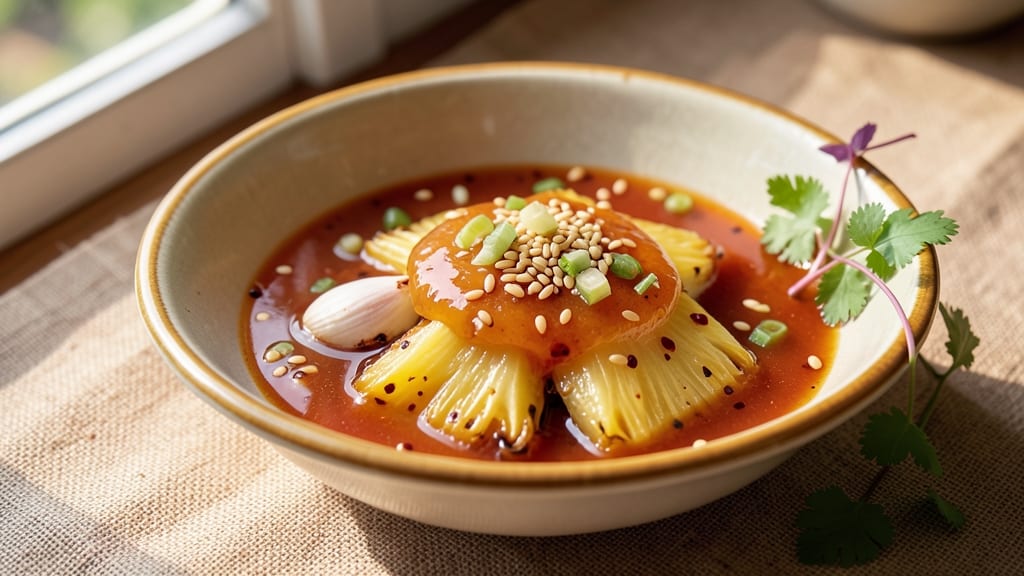
This Chinese pineapple sauce recipe transforms simple grilled meats and rice into a vibrant, flavor-packed meal with just a few pantry staples. The perfect balance of sweet, tangy, and savory creates a glaze that caramelizes beautifully on pork, chicken, or even vegetables.
I developed this recipe after years of experimenting with Asian-inspired sauces, and it consistently delivers restaurant-quality results at home.
The foundation of this sauce is pineapple juice—its natural sweetness and acidity cut through rich meats while adding brightness. A touch of vinegar enhances the tang, while soy sauce and a hint of ginger provide depth.
The secret lies in simmering the mixture until it thickens just enough to coat proteins without overwhelming them. This sauce isn’t just for glazing; it works as a dipping sauce for spring rolls or a drizzle over noodles.
What sets this recipe apart is its versatility—it elevates everything from weeknight dinners to special occasions. The sauce keeps well in the refrigerator for up to a week, making it perfect for meal prep.
For a deeper flavor, let it reduce longer until it reaches a syrupy consistency. The aroma alone will have everyone at the table asking what’s for dinner.
Ready in just 20 minutes, this sauce requires minimal effort but delivers maximum flavor impact. Whether you're grilling skewers or serving steamed rice, this sweet-tangy glaze will become your new go-to condiment. The best part? You can adjust the sweetness or spice level to suit any palate.
Ingredients for chinese pineapple sauce
Sweet, tangy, and packed with pantry staples—this sauce turns simple meals into restaurant-worthy feasts.
| Ingredient | Amount | Notes |
|---|---|---|
| Pineapple Juice 🍍 | 1 cup | Freshly squeezed preferred |
| Rice Vinegar 🍶 | ⅓ cup | White or seasoned variety |
| Light Soy Sauce 🍜 | ¼ cup | Kikkoman preferred |
| Fresh Ginger 🌿 | 1 tbsp | Grated finely |
| Garlic Cloves 🧄 | 3 cloves | Minced finely |
| Brown Sugar 🍚 | ¼ cup | Packed tightly |
| Sesame Oil 🫒 | 1 tbsp | Toasted sesame oil |
| Red Chili Flakes 🌶️ | ½ tsp | Adjust for heat |
| Salt 🧂 | ½ tsp | Kosher or sea salt |
Pineapple juice is the star here—canned is fine, but fresh has that extra brightness. Trader Joe's has great pineapple juice for this, or grab a fresh pineapple if you're feeling fancy. The ginger and garlic? Fresh is non-negotiable—dried just won't cut it. Brown sugar adds depth, but if you want extra caramelization, lightly toast it in a dry pan first. Sesame oil gives that authentic aroma, so don't skip it—even a teaspoon makes a difference. For the vinegar, white is classic, but rice vinegar with a hint of seasoning adds a little extra punch.
No pineapple juice? Coconut water or mango nectar works in a pinch (though it'll be sweeter). Short on ginger? Substitute with 1/4 tsp ground ginger, but fresh is better. Soy sauce? Tamari works too, but it's pricier. Want it sweeter? Add another tablespoon of brown sugar. Spicier? Double the chili flakes or add a dash of sriracha. The sauce thickens as it cools, so if it's too thin, simmer longer—just don't let it burn. For a smoother texture, strain the sauce through a fine-mesh sieve after cooking.
This sauce keeps beautifully—up to 1 week in the fridge sealed in a jar. The flavors actually deepen over time, so it's perfect for meal prep. For longer storage, freeze in ice cube trays—just thaw and warm gently. It reheats perfectly, whether you're drizzling it over rice or using it as a glaze. Pro tip: Save the leftover pineapple rinds—simmer them with the sauce for extra depth next time. And if you make extra? Trust me, you will.
Why You'll Love This Recipe
- Few Ingredients, Big Payoff: I swear by this one—just five staples (counting garlic and ginger), and you’ve got a sauce that tastes like it simmered all day. No fancy pantry trips, no last-minute grocery runs. Honestly, I keep the ingredients in my fridge freezer just for this.
- Tangy-Sweet Magic: That first sip? It’s the perfect balance—bright pineapple juice cuts through the umami of soy sauce, while ginger and garlic add warmth without overpowering. (Yes, even on a Tuesday night.)
- Dresses Up Everything: Slather it on grilled chicken, toss it with noodles, or drizzle it over rice—it’s my go-to for turning simple meals into something special. My daughter picks out the garlic cloves, but still asks for seconds.
- Lasts All Week: Make a double batch and store it in the fridge for up to 10 days. It’s my secret weapon for lazy weeknights—just reheat and go. (Between us, I’ve had it cold, too, and it’s still spot-on.)
Step-by-step instructions for Chinese pineapple sauce
This vibrant glaze comes together faster than you'd think—just 20 minutes of simmering transforms simple ingredients into a perfect balance of sweet, tangy, and umami.
Sauté Aromatics Until Fragrant
Heat a small saucepan over medium heat and add the 1 tablespoon toasted sesame oil. Once the oil shimmers slightly, add the 3 minced garlic cloves and 1 tablespoon finely grated fresh ginger. Cook for 30-45 seconds until the garlic turns golden and releases its aroma—don't let it brown or it'll turn bitter.
Here's where the magic starts. The garlic should sizzle gently, filling your kitchen with that irresistible aroma. If it starts to stick, add a tiny splash of the 1 cup pineapple juice to loosen it. Stir constantly to prevent burning, as garlic can go from perfect to burnt in seconds.
Build the Sauce Foundation
Pour in the 1 cup pineapple juice and 0.33 cup rice vinegar, then add the 0.25 cup light soy sauce and 0.5 teaspoon salt. Bring the mixture to a gentle boil over medium-high heat, then immediately reduce to medium-low heat to maintain a simmer. Let it cook uncovered for 5 minutes while you prepare the remaining ingredients.
This initial simmer reduces the liquid slightly and lets the flavors meld. You'll notice the sauce starts to darken slightly—this is normal and actually deepens the flavor. The rice vinegar will add that bright tang, while the soy sauce contributes that essential umami backbone. Keep an eye on it to prevent boiling over.
Sweeten and Season
Add the 0.25 cup packed brown sugar and 0.5 teaspoon red chili flakes to the simmering mixture. Stir well to dissolve the sugar completely—it should take about 1 minute. Taste the sauce at this point. You'll find it's already developing that perfect balance of sweet and tangy, but we're not done yet.
The brown sugar will caramelize slightly as it dissolves, adding depth to the sauce. The chili flakes add just a hint of heat that pairs beautifully with the sweetness. If you prefer less heat, you can reduce the chili flakes to ¼ teaspoon, but don't skip them entirely—they're what makes this sauce truly special.
Simmer to Perfection
Continue simmering the sauce uncovered for 8-10 minutes until it thickens noticeably and reduces by about ¼. You'll know it's ready when it coats the back of a spoon and has a glossy sheen. The sauce should be syrupy but still pourable—not so thick it becomes paste-like.
This final reduction is crucial. It concentrates all those wonderful flavors and creates that perfect glaze consistency. Stir occasionally to prevent sticking, and if the sauce starts to darken too much, you can reduce the heat slightly. The ideal sauce should be deep amber in color with a beautiful gloss.
Finish and Use Immediately
Remove the sauce from heat and let it cool slightly for 2-3 minutes. Taste and adjust the seasoning if needed—you might want to add a touch more brown sugar for sweetness or a splash of rice vinegar for tang. Transfer to a clean jar or bowl and let it sit at room temperature for 10 minutes before using.
This sauce is best used fresh, whether you're glazing grilled meats, drizzling over rice, or using as a dipping sauce. The flavors continue to develop slightly as it cools, so waiting those final minutes makes all the difference. Store any leftovers in the refrigerator for up to 1 week, though I rarely have any leftovers—it disappears too quickly!
Pro Tips For Making Chinese Pineapple Sauce
- Simmer Slow for Depth: This sauce isn’t a race—bring it to a gentle boil first, then drop to the lowest heat you can tolerate. I used to rush it, and the flavors stayed shallow. Let it bubble for 10-12 minutes instead of 5, and the ginger and garlic will melt into the pineapple juice like a warm hug.
- Grind Ginger Like a Pro: Skip the pre-grated jar—it’s past its prime. Use a microplane or knife to shave fresh ginger into thin, even strips (no need to dice). This way, it dissolves smoothly without clumping, and you’ll taste the bright, peppery kick instead of mushy bits. (Yes, even if you’re impatient like me.)
- Balance Vinegar Gradually: Don’t dump all the rice vinegar at once—add half first, taste, then adjust. The sauce should be tangy but not pucker-inducing. I learned this the hard way when I ended up with a mouthful of vinegar and a sad, one-note sauce. Start conservative, then tweak.
- Strain for Silky Smoothness: After simmering, strain the sauce through a fine-mesh sieve to remove ginger and garlic bits—it’s worth the extra 30 seconds. The result is a velvety texture that coats everything beautifully. (I know, I know, but trust the process—your future self will thank you.)
Serving suggestions for leftovers
Grilled Meat Glazes
This sauce transforms grilled chicken skewers, pork chops, or beef ribs into showstoppers. Brush it on during the last 5-7 minutes of grilling for a caramelized crust that balances smoky flavors. I like to grill bone-in pork chops first, then baste with sauce until sticky and glossy.
For extra drama, finish with a sprinkle of toasted sesame seeds right off the grill. 🔥
Rice and Noodle Drizzle
Turn plain steamed rice or noodles into a flavor explosion by drizzling this sauce lightly over the top. For fried rice, add 1-2 tablespoons per serving and toss gently to coat.
With ramen or udon noodles, mix 1 tablespoon sauce with 1 teaspoon sesame oil before tossing. The sauce's tangy-sweet profile cuts through rich noodle dishes beautifully.
Dipping Sauce Magic
Serve this sauce chilled as a dipping sauce for spring rolls, egg rolls, or dumplings. The perfect balance of sweet, tangy, and spicy makes it irresistible. I like to serve it in a small bowl with chopsticks for scooping and a sprinkle of sesame seeds on top.
For extra crunch, add crushed peanuts to the side for dipping. 🥢
Seafood Pairings
This sauce elevates grilled shrimp, salmon, or scallops with its fruity brightness. Lightly brush 6-8 large shrimp with sauce before grilling, or drizzle over pan-seared salmon fillets at the end.
The acidity in the sauce prevents fish from tasting too heavy. For a complete meal, serve with jasmine rice and steamed bok choy. 🍤
Dessert Twist
Yes, you can use this sauce in desserts! Drizzle over vanilla ice cream, panna cotta, or baked apples for a tropical twist. The pineapple and ginger flavors complement creamy desserts perfectly.
For a fun presentation, swirl the sauce into whipped cream before serving. Just reduce the chili flakes to ¼ teaspoon for a milder dessert version.
Breakfast Boost
Add this sauce to your morning routine by drizzling it over scrambled eggs, pancakes, or tofu scramble. The sweet-tangy flavor pairs surprisingly well with breakfast staples.
For a complete breakfast, serve with turmeric rice and a side of crispy bacon. The sauce adds a gourmet touch without extra effort. 🍳
Nutrition facts
Frequently asked questions about Chinese pineapple sauce
Can I use pineapple chunks instead of pineapple juice?
You can substitute 1 cup pineapple juice with 1.5 cups finely chopped fresh pineapple, but you'll need to simmer the sauce longer—about 15-20 minutes—to break down the fruit fibers and achieve the same smooth consistency. Strain the sauce through a fine-mesh sieve after cooking to remove any remaining pulp.
How do I adjust the sweetness or spice level?
For a sweeter sauce, add 1-2 extra tablespoons of brown sugar and simmer for another 2-3 minutes. For less heat, reduce the red chili flakes to ¼ teaspoon or omit them entirely. If you want more spice, add ½ teaspoon of sriracha or chili garlic sauce at the end and stir well.
Can I make this sauce without soy sauce?
Yes! Replace the ¼ cup soy sauce with ¼ cup coconut aminos (for a gluten-free option) or ¼ cup fish sauce (for deeper umami). If you're avoiding both, use ¼ cup extra brown sugar and ½ teaspoon of msg powder to mimic the savory depth. The sauce will still be delicious, though the flavor profile will shift slightly.
Why did my sauce turn out too thin?
Sauce thickness depends on simmering time and heat level. If it's too thin, simmer uncovered for another 5-7 minutes over low heat, stirring occasionally. For a quicker fix, mix 1 teaspoon cornstarch with 1 tablespoon water, stir into the sauce, and cook for 1-2 minutes until thickened. Avoid high heat—it can cause the sauce to burn or separate.
How long can I store this sauce, and can I freeze it?
This sauce keeps in the refrigerator for up to 1 week in an airtight container. For freezing, portion into ice cube trays or small containers—it'll last 3 months. Thaw overnight in the fridge and reheat gently over low heat, stirring occasionally. The texture may slightly thicken when frozen, so add a splash of water or pineapple juice when reheating if needed.