
Main Courses
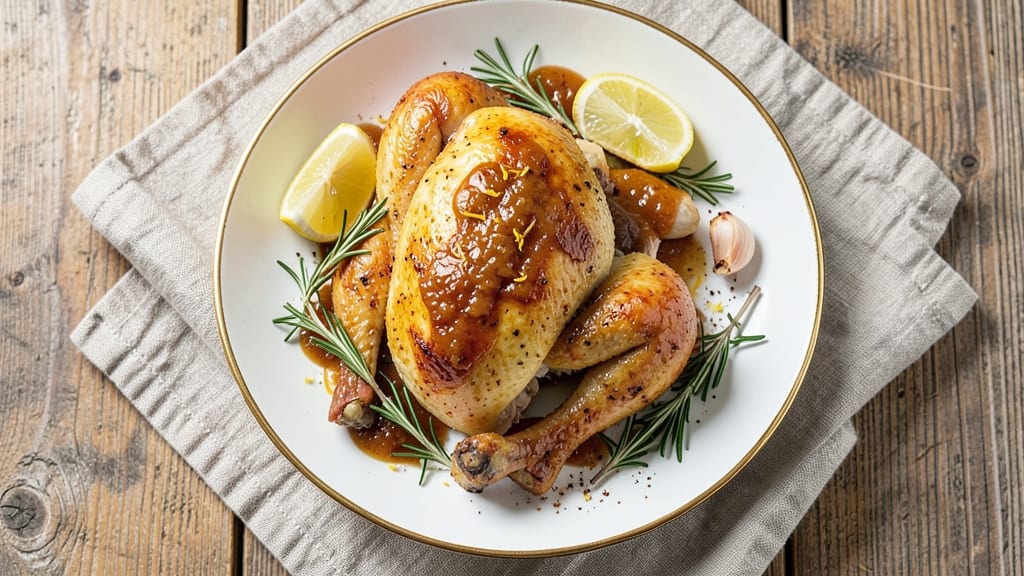
This chicken injection with apple juice transforms ordinary roasted or grilled birds into juicy, restaurant-quality masterpieces—every bite stays moist and flavorful from the inside out. I perfected this technique after years of dry, overcooked chicken ruining dinner plans, and the apple juice makes all the difference.
The secret lies in the injection method, which infuses the meat with natural sweetness and moisture while keeping the skin crisp.
The process is simpler than it sounds: you'll use a meat injector to deliver a flavorful apple juice mixture directly into the chicken, ensuring even distribution without altering the texture.
No special equipment beyond a syringe and a little patience—what you gain is a bird that stays succulent even when cooked to perfection. The apple juice adds subtle sweetness that pairs beautifully with herbs, garlic, and citrus, creating a harmonious balance in every bite.
What you'll end up with is tender, golden-brown chicken that practically falls apart at the touch, with juices flowing freely instead of drying out. The apple infusion creates a delicate sweetness that complements savory seasonings, making this method ideal for holiday roasts, weeknight dinners, or backyard BBQs.
Whether you're grilling or roasting, this technique guarantees a showstopping result every time. Pair with classic sides like roasted vegetables, garlic mashed potatoes, or a crisp apple salad to complete the meal.
The injection method works for whole birds or individual cuts, giving you the flexibility to adapt it to any recipe. Let's get started on creating that perfect, juicy centerpiece for your table.
Ingredients for chicken injection recipe apple juice
Juicy chicken starts with this simple infusion—apple juice, herbs, and citrus work magic inside.
| Ingredient | Amount | Notes |
|---|---|---|
| Whole Chicken (3-4 lbs) 🍗 | 3 ½ lb | Fresh, skin-on preferred |
| Unsweetened Apple Juice 🍎 | ½ cup | 100% pure, no additives |
| Fresh Garlic Cloves 🧄 | 4 cloves | Minced for infusion |
| Fresh Rosemary 🌿 | ¼ cup | Finely chopped stems included |
| Fresh Thyme Leaves 🌿 | ⅛ cup | Stems removed |
| Lemon Juice 🍋 | 2 tbsp | Freshly squeezed |
| Kosher Salt 🧂 | 1 ½ tsp | Diamond Crystal preferred |
| Ground Black Pepper 🌶️ | ½ tsp | Freshly cracked |
| Olive Oil 🫒 | 2 tbsp | Extra-virgin for crisp skin |
| Honey 🍯 | 1 tbsp | Optional for extra sweetness |
| Fresh Lemon Zest 🍋 | 1 tsp | For aromatic brightness |
| Meat Injector or Syringe 💉 | 1 whole | For even distribution |
The chicken is your canvas here. Whole birds are ideal for even injection, but thighs or breasts work too—just make sure they're skin-on for that crisp finish. I grab mine from Whole Foods or the butcher section at Kroger, looking for birds with good marbling and vibrant skin. The apple juice? 100% pure, no sugar added—Trader Joe's or store-brand work fine. Fresh herbs are non-negotiable for flavor, but dried will do in a pinch (use half the amount). The injector is the game-changer—Amazon or kitchen supply stores have affordable options, or you can use a large syringe if you're in a bind.
No apple juice? White grape juice or even strong herbal tea works in a pinch, but the apple's subtle sweetness is what makes this special. Short on rosemary? Thyme or marjoram at the same amount keeps things aromatic. The honey is optional but adds depth—local raw honey has more flavor than processed brands. If you're injecting whole birds, make two small injections per pound for even distribution. For breasts or thighs, one injection per piece is plenty. The lemon zest can be zested fresh or bought pre-zested (though fresh is brighter).
This infusion keeps best for 24 hours in the fridge before injecting, but I usually make it fresh the day of. The chicken itself can sit injected in the fridge for 12 hours before cooking—perfect for meal prep. If you're not cooking right away, pat dry and refrigerate uncovered for 30 minutes to prevent soggy skin. The infused chicken reheats beautifully—just 350°F for 15 minutes covered with foil, and it's back to juicy perfection.
Why You'll Love This Recipe
- No-Fuss Injection Magic: I swear by this method—just a syringe, some apple juice, and a few minutes of work. No basting, no flipping, no stress. The chicken stays juicy and infused with that bright, herbal punch without me hovering over the oven.
- Herb-Garlic Juice Bomb: That combination of apple juice, minced garlic, and fresh rosemary and thyme? It’s like a flavor grenade. The juice keeps the meat tender while the herbs add depth—crispy skin, fragrant meat, and a hint of sweetness that balances everything.
- Weeknight Crowd-Pleaser: Between us, this is my go-to for dinner parties or lazy Sundays. The injection technique means even picky eaters can’t resist it, and the leftovers? Still delicious reheated or cold in sandwiches the next day.
- Budget-Friendly Luxury: A whole chicken costs less than takeout, and the apple juice injection makes it feel special. I stretch it for multiple meals—roast one night, shred for tacos the next—without breaking the bank or the flavor.
Step-by-step instructions for chicken injection with apple juice
This method delivers restaurant-quality juiciness—transform even a simple roasted chicken into a showstopper.
Prepare the Injection Mixture
In a small bowl, combine the 0.5 cup unsweetened apple juice, 2 tablespoons lemon juice, 1 tablespoon honey, 1 teaspoon fresh lemon zest, 1.5 teaspoons kosher salt, and 0.5 teaspoon ground black pepper. Whisk until the honey dissolves completely—this ensures even distribution through the meat. The apple juice acts as a natural tenderizer while adding subtle sweetness, while the citrus brightens the flavor profile.
Next, add the 4 minced garlic cloves, 0.25 cup finely chopped fresh rosemary, and 0.125 cup fresh thyme leaves to the mixture. Stir well to incorporate the herbs—this infusion will carry deep aromatic notes throughout the chicken. Let the mixture sit for 5 minutes at room temperature to allow the flavors to meld. The herbs should be finely distributed, not clumped, for even flavor penetration.
Inject the Chicken Evenly
Remove the 3.5 lb whole chicken from the refrigerator and let it sit at room temperature for 30 minutes—this prevents cold spots when injecting. Using the meat injector or syringe, carefully pierce the thickest part of each breast and thigh, working your way toward the edges. Inject the mixture slowly, filling each cavity until the meat feels firm but not overstuffed.
I like to make small entry points—about ¼-inch apart—to distribute the liquid without tearing the meat. The apple juice mixture should seep into the muscle fibers, not pool on the surface. Work methodically, rotating the chicken as you go to ensure even saturation. This step is what guarantees that juicy, moist result you're after—don't rush it.
Rest and Prep for Cooking
After injecting, let the chicken rest uncovered in the refrigerator for at least 4 hours, or preferably overnight. This resting period allows the injection mixture to fully penetrate the meat, creating a flavorful, juicy core. The longer it rests, the more evenly distributed the moisture and seasoning become—this is where the magic happens.
Before cooking, pat the chicken dry with paper towels to promote crispy skin. Rub the surface generously with 2 tablespoons olive oil, focusing on the skin. The oil will help create that golden, crackling crust while the injected moisture keeps the meat impossibly tender inside. This balance is what makes this technique so special.
Cook to Perfection
Preheat your oven to 375°F for roasting or set up your grill for medium-high heat. If roasting, place the chicken on a rack set over a baking sheet to allow air circulation. Roast for 60-75 minutes, basting occasionally with pan juices, until the internal temperature reaches 165°F in the thickest part of the thigh. The skin should be deep golden brown and crispy, while the meat remains juicy and tender.
For grilling, maintain a temperature around 350-375°F and cook for 25-30 minutes, turning occasionally, until the skin is well-marked and the internal temperature hits 165°F. The apple juice injection ensures the meat stays moist even with direct heat exposure. Let the chicken rest for 10-15 minutes before carving—this resting time is crucial for juices to redistribute, preventing dry slices.
Pro Tips For Making Chicken Injection Recipe Apple Juice
- USE A MEAT THERMOMETER: I learned this the hard way—apple juice injections make chicken cook faster, and skipping the thermometer means dry meat. Pull the chicken at 160°F in the thickest part of the thigh, then let it rest 10 minutes under foil. No guessing, no regrets.
- MINCE GARLIC FINE: Coarse garlic chunks won’t infuse evenly. Use a sharp knife to smash cloves flat first, then finely mince—think rice grains, not dice. This way, the flavor spreads through the injection liquid instead of settling in clumps.
- DON’T OVERFILL THE SYRINGE: I once flooded a chicken breast with too much liquid, and it turned to mush. Fill the syringe no more than ¾ full—just enough to moisten the meat, not drown it. A slow, steady injection works better than forcing it.
- CHILL THE CHICKEN FIRST: Room-temperature chicken absorbs liquid unevenly. Pat it dry, then pop it in the fridge for 30 minutes before injecting. The cold firmness helps the apple-herb mix distribute evenly, so every bite tastes balanced—not just the injected spots.
Dietary considerations for chicken injection recipe apple juice
Apple Juice Allergy?
If apple juice isn't an option, white grape juice or strong herbal tea (like hibiscus) work as substitutes—they still provide moisture and subtle sweetness. For a non-fruit option, try light chicken broth with extra honey and lemon.
Just remember, the apple juice's natural acidity helps tenderize the meat, so substitutes may need slightly longer resting times for full flavor penetration. 💡
Gluten-Free Adaptations
This recipe is naturally gluten-free, but always double-check your apple juice label for hidden additives. The honey and olive oil are safe for most gluten-free diets, while kosher salt and pepper are typically pure.
If you're using store-bought herbs, ensure they're certified gluten-free—some brands process them in shared facilities. The injection method itself remains unchanged, so you get all the juicy benefits without gluten concerns. ✨
Low-Carb Considerations
This method is already low-carb friendly, with only 1 tablespoon honey as the primary carb source. For a sugar-free version, omit the honey entirely—your apple juice should still add enough natural sweetness. The olive oil and herbs provide flavor without carbs, while the lemon juice adds brightness.
Just be mindful of any added sugars in your apple juice (stick to 100% pure, unsweetened varieties). 🍎
Dairy-Free & Vegan Options
While this recipe uses chicken, the injection technique works beautifully for plant-based proteins too! Try injecting portobello mushrooms or firm tofu with the same apple juice mixture (minus the honey if avoiding all sugar).
For a vegan version, swap the honey for maple syrup or agave—just reduce the amount by half since these are sweeter. The herbs and citrus still shine in plant-based dishes, creating that same juicy, aromatic profile. 🌱
Kid-Friendly Adjustments
Kids often prefer milder flavors, so I recommend cutting the rosemary to 0.125 cup and omitting the honey entirely. The apple juice's natural sweetness will still please little palates while keeping the chicken moist.
For extra appeal, add a pinch of cinnamon to the injection mixture—it pairs surprisingly well with chicken and adds a familiar sweetness. Serve with apple slices on the side for a fun, cohesive meal. 👶
Nut-Free & Allergen Safety
This recipe is naturally nut-free, but always verify your apple juice and honey labels if cross-contamination is a concern. The olive oil and herbs are typically allergen-free, though some brands process herbs in shared facilities.
For added safety, use certified allergen-free products. The injection method itself is completely safe for nut-free kitchens—just keep your workspace clean to avoid accidental exposure. 🛡️
Nutrition facts
Frequently asked questions
Can I use apple juice injection for chicken breasts instead of a whole bird?
This method works beautifully for bone-in or boneless chicken breasts. For each breast, make 2-3 small injections (about ¼-inch apart) along the thickest part. The apple juice infusion will keep them juicy even when cooked to 165°F. Just reduce cooking time to 12-15 minutes for boneless breasts or 20-25 minutes for bone-in.
How long should I let the injected chicken rest before cooking?
For best results, let the injected chicken rest uncovered in the fridge for at least 4 hours, but overnight is ideal. This resting time allows the apple juice mixture to fully penetrate the meat, creating that signature juicy texture. If you're short on time, 2 hours minimum will still improve moisture, though flavors may not meld as deeply.
What's the best way to store leftover injected chicken?
Store leftovers in an airtight container with any pan juices for extra flavor. They'll keep fresh in the fridge for 3-4 days or freeze for up to 3 months. To reheat, cover with foil and warm at 350°F for 15 minutes—the apple juice infusion helps maintain juiciness even when reheated.
Can I use apple cider instead of apple juice?
Yes, but with a few adjustments. Apple cider has more sediment and sometimes added sugar, which can affect texture. Strain it first and reduce the honey to ½ tablespoon to balance sweetness. The natural tannins in cider may also slightly darken the meat—great for grilled chicken but less ideal for roasted birds with crisp skin.
What if I don't have a meat injector?
No problem! A large syringe (30-60ml) or even a clean, sharp needle attached to a straw works in a pinch. For small pieces, you can also use a meat mallet to create channels and pour the mixture directly. Just work slowly to avoid over-saturating the meat—you want it moist, not soggy.