
Main Courses
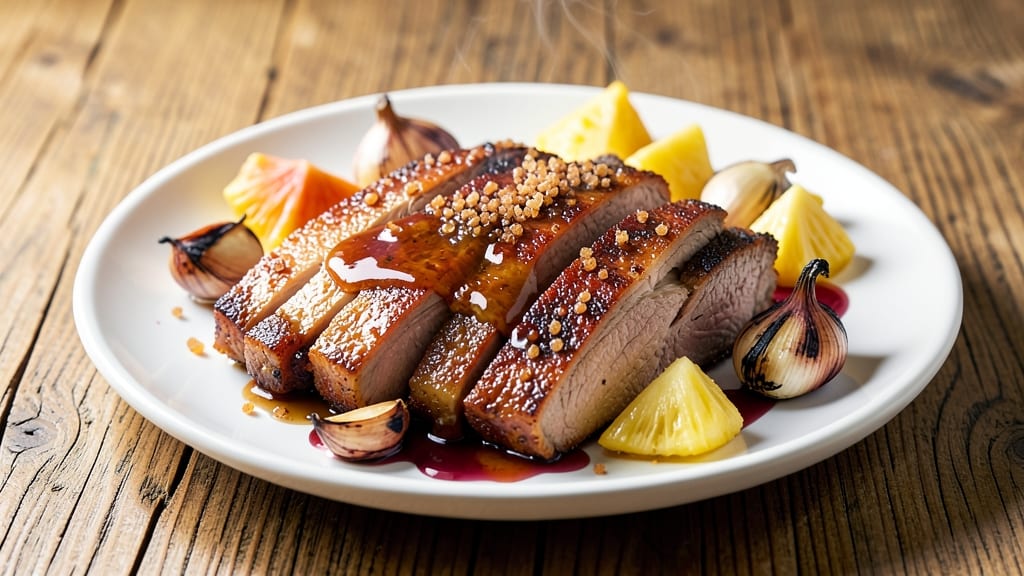
This best pork hamonado recipe with the pineapple juice delivers the perfect balance of sweet, tangy, and savory flavors that make it a Filipino comfort food staple.
The pineapple juice transforms traditional curing into a caramelized glaze that clings beautifully to tender pork belly, creating a dish that's both nostalgic and elevated.
I first discovered this technique while visiting my aunt's kitchen in Manila, where she'd let the meat cure for days—patience that transforms simple ingredients into something extraordinary.
The magic happens in the curing process, where vinegar and soy sauce tenderize the meat while pineapple juice adds a bright, tropical sweetness that caramelizes into a glossy glaze.
This isn't just a recipe—it's a celebration of Filipino home cooking, where every bite carries layers of flavor built through slow preparation. The result is pork so tender it nearly melts in your mouth, with a surface that's irresistibly sticky and golden.
What makes this version special is the balance between tradition and modern convenience. While the curing process requires time (typically 24 hours), the actual cooking is straightforward—simmering the pork until fork-tender, then glazing it with that sweet-tart reduction.
The aroma alone will fill your kitchen with warmth, making it perfect for family gatherings or special occasions when you want to impress.
Serve this pork hamonado with steamed rice and a simple green salad to let the flavors shine, or pair it with garlic fried rice for a more indulgent meal. The leftovers reheat beautifully, making it an excellent candidate for meal prep.
Whether you're recreating a childhood memory or discovering this dish for the first time, the caramelized edges and tender meat will leave everyone asking for seconds.
Ingredients for best pork hamonado recipe with pineapple juice
Sweet-tart magic starts with these 12 ingredients—where Filipino tradition meets bold flavors.
| Ingredient | Amount | Notes |
|---|---|---|
| Pork Belly 🥓 | 2 lb | Skin-on for crispy finish |
| Pineapple Juice 🍍 | 1 cup | Freshly squeezed preferred |
| White Vinegar 💧 | ½ cup | Distilled for best results |
| Soy Sauce 🍶 | ½ cup | Light or regular preferred |
| Brown Sugar 🍚 | ½ cup | Packed firmly for accuracy |
| Garlic Cloves 🧄 | 6 cloves | Minced for marinade |
| Black Peppercorns 🌶️ | 1 tsp | Freshly cracked preferred |
| Bay Leaves 🌿 | 2 whole | Fresh if available |
| Ground Black Pepper 🌶️ | ½ tsp | Freshly ground for flavor |
| Olive Oil 🫒 | 2 tbsp | For searing pork belly |
| Water 💧 | 1 cup | For simmering liquid |
| Salt 🧂 | 1 ½ tsp | Kosher or sea salt |
The pork belly is non-negotiable for that melt-in-your-mouth texture. Look for thick-cut pieces with good marbling—Costco or Asian markets usually have the best quality. Fresh pineapple juice is a game-changer (the canned stuff just won't cut it), so grab a small pineapple from Trader Joe's or your local produce stand. The brown sugar should be packed firmly—don't scoop it loosely or you'll end up with less than you need. For the soy sauce, Lee Kum Kee or any light Filipino soy sauce will give you that authentic depth. I always double-check my garlic cloves are plump and firm—none of that shriveled stuff.
No fresh pineapple juice? Coconut water works in a pinch, though it'll be slightly less tangy. Swap white vinegar for apple cider vinegar if you prefer a milder taste. Running short on time? Pre-minced garlic from a jar is fine, but fresh is always better. The pork belly skin should be scored in a diamond pattern before curing—this helps the glaze penetrate. If you're feeling fancy, wrap the scored belly in cheesecloth before curing to keep it compact. The bay leaves can be dried, but fresh ones add a subtle aroma that's worth hunting down at specialty markets.
This dish tastes even better the next day, so plan ahead. Store the cured pork belly in the fridge for up to 48 hours before cooking—longer cures yield deeper flavor. The cooked hamonado keeps for 3-4 days in the fridge, and freezes beautifully for up to 3 months. For meal prep, slice it thinly and reheat in a skillet with a splash of water to revive that caramelized glaze. Leftovers make amazing sandwiches—just pile on some steamed rice and enjoy!
Why You'll Love This Recipe
- One-Pot Magic: The pork belly practically cooks itself in that tangy-sweet pineapple marinade—just sear it, simmer it, and let the vinegar and soy sauce work their magic. No flipping, no fussing, no extra pans to wash. Honestly, I’ve made this while scrolling through my phone.
- Sweet-Tart Bomb: That first bite? The caramelized brown sugar meets the bright acidity of the pineapple juice, then the deep umami from the soy sauce—it’s like a flavor party in your mouth. The pork belly stays juicy, and the sauce clings like a sticky, delicious hug.
- Leftovers That Don’t Suck: This dish actually improves the next day. The flavors meld even more, and the pork gets even more tender. I pack it for lunches or reheat slices for quick tacos—no one ever complains (even my picky husband).
- Budget-Friendly Feast: Pork belly is cheaper than you think, and a little goes a long way here. The pineapple juice and vinegar stretch the sauce over every bite, so you’re not just feeding one person—you’re feeding a crowd without breaking the bank. (Yes, even on a Tuesday night.)
Step-by-step instructions for pork hamonado with pineapple juice
Here's how to transform simple pork belly into restaurant-quality hamonado with a caramelized glaze.
Prepare the Pork Belly and Marinade Base
Start by trimming any excess fat from the 2 lb pork belly, leaving about ¼-inch fat cap for flavor and moisture. Score the fat in a diamond pattern using a sharp knife—this creates channels for the marinade to penetrate deeply and helps render the fat during cooking.
In a medium saucepan, combine the 1 cup pineapple juice, 0.5 cup white vinegar, 0.5 cup soy sauce, 0.5 cup packed brown sugar, 6 minced garlic cloves, 1 tsp cracked black peppercorns, 2 whole bay leaves, and 1.5 tsp salt. Bring to a gentle simmer over medium heat for 5 minutes until the sugar begins to dissolve and the aromatics release their fragrance. Here's the thing—this marinade needs to reduce slightly so it clings beautifully to the meat later.
Marinate the Pork for Maximum Flavor
Remove the saucepan from heat and let the marinade cool completely to room temperature. This prevents the pork from cooking prematurely in the hot liquid. Place the pork belly in a large resealable plastic bag and pour the cooled marinade over it, ensuring it's fully submerged. Seal the bag tightly and refrigerate for at least 12 hours, preferably overnight—this allows the flavors to meld completely and tenderizes the meat.
Real talk: Don't rush this step. The longer the pork sits in the marinade, the more intense the flavor becomes. I've found that overnight marinating develops a depth of sweetness and acidity that's simply unmatched in shorter marinating times.
Sear the Pork Belly for Crispy Skin
Remove the pork from the marinade (reserve the marinade for later) and pat it dry with paper towels. Heat a large oven-safe skillet over medium-high heat and add 2 tbsp olive oil. Once the oil is shimmering, add the pork belly fat-side down and press gently with a spatula to ensure even contact with the pan. Cook for 8-10 minutes without moving it until the fat renders and the skin turns deep golden brown.
This is the moment that matters: The rendered fat will bubble and sizzle, creating that irresistible aroma. Flip the pork once and cook the other side for another 5-7 minutes until golden brown. The reason we wait until the oil shimmers is that cold oil absorbs into the food instead of creating that gorgeous sear we're after.
Braise Until Tender and Glazed
Transfer the pork to a plate and pour the reserved marinade into the skillet, scraping up all the browned bits from the bottom. Add 1 cup water and bring to a simmer. Place the pork belly back into the skillet, fat-side up, and cover with a lid. Transfer to a preheated 300°F oven and braise for 2 hours, or until the pork is fork-tender and the internal temperature reaches 195°F.
During the last 30 minutes of cooking, increase the oven temperature to 375°F and uncover the pork. This final step allows the marinade to reduce and caramelize, creating that beautiful glaze we're after. You'll know it's ready when the pork releases easily from the bone and the glaze has thickened to a syrupy consistency.
Rest and Slice for Perfect Texture
Remove the pork from the oven and let it rest for 15 minutes before slicing. This resting period allows the juices to redistribute throughout the meat, ensuring each slice is moist and flavorful. Use a sharp knife to slice the pork belly into ½-inch thick slices, cutting through both the meat and the crispy skin.
Serve immediately with the caramelized glaze spooned over the top. Each bite should deliver a perfect balance of sweet, tangy, and savory flavors with a crispy exterior and tender interior. This dish is a showstopper that will have everyone asking for seconds.
Pro Tips For Making Best Pork Hamonado Recipe With Pineapple Juice
- USE FRESH PINEAPPLE JUICE: Store-bought juice lacks the depth of fresh—blend a whole pineapple, strain, and use the liquid straight away. The natural acids work better when they’re bright, not dull from sitting in a carton.
- SIMMER LOW AND SLOW: After the initial sear, drop the heat to a gentle simmer when adding vinegar and soy sauce. Too much heat turns the sauce bitter, and you’ll end up with tough pork instead of tender, caramelized slices.
- SKIP THE OVERCROWDING: If you’re braising or steaming the pork belly, give it space in the pot. Piling it high traps steam and turns the edges soggy—aim for a single layer or stack with parchment between slices.
- BALANCE THE SWEET-SOUR: Taste the marinade before it hits the pork. If the vinegar’s too sharp, add a pinch more brown sugar; if it’s cloying, splash in extra pineapple juice. The ratio should sing, not fight.
Wine and beer pairings for best pork hamonado recipe with pineapple juice
Filipino White Wine
For this dish, I always reach for a crisp Filipino white wine like Petron White or Lambanog—both are light, slightly sweet, and cut through the richness beautifully. The subtle fruitiness complements the pineapple in the glaze while balancing the soy and vinegar notes.
If you can't find Filipino wine, Sauvignon Blanc or Pinot Grigio work wonders—their citrusy brightness mirrors the pineapple's tang. 🍷
Malaysian Lager
Looking for a beer pairing? A Malaysian lager like Tiger Beer or Anchor is perfect—its light maltiness and subtle sweetness won’t overpower the dish. The effervescence also cleanses your palate between bites of the caramelized pork.
If you prefer craft beer, a hazy IPA with tropical notes (like New Belgium Fat Tire) adds a fun contrast to the glaze’s sweetness.
Rum-Based Cocktails
For a festive touch, serve piña coladas or rum punch—the coconut and pineapple in these drinks echo the flavors in the hamonado. I love making a quick rum spritz with Filipino rum (like Lambanog or Don Q Cristal), pineapple juice, and soda water.
The rum’s warmth pairs beautifully with the dish’s tangy-sweet profile, making it ideal for celebrations.
Avoid Heavy Reds
Skip bold red wines or heavy stouts—they’ll clash with the dish’s delicate glaze. Even Cabernet Sauvignon or Malbec can overpower the pork’s tenderness. Instead, stick to lighter options that let the hamonado’s flavors shine. Trust me, your taste buds will thank you! 💫
Nutrition facts
Frequently asked questions
Can I use canned pineapple juice instead of fresh?
Fresh pineapple juice is ideal, but you can use high-quality canned juice in a pinch. Look for brands with no added sugar or preservatives. If using canned juice, reduce it by 10% before marinating to account for excess water content. The flavor won't be as vibrant, but it still works for the glaze.
How long can I marinate the pork before it gets too acidic?
The pork can safely marinate for up to 48 hours in the refrigerator without becoming overly acidic. Beyond that, the vinegar and soy sauce may start to break down the meat's texture. For best results, stick to 12-24 hours—this gives the flavors time to meld without compromising the meat's integrity.
What's the secret to getting that perfect caramelized glaze?
The glaze forms when the marinade reduces during the final 30 minutes of cooking at 375°F. Ensure your oven is fully preheated and uncover the pork during this time to let the moisture evaporate. If the glaze isn't forming, reduce the marinade on the stovetop before adding it back to the pork. Patience is key—don't rush this step!
Can I make this recipe with pork shoulder instead of pork belly?
Yes, but the texture will differ slightly. Pork shoulder is leaner and requires longer cooking (3-4 hours) to become tender. Score the meat and use the same marinade, but expect less crispy skin. For best results, trim excess fat and add ½ cup extra water to the braising liquid. The flavor will still be fantastic!
Why did my pork turn out dry?
Overcooking is the most common cause. Use a meat thermometer and remove the pork when it reaches 195°F—it will continue cooking slightly as it rests. Also, ensure you're not overcrowding the pan during searing. If using pork shoulder, cook it low and slow with extra liquid. Resting for 15 minutes is non-negotiable—this redistributes the juices!