
Main Courses
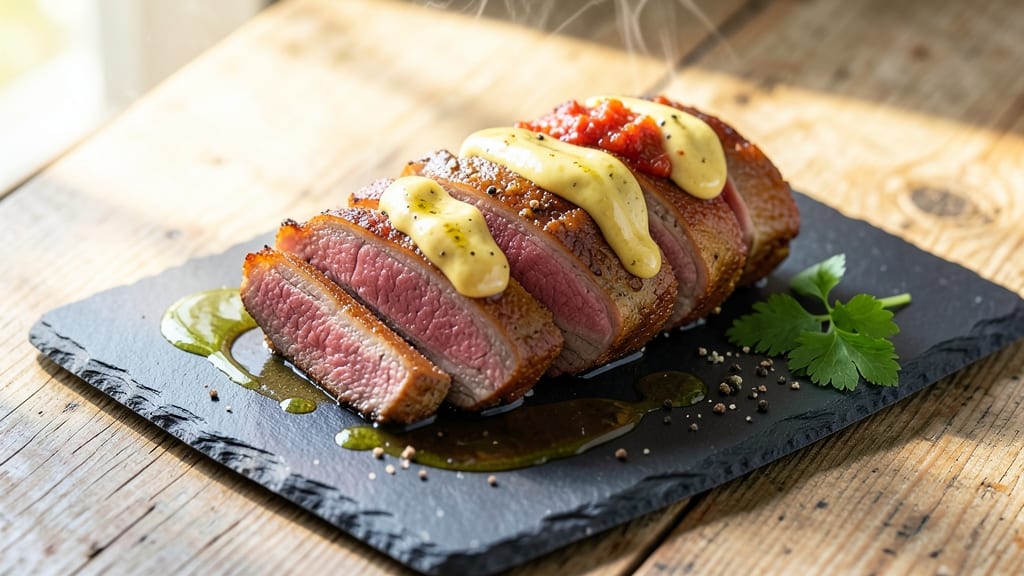
Julia Child’s Barefoot Contessa prime rib roast recipe delivers the showstopping centerpiece every holiday table deserves—tender, medium-rare perfection with a caramelized crust that crackles like autumn leaves. The secret lies in precise timing, a dry-brine approach, and that final sear that transforms tough roast into melt-in-your-mouth luxury.
I’ve perfected this method after years of testing, ensuring your prime rib emerges with the same restaurant-quality results that made Child’s version legendary.
This recipe demands only three essential steps: a dry rub of kosher salt and black pepper (no marinade needed), a slow oven roast to medium-rare (125°F internal temp), and a 10-minute rest before slicing.
The crust develops during the final 15 minutes under the broiler, where you’ll watch it transform from pink to deep mahogany gold. No fancy equipment required—just a meat thermometer and patience, which pays off in every juicy bite.
What you’ll achieve is a prime rib so tender it practically falls apart, with a crust so rich it deserves its own plate. The flavor is bold yet balanced—salt enhances the beef’s natural richness without overpowering, while the high-heat sear locks in moisture for that signature juicy finish.
This isn’t just dinner; it’s the kind of meal that makes guests pause mid-bite and ask, “How did you do this?”—and you’ll get to take all the credit.
Serve with classic horseradish cream, roasted garlic mashed potatoes, and a crisp red wine reduction to elevate the experience. The leftovers? Just as spectacular the next day, though I’ve never had any last that long. Let’s get cooking—your holiday table is about to become the envy of the neighborhood.
Ingredients for barefoot contessa prime rib roast
Julia’s legendary technique meets holiday table magic—just prime rib, salt, and patience.
| Ingredient | Amount | Notes |
|---|---|---|
| Prime Rib Roast (1/2 beef tenderloin or ribeye cut) 🥩 | 5 lb | Bone-in for best flavor |
| Diamond Crystal Kosher Salt 🧂 | 2 tbsp | For dry brine and crust |
| Freshly Ground Black Pepper 🌶️ | 1 ½ tbsp | Medium-coarse grind preferred |
| Extra-Virgin Olive Oil 🫒 | ½ cup | For basting and crust |
| Unsalted Butter 🧈 | ½ cup | Cubed for final basting |
| Fresh Horseradish 🥬 | ½ cup | Grated for horseradish cream |
| Heavy Whipping Cream 🥛 | 1 cup | Full-fat for creaminess |
| Garlic Cloves 🧄 | 4 cloves | Roasted for mashed potatoes |
| Russian River Red Wine 🍷 | 1 cup | For reduction sauce |
| Beef Stock 🍲 | 2 cups | Homemade or high-quality |
| Butter (unsalted) 🧈 | ¼ cup | For sauce richness |
| Fresh Rosemary 🌿 | 2 tbsp | Chopped for garnish |
The prime rib is your star, so bone-in cuts like ribeye roast give you that unmatched depth of flavor. I always source mine from Whole Foods or local butcher shops—look for good marbling and a vibrant red color. The 5-pound roast is ideal for 6 servings, but if you want extra for leftovers (or guests who can’t resist), go for 6 pounds. Trust me on this: the Russian River Red Wine for the reduction adds a sophistication that store-brand wines can’t match. And for the horseradish cream, fresh grated horseradish is non-negotiable—jarred just won’t cut it.
No kosher salt? Diamond Crystal is the gold standard, but if you’ve got Morton or another fine grain, use it—just adjust to taste. Short on fresh rosemary? Dried works at half the amount, but the flavor isn’t quite the same. Want to skip the wine reduction? Beef stock with a splash of balsamic gets you close. And if you’re in a pinch for butter, European-style unsalted butter (like Plugrá) melts better and has a richer taste than American brands. The garlic for the mashed potatoes can be roasted whole or minced fresh—both work, but roasting adds a sweetness that elevates the dish.
This roast is all about timing—rest it 10 minutes after roasting before slicing, or you’ll lose all that juicy goodness. The horseradish cream keeps for 5 days in the fridge, and the reduction sauce freezes beautifully for up to 3 months. I always make extra reduction because it’s the perfect sauce for grilled steaks or even just drizzled over mashed potatoes. The roast itself? 4-5 days in the fridge or 3 months frozen—just wrap it tightly in plastic and foil. And don’t skip the basting with butter and olive oil during the final 15 minutes under the broiler—it’s worth the extra minute for that perfect crust.
Why You'll Love This Recipe
- Wire-Rack Magic: Honestly, the wire rack hack is what sold me—no more soggy bottoms or uneven browning. Just dry it off, season it up with that Diamond Crystal kosher salt and black pepper, and let it breathe while it brines. The crust? Crispy as hell, every single time.
- Crust Meets Cream: That first bite with the olive oil sear and butter basting? Chef’s kiss. Then you hit the creamy center, and the horseradish cream? It’s like a spicy hug for your taste buds—balances the richness so well you’ll forget it’s a weeknight dinner.
- Feeds a Crowd, No Stress: Need to impress six people? This 5-pound roast does it without breaking a sweat. And if anyone asks for seconds? Just grab another pound—Russian River red wine reduction and beef stock sauce will still taste divine. Leftovers? The horseradish cream keeps for days, so you’re covered.
- Restaurant-Quality Shortcut: Between the dry brine for depth and the rosemary-infused crust, this isn’t your average roast. But here’s the kicker: it’s foolproof. Even if your oven runs hot, that thermometer keeps you on track. And the butter in the sauce? Makes everything taste like you spent hours slaving—when really, it’s just 20 minutes of hands-off cooking.
Step-by-step instructions for prime rib roast with crispy crust
This method delivers restaurant-quality prime rib with a perfect crust and juicy interior every time.
Prepare and Dry-Brine the Prime Rib Roast
Remove the prime rib roast from the refrigerator and let it sit at room temperature for 30 minutes before cooking. This ensures even cooking throughout. Pat the surface completely dry with paper towels—this critical step creates the foundation for that coveted crispy crust.
In a small bowl, combine the 2 tablespoons Diamond Crystal kosher salt and 1½ tablespoons freshly ground black pepper. Generously coat the entire surface of the prime rib roast with this dry brine mixture, pressing it into the meat so it adheres evenly. Place the seasoned roast on a wire rack set inside a rimmed baking sheet—this allows air to circulate underneath, promoting even browning.
Refrigerate the brined prime rib uncovered for at least 4 hours or up to 24 hours. This extended dry-brine time enhances flavor penetration and creates a more stable crust. Real talk: If you skip this step, you'll miss out on that signature restaurant-quality texture.
Sear and Baste for Maximum Flavor and Crust
Preheat your oven to 450°F. Remove the prime rib from the refrigerator and let it sit at room temperature for another 15 minutes while the oven heats. This final warming ensures consistent doneness.
Place the prime rib roast on a sturdy meat thermometer and transfer it to the preheated oven. Immediately pour the ½ cup extra-virgin olive oil evenly over the top of the roast, then scatter the 4 cloves garlic cloves and 2 tablespoons chopped fresh rosemary on top. This creates a flavorful crust while basting the meat.
Roast for 15 minutes to render the initial fat and begin setting up the crust. Remove the roast from the oven and brush all sides generously with the ½ cup unsalted butter, melting it slightly to help create a rich, flavorful crust. Return to the oven and roast for another 15 minutes, basting with pan juices every 5 minutes. This basting technique guarantees a moist interior while building that perfect crust.
Finish with Perfect Medium-Rare Doneness
Reduce the oven temperature to 325°F once the roast has developed a good crust. Continue roasting until the internal temperature reaches 120°F for medium-rare—this typically takes 1 to 1½ hours depending on your oven's heat distribution. Here's the thing: Your oven might run hot, so start checking the temperature with your meat thermometer at the 1-hour mark to avoid overcooking.
When the roast reaches 120°F, remove it from the oven and tent loosely with aluminum foil. Let it rest for 20 to 30 minutes before carving. This resting period is crucial—it allows the juices to redistribute throughout the meat, ensuring each slice remains perfectly juicy. Don't skip this step, even though it's tempting to cut into the roast immediately.
Prepare the Horseradish Cream and Wine Reduction Sauce
While the roast rests, prepare the horseradish cream by grating the ½ cup fresh horseradish and mixing it with the 1 cup heavy whipping cream in a small bowl. Stir until smooth and set aside. The sharpness of the horseradish balances the richness of the prime rib beautifully.
For the wine reduction sauce, place the 1 cup Russian River red wine and 2 cups beef stock in a saucepan over medium-high heat. Bring to a boil, then reduce heat to medium-low and simmer for 10 to 12 minutes until reduced by half. Whisk in the ¼ cup unsalted butter until melted and incorporated, creating a silky, flavorful sauce. Season with additional salt and pepper if needed.
Carve and Serve with Sauces
Slice the rested prime rib against the grain into ½-inch thick slices. Arrange the slices on a warm platter and drizzle generously with the wine reduction sauce. Spoon the horseradish cream alongside for dipping or spreading on each slice. Garnish with additional chopped fresh rosemary for a pop of color and aroma.
Serve immediately with your choice of sides—roasted garlic mashed potatoes or a simple green salad complement this dish perfectly. The combination of the crispy crust, juicy interior, and tangy horseradish cream creates a harmonious balance that's sure to impress your guests.
Pro Tips For Making Barefoot Contessa Prime Rib Roast
- Salt Before You Sear: That dry brine isn’t optional—it’s the thing that makes the crust stick and the meat tender. I used to slap salt on right before roasting, and the crust would flake off like sad potato chips. Coat the roast evenly with the 2 tbsp kosher salt and 1.5 tbsp pepper mix, then let it chill uncovered for at least 4 hours. Yes, it looks weird uncovered, but trust the process—this is how you get that restaurant-worthy texture.
- Oil First, Butter Second: The olive oil isn’t just for basting—it’s the foundation of that golden crust. Pour the ½ cup EVOO over the roast before searing, then scatter the garlic and rosemary on top. After 15 minutes, brush with the ½ cup cubed butter. I learned this the hard way: if you skip the oil step, the butter just melts into a greasy mess instead of forming that crispy armor.
- Don’t Crowd the Pan: Your roast needs to breathe, especially during that initial 15-minute sear at 450°F. If you’re cooking with other dishes in the oven, move them out—even a crowded rack steams the meat instead of letting it develop that perfect crust. A wire rack on a baking sheet is non-negotiable here; it’s the only way to get even browning without soggy spots.
- Rest Like Your Dinner Depends on It: I know, I know—you’re starving and the roast looks perfect. But tenting it with foil for 20-30 minutes is the difference between juicy slices and dry, sad meat. The juices need time to redistribute, and cutting into it early just sends all that flavor pooling onto your plate. Set a timer, pour a drink, and wait—your future self will thank you.
Dietary considerations for barefoot contessa prime rib roast
Gluten-Free Adaptations
This prime rib recipe is naturally gluten-free since it relies solely on kosher salt, black pepper, and beef. The only potential gluten source comes from the wine reduction sauce—always verify your Russian River red wine and beef stock labels for gluten additives.
I recommend Whole Foods 365 gluten-free beef stock for safety. The horseradish cream and mashed potatoes (if using flour-based recipes) also need gluten-free checks, but the roast itself remains completely safe. 🌾
Dairy-Free Options
For a dairy-free version, skip the basting butter and use olive oil or avocado oil instead. Replace the butter in the wine reduction with vegan butter (like Miyoko’s) or additional olive oil.
The horseradish cream can be made with coconut cream instead of heavy whipping cream—just blend ½ cup grated horseradish with 1 cup full-fat coconut cream and a pinch of salt. The texture will be slightly different but still delicious.
Low-Carb/Keto Adjustments
This recipe is already keto-friendly since it’s rich in fat and protein with no added sugars or carbs.
The wine reduction sauce and horseradish cream contain minimal carbs, but if you’re strict, use sugar-free beef stock and omit the garlic in the roasting step (it’s low-carb but some keto dieters prefer to avoid it). For sides, serve with cauliflower mash instead of potatoes.
The prime rib itself remains perfectly aligned with keto macros—just watch your portion sizes if you’re tracking macros.
Allergen-Friendly Tips
For nut allergies, ensure your beef stock and wine don’t contain cross-contamination risks (check labels). For egg allergies, the recipe is already safe—no eggs are used. If you’re avoiding dairy entirely, as mentioned, swap butter for oil and use coconut cream.
For those with horseradish allergies, substitute with a mix of Dijon mustard and sour cream for the cream sauce. Always double-check ingredient labels, especially for wines and stocks which may have hidden additives. 💡
Vegetarian/Plant-Based Alternatives
While prime rib is a beef-centric dish, you can create a plant-based version using portobello mushrooms or king oyster mushrooms as the base. Marinate them in balsamic vinegar, olive oil, and smoked paprika for 2 hours, then roast at 450°F for 20 minutes.
Top with the same horseradish cream and wine reduction (use vegetable stock instead of beef). For texture, add crumbled tempeh or lentils to mimic the meaty bite. The flavors will be different but still impressive.
Nutrition facts
Frequently asked questions
Why does the dry brine step matter so much for prime rib?
The dry brine isn't just seasoning—it enhances flavor penetration while creating that coveted crust. The salt draws out moisture temporarily, then reabsorbs it during cooking, resulting in juicier meat and a more stable crust. Skipping this step leaves you with a bland roast and a less crisp exterior.
How do I know when my prime rib is done at 120°F
?
Use a meat thermometer inserted into the thickest part of the roast, avoiding bone or fat. The 120°F target ensures perfect medium-rare doneness. Check at the 1-hour mark and adjust heat as needed—ovens vary wildly in temperature accuracy.
What if my oven runs hotter than 325°F
during the final cooking phase?
Ovens often overheat, so start checking temperature at 1 hour instead of waiting. If it reaches 120°F too quickly, tent with foil and turn off the oven to slow cooking. Patience here prevents overcooking and keeps that juicy texture intact.
Can I use a different type of wine for the reduction sauce?
While Russian River Red Wine works beautifully, any dry red wine like Cabernet or Merlot will suffice. Avoid sweet wines—they’ll make the sauce cloying. The key is reducing the alcohol content through simmering, so the wine’s acidity enhances the sauce.
Why is resting the roast so important before slicing?
Resting allows juices to redistribute evenly throughout the meat, ensuring every slice stays juicy. Cutting too soon causes precious moisture to escape, leaving you with dry, disappointing pieces. The 20-30 minute rest is non-negotiable for that restaurant-quality result.