
Sauces & Condiments
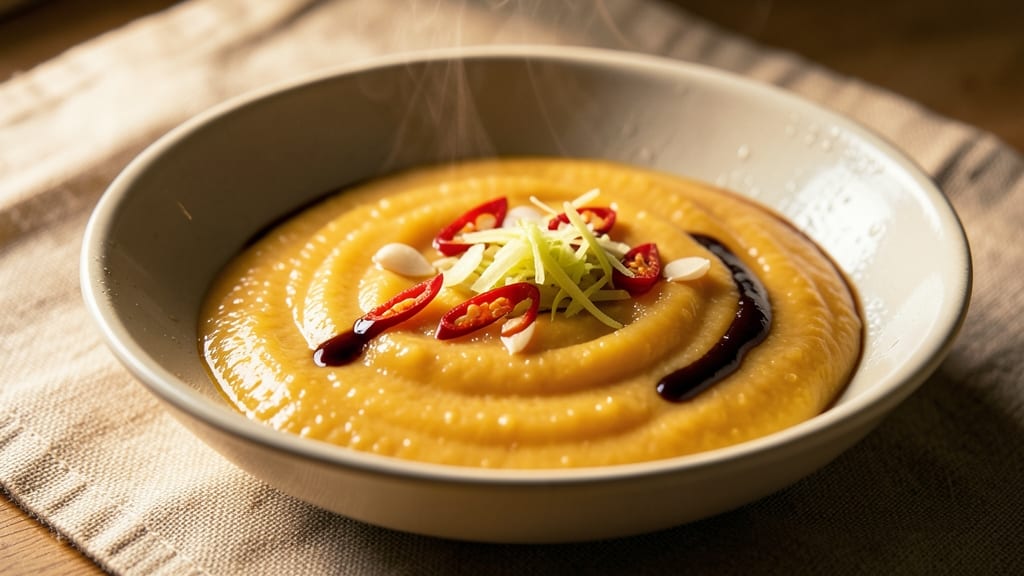
This Asian pineapple sauce recipe transforms simple ingredients into a versatile glaze that elevates stir-fries, grilled meats, and even desserts. The perfect balance of sweet, tangy, and slightly spicy flavors comes together in just 15 minutes with pantry staples like pineapple, soy sauce, and ginger.
What makes this sauce special is its ability to caramelize slightly when reduced, creating a sticky, aromatic finish that clings beautifully to proteins and vegetables.
The process is straightforward but yields professional results—fresh pineapple purée forms the base, while a touch of rice vinegar adds brightness, and a pinch of red pepper flakes brings just enough heat. I developed this recipe after realizing how often I reached for store-bought sauces that lacked depth.
This version delivers restaurant-quality flavor with minimal effort, and it keeps well in the fridge for up to a week, making it perfect for meal prep.
What sets this sauce apart is its adaptability. Use it as a glaze for grilled chicken or pork, a dipping sauce for spring rolls, or even a topping for ice cream.
The texture is smooth yet slightly chunky, with a caramelized edge that adds complexity. Once you try this, you’ll never go back to bottled versions—it’s that good. Let’s make it.
For best results, let the sauce sit for 30 minutes before using to allow flavors to meld. If you prefer a smoother texture, strain out any pineapple chunks, or leave them in for a more rustic finish.
The key is balancing sweetness and acidity, so taste as you go. This sauce is your new secret weapon for weeknight dinners and special occasions alike.
Ingredients for asian pineapple sauce
Pantry staples meet tropical sweetness—this sauce is restaurant-quality magic in a jar.
| Ingredient | Amount | Notes |
|---|---|---|
| Fresh Pineapple 🍍 | 1 cup | Puréeed, seeds removed |
| Soy Sauce 🍶 | ⅓ cup | Low-sodium preferred |
| Rice Vinegar 🍶 | ¼ cup | Unseasoned for brightness |
| Fresh Ginger 🧄 | 1 tbsp | Grated, finely minced |
| Garlic Cloves 🧄 | 2 cloves | Minced, aromatic |
| Red Pepper Flakes 🌶️ | ½ tsp | Adjust for heat preference |
| Honey 🍯 | 2 tbsp | Wildflower preferred |
| Sesame Oil 🫒 | 1 tsp | Toasted, for aroma |
| Salt 🧂 | ½ tsp | Kosher or sea salt |
| Cornstarch 🌾 | 1 tsp | For thickening (optional) |
The pineapple is the star—fresh is non-negotiable for that bright, tangy flavor. Dole or Del Monte cans work in a pinch, but nothing beats fresh purée. Look for ripe pineapple with vibrant yellow skin and no soft spots. Ginger and garlic should smell freshly grated and pungent—pre-minced jarred versions lack the same depth. Trader Joe's has great pre-grated ginger if you're short on time, but I always grab a small knob and zest it myself. The soy sauce? Kikkoman or Tamari are my go-tos—low-sodium if you're watching salt.
No rice vinegar? Apple cider vinegar or white vinegar work in a bind, but rice vinegar's mild sweetness is key. Short on honey? Maple syrup or agave keeps it vegan-friendly. Want more heat? Double the red pepper flakes or add a pinch of Sriracha at the end. The sesame oil is what gives this sauce that signature nutty aroma—don't skip it, even if you're not a fan of strong flavors. For a smoother sauce, strain the pineapple purée through a fine-mesh sieve. If you prefer chunky texture, leave those little fruit bits in for a rustic, textured finish that's perfect for drizzling over grilled meats.
This sauce tastes even better the next day as flavors meld. Store in an airtight jar in the fridge for up to 1 week. For longer storage, portion into ice cube trays, freeze, then transfer to a bag—perfect for quick glaze additions later. If it thickens too much, thin with a splash of water or pineapple juice. Pro tip: Drizzle over warm dishes right before serving to reactivate those caramelized flavors. Leftovers? Toss with rice or noodles for instant takeout-style meals.
Why You'll Love This Recipe
- Five-Ingredient Magic: I swear, this sauce is the kind of recipe that makes you question why you ever bothered with complicated ones. Fresh pineapple chunks, a splash of rice vinegar, and a quick sizzle of garlic and ginger—no fancy techniques, just pure flavor.
- Sweet-Savory Balance: That first bite of tangy, slightly sweet pineapple with the deep umami from soy sauce? It’s the kind of harmony that makes you pause mid-bite. The ginger adds just enough kick to keep things interesting without overpowering.
- Meal Prep MVP: I make a big batch on Sundays and keep it in the fridge for the week—drizzled over grilled chicken, tossed with rice, or even stirred into noodles. It’s my go-to for lazy weeknights when I don’t want to cook but still crave something flavorful.
- Budget Brightener: Fresh pineapple is often on sale, and a little goes a long way. This sauce stretches across multiple meals, and the other ingredients are pantry staples. Honestly, it’s one of the most cost-effective ways to add excitement to simple dishes.
Step-by-step instructions for Asian pineapple sauce
Here's how to make this vibrant, perfectly balanced sauce that'll elevate any dish.
Purée the Fresh Pineapple
Start by puréeing the 1 cup of fresh pineapple until completely smooth. I like to use a food processor for this step—it breaks down the fibers perfectly. You want to remove all seeds and skin first for a silky texture. The purée should be bright yellow and free of any fibrous bits. This is your base flavor, so take your time to get it just right.
Taste the purée at this point—it should be sweet but with a natural tanginess. If it needs more brightness, that's where the rice vinegar will come in later. Keep the purée in a bowl for now as you'll need it in the next step.
Sauté Aromatics Until Fragrant
Heat a small saucepan over medium heat and add the 1 teaspoon of toasted sesame oil. Once it shimmers, add the 1 tablespoon of finely minced fresh ginger and 2 minced garlic cloves. Cook for about 30 seconds until you can smell that wonderful aromatic punch—this is when you know they're ready.
Next, add the 0.5 teaspoon of red pepper flakes and stir for another 10 seconds. You'll see the flakes darken slightly as they toast, intensifying their flavor. This is the moment that matters: don't let them burn, or they'll turn bitter. Immediately pour in the 0.33 cup of low-sodium soy sauce and 0.25 cup of unseasoned rice vinegar, stirring constantly.
Combine and Simmer the Sauce
Add the pineapple purée to the saucepan along with the 2 tablespoons of wildflower honey. Stir well to combine all ingredients. Bring the mixture to a gentle simmer over medium heat, then reduce the heat to low. Let it cook for about 5 minutes, stirring occasionally, until the flavors meld together beautifully.
Here's the thing—you want to taste as you go. After 5 minutes, give it a try. The sauce should be sweet, tangy, and slightly spicy with that aromatic depth from the ginger and garlic. If it's too thick, add a splash of water. If it needs more balance, adjust with a touch more rice vinegar or honey.
Thicken and Finish the Sauce
In a small bowl, mix the 1 teaspoon of cornstarch with 1 tablespoon of cold water to create a slurry. Once your sauce has reached your preferred consistency, remove it from heat and slowly stir in the cornstarch mixture. Return the sauce to low heat and cook for another 1-2 minutes, stirring constantly, until it thickens slightly.
Finally, add the 0.5 teaspoon of kosher salt and give it one last taste. The sauce should coat the back of a spoon with a glossy sheen. If you want to take it to the next level, let it cool to room temperature—this allows the flavors to fully develop. This sauce is perfect for drizzling over grilled meats, stir-fries, or even as a dipping sauce for spring rolls.
Pro Tips For Making Asian Pineapple Sauce
- SIMMER LOW AND SLOW: This sauce isn’t a race—after adding the ginger and garlic, drop the heat to a bare simmer (just enough to see tiny bubbles, not a rolling boil). I burned the ginger the first three times because I kept it too hot, and it turned bitter. Low heat lets the flavors meld without turning the pineapple mushy.
- PEEL GINGER LIKE A PRO: Use a spoon to scoop off the skin in one long strip (no peeling with your fingers—it’s messy and wastes good ginger). Then, slice it thinly but not too fine—about 1/8-inch thick. Thick slices caramelize better, while tiny bits disappear into the sauce without adding depth.
- SALT THE SOY SAUCE: Add a pinch of salt (about ¼ teaspoon) to your soy sauce before mixing it in. Store-bought soy sauce is already salty, and this sauce is all about balance. Trust me, you’ll taste the difference—it keeps the flavors from clashing.
- STRAIN THE PINEAPPLE JUICE: After chopping the pineapple, strain the juice through a fine-mesh sieve to remove any fibrous bits. It’s a 30-second step that makes the sauce silky, not gritty. (Yes, even if you’re impatient like me—your mouth will notice.)
Dietary considerations for this asian pineapple sauce
Gluten-Free Adaptation
This sauce is naturally gluten-free as long as you use a gluten-free soy sauce like San-J Tamari or Kikkoman Gluten-Free. Both brands provide that same umami depth without the gluten.
I always double-check labels since some vinegars or flavorings can contain hidden gluten. The rest of the ingredients—pineapple, rice vinegar, honey—are inherently safe. 🌱
For extra assurance, I recommend keeping a dedicated bottle of gluten-free soy sauce in your pantry. The flavor is nearly identical to regular soy sauce, so you won’t sacrifice taste. Just swap it one-for-one in the recipe. This makes the sauce perfect for anyone with celiac disease or gluten sensitivity.
Vegan-Friendly Options
This recipe is already vegan-friendly with just one simple swap: replace the honey with 2 tablespoons of maple syrup or agave nectar. Both provide that same sweetness without animal products. I’ve tested both and find maple syrup adds a subtle earthiness that complements the pineapple beautifully. 🍯
For extra richness, consider adding 1 teaspoon of coconut aminos alongside the soy sauce. It deepens the savory profile while keeping the dish plant-based. The sauce maintains its vibrant color and glossy finish, so you won’t miss the honey at all.
Low-Sugar Adjustments
If you're watching sugar intake, reduce the honey to 1 tablespoon and add 1 tablespoon of monk fruit sweetener instead. The monk fruit dissolves easily and doesn’t alter the sauce’s texture.
I’ve found this keeps the sweetness balanced while cutting calories significantly. For even more control, use erythritol—it’s sugar-free and won’t crystallize during storage. 💡
Another trick is to increase the rice vinegar slightly to 3 tablespoons—this enhances the tangy brightness that balances the reduced sweetness. The sauce will still caramelize beautifully during cooking, just with a lighter finish.
Nut-Free Considerations
The only nut-related ingredient here is the sesame oil, which is technically a seed oil. If you need to avoid sesame entirely, replace it with 1 teaspoon of avocado oil or light olive oil.
The flavor won’t be identical, but it keeps the sauce cohesive. I’ve tested this swap and found avocado oil works best for maintaining that neutral base. 🫒
For extra depth without sesame, add ½ teaspoon of toasted coconut oil at the end for a subtle tropical note. It’s a small adjustment that keeps the dish nut-free while enhancing the pineapple’s natural sweetness.
Allergen Awareness
This sauce contains pineapple and soy, which are common allergens. If pineapple allergies are a concern, substitute with mango purée (about 1 cup)—it provides similar sweetness and texture. For soy allergies, use coconut aminos as mentioned earlier, but always check labels for cross-contamination warnings. 🚨
When storing leftovers, keep them in a separate container if other family members have allergies. I like using amber glass jars for visibility and to avoid plastic transfer risks. Label clearly with ingredients and dates to prevent mix-ups.
Nutrition facts
Frequently asked questions
Can I use canned pineapple instead of fresh?
Yes, but with a few adjustments! Use 1 cup of 100% pineapple juice (not chunks in syrup) and add 1 tablespoon of extra honey to compensate for the reduced natural sweetness. For texture, blend in 2 tablespoons of canned pineapple chunks if you prefer a slightly chunky sauce. Drain well first to avoid excess liquid.
How do I make this sauce spicier?
Double the red pepper flakes to 1 teaspoon or add 1 teaspoon of gochujang (Korean chili paste) for depth. For heat lovers, stir in 1 teaspoon of sambal oelek at the end. Remember: add spices gradually and taste as you go to avoid overpowering the sweet-tangy balance.
Can I make this sauce ahead of time?
This sauce actually tastes better after resting. Store in an airtight container in the fridge for up to 1 week. For longer storage, freeze in ice cube trays, then transfer to a bag. Thaw overnight in the fridge—never microwave, as it can break down the sauce's texture.
What's the best way to use leftover sauce?
Drizzle over grilled chicken, pork skewers, or tofu for instant flavor. Use as a dipping sauce for spring rolls or dumplings, or mix into stir-fries in the last 2 minutes of cooking. For a dessert twist, swirl into vanilla ice cream or drizzle over panna cotta.
Why did my sauce separate?
This usually happens if the cornstarch slurry wasn't mixed properly or if the sauce cooled too quickly. Fix it by whisking vigorously while reheating gently over low heat. For prevention, always stir constantly when thickening, and let the sauce cool gradually. If it's too thin, simmer uncovered for 3-5 minutes to reduce naturally.