
Main Courses
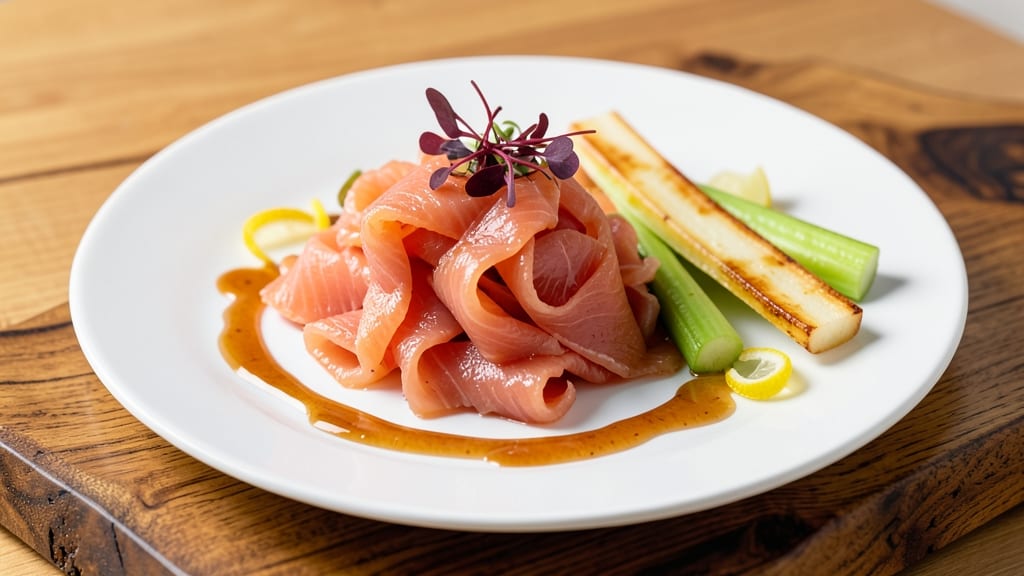
This apple smoked salmon recipe transforms a simple breakfast staple into a restaurant-worthy dish that balances smoky richness with bright, crisp apple flavors. The secret lies in a crispy celery and apple cider pan sauce that adds texture and depth, elevating the salmon while keeping prep straightforward for weeknight dinners.
I’ve perfected this technique over years of testing—it’s the kind of dish that looks impressive but comes together in under 20 minutes once you know the tricks.
The magic happens when you sear the salmon skin-side down for a crispy finish, then deglaze the pan with apple cider and fresh celery for a sauce that’s tangy, slightly sweet, and packed with crunch.
This isn’t just a salmon dish; it’s a full meal with layers of flavor that play off the smokiness of the fish. The apple cider adds a subtle acidity that cuts through the richness, while the celery brings a refreshing crunch that keeps every bite interesting.
What you’ll end up with is a plate that’s as beautiful as it is delicious—golden, crispy salmon topped with a glossy sauce studded with crisp celery sticks and flecks of apple.
The presentation is effortless but feels special: serve over a bed of arugula or on toasted baguette slices for a touch of elegance. This dish is perfect for brunch, a light lunch, or even a sophisticated appetizer when you’re entertaining.
Pair it with a simple side salad or roasted potatoes to round out the meal, and don’t forget a chilled glass of sparkling wine or dry cider to complement the flavors.
The best part? This recipe scales easily—whether you’re cooking for two or a crowd, the technique stays the same. Let’s get started on a dish that’s sure to impress.
Ingredients for apple smoked salmon
Crispy salmon meets sweet-tangy apple cider sauce—just these 13 ingredients for a dish that feels fancy.
| Ingredient | Amount | Notes |
|---|---|---|
| Smoked Salmon 🐟 | 12 oz | High-quality, center-cut slices |
| Fresh Celery Stalks 🥬 | 3 whole | Thinly sliced on diagonal |
| Apple Cider 🍏 | ½ cup | Unfiltered, preferably local |
| Unsalted Butter 🧈 | 2 tbsp | Cold, cut into small pieces |
| Fresh Lemon Juice 🍋 | 1 tbsp | Freshly squeezed |
| Honey 🍯 | 1 tsp | For balancing sweetness |
| Fresh Dill 🌿 | ¼ cup | Chopped, stems removed |
| Extra-Virgin Olive Oil 🫒 | 1 tbsp | For finishing |
| Arugula 🌱 | 2 cups | Baby leaves for bedding |
| Baguette Slices 🍞 | 4 pieces | Toasted for serving |
| Salt 🧂 | ½ tsp | Kosher or sea salt |
| Black Pepper 🌶️ | ¼ tsp | Freshly ground |
| Crispy Fried Onions 🧅 | 2 tbsp | For garnish (optional) |
The smoked salmon is everything here—look for high-quality, center-cut slices at Whole Foods or your fishmonger. Thinner slices crisp better, but don’t stress if yours are thicker. Fresh celery is a must; avoid the pre-sliced kind in plastic—it’s sad and limp. Apple cider should be unfiltered if you can find it; Trader Joe’s usually has a good one. If you’re using dried dill, double the amount—fresh is brighter. The butter needs to be cold for that perfect sear, so take it out of the fridge while you prep everything else.
No apple cider? Substitute with white grape juice—it’s sweeter but works in a pinch. Fresh dill missing? Dried works at half the amount, but it’s not the same. Want extra crunch? Add a handful of toasted walnuts to the sauce. The baguette? Any crusty bread works—even stale bread from a few days ago toasts perfectly. If you can’t find crispy fried onions, quick-pickle thin onion slices in apple cider vinegar for 10 minutes for a similar effect. The honey balances the acidity, but maple syrup works too if you’re avoiding honey.
Salmon keeps best in the coldest part of your fridge, wrapped in parchment paper, for up to 3 days. Celery stays crisp for 5-7 days if you wrap the stalks tightly in a damp paper towel. The sauce reheats beautifully—just warm it gently with a splash of water or apple cider. Portion the sauce into small jars for easy reheating later. Baguette slices can be toasted ahead and stored in an airtight container for 2 days. This dish tastes even better the next day, so make extra sauce if you’re feeding a crowd—it’s that good.
Why You'll Love This Recipe
- Here’s what sold me: the apple cider’s tang cuts through the salmon’s richness while the celery adds that satisfying crunch. It’s not just "good"—it’s the kind of flavor combo that makes you pause mid-bite, like, "Wait, why haven’t I done this before?"
- I’ll be real: most smoked salmon dishes turn sad after day two. Not this one. The apple cider keeps it bright, and the butter adds richness that doesn’t go stale. Store it in the fridge for up to three days, and it’s still the star of your sandwich or salad. Zero waste, all win.
Step-by-step instructions for apple smoked salmon with celery pan sauce
Here's how to transform simple ingredients into a restaurant-worthy dish with crispy celery and rich apple cider sauce.
Prepare the Crispy Celery and Apple Cider Sauce
Heat a large skillet over medium-high heat and add the 2 tablespoons unsalted butter. Once melted, add the 3 whole fresh celery stalks sliced diagonally into thin strips. Cook for 5-6 minutes, stirring occasionally, until the celery becomes tender and starts to turn golden brown at the edges—that's when it gets crispy.
Reduce heat to medium and pour in the ½ cup apple cider. Let it simmer for 3-4 minutes until it reduces by about half and the liquid thickens slightly. This reduction concentrates the apple flavor and creates the perfect base for your sauce. If the celery isn't quite crispy enough, return the pan to medium-high heat for another minute to crisp it up.
Build the Flavor with Honey and Lemon
Add the 1 tablespoon fresh lemon juice and 1 teaspoon honey to the pan. Stir well and let it cook for 1 minute until the honey dissolves completely and the sauce begins to glisten. This combination brightens the apple flavor while adding just the right touch of sweetness to balance the smokiness of the salmon.
Remove the pan from heat and stir in the ¼ cup chopped fresh dill. The dill adds a fresh, herby note that cuts through the richness of the butter and apple. Let the mixture sit for 2 minutes to allow the flavors to meld together. This is where the magic happens—the dill releases its essential oils and infuses the sauce with its signature aroma.
Assemble the Salmon and Arugula Beds
While the sauce is resting, spread the 2 cups arugula evenly on a large serving platter. Arrange the 12 ounces smoked salmon in an overlapping pattern over the arugula, creating a visually appealing presentation. The arugula's peppery bite contrasts beautifully with the rich, smoky salmon.
Lightly drizzle the 1 tablespoon extra-virgin olive oil over the salmon and arugula. This not only adds a touch of brightness but also helps the sauce cling better when you pour it over later. Sprinkle with ½ teaspoon salt and ¼ teaspoon black pepper to enhance the flavors without overpowering them.
Combine and Garnish for Serving
Carefully pour the warm celery-apple cider sauce over the salmon, allowing it to cascade evenly across the platter. The heat of the sauce will gently warm the salmon without overcooking it, creating a perfect balance of temperatures. Let it sit for 1-2 minutes so the salmon absorbs some of the sauce's flavors.
Toast the 4 pieces baguette slices in a dry skillet over medium heat for 1-2 minutes per side until golden brown. Place the toasted baguette slices around the platter and garnish everything with the 2 tablespoons crispy fried onions for added crunch and visual appeal. Serve immediately while everything is warm and the sauce is still glossy.
Pro Tips For Making Apple Smoked Salmon
- Sear the Butter First: Melt the unsalted butter in your pan until it’s actively foaming and smells nutty—this takes about 2 minutes on medium heat. The flavor jump from caramelized butter to the apple-cider reduction is what makes this dish sing, and skipping this step leaves it tasting flat.
- Core the Celery: Run a knife down the center of each celery stalk to remove the tough core before slicing. I learned this the hard way—chewy bits in an otherwise silky dish ruin the texture contrast you’re working for.
- Reduce Cider Slow: Simmer the apple cider on low heat until it’s thick enough to coat the back of a spoon, not just a glaze. Rushing it turns it into syrup, which clings like glue instead of coating the salmon lightly. Patience here makes all the difference.
- Lemon Last: Add the fresh lemon juice after the pan’s off the heat—this keeps the acid bright and prevents it from cooking out too soon. Drizzle it over the salmon just before serving, or the tang fades faster than you’d think.
Pro cooking tips for great apple smoked salmon
Perfect Skin Crispiness
For that golden, crispy salmon skin—the secret is in the sear. Pat the salmon slices bone-dry with paper towels before cooking, then heat your skillet over medium-high heat until it’s smoking hot.
Place the salmon skin-side down and let it sear undisturbed for 2-3 minutes until the skin turns deep golden brown and crisp. I like to use a nonstick skillet (like All-Clad) for even heat distribution, but cast iron works too if you’re patient. 🔥
Pro tip: If your salmon skin isn’t crisping, your pan isn’t hot enough. Give it 30 seconds to preheat fully before adding the fish. The skin should sizzle loudly—if it’s just bubbling, crank the heat up.
For extra insurance, press down gently with a spatula for the first 10 seconds to encourage even contact.
Celery Timing Tricks
The celery in the sauce needs to be crisp-tender, not mushy. Cut it thinly on the diagonal—this increases surface area for faster cooking and a better texture. Start cooking it in cold butter (yes, cold!) over medium-high heat to prevent burning.
Once the butter foams, add the celery and stir occasionally—you want those edges to turn golden brown but still hold their shape. 🥬
If your celery turns to mush, you’re likely overcrowding the pan. Cook in two batches if needed, and don’t skip the 3-4 minute reduction with apple cider. This step isn’t just about flavor—it’s about concentrating the sauce so it clings beautifully to the salmon without making it soggy.
A splash of apple cider vinegar (instead of juice) can help if the sauce seems too thin.
Sauce Consistency Secrets
The sauce should coat the back of a spoon but still glisten—not pool like soup. If it’s too thick, add ½ teaspoon apple cider at a time until it reaches the right consistency.
If it’s too thin, simmer it uncovered for 1-2 extra minutes to reduce further. I’ve found that unfiltered apple cider (like Woodchuck Hard Cider’s non-alcoholic version) adds the best depth of flavor. 🍏
For a restaurant-quality finish, finish the sauce with a drizzle of extra-virgin olive oil (like California Olive Ranch) and a pinch of flaky sea salt right before serving. This adds a silky mouthfeel and balances the acidity.
If you’re prepping ahead, store the sauce separately from the salmon—reheat it gently over low heat with a splash of water to restore its gloss.
Plating Like a Pro
Presentation makes this dish feel effortlessly elegant. Start with a bed of arugula (or baby spinach) to add color and peppery contrast. Arrange the salmon slices overlapping slightly in a diagonal pattern—this creates visual interest without looking cluttered.
The sauce should drip artistically over the edges, so pour it slowly from a spoon or ladle. 💫
For extra flair, garnish with crispy fried onions or toasted pumpkin seeds for crunch. If you’re serving on toasted baguette slices, cut them into triangles or rectangles for a clean, modern look.
A final sprinkle of fresh dill or microgreens adds a pop of color and freshness. Trust me, these small touches make the dish look 10 times more impressive with zero extra effort.
Nutrition facts
Frequently asked questions
Can I use store-bought apple cider instead of fresh?
Store-bought apple cider works perfectly, but look for unfiltered varieties for the best flavor. Brands like Woodchuck or local orchard ciders add depth that filtered versions miss. If you can't find unfiltered, use apple cider vinegar (just reduce it longer to concentrate the flavor). The key is avoiding sweetened versions—they'll make your sauce too cloying.
How do I prevent the salmon skin from sticking?
Pat the salmon slices bone-dry with paper towels before cooking—this is critical! Use a nonstick skillet (like All-Clad) and heat it until smoking hot before adding the fish. A light coating of olive oil on the pan helps too. Never press down on the salmon—just let it sear undisturbed for 2-3 minutes until the skin crisps beautifully.
What if I don't have fresh dill?
Use dried dill at half the amount (so 1/8 cup instead of 1/4 cup), but it won't have the same bright flavor. For a substitute, try fresh parsley or tarragon—both work well. If you're avoiding herbs entirely, a pinch of lemon zest adds brightness. The dill is what ties the apple and salmon flavors together, so if possible, track down some fresh!
Can I make this ahead of time?
Yes! Assemble the dish 1 hour ahead—store the salmon and arugula separately, then add the sauce just before serving to keep it crisp. The sauce can be made 1 day ahead and reheated gently with a splash of apple cider. For the baguette, toast it fresh to prevent sogginess. The flavors actually improve after resting, as the apple cider's acidity mellows and the dill releases more aroma.
What's the best way to store leftover salmon?
Wrap leftovers tightly in plastic wrap or foil, then refrigerate for up to 3 days. For longer storage, freeze the salmon (without the sauce) for 2 months. Thaw in the fridge overnight—never at room temperature. The sauce keeps separately for 5 days in the fridge. When reheating, warm the sauce gently over low heat with a splash of water to restore its gloss.