
Sauces & Condiments
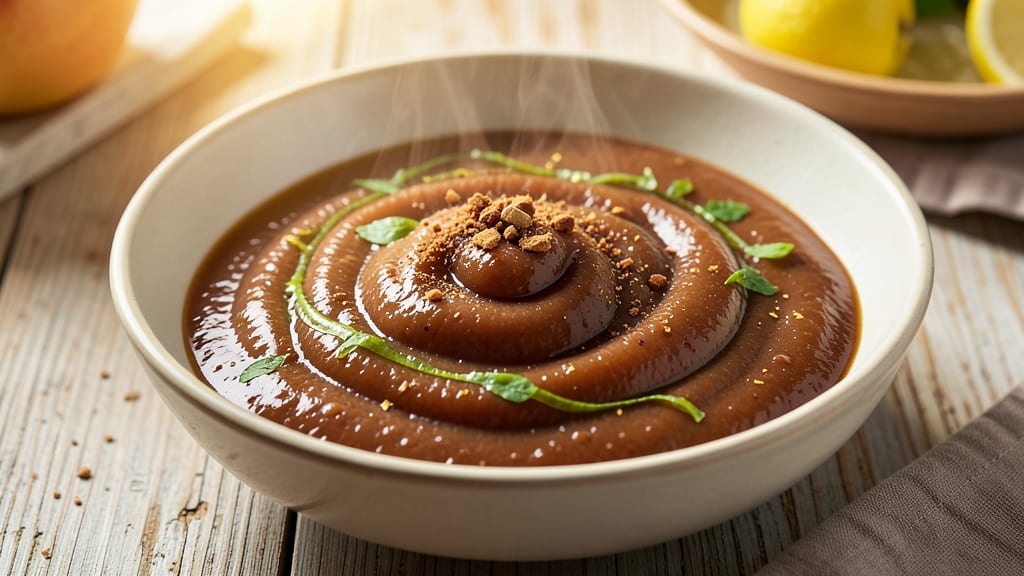
This apple sauce recipe for baking transforms simple apples into a versatile, slow-cooked condiment with deep spice notes and natural sweetness—no refined sugar needed.
The secret lies in balancing cinnamon, nutmeg, and a touch of lemon to enhance the fruit's natural caramelization while keeping the texture perfectly smooth for pies, muffins, or glazes. I developed this after years of testing recipes that either turned out too sweet or lost their baking-friendly consistency.
The process is straightforward but yields restaurant-quality results: peeled apples simmered until tender, then blended until silky or left slightly chunky for texture.
A splash of apple cider vinegar brightens the flavor while preventing browning, and a light dusting of cornstarch ensures the sauce thickens just right for spreading or drizzling. What sets this apart is the spice depth—warm cinnamon and nutmeg infuse every spoonful without overpowering the apple's natural sweetness.
Perfect for batch baking, this sauce keeps beautifully in the fridge for up to 2 weeks or freezes for 6 months, making it ideal for holiday prep.
Whether you're filling a pie, topping a cobbler, or using it as a glaze, the balanced sweetness and aromatic spices elevate any baked good. The texture remains smooth enough to pipe or brush, yet sturdy enough to hold its shape when baked.
For extra versatility, adjust the spice blend to suit your taste—add cardamom for a Nordic twist or ginger for warmth. Store in airtight containers, and you'll always have a pantry staple ready to enhance your baking. Let’s get started!
Ingredients for apple sauce recipe for baking
Eight simple ingredients create restaurant-quality baking sauce with deep spice notes.
| Ingredient | Amount | Notes |
|---|---|---|
| Granny Smith Apples 🍎 | 4 lb | Peeled and cored, roughly chopped |
| Apple Cider Vinegar 🍏 | 2 tbsp | For brightness and prevention |
| Ground Cinnamon 🌿 | 1 ½ tbsp | Freshly ground preferred |
| Ground Nutmeg 🌿 | ½ tsp | Freshly grated for depth |
| Fresh Lemon Juice 🍋 | 1 tbsp | Brightens apple flavor |
| Cornstarch 🌾 | 1 ½ tbsp | For thickening consistency |
| Water 💧 | ¼ cup | Adjusts texture if needed |
| Salt 🧂 | ¼ tsp | Enhances all flavors |
Granny Smith apples are key—their tartness balances sweetness perfectly. Local orchards or grocery store bins usually have them at their peak in fall, but any firm apple works. Look for vibrant color and firmness when selecting. The apple cider vinegar isn't just for flavor—it prevents browning and brightens the sauce. I always grab Bragg Organic when I can find it, but any quality brand works. For the spices, Penzeys sells pre-ground cinnamon and nutmeg that's fresher than most grocery store options, but their regular spice aisle has good quality too. Freshly grated nutmeg makes a noticeable difference—worth the extra minute if you've got a microplane.
No Granny Smiths? Honeycrisp or Fuji apples work beautifully—they're sweeter but still hold up well. Short on apple cider vinegar? White vinegar or lemon juice in a pinch, though the flavor will be slightly different. The cornstarch is non-negotiable for that perfect baking consistency—it's what makes this sauce work for both spreading and glazing. If you're making a big batch, Trader Joe's sells cornstarch in bulk for better value. For the lemon juice, fresh is ideal, but bottled works in a bind. The salt might seem small, but it rounds out all the flavors—don't skip it.
This sauce keeps beautifully in the fridge for up to 2 weeks in an airtight container. For longer storage, freeze in ice cube trays or small jars—portions perfectly for baking needs. I always make a double batch before holiday baking so I've got it ready for pies and tarts. The texture stays smooth enough for piping but sturdy enough to hold its shape when baked. If it thickens too much when reheating, just stir in a splash of water. Perfect for batch baking prep—make it once and use it all season.
Why You'll Love This Recipe
- No Peel Required: Honestly, peeling Granny Smiths feels like overkill—just core and chop. The skin adds texture, and the slight tartness balances the cinnamon-nutmeg warmth perfectly. I’ve made this sauce at least 20 times, and I’ve never peeled once.
- Tart-Sweet Magic: That first spoonful? The lemon juice cuts through the apples’ natural sweetness while the vinegar adds depth, like a cozy hug in sauce form. The nutmeg? Tiny but chef’s kiss—it turns this into the kind of sauce you’ll drizzle on everything.
- Pantry Staple Power: Between us, this uses ingredients you’re already buying. Cinnamon, vinegar, lemon? All lurking in your cupboards. No last-minute grocery runs, no stress—just pull what you have and go.
- Bulk-Friendly Secret: Make a big batch—it keeps for weeks in the fridge. I freeze half for pies later, and the rest gets tossed into oatmeal or yogurt. No waste, all flavor, and zero guilt when you forget to bake it all at once.
Step-by-step instructions for slow-cooked apple sauce
Here's how to make rich, naturally sweetened apple sauce that adds depth to pies, muffins, and more.
Combine Apples, Vinegar, and Spices
In a large, heavy-bottomed pot, combine the 4 lb Granny Smith Apples (peeled, cored, and roughly chopped) with the 2 tbsp Apple Cider Vinegar. The vinegar brightens the apples and prevents browning during cooking. Add the 1.5 tbsp Ground Cinnamon, 0.5 tsp Ground Nutmeg, and 0.25 tsp Salt, stirring gently to coat the apples evenly. The spices will infuse deeply as the apples cook, creating warm, aromatic layers of flavor.
I like to use a wooden spoon here—it helps distribute the spices without crushing the apple pieces. Give everything a good mix, then let the pot sit for 5 minutes at room temperature. This allows the spices to begin working their magic before the heat kicks in.
Cook Until Apples Break Down
Place the pot over medium heat and bring the apples to a gentle simmer. The goal here is to cook them slowly so they soften evenly without turning mushy. Stir occasionally, breaking up any large chunks with the back of your spoon. You'll know the apples are ready when they've softened enough that a fork slides in easily—this usually takes 20-25 minutes.
Here's the thing—don't rush this step. If you crank the heat too high, the apples will turn to mush and lose their texture. You're aiming for a smooth but still slightly chunky consistency, perfect for baking. If the mixture looks too dry, add 1-2 tablespoons of water as needed, but start with just the 0.25 cup Water from the ingredients list.
Add Lemon Juice and Thicken the Sauce
Once the apples are tender, stir in the 1 tbsp Fresh Lemon Juice. This adds a bright, tangy contrast to the warm spices and balances the natural sweetness of the apples. In a small bowl, whisk together the 1.5 tbsp Cornstarch and 2 tablespoons of cold water (from the remaining 0.25 cup Water) until smooth. This slurry will help thicken the sauce to the perfect consistency for baking.
Slowly pour the cornstarch mixture into the pot while stirring constantly. The sauce will begin to thicken immediately—keep stirring for 2-3 minutes over medium-low heat until it reaches a smooth, spreadable texture. You want it thick enough to hold its shape but still easy to pipe or spread. If it thickens too quickly, add a splash more water to loosen it.
Simmer and Finish
Reduce the heat to low and let the sauce simmer for another 5 minutes, stirring occasionally. This final step ensures all the flavors meld together and the sauce reaches its ideal consistency. Taste and adjust the seasoning if needed—you might want to add a pinch more cinnamon or a splash of lemon juice for balance.
Once you're happy with the flavor and texture, remove the pot from heat and let the sauce cool for 10 minutes. This resting period allows the starch to fully set, giving you a smooth, professional finish. For best results, transfer the apple sauce to a clean jar or airtight container and refrigerate. It'll keep for up to 2 weeks in the fridge, ready to elevate your baking projects.
Pro Tips For Making Apple Sauce Recipe For Baking
- PEEL AND CORE SMALL: Granny Smiths are tough—don’t slice through the skin first. Cut them in half, core them with a paring knife, then peel the skin off in strips. It’s slower but saves you from wrestling with a knife and keeps the sauce cleaner.
- SIMMER LOW AND SLOW: After cooking the apples until tender, reduce the heat to a bare simmer. Skipping this step turns your sauce into mush—high heat breaks down the pectin too fast, and you end up with a gluey mess instead of a thick, spreadable texture.
- ACIDIFY IN STAGES: Add the apple cider vinegar and lemon juice after the apples soften, not at the start. This keeps the bright flavor intact instead of letting the acid turn the sauce dull. Taste as you go—you want tang, not sourness.
- GRIND WHILE WARM: Run the cooked apples through a food mill or fine-mesh sieve right after cooking, while still warm. Cold apples clog the strainer, and you’ll end up with pulp in your sauce. A splash of hot water helps if it gets sticky—just don’t overdo it.
Wine and beer pairings for this recipe
Sweet Apple Wines
For a dessert wine pairing, try a Moscato d'Asti—its light effervescence and honeyed apple notes complement the sauce’s natural sweetness beautifully. The slight fizz cleanses your palate between bites of apple pie or muffins.
I’ve found that Italian sparkling wines like this one elevate the dish without overpowering the warm spices. 🍷
If you prefer still wines, a Riesling from Germany’s Mosel region is perfect—its crisp acidity and stone fruit flavors mirror the apple sauce’s brightness. Look for a Kabinett-level Riesling with just enough sweetness to match the sauce’s natural sugars.
A chilled glass enhances the dessert experience while balancing the spice depth.
Spiced Beer Pairings
A Belgian-style witbier like Hoegaarden brings a refreshing contrast with its coriander and citrus notes. The apple sauce’s cinnamon and nutmeg harmonize with the beer’s subtle spice, creating a balanced flavor profile. Serve both slightly chilled for the best experience. 🍺
For a heartier option, try a German Hefeweizen—its banana and clove undertones pair surprisingly well with the warm spices in the sauce. The yeasty character cuts through the richness of baked goods like apple crisp or strudel.
I’ve also enjoyed pairing it with a smoked porter, where the beer’s caramel and coffee notes complement the sauce’s depth.
Cider Complements
An unfiltered hard cider with apple and spice notes is an unexpected but fantastic match. Brands like Strongbow or Woodchuck offer a crisp, slightly tart sip that refreshes your palate between bites. The cider’s natural sweetness echoes the apple sauce’s flavor while adding a festive touch to holiday baking. 🍏
For a non-alcoholic option, a sparkling apple cider like Martinelli’s works beautifully—its effervescence and apple flavor create a delightful contrast. Serve it chilled alongside apple pies or tarts for a refreshing, kid-friendly pairing that still feels sophisticated.
After-Dinner Digestifs
Finish your meal with a spiced rum like Captain Morgan or Kraken—their warm, aromatic flavors bridge the gap between the apple sauce’s spices and the meal’s richness. A small glass with a splash of apple cider or a cinnamon stick adds a cozy, seasonal touch. 🔥
For a lighter option, a Port wine with notes of dried fruit and caramel complements the sauce’s depth. A Ruby Port or Tawny offers a smooth, slightly sweet finish that ties everything together. Serve it slightly warmed in small glasses for an elegant dessert pairing.
Nutrition facts
Frequently asked questions
Can I use this apple sauce for both sweet and savory baking?
The recipe is designed primarily for sweet baking like pies, muffins, and tarts, but you can adapt it for savory dishes! For savory applications, reduce the cinnamon to 0.5 tbsp and add 1 tsp thyme or rosemary instead. The apple cider vinegar and lemon juice will still provide brightness, making it perfect for glazing pork tenderloin or roasted vegetables.
How do I adjust the thickness for different baking needs?
The cornstarch slurry gives you control over texture. For a thinner sauce (like pie filling), reduce cornstarch to 1 tbsp and add 1-2 tbsp extra water during cooking. For a thicker glaze (like for cakes), increase cornstarch to 2 tbsp and simmer longer. Always stir constantly while thickening to avoid lumps.
What's the best way to store leftover apple sauce?
Store in an airtight container in the fridge for up to 2 weeks or freeze in ice cube trays for portion control. For freezing, leave 1-inch headspace in the container to prevent cracking. Thaw overnight in the fridge—never microwave directly from frozen. The texture remains perfect for baking even after freezing.
Can I make this sauce without cornstarch?
Yes, but the texture will be thinner. Replace cornstarch with 1 tbsp apple pectin (found in baking aisles) for a naturally thickened version. Alternatively, mash the cooked apples with a potato masher instead of blending for a rustic texture. The sauce will still work for filling pies but may be too thin for glazing.
Why does my apple sauce turn out too sweet or tart?
Sweetness comes from apple variety and cooking time. Use Granny Smith for tartness or Honeycrisp for sweetness. For balance, adjust the lemon juice (1/2 tbsp more for sweet apples) or add 1/4 tsp more cinnamon for tart apples. Always taste before finishing—this sauce is meant to complement, not overpower, your baked goods.