
Sauces & Condiments
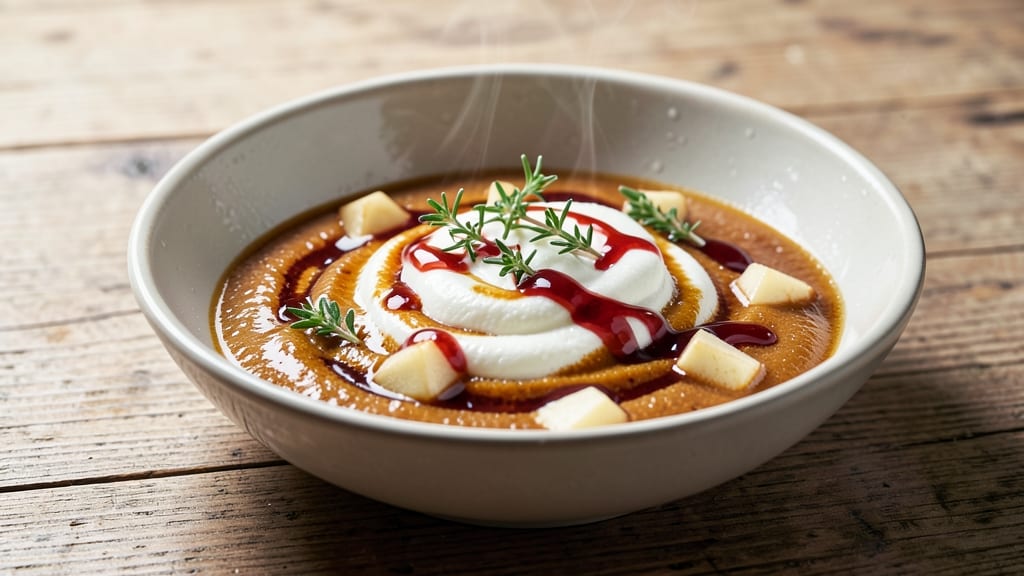
This apple mustard sauce recipe transforms simple roasted chicken into a showstopper with its perfect balance of sweet, tangy, and savory flavors. The secret lies in simmering caramelized apples with sharp mustard and a touch of vinegar, creating a glossy glaze that clings beautifully to crispy skin.
I developed this sauce after years of testing—it's the one that finally made my holiday roasts stand out at every dinner table.
The process is straightforward but precise: cook down apples with mustard and sugar until thickened, then finish with vinegar for brightness. This bold sweet-tangy glaze works equally well on turkey, pork, or even as a dipping sauce for fries.
The sauce thickens naturally as it simmers, creating that perfect consistency for drizzling or brushing without running off.
What makes this sauce exceptional is its versatility—use it fresh for maximum flavor or store it in the refrigerator for up to 2 weeks. The caramelized apple base adds natural sweetness while the mustard provides depth, and the vinegar keeps it from being too heavy.
It's the kind of sauce that elevates ordinary roasted meats into something restaurant-worthy.
Once you taste this sauce, you'll never go back to store-bought versions. The balance of flavors is what makes it truly special—sweet enough to please everyone at the table, but with enough tang to keep it interesting.
Let's get started on making this crowd-pleasing glaze that will become your new go-to for roasted dishes.
Ingredients for apple mustard sauce
Eight ingredients for a sauce that turns roasted chicken into a showstopper.
| Ingredient | Amount | Notes |
|---|---|---|
| Granny Smith Apples 🍎 | 2 medium | Peeled, cored, diced small |
| Dijon Mustard 🌶️ | ½ cup | High-quality for best flavor |
| Brown Sugar 🍚 | ¼ cup | Light or dark variety |
| Apple Cider Vinegar 🍶 | ¼ cup | For tangy brightness |
| Unsalted Butter 🧈 | 2 tbsp | Cold, cubed for texture |
| Fresh Thyme Leaves 🌿 | 1 tbsp | Or 1 tsp dried thyme |
| Salt 🧂 | ½ tsp | Kosher preferred |
| Black Pepper 🌶️ | ¼ tsp | Freshly cracked |
The apples are the heart of this sauce, so don't skimp. Granny Smiths are ideal—their tartness balances the sweetness, but any crisp apple works. I always grab mine at Whole Foods when they're in season, but the regular grocery store has them year-round. Look for firm, shiny apples with no bruises. Peeled and diced small, they caramelize beautifully. The Dijon mustard is non-negotiable—it's what gives this sauce its signature depth. Maille is my go-to, but any good-quality Dijon will do. Fresh thyme adds an aromatic touch that really elevates the sauce, but dried works in a pinch.
No Granny Smiths? Fuji or Gala apples work just fine—they're sweeter but still hold up well. Short on apple cider vinegar? White vinegar or lemon juice in the same amount keeps the tang. The butter adds richness, but if you're watching fat, coconut oil works perfectly. Want more depth? Add a pinch of cinnamon or a dash of smoked paprika. The sauce thickens as it simmers, so if it's too thin, simmer uncovered for another 2-3 minutes. If it's too thick, thin with a splash of water or vinegar. The key is balance—sweet enough to please everyone, but with that tangy kick to keep it interesting.
This sauce keeps beautifully in the fridge—up to 2 weeks in an airtight container. The flavors actually deepen over time, so it's perfect for making ahead. For a restaurant-worthy finish, drizzle with extra butter just before serving. The sauce reheats well—simmer gently on the stove or zap it in the microwave for 20 seconds. I always make extra because it disappears fast. Store it in small jars for easy drizzling on roasted meats, sandwiches, or even as a dip for fries.
Why You'll Love This Recipe
- Five-Ingredient Magic: I swear, this sauce takes three minutes of actual work—just peel those Granny Smiths, chop ‘em roughly (no knife skills required), and toss everything in a pot. The apples soften while you stir, and suddenly you’ve got this silky, tangy-sweet sauce with zero fuss.
- Tangy-Sweet Balance: That sharp Dijon mustard cuts through the apples’ brightness, while the brown sugar and vinegar round it out into something ridiculously addictive. Honestly, the first time I tasted it, I immediately drizzled it on everything—grilled chicken, roasted carrots, even toast. It’s the kind of flavor that makes you want to eat it straight from the spoon.
- Weeknight Wonder: This isn’t just for holidays or fancy dinners. I keep a jar in my fridge for when I need to jazz up plain yogurt, glaze a quick pork chop, or even mix it into mashed potatoes. Between us, it’s my go-to for lazy nights when I don’t want to think—but still crave something special.
- Budget-Friendly Luxury: Granny Smiths are cheap, and the rest of the ingredients? Pantry staples. A batch costs me less than $3 and stretches for days—leftovers keep perfectly for a week, and the flavor only deepens. It’s the kind of sauce that makes you feel like you’re eating gourmet without breaking the bank.
Step-by-step instructions for apple mustard sauce
This bold sweet-tangy glaze comes together in minutes with simple techniques.
Cook the Apples Until Soft
In a medium saucepan, combine the 2 medium Granny Smith Apples (already peeled, cored, and diced small) with the 0.25 cup Apple Cider Vinegar and 0.25 cup Brown Sugar. Bring to a gentle boil over medium-high heat, then immediately reduce to medium-low heat. Let it simmer uncovered for 8-10 minutes, stirring occasionally, until the apples break down into a thick, jammy consistency.
Here's the thing—you want the apples to soften completely but not burn. They're done when they're fully tender and the mixture looks like a thick applesauce. If it starts sticking, add a splash of water to loosen it. The vinegar helps balance the sweetness while preventing the apples from browning too quickly.
Blend Until Smooth
Transfer the apple mixture to a blender or food processor. Add the 0.5 cup Dijon Mustard, 2 tbsp Unsalted Butter (cold, cubed), 1 tbsp Fresh Thyme Leaves, 0.5 tsp Salt, and 0.25 tsp Black Pepper. Blend until completely smooth, scraping down the sides as needed. This should take about 30-45 seconds—you're looking for a velvety texture with no lumps.
I like to blend in short bursts to avoid overheating the motor. The butter should melt into the sauce, creating a rich, creamy base. If the sauce seems too thick after blending, add 1-2 tablespoons of water to reach your desired consistency. The Dijon mustard gives this sauce its signature depth, so don't skip it.
Simmer to Thicken and Develop Flavor
Return the blended sauce to the saucepan and place it over low heat. Stir constantly for 5-7 minutes until the sauce thickens slightly and coats the back of a spoon. The butter will help emulsify everything, creating that perfect glaze texture. If it thickens too quickly, add another splash of water to maintain a smooth, pourable consistency.
This simmering step is where all the flavors meld together. You'll notice the aroma becoming more complex—the sweetness of the apples, the tang of the vinegar, and the mustard's sharpness all coming together. Taste as you go and adjust seasoning if needed. The sauce should be sweet, tangy, and slightly spicy from the mustard and pepper.
Cool and Adjust Consistency
Remove the sauce from heat and let it cool for 5 minutes. The sauce will thicken further as it cools, which is normal. If it's still too thick for your liking, thin it with 1 tablespoon increments of water until it reaches a glossy, spoonable consistency—ideal for drizzling over roasted chicken or glazing vegetables.
This cooling step is crucial because the sauce will continue to thicken as it sits. I like to let it cool completely before using it, which gives me time to adjust the seasoning one last time. The thyme leaves add a lovely herbal note, but if you used dried thyme, you might want to add a pinch more for the same flavor impact.
Pro Tips For Making Apple Mustard Sauce
- PEEL AND GRATE APPLES: Skip the core—just peel and grate the whole apple (skin and all) into a fine texture. The skin adds depth, and you’ll save time scrubbing out seeds. (Yes, even the slightly tougher bits near the core break down when cooked.)
- LOW AND SLOW SIMMER: Don’t rush the sauce—keep it at a gentle bubble for 8–10 minutes. High heat turns it grainy; low and steady lets the flavors meld. Stir occasionally, but don’t stress if it thickens unevenly—it’ll smooth out.
- WHISK IN BUTTER LAST: Add the cold butter in small chunks at the end, whisking until just melted. Dumping it all in at once can make the sauce separate. (I learned this after one disastrous batch where the sauce looked like a broken emulsion.)
- USE REAL CIDER VINEGAR: Skip the cheap bottle—real apple cider vinegar adds bright, complex acidity that cuts through the sweetness. If you’re in a pinch, a splash of lemon juice works, but it won’t taste the same. (Trust me, your taste buds will notice.)
Common mistakes when making great apple mustard sauce
Overcooking Apples
Don’t let your apples turn into mush or burn—they should soften into a jammy consistency, not disintegrate. I’ve seen this happen when heat is too high or simmering time is extended beyond 8-10 minutes.
If your apples start sticking or darkening too quickly, reduce heat immediately and add 1-2 tablespoons of water to loosen the mixture. The key is patience—low and slow prevents bitterness and preserves that bright apple flavor. 🍎
Skipping the Blend
Some recipes suggest leaving chunks in the sauce, but blending creates a silky, restaurant-worthy texture. Without blending, you’ll end up with a chunky applesauce-mustard hybrid that lacks the glossy finish. Use an immersion blender if you don’t want to transfer hot liquid—just blend directly in the saucepan for convenience.
The Dijon mustard needs to emulsify fully for that signature depth, so don’t skip this step. 🌶️
Ignoring the Vinegar
The apple cider vinegar isn’t just for tang—it balances the sweetness and prevents the sauce from tasting one-note. If you omit it or use too little, the sauce will taste cloyingly sweet. I’ve made this mistake and regretted it!
Add the full ¼ cup as written, then taste before serving. You can always add a splash more if needed, but you can’t take it out once it’s in. 🍶
Not Adjusting Heat Properly
Simmering on medium-high heat initially helps the apples soften quickly, but once they’re boiling, reduce to medium-low to avoid burning. I’ve seen sauces turn dark and bitter when left unattended on high heat.
Keep the pan uncovered to let excess moisture evaporate, which helps thicken the sauce naturally. Stir occasionally to prevent sticking—this sauce should glaze, not scorch. 🔥
Over-Simulating After Blending
After blending, simmer the sauce on low heat for just 5-7 minutes—any longer and it’ll separate or become grainy. The butter needs to melt and emulsify, but don’t let it cook dry.
If the sauce starts to curdle or looks too thick, immediately remove it from heat and whisk in 1 tablespoon of water to restore smoothness. The goal is a pourable, glossy consistency, not a thick paste. ✨
Forgetting to Taste
Taste your sauce before serving—this is non-negotiable! The flavors develop as it cools, so adjust seasoning (salt, vinegar, or even a pinch of sugar) while it’s still warm. I’ve caught sauces that were either too sweet or bland because I didn’t check.
Aim for a balance of sweet, tangy, and slightly spicy—that’s the magic of this recipe. 💡
Nutrition facts
Frequently asked questions
Can I use a different type of apple for this sauce?
Yes! While Granny Smith apples are ideal for their tartness, you can substitute with Fuji, Honeycrisp, or Gala apples. Sweeter varieties will make the sauce slightly less tangy, so you might want to add an extra 1 teaspoon of apple cider vinegar to balance the flavor. Just ensure they're peeled, cored, and diced small for even cooking.
How can I make this sauce spicier?
For extra heat, add ½ teaspoon of cayenne pepper or 1 teaspoon of hot sauce while blending. You can also swap the Dijon mustard for whole-grain mustard, which has a stronger, spicier kick. Start with small amounts and adjust to taste—this sauce already has a nice balance of sweet and tang.
Can I make this sauce ahead of time?
This sauce actually tastes better after resting. Store it in an airtight container in the refrigerator for up to 2 weeks. The flavors deepen over time, making it perfect for meal prep. Reheat gently on the stove or microwave for 20-30 seconds before using. Just give it a quick stir to restore its glossy texture.
What are some creative uses for this sauce?
Beyond roasted chicken, try this sauce as a glaze for pork chops, salmon, or even Brussels sprouts. It's also fantastic on burgers, hot dogs, or grilled cheese sandwiches. For a sweet-savory twist, drizzle it over apple crisp or pancakes—the mustard and vinegar cut through the sweetness beautifully. Don't forget it works as a dipping sauce for fries or pretzels too!
Why did my sauce turn out too thick?
This usually happens if you simmered it too long or didn't thin it properly. To fix it, whisk in 1 tablespoon of water or apple cider vinegar at a time until you reach a smooth, pourable consistency. If the sauce separates, blend it again briefly to re-emulsify. For future batches, remove it from heat as soon as it coats the back of a spoon—it will thicken further as it cools.