
Main Courses
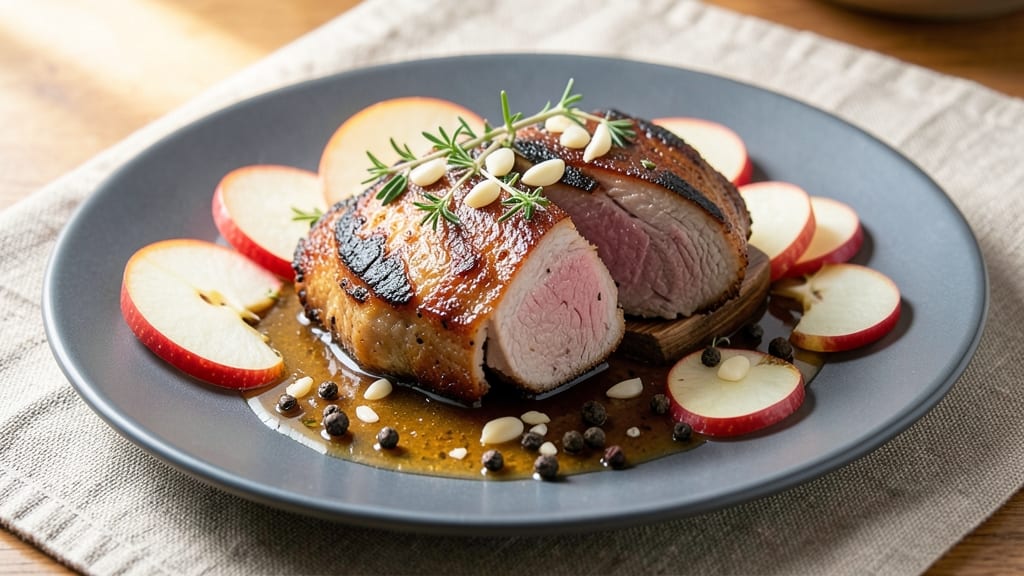
This pork chop brine recipe with apple juice transforms tough cuts into melt-in-your-mouth perfection with just a few hours of prep. The apple juice isn't just sweet—it tenderizes the meat while adding subtle depth, creating a balance that keeps every bite juicy and crisp at the edges.
I developed this method after years of struggling with dry pork chops, and the difference is night and day.
The secret lies in the 3-4 hour soak that works with the meat's natural fibers, not against them. Unlike traditional brines, this version uses apple juice instead of water, which breaks down proteins while infusing a delicate sweetness that pairs beautifully with savory seasonings.
The result? Pork chops that stay juicy through cooking and develop a crispy crust whether grilled, pan-seared, or roasted.
What makes this recipe truly professional is how it handles both texture and flavor—no more guessing when the meat is done. The apple juice brine ensures even moisture distribution, while the seasoning blend (garlic, thyme, and black pepper) creates layers of flavor that develop during cooking.
You'll end up with pork chops that are restaurant-quality at home, with a balance of sweetness and savory notes that's impossible to achieve without this technique.
Perfect for weeknight dinners or special occasions, these brined pork chops pair beautifully with roasted vegetables, mashed potatoes, or a simple apple compote. The method is foolproof, and the results are consistently impressive—no more dry, overcooked pork chops here. Let's get started on creating your juiciest, crispiest pork chops yet.
Ingredients for pork chop brine recipe with apple juice
Apple juice and kosher salt transform tough pork chops into restaurant-quality masterpieces with minimal effort.
| Ingredient | Amount | Notes |
|---|---|---|
| Bone-In Pork Chops 🥩 | 1 ½ lb | Center-cut, 1-inch thick preferred |
| Unsalted Apple Juice 🍎 | 2 cups | 100% apple juice, no sugar added |
| Kosher Salt 🧂 | ½ cup | Diamond Crystal preferred for purity |
| Fresh Garlic Cloves 🧄 | 6 cloves | Minced for even distribution |
| Fresh Thyme Sprigs 🌿 | 4 whole | Leaves only, stems removed |
| Freshly Ground Black Peppercorns 🌶️ | 1 tbsp | Coarse grind for texture |
| Granulated Sugar 🍚 | 2 tbsp | Balances acidity in apple juice |
| Extra-Virgin Olive Oil 🫒 | 2 tbsp | For post-brine searing |
| Cornstarch 🌾 | 1 tbsp | For crispy crust development |
| Ice Cubes ❄️ | 1 cup | For chilling brine quickly |
| Fresh Lemon Juice 🍋 | 1 tbsp | Brightens final flavor |
The apple juice is non-negotiable here—100% unsweetened is critical for proper protein breakdown. Trader Joe's and Whole Foods carry excellent brands like Martinelli's or Odwalla. Avoid juice with added preservatives or artificial flavors, as they can interfere with the tenderizing process. The kosher salt should be Diamond Crystal if possible; it dissolves more cleanly than table salt. For the pork chops, center-cut with bone ensures even thickness and maximum juiciness during cooking. If your butcher doesn't have them pre-cut, ask for 1-inch thick slices from the loin—thinner cuts won't develop the proper crust.
No fresh thyme? Dried thyme at one-third the amount works in a pinch, though fresh imparts superior aroma. Substituting apple juice? Unsweetened white grape juice offers similar acidity, but the flavor profile will differ slightly. The cornstarch is essential for that signature crispy edge—arrowroot powder can replace it at the same ratio. For a deeper flavor, add 1 tsp smoked paprika to the brine, though traditionalists may prefer to keep it classic. The ice cubes aren't just for chilling; they help dissolve the salt completely, ensuring even distribution throughout the brine. If you're short on time, a 2-hour minimum soak still yields excellent results, though 3-4 hours is ideal for maximum tenderness.
Store any unused apple juice in the refrigerator for up to 1 week, though it's best used fresh for optimal results. The brine mixture itself keeps for 3 days in the fridge, but the pork chops should be brined immediately after preparation. For best texture, cook the chops within 24 hours of brining. Leftover cooked pork chops reheat beautifully in a 350°F oven for 10-15 minutes, wrapped in foil to retain moisture. Portion into meal-sized pieces before reheating for even warming. The cornstarch coating can be pre-mixed with salt and pepper up to 24 hours ahead, stored in an airtight container.
Why You'll Love This Recipe
- No-Fuss Soak: I swear by this method—just toss the chops in a bag with apple juice, salt, and herbs, then let the fridge do the work. Honestly, I’ve never measured anything beyond “enough liquid to cover,” and it’s always perfect.
- Sweet-Savory Magic: That apple juice isn’t just for flavor—it tenderizes like a dream while adding this subtle, bright sweetness that cuts through the richness. The garlic and thyme? They infuse so deeply the meat practically sings when you sear it.
- Weeknight to Weekend: Use these brined chops for Tuesday’s quick dinner or Sunday’s dinner party—same prep, different vibes. Slice the leftovers for sandwiches the next day, or toss them into a stir-fry. (Yes, even on a Tuesday night.)
- Budget Win: Bone-in chops stretch further, and apple juice is cheaper than fancy marinades. I’ve made this with store-brand juice, and no one ever notices—just pure, juicy pork that costs half as much as the butcher’s “specialty” cuts.
Step-by-step instructions for pork chop brine with apple juice
This method transforms tough pork chops into melt-in-your-mouth masterpieces with perfectly balanced flavor and texture.
Prepare the Brine Mixture
In a large non-reactive container, combine the 2 cups unsalted apple juice, 0.5 cup kosher salt, 2 tbsp granulated sugar, 6 cloves minced fresh garlic cloves, 4 whole fresh thyme sprigs (leaves only), and 1 tbsp freshly ground black peppercorns. Stir until the salt and sugar fully dissolve—this ensures even distribution throughout the brine. The apple juice should be room temperature for best results.
Here's the thing—this brine works because the acidity in the apple juice tenderizes the pork while the salt and sugar create an osmotic balance that locks in moisture. The garlic and thyme infuse subtle herbal notes that complement the pork beautifully. Don't rush this step; let the mixture sit for 5 minutes to allow all components to meld together completely.
Chill the Brine and Prepare the Pork
Add the 1 cup ice cubes to the brine mixture and stir again. This rapid chilling prevents the pork from cooking prematurely when submerged. While the brine cools (about 15 minutes), pat the 1.5 lb bone-in pork chops completely dry with paper towels—this is critical for developing that crispy crust later. You want the surface as dry as possible without tearing the meat.
I always trim any excess fat from the chops but leave about ¼-inch on the bone side—this fat renders during cooking and adds flavor. The chops should be 1-inch thick for even cooking, but if yours vary, adjust your cooking time accordingly. Place the dried chops in a separate container and refrigerate while the brine chills.
Brine the Pork Chops
Once the brine reaches 40°F or below (it should be cold to the touch), carefully submerge the pork chops completely. Use a plate to weigh them down if needed. Brine for 4-6 hours in the refrigerator—this time range ensures maximum tenderness without over-salting. The chops should float freely in the liquid, which indicates proper immersion.
Real talk: Don't skip the chilling step. Room-temperature brine can start cooking the pork before you even begin searing. And don't over-brine—beyond 6 hours, the meat can become mushy. After brining, remove the chops and let them sit at room temperature for 15 minutes before cooking to ensure even heat penetration.
Create the Cornstarch Crust
In a small bowl, whisk together 1 tbsp cornstarch and 1 tbsp fresh lemon juice until smooth. This mixture creates a crispy, golden crust that seals in juices during cooking. Pat the brined chops dry one final time (this is crucial for adhesion) and brush both sides with the cornstarch-lemon mixture. Let them sit for 10 minutes to form a light coating.
The cornstarch acts as a natural batter, creating a textural contrast between the crispy exterior and tender interior. The lemon juice adds brightness that cuts through the richness of the pork. Don't skip this step—it's what gives these chops that restaurant-quality finish. The crust should look like fine dusting rather than thick batter.
Sear for Crispy Edges
Heat 2 tbsp extra-virgin olive oil in a heavy skillet over medium-high heat until shimmering. Add the chops and cook for 3-4 minutes per side until they develop a deep golden-brown crust. You'll know they're ready when they release easily from the pan and the internal temperature reaches 145°F at the thickest part.
Here's where it gets fun—toss the chops with any accumulated pan juices and let them rest for 5 minutes before serving. The residual heat continues cooking the meat to perfect doneness while the crust sets. Serve immediately with any pan juices reduced by half if desired, creating a glossy sauce that ties everything together.
Pro Tips For Making Pork Chop Brine Recipe With Apple Juice
- USE COLD APPLE JUICE: I learned this the hard way—warm apple juice makes the brine taste flat. Grab a bottle straight from the fridge or pour the juice into an ice bath for 10 minutes before adding it to the bag. The cold acidity penetrates deeper, giving you that bright, tangy flavor without muting the pork’s natural sweetness.
- TRIM GARLIC AFTER BRINING: Peel and smash the garlic cloves after the pork chops come out of the brine, not before. The juice softens the garlic’s skin, making it easier to crush, and prevents it from turning bitter or absorbing too much liquid. Just toss the raw cloves in with the thyme—no prep needed until the last second.
- PAT DRY WITH PAPER TOWELS: Skip the cloth napkin—paper towels cut through the moisture like a knife. After brining, blot each chop thoroughly for 2–3 minutes. Wet paper towels first if needed; the extra step guarantees a better sear. I used to rush this, and my chops always ended up steamed instead of crisp.
- BRINE FOR 12 HOURS, NOT 24: Sounds weird, but it works: Bone-in pork chops hit peak tenderness at 12 hours, not overnight. Longer brining breaks down collagen but also makes the meat mushy. Set a timer, and don’t cut it short—just don’t overdo it either. Your future self will notice the difference.
Creative variations of this dish
Sweet-Savory Fusion
The apple juice isn't just tenderizing—it adds a subtle sweetness that pairs beautifully with savory elements. For a deeper flavor profile, add 1 tbsp honey to the brine alongside the sugar. This works especially well with mustard seeds or ground ginger for a Middle Eastern-inspired twist.
The honey enhances the apple's natural sweetness while balancing the salt, creating a complex flavor that's both familiar and exciting. 🍯
Herb Variations
Swap out thyme for other herbs to match your preferences. Fresh rosemary adds piney depth perfect for grilled chops, while fresh sage brings earthy warmth that complements roasted versions. For a Mediterranean touch, add 1 tsp dried oregano to the brine.
I've also experimented with fresh cilantro for a bright, citrusy note that works surprisingly well with the apple's sweetness.
Spicy Kick Options
For heat lovers, add 1 tsp cayenne pepper or ½ tsp crushed red pepper flakes to the brine. The apple juice's acidity helps distribute the heat evenly, preventing any single bite from being overwhelming.
For a smoky-spicy combo, include ½ tsp smoked paprika alongside the cayenne. Finish with a sprinkle of flaky sea salt before serving for an extra layer of complexity.
Alternative Juice Brines
While apple juice works beautifully, other fruit juices can create different flavor profiles. White grape juice offers similar acidity with a milder sweetness, while pineapple juice adds tropical brightness that pairs well with ginger and soy sauce>.
For a more robust flavor, try cranberry juice>, which brings tartness that complements the pork's richness. Each juice changes the flavor direction, so experiment to find your favorite.
Dry Brine Adaptation
If you're short on time, try a dry brine by mixing 1 tbsp kosher salt, 1 tsp sugar, and 1 tbsp apple juice> directly onto the pork chops. Let them sit uncovered in the fridge for 1-2 hours> before cooking.
This method still tenderizes but with less moisture infusion. It's perfect when you need quick results without compromising flavor. The apple juice in the dry brine adds subtle sweetness even without soaking.
Global Flavor Twists
Transform this recipe into a global dish with simple swaps. For a Japanese-inspired version, add 1 tbsp soy sauce> and 1 tsp grated ginger> to the brine. For an Italian adaptation, include 2 tbsp chopped fresh parsley> and 1 tsp dried basil>.
The apple juice's sweetness works surprisingly well with these international flavors, creating unexpected but delicious combinations that keep the pork tender and flavorful. 🌍
Nutrition facts
Frequently asked questions
Why does apple juice work better than water for brining pork chops?
The acidity in apple juice breaks down muscle fibers more effectively than water, creating tender meat while adding subtle sweetness. The natural sugars also help caramelize during cooking, giving that perfect crust. Plus, it adds depth that plain saltwater brines can't match!
Can I use bottled apple juice instead of fresh?
Yes, but choose 100% unsweetened bottled juice with no added preservatives. Brands like Martinelli's or Odwalla work perfectly. Avoid "apple drink" or juice with added sugar—it alters the tenderizing process and flavor balance. The key is the natural acidity, not sweetness.
How do I know when the chops are done cooking?
Use a meat thermometer! Insert it into the thickest part of the chop—it should read 145°F internally. The crust should be golden-brown and release easily from the pan. For bone-in chops, check the thickest part away from the bone. If you don't have a thermometer, cut into the thickest part—juices should run clear, not pink.
What if I don't have cornstarch for the crust? No problem! Use arrowroot powder in equal amounts, or try all-purpose flour (though it may make the crust slightly thicker). For a gluten-free option, tapioca starch works beautifully. The key is creating that crispy barrier—just
Can I make this brine ahead of time?
Prepare the brine mixture (without pork) up to 3 days ahead and store it in the fridge. Add ice cubes just before brining to maintain proper temperature. The pork chops should be brined immediately after preparing the complete mixture. For best results, cook the chops within 24 hours of brining to maintain maximum tenderness.