
Sauces & Condiments
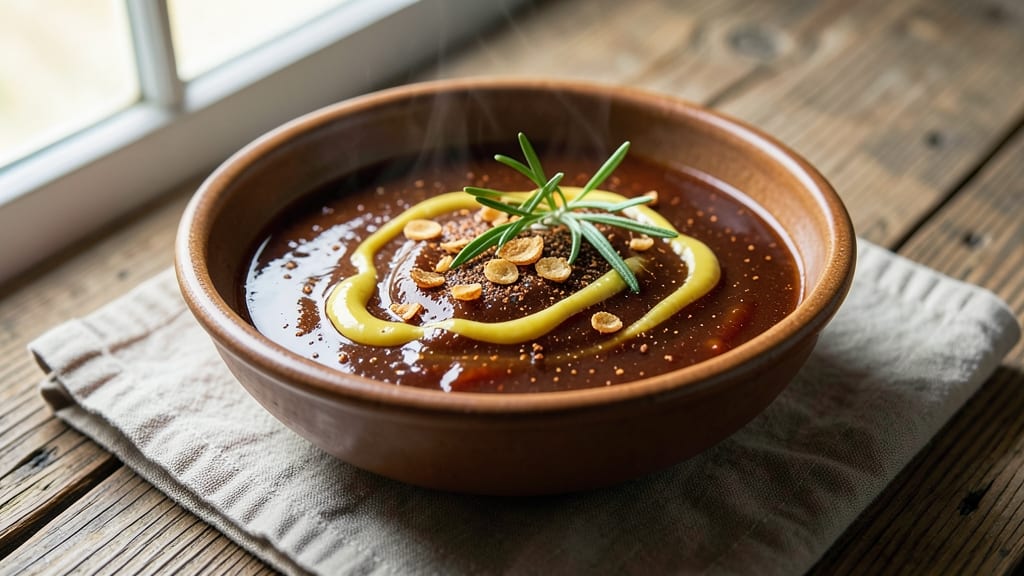
This apple jelly BBQ sauce recipe transforms classic smoky flavors with a caramelized sweetness that lingers long after the last bite.
I developed it after years of perfecting rubs and marinades—this sauce blends the tang of apple cider with the deep richness of apple jelly, creating a perfect balance for grilled meats. The slow simmering process unlocks layers of flavor that store-bought sauces simply can't match.
The secret lies in the caramelized depth achieved through controlled reduction, where apple jelly melts into the sauce, adding natural sweetness without overpowering the smoky base.
I use a mix of apple cider vinegar and molasses to enhance the complexity, while spices like mustard and paprika provide that signature BBQ kick. This isn't just another sauce—it's a restaurant-quality condiment that elevates everything from ribs to pulled pork.
What makes this recipe stand out is its versatility and longevity. Once you've simmered it down to the perfect consistency, the sauce thickens beautifully and keeps well in the fridge for up to two weeks or can be preserved for months.
The flavor profile develops even more richness over time, making it ideal for meal prep and gifting. Whether you're slathering it on sandwiches, basting grilled meats, or drizzling over baked beans, this sauce delivers bold, balanced flavor every time.
Pair it with slow-cooked brisket for a showstopping centerpiece or use it as a glaze for chicken wings that'll have everyone asking for the recipe.
The caramelized notes from the apple jelly create a sticky, glossy finish that clings to every bite, while the smoky undertones ensure it's still unmistakably BBQ. Let's get cooking—your taste buds will thank you.
Ingredients for apple jelly bbq sauce
Nine ingredients transform into restaurant-quality BBQ sauce with caramelized apple depth and smoky balance.
| Ingredient | Amount | Notes |
|---|---|---|
| Apple Jelly 🍎 | ½ cup | High-quality, unsweetened preferred |
| Apple Cider Vinegar 🍏 | ½ cup | Bragg preferred for depth |
| Molasses 🍯 | ¼ cup | Unsulphured for richer flavor |
| Tomato Paste 🍅 | ¼ cup | San Marzano preferred |
| Yellow Mustard 🌶️ | 2 tbsp | Dijon for extra tang |
| Smoked Paprika 🌶️ | 2 tbsp | High-quality for smokiness |
| Garlic Cloves 🧄 | 3 cloves | Freshly minced for aroma |
| Onion Powder 🧅 | 1 tbsp | Freshly ground preferred |
| Brown Sugar 🍚 | ½ cup | Light or dark preferred |
| Black Peppercorns 🌶️ | ½ tsp | Freshly cracked for heat |
| Salt 🧂 | 1 tsp | Diamond Crystal kosher |
| Water 💧 | ½ cup | For thinning if needed |
The apple jelly is the heart of this sauce—look for unsweetened varieties at specialty stores like Whole Foods or Trader Joe's for deeper flavor. Bragg apple cider vinegar adds that signature tang that separates this from generic BBQ sauces. For the molasses, unsulphured is key—Goya or Edward & Sons brands deliver that rich, complex sweetness without bitterness. The tomato paste? San Marzano is non-negotiable—its sweetness and low acidity let the apple flavors shine. Don't skip freshly mincing the garlic; pre-minced loses its punch fast.
No apple jelly? Unsweetened applesauce at half the amount works in a pinch, though the texture will be thinner. Short on apple cider vinegar? White vinegar with extra lemon juice mimics the tang. The mustard is where the heat lives—Dijon instead of yellow gives you that signature French BBQ depth. Paprika quality matters: smoked paprika from Penzeys gives you that campfire aroma. Brown sugar substitutes? Maple syrup at a 1:1 ratio, but it'll be more liquid. The black peppercorns should be freshly cracked—use a mortar and pestle for maximum aroma.
This sauce thickens as it cools, so thin with water if needed—just a splash at a time. Store in a sterilized glass jar in the fridge for up to 2 weeks, or freeze for 6 months. The flavor actually improves over time—make a double batch and gift it. For best results, let it sit at room temperature for 10 minutes before serving—it develops that glossy, clingy finish that makes it irresistible on ribs or baked beans.
Why You'll Love This Recipe
- Pantry Magic: I swear by this sauce because it uses stuff I already have—no specialty shopping required. The apple jelly and molasses alone give it that deep, caramelized sweetness without needing a fancy ingredient list.
- Sweet-Savory Balance: That tangy apple cider vinegar and yellow mustard cut through the richness, creating a sauce that’s ridiculously good on everything from ribs to baked beans. Honestly, it’s the kind of flavor that makes you want to eat it straight from the spoon.
- Weeknight Hero: I make a big batch on Sundays and keep it in the fridge—perfect for quick grilled chicken, sandwiches, or even drizzled over roasted potatoes. No last-minute grocery runs, no stress.
- Budget-Friendly Luxury: This sauce costs pennies to make but tastes like it came from a high-end bottle. Between us, I’ve used it to turn cheap pork chops into something my picky kids actually finish. That’s a win.
Step-by-step instructions for smoky apple-cider BBQ sauce
Here's how to blend rich caramel notes with tangy apple depth for a sauce that's perfect for grilling or glazing.
Bloom the Spices with Tomato Paste
In a medium saucepan, combine the 0.25 cup tomato paste with 0.5 cup apple jelly and 0.5 cup apple cider vinegar. Place the pan over medium heat and stir continuously for 3-4 minutes until the mixture begins to bubble gently and the tomato paste loses its raw taste. This step builds the sauce's foundation by eliminating the metallic edge from the tomato paste while incorporating the jelly's natural sweetness.
Watch closely as the mixture thickens slightly—the sauce should coat the back of a spoon but still flow smoothly. If it starts to stick or darken too quickly, reduce the heat to low immediately. The goal is to create a smooth, velvety base without burning the delicate apple flavors. Keep stirring to prevent scorching, which would turn the sauce bitter.
Add Molasses and Brown Sugar for Caramel Depth
Once the tomato-jelly mixture is smooth, whisk in the 0.25 cup molasses and 0.5 cup brown sugar. Increase the heat to medium-low and let the sauce simmer for 5-6 minutes, stirring frequently. You'll notice the mixture darken slightly and develop a rich, caramel aroma—this is where the sauce gets its signature depth. The molasses adds a deep, almost bittersweet note, while the brown sugar contributes a subtle crunch and molasses-like complexity.
Here's the thing—don't rush this step. The longer you let it simmer gently, the more the flavors meld together. You're looking for a sauce that's thickened enough to coat the back of a spoon but still pourable. If it starts to get too thick too quickly, add 1-2 tablespoons of the 0.5 cup water to maintain the right consistency. The sauce should be glossy and syrupy, not pasty.
Incorporate Aromatics and Mustard
Reduce the heat to low and stir in the 2 tbsp smoked paprika, 1 tbsp onion powder, 0.5 tsp freshly cracked black peppercorns, and 1 tsp salt. Let the spices bloom for 1 minute, allowing their flavors to infuse into the sauce. Then add the 2 tbsp yellow mustard and 3 cloves freshly minced garlic cloves, stirring until fully combined and fragrant. The mustard adds a bright tang that cuts through the richness, while the garlic and onion powder deepen the savory profile.
This is where the sauce comes together. Taste and adjust the seasoning if needed—you might want to add a pinch more salt or a splash of apple cider vinegar to balance the sweetness. The sauce should be complex, with layers of sweet, tangy, smoky, and slightly spicy flavors. If it's too thick at this point, you can add more of the 0.5 cup water to reach your desired consistency, but don't overdo it or you'll dilute the flavor.
Simmer to Perfect Consistency
Return the sauce to a gentle simmer over low heat and cook for an additional 8-10 minutes, stirring occasionally. The sauce will continue to thicken as it cooks, so keep an eye on it to avoid burning. You're aiming for a glossy, syrupy consistency that's thick enough to cling to meats but still pourable for glazing. The sauce should coat the back of a spoon but still flow smoothly when drizzled.
Once the sauce reaches the perfect consistency, remove it from heat and let it cool slightly. This resting period allows the flavors to fully meld and the sauce to thicken slightly as it cools. If you're in a hurry, you can proceed to serve or store it, but I recommend letting it sit for at least 10 minutes before using it. This step ensures the sauce is perfectly balanced and ready to elevate your grilled dishes, pulled pork, or even as a glaze for roasted vegetables.
Pro Tips For Making Apple Jelly Bbq Sauce
- Simmer Slowly: I learned this the hard way—rushing the simmer turns your sauce into a thin, vinegary glaze instead of a rich, sticky coating. Keep it at a steady low boil (small bubbles, constant movement) for at least 20-25 minutes. The longer it reduces, the deeper the apple-molasses flavor gets.
- Strain the Jelly: Apple jelly’s texture is all about that smooth, jammy mouthfeel—don’t skip straining it through a fine-mesh sieve before mixing into the sauce. I used to blend it first, but the bits add gritty texture. If you’re lazy (like me sometimes), at least press it through a cheesecloth-lined strainer—it makes a real difference.
- Balance the Vinegar: Molasses and apple cider vinegar are a love-hate duo—too much vinegar and your sauce tastes sharp and unfinished. Taste as you go, but here’s the trick: add the vinegar in two stages. Start with half, simmer, then adjust. Your sauce will thank you later, especially if you’re using strong molasses (like unsulphured).
- Upgrade with Spice: This isn’t a must, but a pinch of smoked paprika or a dash of cayenne (½ teaspoon each) adds depth without overpowering. I was skeptical until I tried it—it cuts through the sweetness and gives that subtle BBQ smokiness. Skip it if you prefer a cleaner apple-forward flavor, but don’t underestimate how much it elevates the dish.
Essential equipment for great apple jelly bbq sauce
Essential Saucepan
Start with a medium, heavy-bottomed saucepan—I swear by my All-Clad stainless steel because it distributes heat evenly and prevents scorching. Avoid thin, cheap pans that can create hot spots and burn your sauce. If you're on a budget, a Calphalon or Farberware pan works well too.
The key is to choose something that can handle medium-high heat without warping or reacting with acidic ingredients like apple cider vinegar. 🔥
Wooden Spoon
Never use metal utensils when simmering this sauce—they can scratch the pan and react with the acidic components. A high-quality wooden spoon (I love Oxo Good Grips) is essential for stirring without damaging your pan or altering the sauce's texture.
Wood also helps prevent the sauce from sticking to the bottom as it thickens. Keep your spoon clean by occasionally wiping it with a damp towel to maintain smooth stirring.
Fine-Mesh Strainer
If you're using freshly cracked black peppercorns or want to remove any lumps from the apple jelly, a fine-mesh strainer comes in handy. I keep a mesh size #200 strainer in my kitchen for sauces like this.
It catches any unwanted bits while letting the smooth, glossy sauce pass through. This step ensures your final product is silky and professional-looking, perfect for drizzling over ribs or glazing chicken wings. 💫
Glass Jars for Storage
Once your sauce is ready, transfer it to sterilized glass jars with airtight lids for storage. I prefer Ball mason jars because they're durable and preserve flavors better than plastic. For short-term storage (up to 2 weeks in the fridge), any clean, airtight container will work.
If you're canning for long-term storage, ensure your jars and lids are properly sterilized to prevent spoilage. The glass also lets you admire the sauce's beautiful caramelized color. ❄️
Digital Kitchen Scale
While this recipe uses measurements in cups and tablespoons, a digital kitchen scale (like the OXO Good Grips) helps ensure precision, especially when balancing sweetness and tang. Weighing ingredients like the apple jelly or molasses can help you achieve the perfect consistency.
For example, if you're experimenting with substitutions, a scale ensures you're using the exact equivalent weight. It’s a game-changer for repeatable results, especially when gifting or selling your sauce. 💡
Heat-Resistant Tongs
When basting meats with your finished sauce, heat-resistant silicone tongs (I use OXO Good Grips) are a must. They let you flip and baste without burning your hands or dropping the sauce.
These tongs also come in handy for stirring the sauce directly in the pan if you don’t have a dedicated spoon. Their flexibility and heat resistance make them indispensable for grilling and sauce-making alike. 💪
Nutrition facts
Frequently asked questions
Can I substitute apple jelly with applesauce in this BBQ sauce?
You can use unsweetened applesauce as a substitute, but expect a thinner texture since applesauce has more water content. Replace the 0.5 cup apple jelly with 0.5 cup unsweetened applesauce and reduce the 0.5 cup water to 2 tablespoons to maintain balance. The flavor will be slightly less caramelized, but still delicious. For best results, simmer the sauce 5 minutes longer to thicken it properly.
How long does this apple jelly BBQ sauce keep in the fridge?
This sauce stays fresh for up to 2 weeks when stored in a sterilized glass jar in the refrigerator. The flavors actually improve over time, developing deeper caramel notes. For longer storage, you can freeze it for up to 6 months—just thaw in the fridge overnight before using. The sauce thickens slightly when refrigerated, so stir well before serving.
What's the best way to use this sauce on ribs?
For ribs, apply a thin layer of sauce during the last 30 minutes of cooking to prevent burning. Brush it on generously after removing from heat while the ribs are still warm—this helps the sauce cling. For extra shine, reheat the sauce for 1-2 minutes before applying. The caramelized apple notes pair perfectly with the smoky flavor of ribs, creating a sweet-and-tangy contrast that's irresistible.
Why did my sauce turn out too sweet?
If your sauce tastes too sweet, it's likely because the apple jelly or brown sugar overpowered the tangy elements. Balance it by adding 1-2 tablespoons more apple cider vinegar and a pinch of salt. For future batches, reduce the brown sugar by 1 tablespoon or use light brown sugar instead of dark. Taste as you go—this sauce should have a perfect sweet-tangy-smoky balance, not just sweetness.
Can I make this sauce without molasses?
Yes, but you'll lose some depth. Replace the 0.25 cup molasses with 0.25 cup maple syrup or 0.25 cup honey for a similar sweetness level. However, molasses adds a unique bittersweet complexity that's hard to replicate. If using honey, reduce the brown sugar by 1 tablespoon since honey is already quite sweet. The sauce will still be delicious, just with a slightly different flavor profile.