
Main Courses
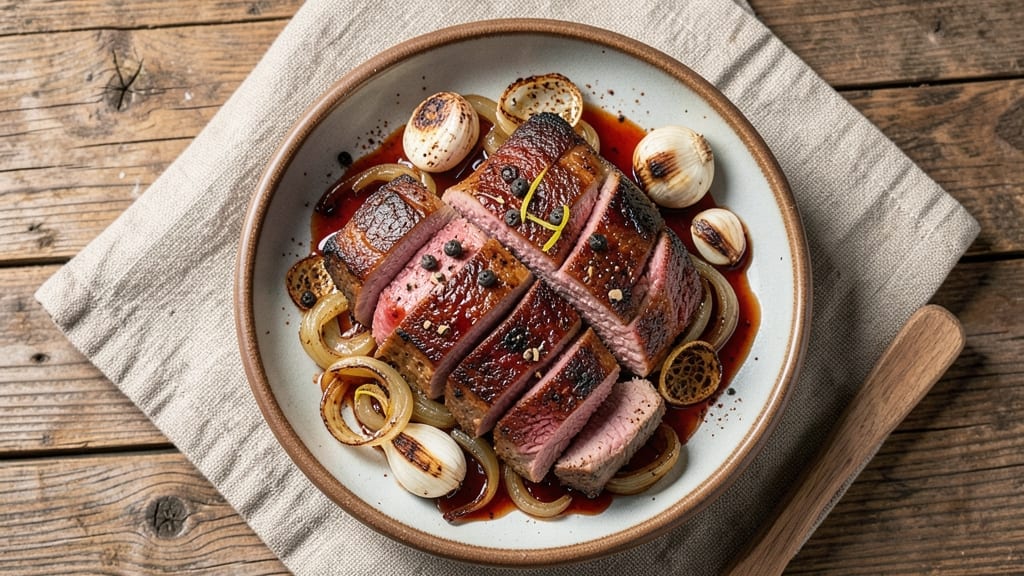
This apple cider vinegar-spritz brisket delivers restaurant-quality tenderness with a smoky bark and bright acidity that cuts through the richness. The vinegar spritz isn't just a finishing touch—it's the secret weapon that keeps the meat juicy while creating a caramelized crust that cracks with every bite.
I developed this method after years of experimenting with brisket techniques, and it consistently delivers perfect results whether you're using a smoker, oven, or grill.
The magic happens in the two-step process: first, a dry rub that builds deep flavor, then the vinegar spritz applied strategically during cooking to prevent drying. This isn't your typical sweet-and-smoky brisket—the apple cider vinegar adds a bright tang that balances the richness, making each bite more complex.
The spritz also helps create that coveted crusty bark while keeping the interior fork-tender.
What you'll end up with is brisket that's juicy at the core, with a crispy exterior that's impossible to resist. The vinegar spritz creates a glossy sheen that makes the meat look as good as it tastes, while the smoky flavors penetrate deeply.
This method works perfectly for weeknight dinners or special occasions, and the leftovers reheat beautifully.
Serve with classic sides like creamy mac and cheese or buttery cornbread to soak up every last bit of that flavorful juices. The vinegar spritz makes this brisket stand out from traditional recipes—it's tangy, smoky, and unexpectedly bright, proving that a little acidity can transform a classic dish.
Here's how to make it perfectly every time.
Ingredients for apple cider vinegar spritz brisket
Six ingredients build the rub, two transform the brisket—juicy core meets smoky bark.
| Ingredient | Amount | Notes |
|---|---|---|
| Packer Cut Brisket 🥩 | 5 lb | Whole packer cut preferred |
| Apple Cider Vinegar 🍏 | ½ cup | Raw, unfiltered preferred |
| Yellow Onion 🧅 | 1 whole | Medium size, sliced |
| Garlic Cloves 🧄 | 8 cloves | Fresh, peeled |
| Smoked Paprika 🌶️ | 2 tbsp | High-quality for depth |
| Ground Black Pepper 🌶️ | 1 ½ tbsp | Freshly cracked |
| Kosher Salt 🧂 | 2 tbsp | Diamond Crystal preferred |
| Brown Sugar 🍚 | 1 tbsp | Light or dark |
| Ground Cumin 🌿 | 1 tbsp | Toasted for warmth |
| Mustard Powder 🍯 | 1 tsp | For subtle tang |
| Chipotle Powder 🌶️ | 1 tsp | Smoky heat |
| Unsalted Butter 🧈 | 2 tbsp | Cold for rub |
| Beef Tallow 🧈 | 2 tbsp | Or substitute duck fat |
| Yellow Cornmeal 🌽 | ¼ cup | For texture |
The brisket is non-negotiable—packer cut from a trusted butcher ensures that perfect fat cap for moisture. Snelling or Crowd Pleaser are my go-tos for quality, but any reputable supplier will do. Look for vibrant color and good marbling; that's where the flavor hides. The apple cider vinegar should be raw and unfiltered—Bragg is my standard, but anything labeled 'raw' works. For the spices, Penzeys or bulk bins at natural markets guarantee freshness. Toast your cumin seeds in a dry pan for 30 seconds before grinding—trust me on that extra step.
No packer cut? Flat cut works too, but expect a slightly different texture. Short on vinegar? White vinegar at half the amount gets you close, though the flavor won't be identical. The butter and tallow combo is key—duck fat or lard substitute if you're avoiding beef fat. For the cornmeal, stone-ground is ideal, but regular works fine. Prefer less sugar? Cut the brown sugar to 1/2 tbsp and add 1/2 tsp molasses. The rub keeps well in an airtight container for 2 weeks, so make extra for future projects.
Brisket reheats beautifully—wrap tightly in foil and bake at 275°F for 1 hour. The leftovers are even better the next day as the flavors meld. Store cooked brisket in the fridge for 5-6 days or freeze for 3 months by wrapping tightly in plastic wrap, then foil. For serving, slice against the grain and serve with those juices—don't skip the sauce. The vinegar spritz creates a glossy sheen that makes the meat look as good as it tastes, worth the extra minute of effort.
Why You'll Love This Recipe
- One-Pan Magic: I swear by this—just the brisket, onions, and garlic simmering in that tangy apple cider vinegar spritz. No extra pots, no fuss, and the smoky paprika ties it all together while I’m still chopping veggies for the side.
- Tangy Twist: That vinegar spritz isn’t just for salad dressings anymore. It cuts through the richness of the brisket, leaving you with a bright, almost sweet-savory bite that makes every forkful irresistible—like a cross between BBQ and a cozy fall morning.
- Leftovers That Shine: Between us, I always make double. The brisket gets even better the next day—shreds perfectly for tacos, sandwiches, or a quick breakfast hash. Honestly, it’s my lazy Sunday secret weapon.
- Budget-Friendly Feast: Packer cut brisket is affordable, and this method stretches it far. A single spritz bath means fewer spices wasted, and the onions/garlic bulk it up without breaking the bank. My wallet and my family thank me.
Step-by-step instructions for apple cider vinegar-spritz brisket
Transform your brisket into a masterpiece with this technique that guarantees both smoky bark and tender perfection.
Prepare the Brisket and Create the Vinegar Spritz
Begin by trimming the fat cap of the 5 lb packer cut brisket down to about ¼-inch thickness, leaving enough fat to protect the meat during cooking. Pat the entire surface dry with paper towels—this step is crucial for developing that prized bark. In a small bowl, whisk together the 0.5 cup apple cider vinegar with 1 tablespoon of the kosher salt. This vinegar mixture will become your spritz, which tenderizes the meat and adds bright acidity to balance the rich flavors.
Generously apply the remaining 1 tablespoon kosher salt, 2 tablespoons smoked paprika, 1.5 tablespoons ground black pepper, 1 tablespoon brown sugar, 1 tablespoon ground cumin, 1 teaspoon mustard powder, and 1 teaspoon chipotle powder to the brisket, pressing the rub firmly into all surfaces. Let it sit at room temperature for 30 minutes while you prepare the oven. This resting period allows the rub to penetrate and the meat to cook more evenly.
Build the Fat Cap and Sear the Brisket
Preheat your oven to 275°F. In a small saucepan, melt together the 2 tablespoons unsalted butter and 2 tablespoons beef tallow over low heat until fully combined. Spread this mixture evenly over the fat cap of the brisket, focusing on the thickest parts. This layer creates a protective barrier that renders down beautifully, basting the meat as it cooks.
Place the brisket fat-side up in a roasting pan and transfer it to the preheated oven. Let it cook undisturbed for 2 hours. During this time, the fat will render and baste the meat naturally, creating that coveted bark. Here's where the magic happens: after 2 hours, remove the brisket from the oven and use a brush to apply the apple cider vinegar spritz generously over the entire surface. Return it to the oven and continue cooking.
Spritz and Monitor for Perfect Doneness
Every 45 minutes after the initial spritz, repeat the process: remove the brisket, apply another generous coat of the vinegar mixture, and return it to the oven. This technique keeps the meat moist and develops that beautiful bark. The brisket is done when the internal temperature reaches 203-205°F at the thickest part of the meat, which typically takes 8-10 hours total. You'll know it's ready when a probe slides in easily and the meat pulls apart with gentle pressure.
Real talk: don't rush this step. The low-and-slow method is what creates that melt-in-your-mouth texture. If you're concerned about drying out, don't be—the vinegar spritz maintains moisture while building that incredible crust. The 0.25 cup yellow cornmeal can be sprinkled over the brisket during the final hour if you want to add a subtle crunch to the bark.
Rest and Slice for Maximum Juiciness
Once the brisket reaches the target temperature, remove it from the oven and transfer it to a cutting board. Tent loosely with foil and let it rest for at least 1 hour. This resting period is non-negotiable—it allows the juices to redistribute throughout the meat, ensuring each slice is as juicy as the first. The brisket will continue to rise in temperature during this time, so don't be surprised if it hits 210°F by the time you're ready to serve.
When you're ready to slice, locate the grain direction—you'll see lines running through the meat. Using a sharp knife, cut against the grain into ¼-inch thick slices. Serve immediately with any accumulated juices from the roasting pan. The result should be a brisket with a dark, crackling bark that gives way to tender, juicy meat with deep, complex flavors from the apple cider vinegar and smoky spices.
Pro Tips For Making Apple Cider Vinegar Spritz Brisket
- Trim the Fat First: Packer cut briskets come with a thick fat cap—leave it on for flavor, but trim it down to about ¼-inch. I learned this the hard way after a brisket spent 12 hours in the oven with uneven cooking because of that stubborn fat. A sharp knife and steady hand make this easier than it looks.
- Spritz Like a Pro: Don’t just dribble that apple cider vinegar—use a spray bottle or a fine-mesh sieve to distribute it evenly. The goal is to keep the meat moist without turning it into a soggy mess. I used to pour it straight from the bottle, and half the time it pooled in one spot.
- Low and Slow Wins: Start your brisket at 275°F (135°C) and resist the urge to crank it up. The vinegar’s acidity needs time to tenderize those tough fibers, and rushing it leads to dry, chewy meat. I once bumped the temp to 325°F after 4 hours—big mistake.
- Char the Aromatics: Sear the onions and garlic until they’re deep golden, almost caramelized, before adding the smoked paprika. That extra step adds layers of flavor that just tossing them in raw won’t match. Sounds tedious, but it’s worth the 5 minutes.
Storing and reheating this apple cider vinegar spritz brisket
Refrigerator Storage
Let your brisket cool for 1-2 hours before storing—never refrigerate hot meat. Wrap it tightly in double-layered aluminum foil or place in an airtight container with any accumulated juices. Store in the fridge for up to 5 days, but I recommend eating it within 3 days for peak texture.
The vinegar spritz helps preserve moisture, so you won’t lose that juicy quality. 🥩
Freezer Preservation
For longer storage, freeze your brisket by wrapping it in plastic wrap first, then in a second layer of heavy-duty foil. Place in a freezer bag, squeezing out excess air to prevent freezer burn.
Label with the date—it’ll keep for 3 months without quality loss. When ready to cook, thaw overnight in the fridge for even cooking. 🏔️
Reheating Leftovers
My go-to method is reheating in the oven at 275°F for 1-2 hours, wrapped in foil with a splash of beef broth. This keeps the meat tender and prevents drying.
For quick meals, use the microwave on 50% power in 1-minute bursts, stirring between each. The vinegar spritz makes reheated slices taste almost as good as fresh—it’s that good. 🔥
Reviving Dried Brisket
If your brisket loses moisture during storage, don’t toss it! Place slices in a skillet with 2 tbsp apple cider vinegar and 1 tbsp butter, heating on low for 5 minutes.
The acidity revives the texture and flavor. This trick works wonders for leftovers that seem too dry. 💧
Serving Suggestions
Serve brisket slices directly from the pan with juices for maximum flavor. For a restaurant-style finish, drizzle with extra vinegar spritz before serving. Pair with creamy mashed potatoes or cornbread—the contrast makes every bite better. The vinegar’s tang cuts through the richness perfectly. 🍽️
Nutrition facts
Frequently asked questions
Why does the apple cider vinegar spritz help keep brisket juicy?
The acidity in apple cider vinegar breaks down muscle fibers slightly, helping moisture stay trapped inside the meat. When applied during cooking, it also creates steam that works like a natural basting liquid, preventing the surface from drying out while building that perfect bark. The vinegar's tang also balances the richness of the brisket beautifully!
Can I use this method for a flat cut instead of packer brisket?
Yes, but expect slightly different results! Flat cuts cook faster and have less fat, so they're more prone to drying. Use the same rub and spritz method, but reduce cooking time by about 1-2 hours and monitor closely. The vinegar spritz will still help maintain moisture, but you may want to add an extra 1/4 cup of apple cider vinegar to the spritz mixture.
What if I don't have apple cider vinegar? Can I substitute?
You can use white vinegar at half the amount (about 1/4 cup instead of 1/2 cup), but the flavor won't be identical. For better results, try balsamic vinegar (use 1/3 cup) or even lemon juice (same amount). The acidity is key - without it, you'll lose that bright tang that balances the brisket's richness.
How often should I spritz during cooking?
After the initial 2-hour cook, spritz every 45-60 minutes throughout the cooking process. This keeps the meat moist and helps develop that beautiful bark. For an 8-10 hour cook, you'll likely spritz 6-8 times total. The vinegar helps create steam that works like a natural basting liquid while keeping the surface tender.
Can I make this brisket in a smoker instead of the oven?
The same principles apply for smoking. Start at 225°F instead of 275°F and follow the same spritzing schedule. The vinegar spritz works especially well with smoking because it helps prevent the bark from becoming too hard. Just be prepared for a slightly longer cook time - you may need 10-12 hours total to reach the perfect internal temperature.