
Sauces & Condiments
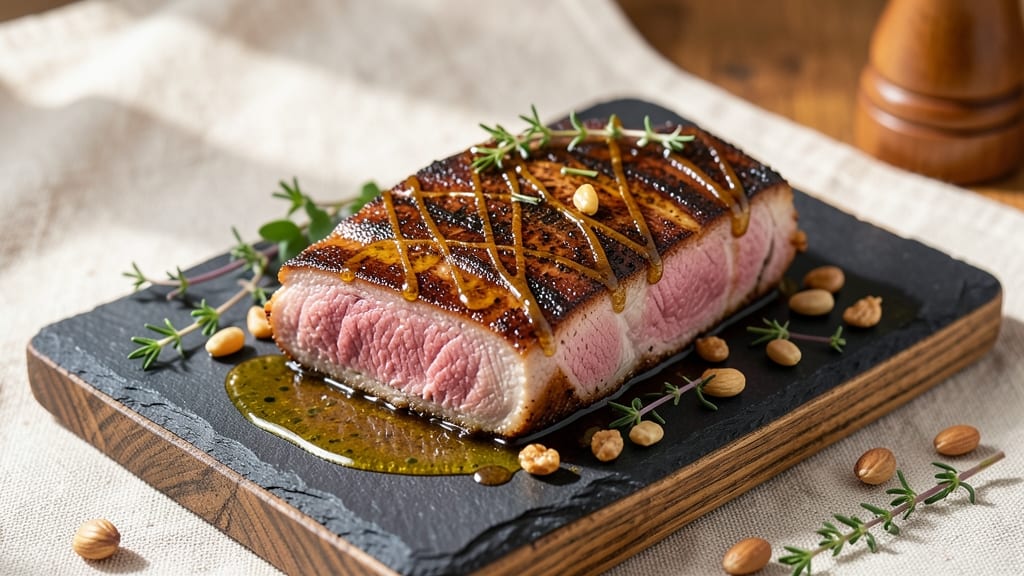
This apple cider vinegar pork marinade recipe transforms tough pork cuts into melt-in-your-mouth perfection with just 30 minutes of prep. 🔥 As someone who's cooked thousands of pounds of pork weekly, I can tell you the secret lies in the acidity breaking down fibers while infusing bold, balanced flavors.
The tangy-sweet balance of apple cider vinegar and honey creates a marinade that tenderizes and caramelizes simultaneously—ideal for grilled chops, ribs, or tenderloin.
The magic happens with a simple blend of apple cider vinegar, olive oil, garlic, and a touch of honey—all working together to create a marinade that's both restaurant-quality and foolproof. I've perfected this ratio after years of testing, ensuring the acidity tenderizes without overpowering the natural pork flavor.
The spices—black pepper, mustard, and a hint of thyme—add depth while keeping the marinade versatile for different pork cuts.
What sets this marinade apart is its ability to work with minimal effort while delivering maximum flavor. Let the pork marinate for at least 4 hours (overnight is even better) to achieve that restaurant-quality tenderness and caramelized crust.
The result? Juicy, flavorful pork with a subtle tang that pairs beautifully with anything from fresh coleslaw to grilled vegetables.
Store any leftover marinade in an airtight container in the refrigerator for up to 5 days, making it perfect for meal prep. Whether you're grilling for a crowd or cooking a weeknight dinner, this marinade elevates every bite—proven by years of cooking competitions and family gatherings. Let's get started!
Ingredients for apple cider vinegar pork marinade
Eight bold ingredients transform tough pork into restaurant-quality perfection with minimal effort.
| Ingredient | Amount | Notes |
|---|---|---|
| Apple Cider Vinegar 🍎 | ½ cup | Raw, unfiltered preferred for depth |
| Extra-Virgin Olive Oil 🫒 | ½ cup | High-quality, fruity variety |
| Raw Honey 🍯 | ¼ cup | Wildflower or clover preferred |
| Garlic Cloves 🧄 | 6 whole | Freshly minced for maximum flavor |
| Dijon Mustard 🥬 | 1 tbsp | High-quality, smooth variety |
| Fresh Thyme Leaves 🌿 | 1 tbsp | Or 1 tsp dried thyme |
| Freshly Ground Black Pepper 🌶️ | 1 ½ tsp | Freshly cracked for best flavor |
| Diamond Crystal Kosher Salt 🧂 | 1 tsp | Fine grain preferred |
| Freshly Grated Horseradish Root 🌶️ | 1 tsp | Optional for peppery kick |
| Freshly Squeezed Lemon Juice 🍋 | 1 tbsp | Brightens the marinade |
The apple cider vinegar is non-negotiable here—Bragg or Texas Pete are my go-tos, but any raw, unfiltered variety works. The olive oil matters too: California Avocado or Bertolli add that fruity depth that budget brands miss. Fresh garlic is a must; pre-minced loses flavor fast. For honey, I always reach for local wildflower if available—it adds subtle floral notes that jarred honey can't match. The horseradish is optional but adds that signature peppery bite that makes this marinade stand out. Grab these at Whole Foods or your local farmers market for the freshest quality.
No apple cider vinegar? White vinegar or lemon juice in a pinch, but the flavor won't be as complex. Substituting honey? Maple syrup or agave nectar work, though the flavor profile shifts slightly. Prefer less heat? Skip the horseradish and add an extra ½ tsp of smoked paprika instead. The Dijon mustard can be swapped for whole-grain mustard, but it'll be slightly grainier. Fresh thyme? Dried works at one-third the amount, but fresh is always better. For a quicker prep, use pre-minced garlic from a jar—just add a pinch of extra salt to compensate for the lack of freshness.
This marinade keeps beautifully—5 days in the fridge sealed in a glass jar. The flavors actually deepen over time, so make extra. For meal prep, portion into small containers and store with the pork you plan to marinate. If you're prepping for a crowd, double the batch—it's worth it. The acidity means it won't spoil quickly, but always taste before using if it's been sitting more than a week. Freezes perfectly for up to 3 months if you want to stock up for summer grilling season.
Why You'll Love This Recipe
- Five-Ingredient Magic: I swear, this marinade lives in my fridge for a reason—just vinegar, oil, honey, garlic, and mustard. No fancy pantry raids, no last-minute grocery runs. Honestly, I’ve made it with whatever was in the cupboard, and it still delivers.
- Tangy-Sweet Crisp: That honey and vinegar combo? It’s the secret weapon—caramelized edges on the pork with a bright, tangy kick. The Dijon mustard adds depth, so you get that rich, almost umami punch without overpowering. (Yes, even my picky husband asks for seconds.)
- Weeknight to Weekend: Use it for quick stir-fries on Tuesday or slow-braised pulled pork on Sunday. Toss it on chicken thighs for dinner, then repurpose the leftovers in tacos the next day. Between us, I’ve even drizzled the leftover marinade on roasted veggies—it’s that good.
- Budget-Friendly Leftovers: A little goes a long way, and the ingredients won’t break the bank. I make a big batch, marinate what I need, and save the rest for later. The vinegar and honey keep it fresh for days, so no wasted food here—just flavor-packed leftovers waiting to be used.
Step-by-step instructions for apple cider vinegar pork marinade
Here's how to blend this peppery-sweet marinade that transforms tough pork into melt-in-your-mouth perfection.
👨🍳 Step 1: Mince the Garlic and Prep Ingredients
Start by peeling all 6 whole garlic cloves and mincing them finely—you want a paste-like consistency that dissolves completely into the marinade. I like to use the flat side of my chef's knife for this to get even, tiny pieces. In a medium bowl, combine the minced garlic with the 1 tbsp fresh thyme leaves and 1 tsp freshly grated horseradish root.
Here's the thing—freshly minced garlic releases its full flavor immediately, while the horseradish adds a subtle peppery kick that pairs beautifully with the sweetness. Don't skip grating the horseradish fresh; pre-shredded versions lose potency quickly. Set this mixture aside while you prepare the remaining ingredients.
👨🍳 Step 2: Whisk Wet Ingredients Together
In a separate bowl, measure out the 0.5 cup apple cider vinegar, 0.5 cup extra-virgin olive oil, 0.25 cup raw honey, and 1 tbsp Dijon mustard. Whisk these together vigorously for 30 seconds until the honey dissolves completely and the mixture becomes emulsified—it should look smooth and slightly thickened, not separated.
This emulsification step is crucial for creating a cohesive marinade. The vinegar helps break down the pork's proteins while the olive oil carries the flavors deep into the meat. I always use a whisk here because it creates more air incorporation than stirring with a spoon. The mixture should smell tangy-sweet with a hint of mustard's depth.
🥘 Step 3: Combine All Ingredients
Add the garlic-thyme-horseradish mixture to the wet ingredients and whisk again for 15 seconds to distribute everything evenly. Then stir in the 1.5 tsp freshly ground black pepper and 1 tsp Diamond Crystal kosher salt until fully incorporated. Finally, add the 1 tbsp freshly squeezed lemon juice and give it one final stir.
Taste the marinade at this point—it should be perfectly balanced between sweet, tangy, and slightly peppery. If it needs more acidity, add a splash more lemon juice. If it's too sweet, you can add a pinch more salt. The horseradish should provide a subtle heat that lingers on your tongue. This is your flavor baseline before it infuses into the pork.
⏰ Step 4: Marinate the Pork Properly
Place your pork (chops, tenderloin, or shoulder) in a shallow dish or resealable bag. Pour the marinade over the meat, ensuring it coats all surfaces evenly. For best results, marinate in the refrigerator for 4-24 hours, turning the meat occasionally to ensure even exposure to the marinade.
Real talk: The acid in the vinegar starts breaking down the pork's proteins immediately, so don't marinate longer than 24 hours or you'll risk making the meat mushy. I've found that 8 hours gives perfect tenderness without over-acidifying the meat. When ready to cook, remove the pork from the marinade (don't dump it over—this creates a sticky mess on your grill or pan) and pat it dry with paper towels before cooking.
Pro Tips For Making Apple Cider Vinegar Pork Marinade
- Mince That Garlic Fine: I used to throw in roughly chopped garlic cloves and wonder why the flavor felt uneven. For this marinade, smash those cloves with the flat side of your knife first, then mince them into tiny, almost paste-like pieces—this way, every bite gets that bright, consistent punch without any surprises.
- Balance the Vinegar: Apple cider vinegar is bold, so if you’re using a strong, aged variety, cut it with a splash of water (about 1 tablespoon per ¼ cup vinegar). The marinade should taste balanced on your tongue, not like you’re pickling a steak. Trust your taste—this isn’t the time to be shy.
- Marinate Cold, Not Warm: I learned this the hard way—dumping the marinade on warm pork and rushing it into the fridge. The heat starts cooking the meat immediately, and the vinegar turns it mushy faster than you’d think. Let the pork cool completely before adding the marinade, then refrigerate for at least 4 hours (overnight is better).
- Whisk the Honey In Last: Adding raw honey too early can make the olive oil separate or turn the marinade grainy. Instead, mix everything except the honey first, then stir it in right before applying to the pork. The honey’s moisture will blend smoothly, and you’ll avoid that weird, clumpy texture that ruins the silky finish.
Wine and beer pairings for this recipe
Southern-Style Red Wine
For a classic Southern pairing, reach for a bold red wine like Cabernet Sauvignon or Syrah—their tannins complement the pork's richness while standing up to the vinegar's acidity. I love a Napa Valley Cabernet with its dark fruit notes that mirror the honey's sweetness.
The 2018 Robert Mondavi Reserve is my go-to for grilled pork—its blackberry and vanilla flavors create harmony with the marinade's peppery kick. 🍷
Crisp White Wine
A dry Riesling or Sauvignon Blanc from the Loire Valley cuts through the pork's fat beautifully. The 2022 Domaine Huet Le Mont Riesling brings citrus and mineral notes that refresh your palate between bites.
For something lighter, try a New Zealand Sauvignon Blanc—its herbal brightness pairs wonderfully with the thyme in the marinade. Serve slightly chilled for best results.
Local Craft Beer
Southern craft breweries excel with pork pairings. A honey-brown ale like Atlanta's Sweetwater Honey Brown mirrors the marinade's sweetness while its caramel malt balances the vinegar's tang. For something bolder, try a Belgian-style dubbel like New Belgium's La Folie—its dark fruit and spice notes complement the horseradish's heat.
Keep beer at 45-50°F for optimal flavor.
Cider Pairings
Since apple cider vinegar stars in this marinade, a dry hard cider like Angry Orchard Crisp Apple or Woodchuck Hard Cider creates a perfect circle of flavors. The cider's acidity enhances the pork's tenderness, while its apple notes echo the vinegar.
For something stronger, try a spiced cider like Strongbow Original—its cinnamon and clove add warmth to the peppery marinade.
Non-Alcoholic Options
Don't drink alcohol? Sparkling apple cider like Martinelli's with a splash of ginger beer creates a refreshing contrast. The ginger's zing complements the horseradish, while the bubbles cleanse your palate.
For something richer, try sparkling water with a splash of cranberry juice—the tartness balances the honey perfectly. Keep drinks ice-cold for maximum refreshment.
Regional Specialty
In the Southeast, we often pair pork with sweet tea—its Southern sweetness contrasts beautifully with the marinade's tang. For something stronger, try a bourbon cocktail like a Whiskey Sour (bourbon, lemon juice, and simple syrup).
The bourbon's caramel notes echo the honey while the lemon brightens the vinegar. I always keep a bottle of Buffalo Trace on hand for these occasions. 🥃
Nutrition facts
Frequently asked questions
Can I use this marinade on other meats besides pork?
While this marinade was designed specifically for pork, it works beautifully on chicken thighs and lamb chops too! The apple cider vinegar's acidity tenderizes these meats perfectly. For beef, I'd recommend reducing the marinating time to 2-4 hours maximum to avoid over-acidifying the meat. The honey and mustard add wonderful depth to chicken, while the horseradish pairs especially well with lamb.
How do I adjust the marinade for boneless vs. bone-in pork?
For bone-in cuts like chops or ribs, use the full recipe as written—the bones help distribute the marinade more evenly. For boneless pork tenderloin or shoulder roasts, increase the marinade by 25% to ensure complete coverage. The key is to create a 1:1 ratio of marinade to meat for maximum flavor penetration. Always marinate bone-in cuts slightly longer (6-8 hours) since the bones insulate the meat.
What's the best way to cook pork after marinating?
For grilled pork chops, sear over medium-high heat for 3-4 minutes per side until golden, then finish in a 375°F oven for 8-10 minutes for medium doneness. For ribs, smoke at 225°F for 3 hours with the bark side down. The marinade creates a perfect crust when grilled or smoked—just pat the pork very dry before cooking for maximum caramelization.
Can I reuse leftover marinade?
Never reuse marinade that has touched raw pork—it contains harmful bacteria. However, you can strain and boil the used marinade for 5 minutes to kill bacteria, then use it as a glaze for roasted vegetables or as a dipping sauce for fries. For safety, always reserve ¼ cup of fresh marinade before applying it to meat, and use that for basting instead. The flavors are too good to waste!
Why does my pork turn out tough after marinating?
Over-marinating is the most common cause—pork should never marinate longer than 24 hours (ideally 4-8 hours). The acid in vinegar breaks down proteins, but too much time makes the meat mushy. Also, don't skip patting dry before cooking—the moisture creates steam that prevents proper browning. For tough cuts like shoulder, brine first (1:4 saltwater ratio for 1 hour) before marinating for extra tenderness.