
Sauces & Condiments
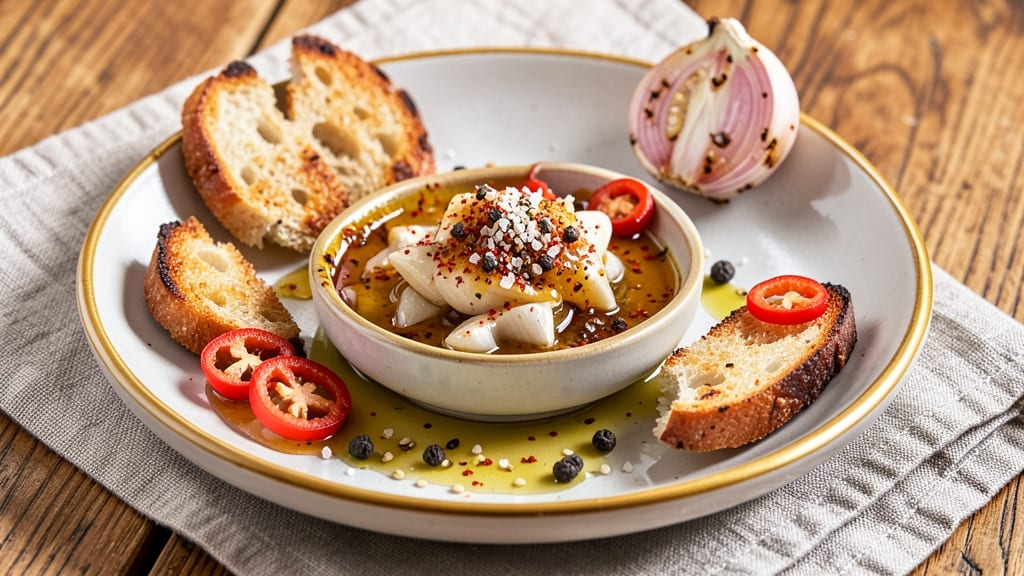
This apple cider vinegar cayenne pepper and honey recipe creates a bold, tangy-sweet glaze that transforms roasts, salads, and grilled meats into showstoppers. The balance of sharp vinegar, fiery cayenne, and smooth honey delivers a complex flavor that lingers—perfect for adding depth to dishes without overpowering them.
I developed this blend after craving a sauce that could stand up to rich proteins while keeping things light and vibrant.
What makes this glaze special is its versatility—use it as a marinade to tenderize meats, a finishing drizzle to elevate roasted vegetables, or a zesty dressing for crisp salads.
The cayenne adds controlled heat, while the apple cider vinegar brings bright acidity, and honey rounds out the sharpness with natural sweetness. The ratio is key: too much cayenne burns, too little honey leaves it flat, but when balanced just right, it’s a game-changer.
The result is a glossy, sticky glaze that caramelizes beautifully under the broiler or grill, creating a crust that’s both sweet and spicy. It’s the kind of sauce that turns a simple chicken breast into a restaurant-worthy dish or transforms a basic salad into something extraordinary.
With just four ingredients and five minutes of prep, you’ll have a condiment that keeps for weeks in the fridge, ready to elevate any meal.
For best results, let the glaze sit for 10 minutes before using—this allows the flavors to meld and intensify. Store it in an airtight container, and you’ll have a pantry staple that’s always ready to transform ordinary dishes into something extraordinary. Here’s how to make it perfectly every time.
Ingredients for apple cider vinegar cayenne pepper and honey
Four ingredients transform into a bold glaze that adds fire and tang to anything.
| Ingredient | Amount | Notes |
|---|---|---|
| Apple Cider Vinegar 🍏 | ½ cup | Raw, unfiltered preferred |
| Honey 🍯 | ½ cup | Wildflower or clover variety |
| Cayenne Pepper 🌶️ | 1 tbsp | Adjust for heat preference |
| Extra-Virgin Olive Oil 🫒 | ¼ cup | For glossy finish |
| Garlic Cloves 🧄 | 2 cloves | Minced for depth |
| Salt 🧂 | ½ tsp | Kosher or sea salt |
The apple cider vinegar is the backbone—Bragg or Texas Pete are my go-tos, but any raw, unfiltered brand works. Honey should be light amber or wildflower—darker varieties can overpower the cayenne. Cayenne? Penzeys brand is consistent, but check the heat level if you're sensitive. Olive oil matters here too—California Extra Virgin from Trader Joe's has the perfect balance of peppery and smooth. Skip the garlic if you're sensitive to its aroma, but trust me, it makes the glaze sing.
No apple cider vinegar? White vinegar or balsamic works in a pinch, but the flavor won't be as complex. Honey substitute? Maple syrup or agave at the same amount, though maple adds a deeper caramel note. Too spicy? Cut the cayenne by half and add a pinch of smoked paprika for depth without the heat. Olive oil shortage? Avocado oil is a neutral swap. And if you're making this for a crowd, double the batch—it disappears fast.
This glaze keeps for 2-3 weeks in the fridge, sealed tight. For longer storage, freeze in ice cube trays—just thaw and shake before using. The flavors actually improve after sitting 10 minutes, so make it ahead if you're grilling. I keep a jar in my fridge at all times—perfect for quick marinades or salad dressings. Just shake well before each use, especially if it's been sitting.
Why You'll Love This Recipe
- Five-Ingredient Magic: I swear by this combo—just swirl ACV, honey, and cayenne into olive oil, then toss in crushed garlic. No measuring cups, no stress, no second-guessing. The whole thing comes together while you’re waiting for the kettle to boil.
- Sweet Heat Balance: That first bite? Honey’s golden richness mellows the cayenne’s kick, but don’t let the warmth fool you—it’s there, lingering like a good memory. Honestly, I’ve made dressings that taste fancy, but this one actually is fancy without trying.
- Dress-Up Everything: Drizzle it over roasted Brussels sprouts, toss it with grilled chicken, or use it as a marinade for shrimp. Between us, I’ve even stirred it into yogurt for a breakfast that’s weirdly satisfying. (Yes, even on a Tuesday night.)
- Pantry Goldmine: No last-minute grocery runs—just raid your cupboards. The ACV and olive oil last forever, and a little cayenne goes a long way. I’ve made this for years, and the jar’s always half-full when I need it most. Budget-friendly? More like budget hero.
Step-by-step instructions for apple cider vinegar cayenne glaze
This tangy-sweet glaze comes together in minutes and adds bold flavor to everything from roasted meats to fresh salads.
Combine Wet Ingredients in a Saucepan
In a medium saucepan, pour in the 0.5 cup apple cider vinegar and 0.5 cup honey. Place the pan over medium-low heat and let it warm gently for 2-3 minutes until the honey begins to dissolve completely. You'll see the mixture transform from chunky to smooth and glossy.
This gentle warming helps the honey blend seamlessly with the vinegar, creating the perfect balance of sweet and tangy flavors. Stir occasionally with a wooden spoon to ensure even heating throughout. If you notice any honey crystals lingering, give it a little more time—we want a completely smooth base for our glaze.
Add Garlic and Salt for Depth
Once the vinegar and honey mixture is fully combined, reduce the heat to low and add the 2 minced garlic cloves and 0.5 teaspoon salt. Let the mixture simmer gently for 1-2 minutes until you can smell that aromatic garlic scent filling your kitchen. This is where the magic happens—the garlic infuses its flavor while the salt begins to dissolve completely.
Don't let the mixture boil—just a gentle simmer is all we need. You'll know it's ready when the garlic releases its sweet, pungent aroma and the salt is fully incorporated. The glaze should now have a beautiful golden hue with tiny specks of garlic throughout.
Incorporate Cayenne Pepper for Heat
Remove the saucepan from heat and let it cool slightly for 1 minute—this prevents the cayenne from burning when we add it. Then, whisk in the 1 tablespoon cayenne pepper until completely dissolved. You'll want to whisk vigorously to distribute the heat evenly throughout the glaze.
Here's the thing—cayenne can clump if added too quickly, so take your time with this step. The glaze should now have a vibrant reddish-golden color with a hint of spice. Taste a small amount to check the balance—you want the sweetness of the honey to shine through while the heat from the cayenne adds just the right kick.
Finish with Olive Oil for Gloss
With the glaze still warm, slowly drizzle in the 0.25 cup extra-virgin olive oil while whisking continuously. The oil will create a beautiful emulsification, giving your glaze that silky, glossy finish. Continue whisking for 30-45 seconds until the mixture becomes thick and velvety.
This is where the glaze transforms from a simple sauce to a restaurant-quality finish. The olive oil not only adds richness but also helps the glaze cling beautifully to meats and vegetables. If the glaze looks too thick, you can thin it slightly with 1-2 teaspoons of warm water, but it should be perfectly balanced as written.
Cool and Adjust Before Using
Transfer the glaze to a bowl and let it cool to room temperature. As it cools, it will thicken slightly—this is normal and actually improves its texture. Once cooled, give it one final taste and adjust the seasoning if needed. If you want more heat, add a pinch more cayenne. For extra tang, a splash of apple cider vinegar works perfectly.
The glaze is now ready to use! It keeps well in the refrigerator for up to 2 weeks, making it perfect for meal prep. Use it to glaze roasted meats before serving, drizzle over fresh salads, or even mix into dressings for a flavor boost. The possibilities are endless with this versatile, zesty-sweet creation.
Pro Tips For Making Apple Cider Vinegar Cayenne Pepper And Honey
- Warm the Honey First: Cold honey is thicker than syrup—dump it straight into your vinegar mix and you’ll end up with a gloppy, uneven sauce. Microwave it for 10 seconds or warm it in a small bowl over simmering water until it flows like liquid gold. Trust me, your dressing will emulsify way better.
- Toast the Garlic: Raw garlic cloves in this mix taste sharp and medicinal. Lightly toast 2-3 whole cloves in olive oil over medium heat until fragrant and just turning golden—about 2 minutes. Smash them flat with the side of your knife before adding to the vinegar; the caramelized edges add depth without bitterness.
- Control the Cayenne: Tossing in a full teaspoon of cayenne first thing means you’ll either burn your tongue or end up with a dish that tastes like spicy vinegar. Start with a pinch (⅛ tsp), let it bloom in the warm oil for 30 seconds, then adjust. You can always add more, but you can’t take it out.
- Whisk in Stages: Dumping all ingredients at once and whisking like crazy? You’ll end up with a separated mess. First, emulsify the vinegar and honey with a splash of water (1 tbsp) to thin it slightly. Then, slowly drizzle in the olive oil while whisking vigorously—this guarantees a silky, cohesive dressing every time.
Wine and beer pairings for this apple cider vinegar cayenne pepper and honey
Crisp White Wine
A dry Sauvignon Blanc from New Zealand or France is my go-to pairing for this glaze—its bright acidity mirrors the apple cider vinegar while the citrus notes complement the honey's sweetness.
Look for wines with 12-13% ABV like Kim Crawford Sauvignon Blanc or Cloudy Bay to avoid overpowering the cayenne's heat. The crisp finish cuts through the richness of roasted meats beautifully. 🍷
Hoppy IPAs
For beer lovers, a West Coast-style IPA with Cascade or Citra hops creates a perfect contrast. The bitter hops balance the glaze's sweetness, while the citrusy notes enhance the apple cider vinegar.
Try Deschutes Mirror Pond IPA or Stone Ruination—both have enough body to stand up to the glaze's intensity without clashing. The carbonation also cleanses your palate between bites.
Spiced Red Blends
If you're serving the glaze with heartier dishes like braised meats, a Syrah-Grenache blend from the Rhône Valley works wonders. The pepper and dark fruit notes in wines like Guigal Côtes du Rhône or Crozes-Hermitage echo the cayenne's heat while the oak adds depth.
These wines are robust enough to handle the glaze's complexity without being overpowered.
Non-Alcoholic Options
For a refreshing non-alcoholic match, try sparkling apple cider—it amplifies the glaze's tart-sweet profile. I love Martinelli's Sparkling Apple Cider or Woodchuck Hard Cider (if you want a touch of alcohol). For something more sophisticated, a ginger beer like Feather's adds a spicy kick that complements the cayenne beautifully.
Regional Adaptations
In Southern U.S. cuisine, where bold flavors reign, pair this glaze with a bold bourbon barrel-aged whiskey like Woodford Reserve Double Oaked. The caramel notes in the whiskey harmonize with the honey, while the oak enhances the glaze's depth.
For Italian-inspired dishes, a dry Lambrusco with its slight effervescence and berry notes creates a perfect match.
Nutrition facts
Frequently asked questions
Can I make this glaze without honey?
Yes, but the flavor will be sharper and less balanced. Substitute with maple syrup or agave nectar at a 1:1 ratio for similar sweetness. For a tangier profile, try 1/4 cup more apple cider vinegar instead, but you'll lose that caramel depth. The honey helps mellow the cayenne's heat while adding a natural gloss.
How spicy will this glaze be?
The 1 tablespoon cayenne delivers noticeable heat but won't overwhelm—think "kick" rather than "burn." For milder heat, reduce to 1/2 teaspoon and add 1/4 teaspoon smoked paprika for depth. If you love spice, increase to 1.5 tablespoons (but test first!). The honey and vinegar balance it beautifully, so the heat lingers rather than dominates.
What are the best foods to use this glaze on?
This glaze excels on roasted meats (chicken, pork, or salmon), grilled vegetables (bell peppers, zucchini), and salads (as a tangy dressing). For extra flavor, brush it on 10-15 minutes before cooking—the caramelization makes it irresistible. It also works as a marinade (add 1 tablespoon olive oil and 1 teaspoon soy sauce for extra tenderness).
Why does my glaze look grainy?
Graininess usually means the honey didn't fully dissolve or the cayenne clumped. To fix it, gently rewarm the mixture (without boiling) and whisk vigorously. For future batches, ensure the honey is liquid (microwave for 10 seconds if needed) and whisk the cayenne into warm glaze, not cold. If it's still grainy, strain through a fine-mesh sieve for a silky texture.
Can I make this glaze ahead of time?
This glaze actually improves with time—flavors meld better after 24 hours in the fridge. Store in an airtight container for up to 3 weeks, shaking before use. For long-term storage, freeze in ice cube trays (thaw and shake to restore consistency). The acidity and spices develop deeper complexity over time, making it even more flavorful.