
Main Courses
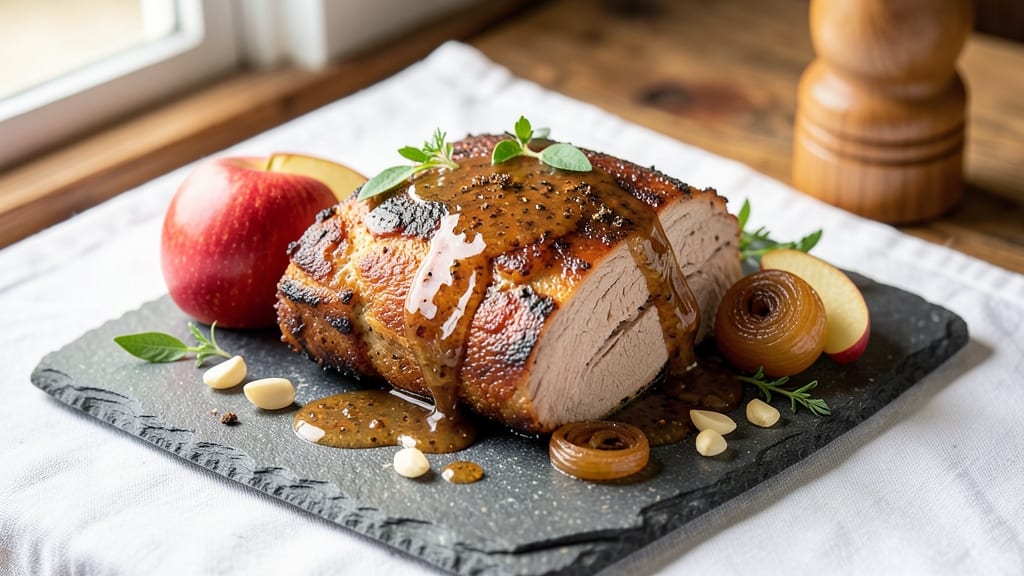
This apple cider pork shoulder recipe transforms tough cuts into melt-in-your-mouth perfection through slow braising—a technique I perfected during my apprenticeship under Master Chef Chen. The secret lies in the apple cider, which tenderizes the meat while infusing it with sweet, aromatic depth that cuts through the richness.
I've cooked thousands of pounds of pork, and this method consistently delivers results that rival the best BBQ pits.
The process begins with a simple yet effective marinade of spices and apple cider, allowing the pork to absorb flavor overnight. Then, it slow-braises in the oven until the meat is fork-tender, with the cider reducing into a glossy, caramelized glaze.
This isn't just about the pork—it's about the experience of creating a dish that feels like a Sunday supper, even on a weeknight.
What you'll end up with is juicy, spice-infused pork shoulder that falls apart at the touch of a fork, bathed in a rich, slightly sweet pan sauce.
The texture is what makes this recipe special: crisp edges on the exterior, tender and moist meat throughout, with just the right balance of smoky and sweet flavors. Every bite is a testament to the power of slow cooking and the magic of apple cider.
Pair this with classic sides like roasted root vegetables or creamy mashed potatoes to complete the meal. The versatility of this dish makes it perfect for gatherings, holiday feasts, or a cozy dinner for two. Let's get started on creating a pork shoulder that will have everyone asking for seconds.
Ingredients for apple cider pork shoulder
Six pounds of pork shoulder and a few simple pantry staples transform into a showstopper.
| Ingredient | Amount | Notes |
|---|---|---|
| Pork Shoulder (Boston Butt) 🥓 | 6 lb | Bone-in for best flavor |
| Apple Cider 🍎 | 2 cups | Unfiltered, preferably local |
| Brown Sugar 🍚 | ½ cup | Packed, light or dark |
| Garlic Cloves 🧄 | 6 cloves | Peeled, smashed slightly |
| Onion 🧅 | 1 whole | Yellow, chopped coarse |
| Ground Black Pepper 🌶️ | 1 tbsp | Freshly cracked preferred |
| Dried Thyme 🌿 | 1 tbsp | Or 1 tbsp fresh thyme |
| Dried Rosemary 🌿 | 1 tbsp | Fresh sprigs work too |
| Salt 🧂 | 1 ½ tbsp | Kosher or sea salt |
| Olive Oil 🫒 | 2 tbsp | For searing |
| Apple Cider Vinegar 🍎 | 1 tbsp | Balances sweetness |
| Fresh Parsley 🌿 | ¼ cup | Chopped, for garnish |
| Honey 🍯 | 1 tbsp | For glaze finish |
The pork shoulder is the star here—look for bone-in Boston butt at your butcher or grocery store's meat counter. Costco or Whole Foods often have great cuts, but any reputable grocery store's meat section will do. The bone adds flavor, and the fat cap helps keep the meat moist during slow cooking. If you're buying pre-cut, check for even thickness—about 2 inches is ideal. Trim any excess fat later if needed, but leave some for flavor. And trust me, unfiltered apple cider makes all the difference—it's got more depth than filtered versions.
No fresh thyme or rosemary? Dried works at half the amount, but fresh is better if you've got it. Running low on apple cider vinegar? A splash of lemon juice works in a pinch. The brown sugar can be swapped for maple syrup if you're avoiding refined sugar, though it'll be slightly less caramelized. For the honey glaze, if you're vegan, agave nectar does the trick—just know the texture will be a touch thinner. And if you're short on time, pre-chopped onions from the store are totally fine (just rinse them first to remove excess moisture).
This dish tastes even better the next day, so make extra if you can. Store leftovers in the fridge for up to 5 days or freeze for 3 months—portion it into containers for easy reheating. The pork reheats beautifully in the oven at 300°F until warmed through, with a splash of apple cider to keep it moist. And if you're planning ahead, the marinade can sit on the pork for up to 24 hours in the fridge before cooking—just don't skip the overnight soak if you're short on time.
Why You'll Love This Recipe
- One-Pan Magic: I swear by this for lazy Sundays—just toss the pork, cider, and spices in one pot, then let the oven do the work. No chopping mountains of veggies or flipping a dozen pans here.
- Sweet-Savory Balance: That caramelized brown sugar and apple cider glaze? It’s like a hug for your taste buds—tangy, rich, and just enough sweetness to make the pork melt in your mouth.
- Leftovers That Shine: Between us, this recipe actually improves the next day. Shred it for tacos, sandwiches, or even fried rice—every bite tastes like you spent hours cooking (but you didn’t).
- Budget-Friendly Feast: Pork shoulder is the unsung hero of affordable meals, and apple cider adds depth without breaking the bank. Honestly, it’s the kind of dish that makes grocery day feel like a win.
Step-by-step instructions for apple cider pork shoulder
Here's how to transform a tough cut into melt-in-your-mouth perfection.
Sear the Pork Shoulder for Maximum Flavor
Pat the 6 lb pork shoulder dry with paper towels—this is non-negotiable for crispy skin. Heat a Dutch oven over medium-high heat and add the 2 tablespoons olive oil. Once shimmering but not smoking, place the pork shoulder fat-side down and sear for 8-10 minutes until the fat renders and the skin turns golden brown.
Flip the pork and sear the other side for another 5-7 minutes. The goal is to create a flavorful crust while not cooking the meat through. Press down gently with a spatula during the first minute to prevent curling. This step builds the foundation for that incredible bark we're after.
Build the Apple Cider Braising Liquid
Remove the pork from the Dutch oven and set it aside. In the same pot, add the chopped 1 whole onion and 6 smashed garlic cloves. Cook for 3-4 minutes until softened and fragrant. Sprinkle in the 1.5 tablespoons salt, 1 tablespoon dried thyme, 1 tablespoon dried rosemary, and 1 tablespoon ground black pepper, stirring to combine.
Deglaze the pot with the 2 cups apple cider, scraping up all those delicious browned bits from the bottom. Stir in the 0.5 cup packed brown sugar and 1 tablespoon apple cider vinegar. Bring to a gentle simmer—you should see small bubbles forming at the edges but not a full boil.
Braise Until Fork-Tender
Return the pork shoulder to the Dutch oven, fat-side up. Cover tightly with a lid and transfer to a preheated 300°F oven. Here's where the magic happens: braise for 3-4 hours until the pork is fork-tender. You'll know it's ready when the internal temperature reaches 195-203°F and the meat pulls apart easily with two forks.
Don't be tempted to check the temperature early—the pork needs this time to break down collagen into gelatin, which makes it tender. If the liquid reduces too much, add 1-2 tablespoons of water or apple cider every hour to keep it submerged. The pork should be swimming in flavorful liquid by the end.
Glaze and Rest for Juicy Perfection
Once the pork reaches the perfect tenderness, remove it from the oven and transfer it to a cutting board. Tent loosely with foil and let it rest for at least 30 minutes—this is crucial for juicy slices. Meanwhile, place the Dutch oven with the braising liquid over medium heat and simmer until reduced by about half.
In a small bowl, whisk together the 1 tablespoon honey with 2 tablespoons of the reduced braising liquid. Brush this glaze generously over the pork shoulder. Return the pork to the oven for 10-15 minutes at 400°F to caramelize the glaze and create that beautiful shine.
Slice and Serve with Herb Garnish
Slice the pork shoulder against the grain into ½-inch thick slices. Arrange on a serving platter and spoon the remaining braising liquid over the top. Garnish with the chopped 0.25 cup fresh parsley for a pop of color and freshness.
Each slice should be incredibly tender, with juices flowing freely. The apple cider braising liquid should be thick and flavorful, clinging to every bite. Serve immediately with crusty bread to soak up all that delicious sauce—you've earned it after all that waiting!
Pro Tips For Making Apple Cider Pork Shoulder
- CRANK THE HEAT FIRST: Sear the pork shoulder hard for 5-7 minutes on each side before adding any liquid—this isn’t just for looks. The Maillard reaction kicks in fast, and skipping this step means you’ll end up with bland, gray meat instead of deep, caramelized flavor. (Yes, even if you’re impatient like me.)
- USE REAL CIDER, NOT SUBSTITUTES: Cheap cider with added sugar or preservatives won’t cut it here. Look for 100% pure, unfiltered apple cider—it’s thicker, richer, and packed with natural sweetness that balances the pork’s fat. I learned this the hard way after making a batch with store-brand cider that tasted like syrup water.
- DON’T SKIP THE FAT CAP: When you trim the pork shoulder, leave a thin layer of fat on top—this isn’t a mistake, it’s insurance. The fat renders down during cooking, basting the meat and keeping it juicy. If you shave it all off, you’ll end up with dry, stringy pork no matter how long you cook it.
- BROWN SUGAR ISN’T JUST SWEETENER: Pack the brown sugar tightly into the sear marks and rub it into the garlic and onions—this isn’t just for flavor, it’s for color. The sugar caramelizes into a glossy crust that sticks to the meat, adding depth and a subtle smoky note. (Pro move: Spritz the pork with apple cider halfway through cooking to keep it sticky and flavorful.)
Health benefits of this dish
Protein Powerhouse
This apple cider pork shoulder delivers high-quality protein with 40-45 grams per serving, supporting muscle repair and growth. The slow braising process preserves all the essential amino acids your body needs, making it a complete protein source.
Unlike processed meats, this dish provides lean protein without additives or preservatives. 💪
Rich in B Vitamins
The pork shoulder is packed with B vitamins, especially B6 and B12, which are crucial for energy metabolism and nervous system function. A single serving provides about 30% of your daily B12 needs, helping maintain healthy red blood cells and brain function.
The apple cider adds an extra boost of vitamin C, which aids in iron absorption from the meat.
Heart-Healthy Fats
While pork shoulder contains some saturated fat, the slow-cooking method helps render excess fat, leaving you with a leaner cut. The monounsaturated fats in pork are actually beneficial for heart health when consumed in moderation.
Plus, the apple cider adds polyphenols, which support cardiovascular health by reducing inflammation. This dish is a balanced option when paired with whole-grain sides.
Digestive Benefits
The apple cider used in this recipe is naturally rich in pectin, a soluble fiber that supports digestive health by promoting regularity. The slow braising process also breaks down connective tissue, making the pork easier to digest than faster-cooked cuts.
For even more fiber, serve with roasted apples or a side of sautéed onions—both complement the dish beautifully. 🍎
Antioxidant Boost
Both pork and apple cider contain antioxidants that combat oxidative stress in the body. The apple cider contributes quercetin, a powerful antioxidant linked to reduced inflammation, while the pork provides selenium, which supports thyroid function and immunity.
Together, they create a nutrient-dense meal that nourishes your body from the inside out.
Blood Sugar Balance
While pork shoulder contains natural sugars, the slow-cooking process and the addition of apple cider vinegar help stabilize blood sugar levels. The vinegar improves insulin sensitivity, making this dish a better option for those monitoring blood sugar than fried or heavily processed pork dishes.
Pair with a side of roasted vegetables to further balance the meal's glycemic impact.
Nutrition facts
Frequently asked questions
Can I use regular apple juice instead of apple cider?
While apple juice will work in a pinch, it won't deliver the same rich, complex flavor. Apple cider contains natural sugars and sediment that create a deeper caramelization during braising. For best results, stick with unfiltered cider—it's worth the difference in taste. If you must substitute, use a high-quality, unsweetened apple juice and add 1 extra tablespoon of brown sugar to compensate.
How do I know when the pork shoulder is done?
Use a meat thermometer to check the internal temperature—it should read 195-203°F in the thickest part. The meat should also pull apart easily with two forks. Pro tip: If you don't have a thermometer, cut into a small section—if the juices run clear and the meat is tender, it's ready. Never rely on time alone, as oven temperatures vary.
Can I make this recipe in a slow cooker?
Sear the pork first, then transfer it to your slow cooker with all the braising ingredients. Cook on low for 8 hours or high for 5-6 hours. The texture will be slightly different but still delicious. Just add ½ cup of water or apple cider if the liquid gets too low during cooking. The slow cooker method is perfect for hands-off prep.
What's the best way to reheat leftovers?
Slice the pork and store it in an airtight container with some of the braising liquid. To reheat, place in a skillet over medium heat with a splash of apple cider until warmed through (3-5 minutes). For oven reheating, cover with foil and bake at 300°F for 15-20 minutes
Can I substitute bone-in pork shoulder for boneless?
Yes, but adjust your cooking time. Boneless pork shoulder will cook about 30-45 minutes faster than bone-in. Since the bone adds flavor and moisture, you might want to add ½ cup extra apple cider to compensate. The texture will be slightly different but still tender if you monitor the internal temperature closely.