
Sauces & Condiments
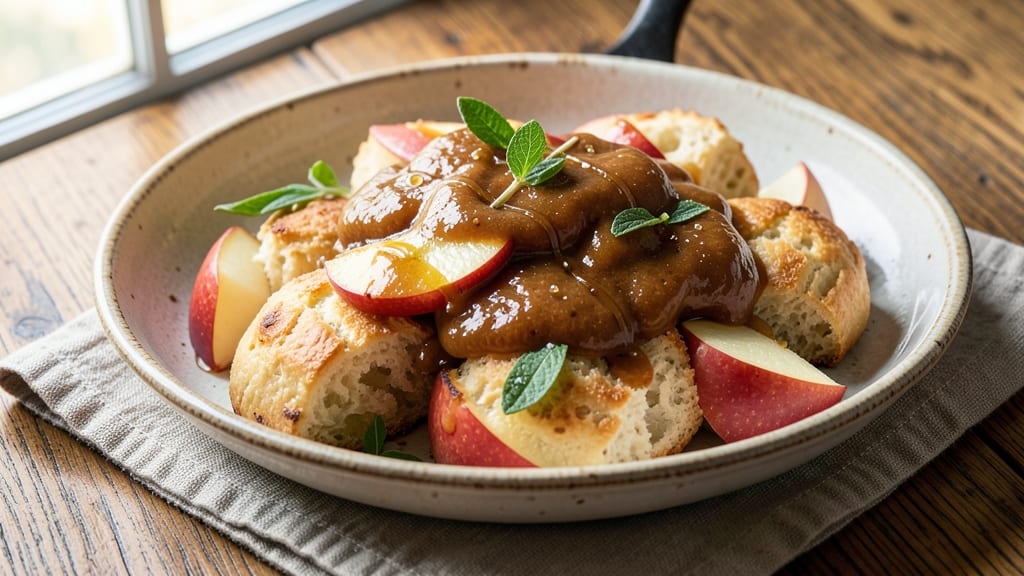
This apple and sage sauce recipe transforms simple ingredients into a velvety, aromatic drizzle that elevates roasts, mashed potatoes, and even desserts. The combination of tender apples, fresh sage, and rich butter creates a sauce that's both comforting and sophisticated—perfect for adding depth to holiday meals or weeknight dinners.
What makes this sauce special is its versatility; it works as a glaze for pork tenderloin, a topping for creamy mashed potatoes, or even a drizzle over vanilla ice cream for a surprising twist.
The secret lies in simmering the apples until they break down into a smooth purée, then blending with warm cream and fresh sage for a fragrant, herby note. Unlike store-bought sauces, this version delivers a bright, natural sweetness balanced by the earthy warmth of sage.
The sauce thickens beautifully as it reduces, ensuring it clings to every bite without being overly heavy.
With just 10 minutes of active prep and 20 minutes of simmering, you’ll have a sauce that’s restaurant-quality yet simple enough for any home cook. The best part?
It keeps well in the fridge for up to a week or freezes for months, making it an ideal make-ahead solution for busy holidays or meal prep.
Serve it warm over roasted chicken, drizzle it over buttery mashed potatoes, or even use it as a glaze for caramelized onions. The possibilities are endless, and the flavor is undeniably rich—proof that a few pantry staples can create something truly special.
Ingredients for apple and sage sauce
Eight simple ingredients create this velvety, aromatic apple and sage sauce perfect for roasts and mashed potatoes.
| Ingredient | Amount | Notes |
|---|---|---|
| Honeycrisp Apples 🍎 | 3 medium | Peeled, cored, chopped |
| Unsalted Butter 🧈 | ½ cup | Cold, cubed for even melting |
| Heavy Whipping Cream 🥛 | ½ cup | Full-fat for richness |
| Fresh Sage Leaves 🌿 | ¼ cup | Stems removed, chopped |
| Granulated Sugar 🍚 | 2 tbsp | Adjust for apple sweetness |
| Apple Cider Vinegar 🍶 | 1 tbsp | For brightness and tang |
| Salt 🧂 | ½ tsp | Kosher or sea salt |
| Ground Black Pepper 🌶️ | ¼ tsp | Freshly ground preferred |
The apples are the heart of this sauce, so choose ones with a balance of sweetness and tartness—Honeycrisp or Braeburn work beautifully. Most grocery stores carry these varieties, but if you're at a farmers market, ask for something similar. For the butter, Plugrá or Land O'Lakes are reliable brands that melt smoothly without overpowering. Fresh sage is non-negotiable here—dried just won't give that same aromatic punch, though you can use it in a pinch at half the amount. If you're prepping ahead, peel and chop the apples first and store them in an airtight container with a sprinkle of lemon juice to prevent browning.
No Honeycrisp apples? Granny Smith or Fuji will work—just add an extra tablespoon of sugar to balance the tartness. Running low on heavy cream? Half-and-half or coconut cream will give you a similar texture, though the flavor will shift slightly. The apple cider vinegar can be swapped for white wine vinegar if that's what you have on hand, but keep the amount the same. For a richer sauce, add 1 tablespoon of walnuts or pecans to the blend—it adds a lovely crunch. If you're making this ahead, skip the vinegar until just before serving to preserve its bright flavor.
This sauce keeps beautifully in the fridge for up to 1 week, though it tastes even better the next day as the flavors meld. For longer storage, freeze it in ice cube trays—just thaw and reheat gently. The sauce thickens as it cools, so if it seems too thick after refrigerating, simply add a splash of warm water or cream to loosen it. It reheats perfectly in the microwave or on the stovetop, making it ideal for last-minute drizzling. For a restaurant-quality finish, strain the sauce through a fine-mesh sieve before serving to achieve that ultra-smooth texture.
Why You'll Love This Recipe
- Five-Ingredient Magic: I swear, this sauce comes together with just a knife, a pan, and five things you probably already have. Honeycrisp apples hold their shape beautifully—no mushy mess—while the butter and cream turn everything silky smooth in minutes. Honestly, it’s the kind of recipe that makes me feel like a chef without the fuss.
- Sagey Sweetness Bomb: That first whiff of sage and caramelized apples? Instant mood booster. The crisp edges of the apples contrast with the creamy sauce, and the honey just ties it all together like a cozy hug in a bowl. Between us, it’s the kind of flavor that makes people ask, “What’s in this?”—then beg for the recipe.
- Pantry to Party: This sauce works on roasted chicken, mashed potatoes, or even pancakes—yes, really. I’ve used it to dress up Thanksgiving leftovers, drizzled it over ice cream for dessert, and even slathered it on grilled cheese sandwiches. It’s my go-to for when I need something special but can’t spend hours in the kitchen.
- Leftovers That Don’t Suck: Make a double batch, and you’ve got backup for the week. The sauce keeps well in the fridge for up to five days, and it reheats like a dream—just a quick warm on the stove with a splash of cream. Plus, the cost? Ridiculously cheap. A few apples, some butter, and a handful of sage leaves stretch this into multiple meals without breaking the bank.
Step-by-step instructions for apple and sage sauce
This rich, aromatic sauce comes together with simple techniques and precise timing.
Cook the Apples Until Soft
In a medium saucepan, combine the 3 medium Honeycrisp Apples (chopped), 2 tbsp Granulated Sugar, 1 tbsp Apple Cider Vinegar, and 0.5 tsp Salt. Cook over medium heat for 8-10 minutes, stirring occasionally, until the apples break down into a thick, jammy consistency. You're looking for a texture that's soft enough to blend smoothly but still retains some body—this ensures your sauce won't be too runny.
Here's the thing—don't rush this step. The apples need time to release their natural sweetness and develop that perfect balance of tang from the vinegar. If the mixture starts to stick, add 1-2 tablespoons of water to help it cook evenly. The sauce should smell intensely of apples and sage once fully cooked.
Melt Butter and Incorporate Sage
Reduce the heat to low and add the 0.5 cup Unsalted Butter (cubed) and 0.25 cup Fresh Sage Leaves. Stir gently for 3-4 minutes until the butter melts completely and the sage leaves wilt and darken slightly. This step infuses the sauce with deep, earthy sage flavor and creates a velvety texture from the butter.
I like to press the sage leaves against the pan occasionally with a wooden spoon—this helps release their oils and maximizes flavor extraction. The sauce should now have a rich, golden hue and a fragrant aroma that combines apple sweetness with herbal notes. If you smell any burning, reduce the heat immediately to prevent bitterness.
Finish with Cream and Season
Remove the saucepan from heat and stir in the 0.5 cup Heavy Whipping Cream. Return to low heat and simmer gently for 2-3 minutes, stirring constantly, until the cream is fully incorporated and the sauce reaches a smooth, velvety consistency. This final step creates that luxurious mouthfeel that makes this sauce perfect for drizzling.
Taste and adjust seasoning with additional salt or 0.25 tsp Ground Black Pepper if needed. The sauce should balance sweet, tart, and herbal notes perfectly. For an extra touch, you can strain out the sage leaves if you prefer a smoother texture, but I like to leave some visible leaves for presentation and texture contrast.
Cool and Store Properly
Transfer the sauce to a clean saucepan and keep it warm over low heat if serving immediately, or transfer to a jar and refrigerate for up to 5 days. When reheating, warm gently over low heat while stirring constantly—never boil, as this can break the sauce's delicate emulsion. The sauce thickens as it cools, so you may need to thin it with a splash of water or cream when reheating.
This sauce works beautifully drizzled over roasted meats, mashed potatoes, or even as a glaze for pancakes. The perfect balance of sweet, tangy, and herbal makes it incredibly versatile. Real talk: I've found that making a double batch is worth it—this sauce disappears quickly once people taste it.
Pro Tips For Making Apple And Sage Sauce
- Peel Apples Thin: Honeycrisp’s skin is tougher than it looks, and thick slices mean uneven cooking. Use a paring knife to shave off just the outer layer—leave the pale green flesh intact. It’ll caramelize faster and keep the sauce from turning grainy.
- Toast Sage First: I learned this the hard way—tossing whole leaves into simmering cream just makes them turn to mush. Instead, briefly fry the leaves in butter until fragrant (30 seconds max), then remove them. The oil releases their flavor without turning the sauce into sage soup.
- Simmer Low and Slow: High heat burns sugar fast and turns the sauce bitter. Once the apples soften, drop the heat to a bare simmer—just enough to keep tiny bubbles breaking the surface. This lets the cream thicken evenly without curdling.
- Strain for Smoothness: Even Honeycrisp breaks down into stringy bits. After simmering, pour the sauce through a fine-mesh strainer into a clean bowl. Press gently with a spoon to catch every last bit of pulp—your future self will thank you when the sauce is silky, not chunky.
Regional styles of this dish
French Provincial Twist
In France, this sauce is often called a sauce aux pommes et sauge and is traditionally paired with coq au vin or duck confit. The French version typically includes 1 tbsp brandy (like Courvoisier) deglazed from the pan after cooking the apples.
I like to add 1 sprig of thyme alongside the sage for that classic French herb blend. The sauce is also commonly thickened with a roux—mix 1 tbsp butter and 1 tbsp flour before adding the apples—to create a glossier finish. 🍷
Southern U.S. BBQ Style
Down South, this sauce gets a smoky twist by simmering the apples with 1 tsp smoked paprika and ½ tsp cayenne pepper for a subtle kick. Some chefs add 1 cup apple cider instead of vinegar to deepen the flavor.
I’ve seen it drizzled over pulled pork sandwiches or mac and cheese—the sweetness cuts through the richness perfectly. For an extra Southern touch, finish with crumbled bacon or chopped scallions. 🔥
Italian Sage-Focused Variation
Italian cooks often elevate this sauce by adding 1 tbsp white wine (like Pinot Grigio) and 1 tsp lemon zest to brighten the flavors. The Italians also incorporate ½ cup walnuts for a nutty crunch, which pairs beautifully with roasted chicken or gnocchi.
I like to serve it with a sprinkle of freshly grated Parmigiano-Reggiano for a salty contrast. The key here is to use double the sage—about ½ cup—to honor Italy’s love for this herb. 🌿
German-Style Spiced Apple Sauce
In Germany, this sauce is often spiced with 1 cinnamon stick and 2 cloves during the apple cooking phase, creating a warm, aromatic profile. The Germans also add ½ cup red wine (like Dornfelder) and reduce it with the apples to intensify the flavors.
This version is a classic pairing for roasted pork knuckle or sausages. For a modern twist, I sometimes add 1 tbsp Dijon mustard at the end for a tangy depth. 🍎
British Creamy Version
The British love their creamy sauces, so this recipe often includes 2 oz cream cheese blended into the final mixture for extra richness. They also add 1 tsp English mustard and 1 tsp Worcestershire sauce for a savory kick.
This version is perfect for roast beef or Yorkshire puddings. I’ve even seen it used as a dessert sauce with sticky toffee pudding—the creaminess balances the caramelized flavors beautifully. 🇬🇧
Modern Fusion Twist
For a contemporary take, try adding 1 tbsp maple syrup and ½ tsp vanilla extract for a dessert-friendly version. This works amazingly as a glaze for roasted Brussels sprouts or seared scallops.
Some chefs also blend in 1 tbsp tahini for a nutty, Middle Eastern-inspired twist. I love this version drizzled over grilled halloumi cheese—the sweetness and herby notes create a perfect balance. 🌟
Nutrition facts
Frequently asked questions
Can I use dried sage instead of fresh?
You can substitute dried sage, but use only 1/4 teaspoon for every 1 tablespoon of fresh leaves. Dried sage is more concentrated, so too much will make the sauce bitter. Toast the dried leaves in a dry pan for 30 seconds before adding to enhance their flavor. For best results, fresh sage gives that signature aromatic punch this sauce is known for!
How do I adjust the sweetness for tart apples?
If using tart apples like Granny Smith, add an extra 1-2 tablespoons of sugar or 1 teaspoon of honey during the cooking process. For a natural sweetener, swap the vinegar for 1 tablespoon of apple juice instead. Always taste as you go—this sauce should balance sweet, tart, and herbal notes perfectly.
Can I make this sauce ahead of time?
This sauce actually tastes better the next day as the flavors meld. Store it in an airtight container in the fridge for up to 5 days or freeze for 3 months. When reheating, warm gently over low heat and thin with a splash of cream or water if needed. The sauce thickens as it cools, so this is normal.
What are the best proteins to pair with this sauce?
This versatile sauce works beautifully with roasted pork tenderloin, herb-crusted chicken, or seared duck breast. For vegetarian options, try drizzling it over mushroom risotto or creamy mashed potatoes. The sweet-tart balance complements rich meats perfectly while adding brightness to hearty sides.
Why did my sauce turn out too thin?
This usually happens if you didn't cook the apples long enough or added too much cream. For next time, simmer the apples until they break down completely (10-12 minutes), then reduce the sauce uncovered for 2-3 minutes at the end. If it's still too thin, simmer uncovered for another 5 minutes to thicken naturally. Never boil vigorously, as this can cause separation.