
Salads
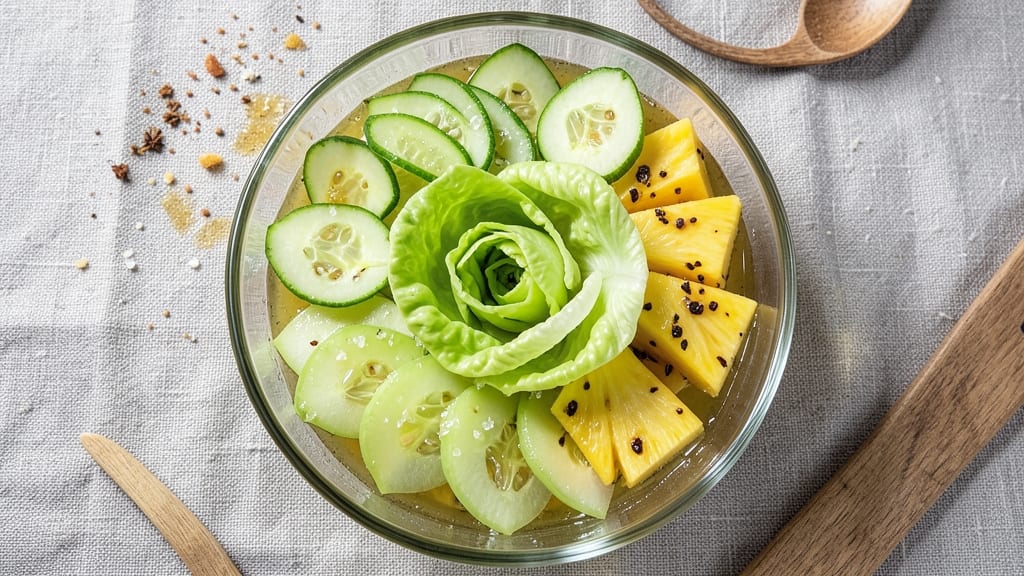
This ampalaya salad with pineapple recipe transforms bitter melon into a vibrant, tropical-inspired dish that balances sweet, tart, and crunchy textures in every bite.
The secret lies in quick-pickling the ampalaya to mellow its bitterness while preserving its satisfying crunch—a technique rooted in Filipino cooking that elevates this salad beyond ordinary green salads.
I developed this recipe after discovering how well the natural sweetness of pineapple complements the earthy depth of ampalaya, creating a flavor profile that’s both familiar and exciting.
What makes this salad special is its ability to deliver restaurant-quality results with minimal effort—no fancy ingredients, just fresh produce and a simple dressing that ties everything together.
The ampalaya is prepped with a quick vinegar-soak to soften its edges, while the pineapple is diced into bite-sized chunks that add juicy contrast. Supporting ingredients like crisp cucumber and tender lettuce provide balance, ensuring each forkful is refreshing without being overwhelming.
This dish is perfect for warm days, potlucks, or as a light lunch that still feels substantial.
The assembly process is straightforward: wash and peel the ampalaya, dice the pineapple, and toss everything with a bright dressing made from vinegar, sugar, and a touch of soy sauce for umami depth.
The result is a salad that’s visually striking with its mix of deep greens, golden pineapple, and crisp white vegetables. The flavors develop as it sits, allowing the vinegar to mellow slightly while the pineapple’s sweetness shines through.
Serve immediately for the crispiest texture, or let it rest for 15 minutes to let the flavors meld.
This salad is versatile enough to pair with grilled meats, fish, or even as a standalone dish with a side of garlic rice. The sweet-tart combination makes it equally appealing to kids and adults, proving that healthy eating doesn’t have to be boring.
Whether you’re introducing someone to ampalaya or simply craving a refreshing salad with a tropical twist, this recipe delivers in every bite. Let’s get started!
Ingredients for ampalaya salad with pineapple
Fresh produce and simple pantry staples transform bitter melon into a vibrant tropical salad.
| Ingredient | Amount | Notes |
|---|---|---|
| Ampalaya (Bitter Melon) 🥒 | 1 lb | Young, firm variety preferred |
| Fresh Pineapple 🍍 | 1 whole | Ripe, sweet variety like Gold |
| English Cucumber 🥒 | 1 whole | Seedless preferred, peeled |
| Romaine Lettuce 🥬 | 1 head | Hearts separated, washed |
| White Vinegar 💧 | ¼ cup | Distilled preferred for clarity |
| Granulated Sugar 🍚 | ¼ cup | White or raw cane sugar |
| Soy Sauce 🥢 | 2 tbsp | Light or regular variety |
| Sesame Oil 🫒 | 1 tbsp | Toasted for nutty aroma |
| Lime Juice 🍋 | 2 tbsp | Freshly squeezed |
| Kosher Salt 🧂 | ½ tsp | Diamond Crystal preferred |
| Black Pepper 🌶️ | ¼ tsp | Freshly ground |
| Red Chili Flakes 🔥 | ¼ tsp | Optional for heat |
The ampalaya is the heart of this dish, so young, firm specimens are key—avoid any with soft spots or yellowing. Filipino markets or Asian grocery stores often carry the best selection, though larger supermarkets may stock them in the produce section. Look for melons that are about 6-8 inches long with a glossy, deep green skin. The pineapple should be ripe but firm, with sweet-smelling leaves at the top. Gold varieties like Golden Gem tend to be sweeter than red-fleshed types. For the cucumber and lettuce, prioritize crispness—English cucumbers are ideal for their lack of seeds, while Romaine hearts provide the perfect tender contrast to the crunchy ampalaya.
No white vinegar? Apple cider vinegar works beautifully, though it may add subtle sweetness. Running short on sesame oil? Toasted peanut oil offers a similar nutty depth, though with a different profile. The soy sauce can be swapped for coconut aminos if you're avoiding gluten. For a sweeter dressing, increase the sugar to 3 tablespoons and reduce the vinegar slightly. If you prefer less heat, omit the chili flakes entirely—the dressing will still pack umami from the soy and sesame. The dressing components should be mixed right before tossing to preserve the bright acidity and prevent the pineapple from turning mushy.
Prep the ampalaya and pineapple just before assembling to maintain crispness. The dressing keeps well in the fridge for 5 days if stored separately, but the salad itself is best enjoyed immediately for peak texture. To store leftovers, keep the components separate in airtight containers—reassemble with fresh dressing when ready to eat. For meal prep, slice the pineapple and cucumber ahead, but hold off on cutting the ampalaya until serving. The vinegar soak should be done no more than 30 minutes before serving to prevent over-softening. This salad pairs beautifully with grilled proteins or as a standalone dish with steamed jasmine rice.
Why You'll Love This Recipe
- No-Chop Nightmare: I swear, the ampalaya’s thick skin and seedy center make most people run—but here, it’s just a quick spiral cut (or even a rough chop) straight into the pan. The pineapple? Toss in pre-cut chunks if you’re really lazy. My lazy Sundays now include this.
- Sweet-Sour Magic: That first bite—crunchy cucumber, tangy vinegar, and the pineapple’s juicy punch cutting through the ampalaya’s earthy bite? It’s the kind of contrast that makes you reach for seconds without thinking. Honestly, the vinegar does all the work balancing the flavors.
- Lunchbox Hero: Pack this the night before, and you’ve got a salad that won’t wilt or get soggy. My kids actually eat their veggies now—well, almost all of them. The ampalaya’s bitterness mellows in the fridge, and the pineapple stays sweet. Zero sad lunches here.
- Pantry Stretch: Ampalaya’s cheap at Asian markets, pineapple’s a bulk-bin staple, and cucumbers last forever. I’ve fed four people for under $8 with this—plus, the leftovers taste just as good cold the next day. Budget win, and it’s still restaurant-worthy.
Step-by-step instructions for ampalaya salad with pineapple
This vibrant salad balances bitter melon's unique texture with pineapple's sweetness—here's how to assemble it perfectly.
Prepare the Ampalaya and Vegetables
First, cut the 1 lb Ampalaya (Bitter Melon) in half lengthwise and scoop out the seeds using a spoon. The flesh should be young and firm—avoid any with soft spots. Slice the melon crosswise into ¼-inch thick pieces and immediately soak them in cold water for 10 minutes to remove bitterness. Drain well and pat dry with paper towels.
Peel the 1 whole English Cucumber using a vegetable peeler, then slice it into ½-inch thick half-moons. Separate the 1 head Romaine Lettuce into individual leaves and wash them thoroughly in cold water, then spin dry. For the pineapple, cut off the top and bottom, then slice off the skin using a sharp knife. Remove the core and chop the flesh into ½-inch cubes. Set all prepared vegetables aside in separate bowls.
Create the Sweet-Tart Dressing
In a medium bowl, whisk together the 0.25 cup Granulated Sugar and 0.25 cup White Vinegar until the sugar dissolves completely. This creates a simple syrup that balances the salad's flavors. Add the 2 tbsp Soy Sauce, 2 tbsp Lime Juice, 1 tbsp Sesame Oil, 0.5 tsp Kosher Salt, 0.25 tsp Black Pepper, and 0.25 tsp Red Chili Flakes (if using). Stir vigorously until fully combined—you should see a glossy, slightly thick dressing forming.
Taste the dressing before proceeding. The combination of sweet, tangy, and umami elements should harmonize, with a subtle heat from the chili flakes. If needed, adjust the sugar or vinegar to achieve the perfect balance—this is your flavor foundation.
Assemble and Marinate the Salad
In a large mixing bowl, combine the drained ampalaya, cucumber, pineapple, and romaine lettuce. Pour the dressing over the vegetables and toss gently but thoroughly to coat each piece evenly. The bitter melon will absorb the dressing quickly, so work in batches if needed. Let the salad marinate at room temperature for 15-20 minutes—this allows the flavors to meld and the ampalaya to soften slightly while retaining its crunch.
Here's the thing—don't over-toss. You want the dressing to cling to the vegetables without making them soggy. The pineapple's natural juices will help distribute the flavors, but you're aiming for a bright, crisp salad, not a watery one. Taste after marinating to ensure the bitterness is balanced by the sweet-tart dressing.
Chill and Serve
Transfer the salad to a serving platter and refrigerate for at least 30 minutes before serving. This chilling time enhances the flavors and allows the textures to set—you'll notice the ampalaya becomes slightly more tender while maintaining its bite, and the pineapple's sweetness becomes more pronounced.
When ready to serve, give the salad one final gentle toss to redistribute any pooled dressing. The presentation should showcase the vibrant colors: the deep green of the ampalaya, the bright yellow of the pineapple, the crisp white of the cucumber, and the pale green of the romaine. Serve immediately while the vegetables are at their crispest, and enjoy the perfect balance of textures and flavors in every bite.
Pro Tips For Making Ampalaya Salad With Pineapple
- Peel Ampalaya Last: I learned this the hard way—peeling bitter melon before slicing turns it into a mushy mess. Instead, slice it first (skin on), then scrape out the seeds and peel the strips with a spoon. You’ll save time and keep the texture crisp.
- Use Green Pineapple: Ripe pineapple gets mushy fast. Grab a slightly green one—it holds its shape better when diced and won’t turn the salad into a watery puddle. Slice it small, so every bite balances sweet and tart.
- Salt the Ampalaya Twice: Ampalaya’s bitterness needs two rounds of salt: once right after slicing (let it sit 10 minutes), then again when mixing with dressing. This draws out the harshness and keeps the cucumber from getting soggy.
- Toss Lettuce Separately: Romaine wilts under dressing. Rinse it, dry it thoroughly, then add it last—just before serving. This keeps the leaves crisp, not limp, so the salad actually holds together when you eat it.
Regional styles of this ampalaya salad with pineapple
Filipino Ampalaya Style
The classic Filipino approach to ampalaya salad focuses on balancing the bitter melon's sharp flavor with vinegar and sugar. In traditional versions, you'll often find ampalaya quickly blanched or soaked in vinegar to soften its texture while reducing bitterness.
I like to use ½ cup white vinegar mixed with ½ cup sugar for a quick soak—this creates a natural glaze that caramelizes slightly when tossed with the salad.
The Filipino touch often includes a splash of calamansi juice (if available) for a brighter acidity than lime, though regular lime works beautifully too. 🌶️
For an authentic experience, look for young, firm ampalaya from Filipino markets—these are typically less bitter and more tender. The salad is often served as a side dish with grilled meats or fried rice, but it shines just as well as a standalone summer dish.
The key is keeping the ampalaya's signature crunch while letting the dressing work its magic to mellow the edges.
Thai-Inspired Twist
Thai cuisine brings a tropical heat to this salad with the addition of fish sauce and fresh herbs. Replace the soy sauce with 2 tbsp fish sauce and add 1 tbsp lime zest along with the lime juice.
Toss in ¼ cup chopped Thai basil and 2 tbsp sliced Thai chilies for a spicy, aromatic kick. The Thai approach emphasizes freshness and bold flavors, making this version perfect for those who love a bit of heat with their sweet-tart balance. 🌿
For extra authenticity, serve this version with sticky rice or grilled lemongrass chicken. The contrast between the spicy, herby salad and the smoky protein creates a memorable dining experience.
I've found that Thai-inspired ampalaya salad works especially well in warm weather when you want something refreshing but still packed with flavor.
Japanese-Inspired Version
The Japanese take on this salad leans into umami and delicate seasoning. Swap the soy sauce for 2 tbsp mirin and 1 tbsp light soy sauce, then add 1 tsp grated ginger and 1 tbsp toasted sesame seeds to the dressing.
The result is a subtly sweet, gingery flavor profile that highlights the natural sweetness of the pineapple. Top with thinly sliced scallions and a sprinkle of furikake seasoning for an extra layer of complexity. 🍵
This version pairs beautifully with sushi or sashimi, offering a refreshing contrast to rich seafood. The Japanese approach focuses on clean flavors and precise seasoning, making it ideal for those who prefer a more refined taste experience.
The ampalaya's texture remains a star, but the overall flavor profile becomes more nuanced and sophisticated.
Modern Fusion Approach
For a contemporary twist, consider adding avocado slices and toasted coconut flakes to the salad. The creamy avocado balances the sharpness of the ampalaya, while the toasted coconut adds a tropical crunch.
Replace the sesame oil with 1 tbsp coconut oil and add 1 tsp honey to the dressing for a sweeter, more decadent flavor. This fusion version works well as a brunch dish or a light lunch with a side of quinoa salad. 🌴
The modern approach allows for endless creativity—try adding crispy prosciutto for a sweet-salty contrast or goat cheese crumbles for a tangy twist. The key is to maintain the salad's bright, refreshing qualities while incorporating new textures and flavors that appeal to contemporary palates.
This version is perfect for foodies who enjoy experimenting with global influences in their cooking.
Nutrition facts
Frequently asked questions
Why does the ampalaya need to soak in water before cooking?
The 10-minute cold water soak removes surface bitterness from the ampalaya while keeping it crisp. Bitter melon contains natural compounds that can be harsh—this simple step makes it more palatable without cooking. For stronger flavor reduction, try a 5-minute vinegar soak instead, but rinse well before using.
Can I use canned pineapple instead of fresh?
Fresh pineapple adds the best texture and sweetness, but you can use canned in a pinch. Drain well and pat dry to avoid soggy salad. For extra flavor, add 1 tsp lime zest to the dressing. Canned pineapple works best in tropical-inspired salads where texture isn't the main focus.
How do I store leftovers without losing crunch?
Store components separately in airtight containers: ampalaya, pineapple, cucumber, and lettuce. Keep the dressing separate until ready to eat. Reassemble with fresh dressing and chill for 15 minutes before serving to restore crispness. Leftovers keep well for 2 days this way.
What's the best way to reduce ampalaya bitterness?
Combine these methods:
- Soak slices in cold water for 10 minutes,
- Quick-pickle in vinegar for 5 minutes, and
- Toss with sweet-tart dressing. The sugar in the dressing naturally balances bitterness while the acidity mellows flavors. For extra mildness, use younger ampalaya (smaller, firmer specimens).
Can I make this salad ahead of time?
Prep all ingredients 1 day ahead: slice ampalaya, dice pineapple, and chop vegetables. Store separately in the fridge. Assemble just before serving by combining components and tossing with fresh dressing. This ensures maximum crispness and prevents sogginess. The flavors actually improve overnight!