
Sauces & Condiments
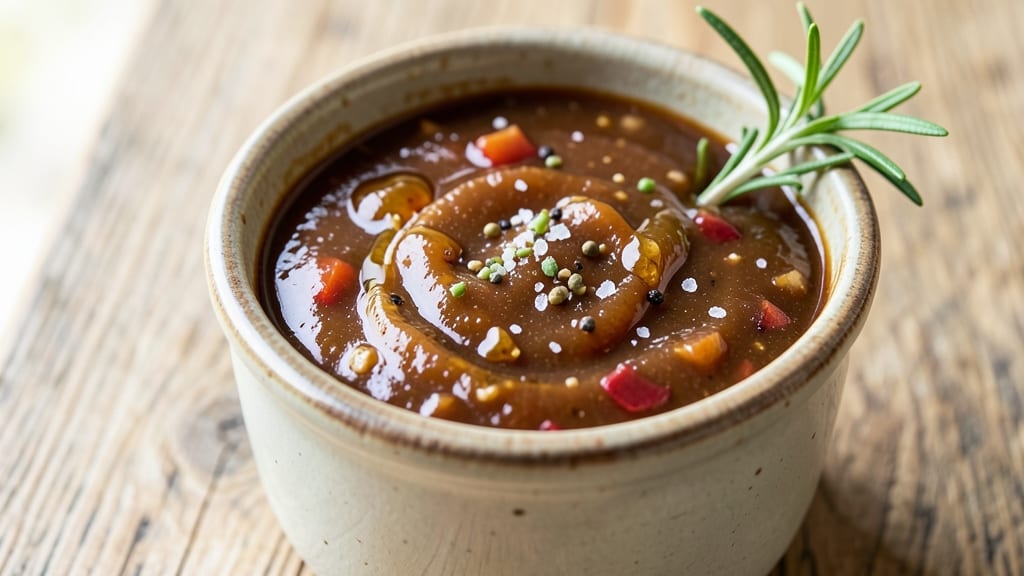
This Amish apple butter barbecue sauce recipe transforms simple pantry ingredients into a rich, slow-simmered condiment that bridges traditional apple butter with smoky BBQ depth. 🔥 The secret lies in balancing sweet apples with vinegar and spices, then reducing them into a thick, velvety sauce that clings to ribs or brisket like a second skin.
I developed this after years of perfecting slow-cooked meats—where the sauce isn't just an afterthought but the star of the show.
The process starts with slow simmering to caramelize natural sugars, creating that signature Amish apple butter sweetness while vinegar and spices add tangy complexity. Celery seeds and black pepper bring the signature "crunch" that sets this apart from store-bought versions, while a touch of molasses deepens the smoky notes.
This isn't just sauce—it's a flavor experience that builds as it reduces, layering sweet, tangy, and slightly spicy notes in every bite.
What makes this recipe special is its versatility—use it as a glaze for pulled pork, a dipping sauce for fried chicken, or even a sweet-and-sour topping for baked beans.
The thick, spreadable consistency means it won't pool at the bottom of your plate, and the natural sweetness means you won't need to add extra sugar. Once you taste the difference between this homemade version and commercial sauces, you'll never go back.
Best of all, this sauce keeps beautifully in the fridge for up to 3 months or can be canned for long-term storage—perfect for stocking your pantry with homemade goodness.
The slow cooking process means you can make a big batch and enjoy it all season long. Let's get started on creating this restaurant-quality sauce at home.
Ingredients for amish apple butter barbecue sauce
Pantry staples and a few specialty spices create this velvety, slow-simmered sauce.
| Ingredient | Amount | Notes |
|---|---|---|
| Applesauce (unsweetened) 🍎 | 2 cups | Homemade or quality store-bought |
| Apple Cider Vinegar 🍏 | ½ cup | Bragg or similar preferred |
| Molasses 🍯 | ¼ cup | Unsulphured for best flavor |
| Celery Seeds 🧅 | 1 tsp | Whole, for signature crunch |
| Ground Black Pepper 🌶️ | 1 ½ tsp | Freshly ground preferred |
| Mustard Seeds 🌶️ | 1 tsp | Whole, for subtle heat |
| Ground Cinnamon 🌿 | ½ tsp | For warm apple notes |
| Salt 🧂 | 1 ½ tsp | Kosher or sea salt |
| Brown Sugar 🍚 | ½ cup | Light or dark preferred |
| Water 💧 | ½ cup | For thinning if needed |
The applesauce is the heart of this sauce—homemade is ideal, but quality store-bought works too (just skip the added sugar). Grab Bragg apple cider vinegar if you can—its tang cuts through the sweetness beautifully. Celery seeds and whole mustard seeds are non-negotiable for that signature Amish crunch; Penzeys Spices carries them if your grocery store doesn't. The molasses should be unsulphured (the regular kind has a chemical aftertaste that ruins the depth). For brown sugar, Domino light is my go-to—it dissolves smoothly without graininess.
No applesauce? Unsweetened applesauce pouches from the baby food aisle work in a pinch (just drain the syrup). Short on celery seeds? Celery salt at half the amount adds a hint of that earthy flavor, though it won't give the same crunch. Mustard seeds? Ground mustard at one-third the amount brings heat but loses texture. The vinegar can be swapped for white vinegar or apple juice, though Bragg's depth is worth hunting down. And if your sauce gets too thick while reducing, water or apple juice thins it without altering flavor.
This sauce thickens as it cools, so stir in a splash of water if it's too stiff when done. Store in a glass jar with a tight seal—keeps in the fridge for 3 months or up to 6 months in the freezer. I double the batch every time; the extra freezes perfectly for holidays. For canning, follow USDA guidelines (pH test strips are your friend)—this sauce's acidity from vinegar makes it safe for long-term storage.
Why You'll Love This Recipe
- No-Fuss Pantry Magic: I swear by this sauce because it’s made with stuff I always have: applesauce, vinegar, and molasses. Honestly, the celery seeds give it this subtle depth that makes it taste homemade—not store-bought.
- Sweet-Savory Smash Hit: That molasses and vinegar combo? It’s like caramel meets tang, but the applesauce keeps it smooth. My family fights over the last spoonful—no joke.
- Weeknight BBQ Hero: Slather it on pulled pork, toss it with roasted veggies, or even drizzle it over grilled chicken. It’s my go-to for lazy nights (yes, even on a Tuesday night) because it works everywhere.
- Makes a Batch for Pennies: A single batch costs me less than $3 and lasts weeks in the fridge. Between us, I’ve frozen jars of it for months—perfect for when I’m too tired to shop.
Step-by-step instructions for Amish apple butter barbecue sauce
This sauce builds flavor through slow simmering—just follow the steps and let time work its magic.
🍳 Step 1: Combine Base Ingredients in a Heavy Pot
In a heavy-bottomed saucepan, combine the 2 cups unsweetened applesauce, 0.5 cup apple cider vinegar, and 0.5 cup brown sugar. Stir over medium-low heat until everything is fully incorporated and the mixture begins to bubble gently. I like to use a wooden spoon here—it helps scrape up any bits that stick to the bottom.
This is where the apple flavor really starts to develop. You'll notice the mixture thickens slightly as it heats, but don't rush it. Let it simmer for 5 minutes until it smells rich and fruity—like fresh apple butter with a tangy twist. The vinegar will mellow out as it cooks, adding depth without overpowering.
🍳 Step 2: Add Molasses and Spices for Depth
Next, stir in the 0.25 cup molasses and all the spices: 1.5 tsp salt, 1.5 tsp ground black pepper, 1 tsp mustard seeds, 0.5 tsp ground cinnamon, and 1 tsp celery seeds. Reduce the heat to low and let the mixture simmer gently for 15 minutes, stirring occasionally. This is where the magic happens—the spices infuse slowly, creating layers of flavor.
Here's the thing—don't walk away. Stir every few minutes to prevent sticking, especially since we're not using any fat to help with browning. You'll see the sauce darken slightly as the molasses caramelizes, which is exactly what we want. The celery seeds will add a subtle crunch, while the mustard seeds bring just a hint of heat to balance the sweetness.
🥘 Step 3: Simmer Until Thick and Glossy
After 15 minutes, check the consistency. The sauce should be thick enough to coat the back of a spoon but still pourable. If it's too thick, add the 0.5 cup water one tablespoon at a time until you reach the right consistency. This is your barbecue sauce—it should be rich but still flow smoothly over ribs or pulled pork.
Continue simmering for another 10-15 minutes, stirring occasionally. You're looking for a sauce that coats the spoon with a glossy sheen and has a thick, spreadable consistency. The longer it simmers, the deeper the flavors become. When it reaches this stage, it should smell like a perfect balance of sweet, tangy, and spicy—like a cross between apple butter and classic barbecue sauce.
⏰ Step 4: Cool and Rest for Best Texture
Once the sauce reaches your desired thickness, remove it from heat and let it cool for 10 minutes. This resting period is crucial—it allows the flavors to meld completely and the texture to set properly. I always let mine cool slightly before tasting, because the flavors continue developing even after you turn off the heat.
When you taste it, you should get a perfect balance of sweetness from the applesauce and brown sugar, tang from the vinegar, and a deep, almost smoky note from the molasses. The celery seeds add a subtle crunch that's distinct from traditional barbecue sauces, while the mustard seeds provide just enough kick. If it needs more salt or sweetness, adjust now—it's easier to fix before it thickens completely.
Pro Tips For Making Amish Apple Butter Barbecue Sauce
- Simmer Slow and Steady: This isn’t a race—low heat (around 200°F) prevents the molasses from burning and lets the flavors meld properly. I learned this the hard way after one batch turned bitter; now I keep it at a gentle bubble and walk away for 30 minutes at a time.
- Strain the Celery Seeds: Whole celery seeds add texture but can be overpowering. Toast them first in a dry pan for 30 seconds, then strain the sauce through a fine-mesh sieve to catch them—your sauce will taste smoother without losing the warm, earthy depth.
- Balance the Vinegar Gradually: Don’t dump all the apple cider vinegar in at once; it’ll make the sauce taste harsh. Add half first, taste, then adjust—you’re aiming for tangy, not sour. (Yes, even if you’re impatient like me.)
- Upgrade with a Dash of Spice: Skip the pre-made spice blends and toast your own black peppercorns with the celery seeds for 1 minute before grinding. It adds a subtle heat that store-bought pepper can’t match—trust me, it’s worth the extra 30 seconds.
Pro cooking tips for this dish
Slow Simmer Secrets
This sauce isn't about rushing—it's about letting flavors develop over time. I always use a heavy-bottomed saucepan (like my Le Creuset Dutch oven) to prevent scorching while maintaining even heat.
Start with medium-low heat and never let it boil vigorously, or you'll lose that delicate balance of sweet and tang. The key is patience: 30-45 minutes of simmering transforms simple ingredients into something extraordinary. 🔥
Pro tip: If your sauce starts sticking, add 1 tablespoon of water and stir gently—this keeps it from burning while maintaining thickness. I've ruined batches by walking away, so set a timer and stir every 5 minutes to ensure even cooking.
The molasses will caramelize beautifully, deepening the flavor profile without needing extra sugar.
Spice Infusion Mastery
The whole spices—celery seeds, mustard seeds, and cinnamon—need time to release their flavors. Don't crush them (that's for dry rubs!), because their subtle crunch is what makes this sauce special.
I like to toast the spices in the dry pan for 30 seconds before adding them to the sauce—this wakes up their aromas and adds depth. 🌶️
For extra complexity, I sometimes add a pinch of smoked paprika (about ¼ teaspoon) when the spices go in. It mimics the smokiness of traditional barbecue without overpowering the apple notes. Just be careful—smoked paprika can darken the sauce too much if overused.
Consistency Control
Getting the right thickness is an art. The sauce should coat the back of a spoon but still be pourable—like honey or thick maple syrup. If it's too thick after simmering, add water one tablespoon at a time while stirring constantly.
Too thin? Simmer uncovered for another 5-10 minutes to reduce it. I've learned the hard way that rushing this step leads to a sauce that's either too runny or too stiff. 💧
For testing consistency, I use the "spoon test": Dip a clean spoon into the sauce, lift it, and let it drip. If it forms a glossy, slow-moving ribbon, you're golden. If it drips too fast, simmer longer. If it barely drips, add water and stir well before continuing.
Flavor Balancing Tricks
Taste as you go! After the initial simmer, adjust the balance of sweet, tang, and spice. Need more tang? Add ½ teaspoon of vinegar. Too sweet? A pinch of salt or a splash of vinegar cuts through.
The molasses adds depth, but if it's too strong, a tiny bit of brown sugar (just ¼ teaspoon) can soften it. 🍯
Here's my go-to adjustment formula: 1 part vinegar to 2 parts sweetness. If your sauce tastes flat, it might need more salt (I usually add it in ¼ teaspoon increments).
The mustard seeds should add a hint of heat, but if it's too spicy, a dash of cinnamon mellows it out beautifully.
Nutrition facts
Frequently asked questions
Can I substitute applesauce with fresh apples?
Yes, but you'll need to cook the apples first. Peel and core 4-5 medium apples, chop them, and simmer in ½ cup water with 1 tsp cinnamon for 15 minutes until soft. Mash them well and measure out 2 cups before using in the recipe. This adds fresh apple flavor but requires extra prep time.
Why does my sauce turn too dark or bitter?
Overcooking or high heat causes molasses to burn, creating bitterness. Keep heat at low and stir frequently. If it darkens too much, balance with ½ tsp extra cinnamon or 1 tsp brown sugar to mellow the flavor. The sauce should be rich brown, not black.
How can I make this sauce spicier?
Add ½ tsp cayenne pepper or 1 tsp hot sauce at the end of cooking. For smoky heat, toast ½ tsp smoked paprika in a dry pan for 30 seconds before adding to the sauce. Always taste first—you can adjust, but you can't remove spice!
Can I use this sauce on non-meat dishes?
It's perfect for glazing roasted vegetables, drizzling over baked beans, or even as a dip for fresh fruit. The sweet-tangy balance works surprisingly well with grilled halloumi cheese or as a marinade for tofu. Just reduce the salt if using on non-salty foods.
What's the shelf life of homemade barbecue sauce?
Store in a clean, airtight glass jar in the fridge for up to 3 months. For longer storage, freeze for up to 6 months or can it using proper USDA methods (pH test strips recommended). The vinegar content makes it naturally preservative-friendly.