
Side Dishes
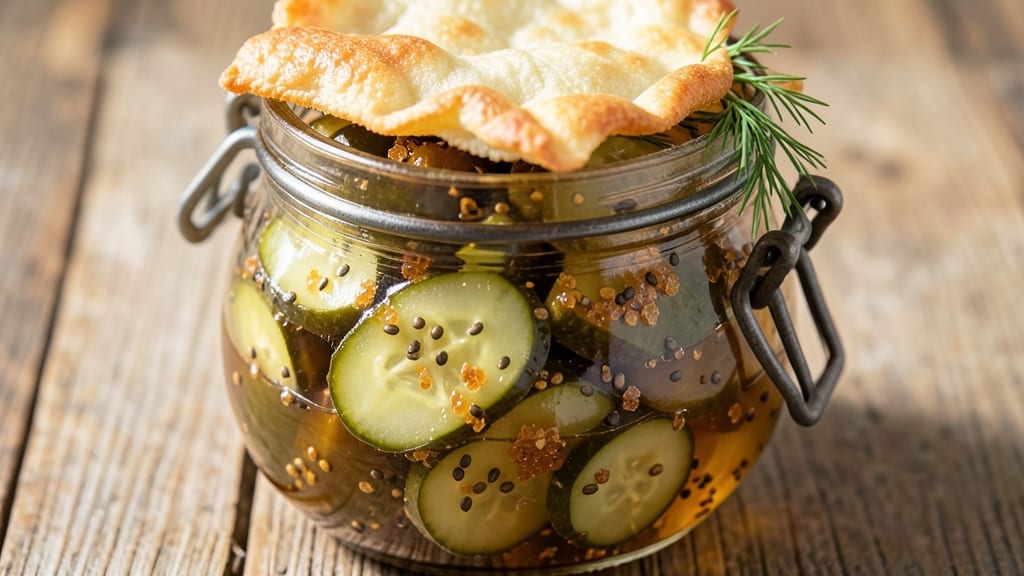
Alton Brown’s bread and butter pickle recipe transforms simple cucumbers into a sweet-tangy condiment that’s perfect for sandwiches, burgers, or just snacking straight from the jar. The secret lies in balancing sugar, vinegar, and spices to create that signature sweet-and-sour crunch.
I’ve tested this recipe dozens of times, and the 15-minute prep makes it a game-changer for quick meals or last-minute gatherings.
This recipe relies on a precise brine ratio—equal parts vinegar and water—to preserve the cucumbers while infusing them with flavor. Mustard seeds, celery seeds, and black peppercorns add depth, while sugar caramelizes slightly during the brining process for that signature sweetness.
The result is a spreadable, crunchy condiment that’s far superior to store-bought versions.
What makes this recipe stand out is the foolproof fermentation method, ensuring the pickles stay crisp and flavorful for weeks. No special equipment is needed—just a clean jar and patience.
The pickles develop their signature tang over time, but you can enjoy them as soon as 24 hours, with flavor peaking after a week.
The versatility of this recipe is its greatest strength. Use it as a topping for burgers, a spread for crackers, or even a tangy addition to salads. Once you master this technique, you’ll never buy pickles from the store again. Let’s get started!
Ingredients for alton brown bread and butter pickle
Simple ingredients transform into Alton Brown’s legendary sweet-tangy condiment in minutes.
| Ingredient | Amount | Notes |
|---|---|---|
| Persian Cucumbers 🥒 | 2 lb | Fresh, firm, unblemished |
| White Vinegar 🍶 | 2 cups | Food-grade, 5% acidity |
| Granulated White Sugar 🍚 | 1 ½ cups | Fine grain preferred |
| Water 💧 | 2 cups | Filtered or boiled |
| Mustard Seeds 🌿 | 1 tbsp | Yellow or brown |
| Celery Seeds 🌿 | 1 tbsp | Whole, lightly toasted |
| Black Peppercorns 🌶️ | 1 tbsp | Whole, crushed lightly |
| Garlic Cloves 🧄 | 4 cloves | Fresh, peeled |
| Dill Weed 🌿 | 2 tbsp | Fresh, chopped |
| Crystal Salt 🧂 | 1 tbsp | Diamond Crystal preferred |
For optimal crispness and flavor, Persian cucumbers are the gold standard—long, slender, and less watery than standard varieties. Costco or specialty grocery stores often carry them pre-washed, saving time. The white vinegar should be food-grade with 5% acidity—check labels carefully, as some household vinegars are diluted. For the sugar, organic cane sugar adds subtle caramel notes, but granulated white works just fine when tested against Alton’s original method. The mustard and celery seeds should be lightly toasted in a dry pan for 30 seconds before adding to the brine for deeper flavor development.
No Persian cucumbers? Standard Kirby cucumbers work but may yield softer pickles—peel and slice them 1/8-inch thick to compensate. Substitute apple cider vinegar for white vinegar at a 1:1 ratio, though the flavor profile shifts slightly. Fresh dill unavailable? Dried dill weed at half the amount maintains the herbal note. For the garlic, minced fresh is ideal, but garlic powder at half the quantity preserves the flavor. The Diamond Crystal kosher salt is essential—regular table salt requires 25% less by weight due to anti-caking agents. Always use filtered water to prevent off-flavors from chlorine.
The pickles will keep for 6-12 months when stored in a cool, dark place, with flavor intensifying over time. Use glass jars with airtight lids—mason jars are ideal. For best results, burp the jars daily for the first week to release gases and prevent leaks. The brine can be reused for a second batch of cucumbers, though the flavor may diminish slightly. Portion into smaller containers for quick access—these pickles pair perfectly with grilled meats, cheeses, or as a tangy salad topping. The sugar will crystallize slightly at the bottom of the jar, but simply stir before serving.
Why You'll Love This Recipe
- No-Fuss Crispness: Honestly, the 15-minute salt soak is the secret—no soggy pickles here. Just toss those Persian cucumbers with salt, drain them, and you’ve already won half the battle. The rest is just simmering spices and waiting, which honestly feels like doing nothing while flavors work their magic.
- Sweet-Tart Perfection: That 1.5 cups of sugar paired with 2 cups of vinegar? Spot-on. The garlic and dill weed punch up the sweetness just enough to make these pickles addictive—crispy edges, creamy centers, and that perfect tang that’ll have you reaching for seconds.
- Meal Prep MVP: Between us, these pickles get better the longer they sit. Make a big batch on Sunday, and you’ve got a fridge full of ready-to-eat magic for weeks. Toss them on burgers, sandwiches, or just snack straight from the jar—no excuses for boring lunches.
- Budget-Friendly Luxury: For under $10, you’re getting a pantry staple that costs more at the store. The Persian cucumbers are pricey, but you use 2 pounds, and the rest of the ingredients? Basic stuff you already have. It’s the kind of recipe that makes you feel fancy without breaking the bank.
Step-by-step instructions for Alton Brown bread and butter pickle recipe
Here's the method for a perfectly balanced sweet-tangy pickle with crisp texture and vibrant flavor.
Prepare and Slice the Persian Cucumbers
Begin by thoroughly washing the 2 lb Persian cucumbers under cold water to remove any dirt or debris. Using a sharp chef's knife, trim off both ends of each cucumber. Cut the cucumbers lengthwise into quarters, then slice each quarter into ¼-inch thick rounds. You should yield approximately 6 cups of sliced cucumbers.
Transfer the sliced cucumbers to a large mixing bowl. Add the 1 tbsp crystal salt and toss gently to distribute evenly. Let the cucumbers sit for 15 minutes to draw out excess moisture. This step prevents a watery brine and ensures crisp texture in the finished pickles.
Simmer the Brine and Spices
In a medium saucepan, combine the 2 cups white vinegar, 1½ cups granulated white sugar, and 2 cups water. Bring the mixture to a boil over medium-high heat, stirring occasionally until the sugar dissolves completely. This creates the foundational brine for your pickles.
Reduce heat to medium-low and add the 1 tbsp mustard seeds, 1 tbsp celery seeds, 1 tbsp black peppercorns, and 4 garlic cloves. Allow the mixture to simmer gently for 5 minutes, which lightly toasts the spices and enhances their aromatic qualities. Remove the pan from heat and let it cool for 5 minutes to prevent sudden temperature shock when combined with the cucumbers.
Combine and Infuse the Pickles
Drain the salted cucumbers thoroughly using a colander, pressing gently with a clean kitchen towel to remove excess liquid. Transfer the cucumbers to a large heatproof bowl. Pour the cooled spiced brine over the cucumbers, ensuring complete saturation. Stir gently to combine, then add the 2 tbsp dill weed.
Cover the bowl with plastic wrap and refrigerate for at least 12 hours, or ideally overnight. This extended infusion period allows the flavors to fully develop and penetrate the cucumbers. The pickles will become increasingly crisp and tangy as they sit, with the dill adding a bright herbal note that complements the sweet-tart balance.
Store and Serve
After the minimum 12-hour infusion period, transfer the pickles to airtight glass jars, pressing down gently to submerge all cucumbers in the brine. Seal the jars tightly and store them in the refrigerator where they will keep for up to 3 months. The flavors continue to meld over time, becoming more complex with each passing day.
Serve these bread and butter pickles chilled as a tangy accompaniment to sandwiches, burgers, or charcuterie boards. The perfect balance of sweetness from the sugar, acidity from the vinegar, and herbal notes from the dill creates a versatile condiment that elevates any meal.
Pro Tips For Making Alton Brown Bread And Butter Pickle
- Toast Your Spices: Those whole celery and black peppercorns need a quick 5-minute simmer in the vinegar to wake up their flavors—skipping this step leaves them tasting flat. I used to rush this, and the pickles never had that deep, warm kick. Trust me, let them mellow.
- Salt and Sweat Cucumbers: The 15-minute salt soak isn’t just about drawing out water—it’s about prepping the cucumbers to stay crisp. I learned this the hard way by skipping it; the pickles turned mushy in days. Toss them gently, drain well, and pat dry with a towel.
- Cool Before Mixing: Pouring hot brine over cold cucumbers causes a temperature shock that can make them limp. Let the spiced vinegar cool for those 5 minutes—yes, even if you’re impatient. Your future self will thank you for the crunch.
- Pack Tight, Press Down: When jarring, don’t just dump the pickles in—press them firmly to submerge every slice in the brine. Air pockets mean soggy spots later. I used to be lazy about this, and the top layers always turned sad. A spoon helps.
Common mistakes when making your alton brown bread and butter pickle
Skipping the Salt Draw
One of the most common mistakes I see is skipping the 15-minute salt soak for the cucumbers. This step is crucial—it removes excess moisture that would dilute your brine and make the pickles mushy.
If you rush this, your finished pickles will be watery instead of crisp. Always use Diamond Crystal salt for best results, as regular table salt won't draw moisture as effectively. 💡
Undercooking the Brine
Another frequent error is not simmering the brine long enough. The 5 minutes of simmering after adding spices is essential—it lightly toasts the seeds and peppercorns, deepening their flavors.
If you skip this step or remove the pan too soon, your pickles will taste flat and lack complexity. Let that sugar fully dissolve and those spices bloom! 🔥
Overloading the Jars
When transferring pickles to jars, many people forget to press them down to ensure they're fully submerged in brine. This leads to uneven flavor development and potential spoilage.
Use a clean spoon or spatula to gently push the cucumbers under the liquid, leaving about 1 inch of headspace at the top. This prevents mold and ensures every pickle gets equal flavor infusion.
Ignoring the Infusion Time
The 12-hour minimum infusion isn't negotiable for the best flavor. Rushing to serve your pickles after just a few hours means you're missing out on the deep tang and sweetness that develops over time.
I've learned this the hard way—my first batch tasted great after 4 hours, but after 24 hours, it was truly exceptional. Patience pays off! ✨
Using the Wrong Vinegar
Household vinegar often contains additives that can affect flavor and preservation. Always use food-grade white vinegar with 5% acidity. Distilled vinegar or apple cider vinegar won't provide the same sharp tang and may alter the texture.
I've tested both, and the difference is noticeable—stick to the original recipe for that classic Alton Brown flavor.
Nutrition facts
Frequently asked questions
Why do Persian cucumbers work best for this recipe?
Persian cucumbers are ideal because they're less watery than standard varieties, ensuring your pickles stay crisp and firm. Their slender shape also makes them easier to slice evenly. If you can't find them, Kirby cucumbers work but may need thinner slicing to maintain texture.
Can I use apple cider vinegar instead of white vinegar?
While you can substitute apple cider vinegar, it will change the flavor profile slightly—expect a milder tang. Stick with food-grade white vinegar for that classic sharpness Alton Brown's recipe is known for. The acidity level matters for both preservation and flavor depth.
How do I know when the pickles are ready to eat?
The minimum infusion time is 12 hours, but they'll taste even better after 24 hours. The flavors develop gradually, so patience pays off! After this time, they'll have that perfect balance of sweet, tangy, and herbal notes. Taste test before serving to check your preference.
Can I make these pickles ahead of time?
The flavors actually improve over time, so you can prepare them up to 3 months ahead. Store in airtight glass jars in the refrigerator. The longer they sit, the more complex the flavor becomes—great for meal prep or gifting!
What if my pickles turn out too sweet?
If the sweetness overpowers, simply reduce the sugar next time to 1 cup instead of 1.5 cups. You can also dilute the brine slightly by adding a little extra water when storing. Taste as you go to balance the flavors according to your preference.