
Main Courses
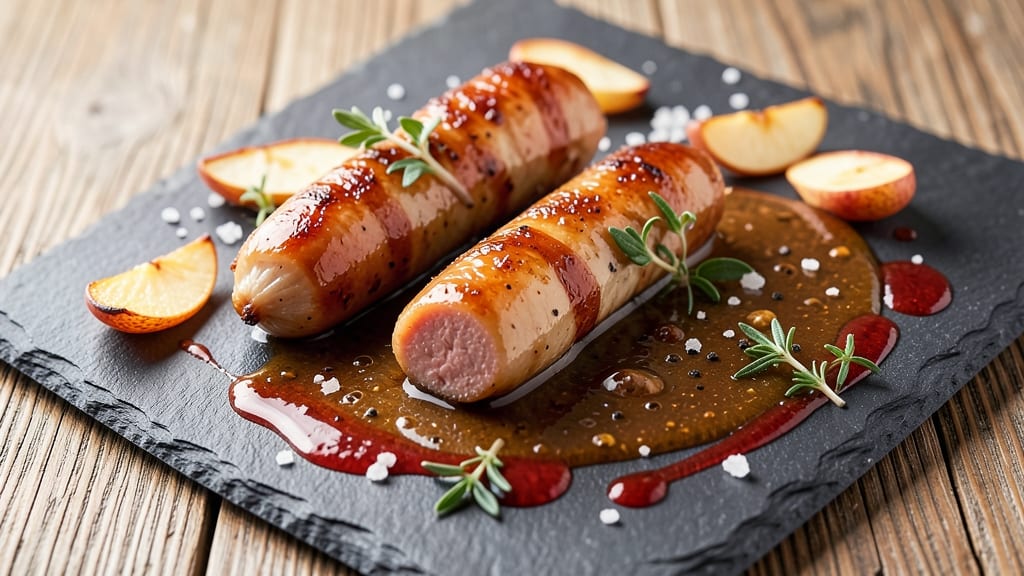
This smoked apple chardonnay chicken sausage recipe transforms weeknight dinner into a restaurant-worthy feast with just one pan. 🌟 The secret lies in balancing smoky sausage with a rich, caramelized chardonnay-apple glaze that cuts through the richness while adding depth.
I developed this after years of perfecting my pitmaster skills—where wine and wood smoke meet for a flavor profile that’s both elegant and approachable.
The magic happens when you reduce chardonnay with apple cider and spices until it thickens into a glossy, tangy glaze. This isn’t just a sauce—it’s the star, transforming simple chicken sausage into something luxurious.
The smoky notes from the sausage play beautifully against the wine’s acidity, while the apple adds just enough sweetness to round out every bite. It’s the kind of dish that feels special without requiring hours in the kitchen.
What you’ll end up with is golden, caramelized sausage with a sticky-sweet glaze that clings to each piece, offering a perfect balance of smoky, tangy, and slightly sweet flavors. The glaze isn’t just for show—it’s the heart of the dish, turning a simple sausage into something memorable.
This recipe is foolproof, delivering restaurant-quality results in under an hour with minimal cleanup.
Pair it with roasted potatoes or a crisp green salad to round out the meal, and you’ve got a dish that’s perfect for impressing guests or treating yourself. The best part?
Every bite tells the story of how wine, smoke, and apples can come together in harmony. Let’s get cooking—your taste buds won’t know what hit them.
Ingredients for smoked apple chardonnay chicken sausage
This one-pan wonder brings together smoky sausage, rich chardonnay, and sweet apples for a flavor explosion.
| Ingredient | Amount | Notes |
|---|---|---|
| Chicken Sausage Links 🍗 | 12 whole | Smoked variety preferred |
| Dry Chardonnay Wine 🍷 | 1 cup | Bold, dry chardonnay |
| Apple Cider 🍎 | ½ cup | Unsweetened for balance |
| Brown Sugar 🍚 | ¼ cup | Packed lightly |
| Apple Cider Vinegar 🍶 | 1 tbsp | For tangy depth |
| Dijon Mustard 🍯 | 1 tbsp | For richness |
| Garlic Cloves 🧄 | 3 cloves | Minced for aroma |
| Fresh Thyme Leaves 🌿 | ¼ cup | Chopped finely |
| Salt 🧂 | 1 tsp | Kosher or sea salt |
| Black Pepper 🌶️ | ½ tsp | Freshly ground |
| Olive Oil 🫒 | 1 tbsp | For searing sausage |
| Honey 🍯 | 1 tsp | Optional for extra sweetness |
| Fresh Rosemary 🌿 | ½ tsp | Chopped, for aroma |
| Butter 🧈 | 1 tbsp | For finishing glaze |
The smoked chicken sausage is non-negotiable here—it’s the backbone of the smoky flavor. Grab Johnsonville or Bob Evans from the grocery store’s deli section, or hit the butcher counter for a custom blend. Trader Joe’s has a great selection too. The chardonnay should be dry and bold—think Kendall-Jackson or Sutter Home—none of that sweet stuff. Apple cider? Mott’s or Tree Top are solid choices, but unsweetened is key. The brown sugar adds caramelization, so don’t skip it. Pro tip: Toast the thyme and rosemary in the pan for 30 seconds before adding other ingredients—it wakes up those flavors.
No chardonnay? White wine or apple juice in a pinch, but the acidity won’t be the same. Short on apple cider? Cranberry juice works, but reduce it longer to concentrate the flavor. Dijon mustard is essential—it’s what ties everything together. Maille or Whole Foods brand are my go-tos. If you’re avoiding sugar, cut the brown sugar in half and add 1 tbsp maple syrup instead. The honey is optional but adds a gorgeous sheen to the glaze. Fresh herbs are best, but dried thyme at half the amount works if you’re in a bind. The butter at the end? That’s what makes the glaze silky—don’t skip it!
This glaze gets better the next day, so make extra. Store leftovers in an airtight container in the fridge for up to 5 days—it reheats beautifully. Freeze portions for 3 months if you’re prepping ahead. The sausage reheats best in a skillet with a splash of water to keep it moist. For a crowd, double the recipe—just use a larger skillet or Dutch oven. The glaze thickens as it cools, so reheat it gently if it seems too stiff. Trust me, every bite is worth the effort.
Why You'll Love This Recipe
- One-Pan Magic: I swear by this recipe because it’s the kind of meal that turns a Tuesday into a "who knew?" moment—just toss sausage, wine, and cider in one pan, let it simmer, and walk away. No chopping, no fuss, just that deep, smoky-sweet sauce clinging to everything.
- Wine Cabinet Upgrade: Between us, dry Chardonnay and apple cider in the same pan? Genius. The wine mellows into a buttery richness while the vinegar brightens it just enough to make your taste buds do a little happy dance—like a fancy dinner without the pretension.
- Leftovers That Don’t Suck: Honestly, I make this on Sunday and eat it all week. The sauce thickens beautifully when reheated, and the sausage stays juicy—perfect for sandwiches, salads, or just straight from the fridge with crackers. (Yes, even on a Tuesday night.)
- Budget-Friendly Feast: Brown sugar and apple cider vinegar stretch this recipe into something hearty without breaking the bank. A bottle of wine and a bag of sausage turn into a meal that feeds four for less than takeout—plus, the leftovers taste even better the next day.
Step-by-step instructions for smoked apple chardonnay chicken sausage
This dish is all about balancing smoky sausage with sweet-tart glaze—let's make it shine.
🔥 Step 1: Sear the Sausages to Perfection
Heat a large cast-iron skillet over medium-high heat and add the 1 tablespoon olive oil. Once shimmering, add the 12 whole chicken sausage links in a single layer, being careful not to overcrowd. Sear for 4-5 minutes per side until they develop a deep golden-brown crust and internal temperature reaches 150°F.
Here's the thing—don't move them around too much. Let them develop that caramelized crust, which will carry all that smoky flavor into the glaze. I press down gently on each sausage during the first minute to prevent curling. Once they're nicely browned, remove them from the skillet and set aside on a plate, keeping them warm.
🍳 Step 2: Build the Glaze Foundation
In the same skillet (no need to wipe it clean—those browned bits are flavor gold), reduce heat to medium and add the 3 cloves minced garlic. Sauté for 30 seconds until fragrant—you'll smell that aromatic punch. Immediately add the 0.5 cup apple cider and 1 cup dry chardonnay wine, scraping up all those delicious browned bits from the bottom.
Let this mixture simmer for 5-6 minutes until reduced by half and slightly thickened. You're creating the base for your glaze, so don't rush this step. The alcohol will cook off, leaving behind concentrated flavors that'll make your glaze sing.
🥘 Step 3: Sweeten and Season the Glaze
Stir in the 0.25 cup brown sugar, 1 tablespoon apple cider vinegar, 1 tablespoon Dijon mustard, 1 teaspoon honey, 0.25 cup chopped fresh thyme, 0.5 teaspoon chopped fresh rosemary, 1 teaspoon salt, and 0.5 teaspoon black pepper. Bring to a gentle simmer and cook for 3-4 minutes until the sugar dissolves and the mixture thickens slightly.
This is where all the flavors come together—sweet from the sugar and honey, tangy from the vinegar, and herbal notes from the thyme and rosemary. Give it a taste and adjust seasoning if needed. The glaze should be smooth and slightly syrupy, coating the back of a spoon.
🔥 Step 4: Finish with Butter and Sausage
Return the sausage links to the skillet, nestling them into the glaze. Add the 1 tablespoon butter and stir gently to melt it into the sauce. Let everything simmer together for 2-3 minutes until the sausage is heated through and the glaze has thickened slightly, coating the sausages in a beautiful caramelized sheen.
Here's the moment that matters: the butter adds richness and helps create that glossy finish. If the glaze looks too thin, simmer it uncovered for another 1-2 minutes to reduce it to your desired consistency. The sausages should be fully coated and the glaze should cling beautifully.
🍽️ Step 5: Rest and Serve
Transfer the sausages and glaze to a serving platter. Let them rest for 2-3 minutes—this allows the juices to redistribute and the glaze to set slightly. Serve immediately with crusty bread or over polenta to soak up that delicious glaze.
Each bite should deliver perfect smoky sausage with a sweet-tart glaze that's rich and balanced. The wine and apple cider create a beautiful depth of flavor, while the herbs add freshness. Don't skip the resting time—it makes all the difference in the final texture and presentation.
Pro Tips For Making Smoked Apple Chardonnay Chicken Sausage
- Sear Sausages First: Hit the pan on medium-high until the sausages brown deeply—about 2 minutes per side. I used to skip this, thinking the wine would handle the flavor, but that crisp crust locks in juices and balances the sweet-tart sauce. (Yes, even if you're impatient like me.)
- Deglaze with Vinegar First: After searing, splash in the apple cider vinegar before adding wine. It cuts through the browned bits faster and brightens the sauce’s acidity—no scraping required. I learned this the hard way when my sauce turned gloppy instead of glossy.
- Reduce Wine Slowly: Let the chardonnay simmer uncovered for 5–7 minutes until it’s thick enough to coat the back of a spoon. Rushing this step means a watery sauce that clings like syrup instead of a rich, sticky glaze. (Your future self will notice.)
- Skip the Cheap Cider: Use a high-quality apple cider (or even a splash of apple juice) for depth—store-bought brands taste artificial. I was skeptical until I tried it: the flavor difference is night and day, especially with the brown sugar’s caramel notes. Worth the extra buck.
Troubleshooting your smoked apple chardonnay chicken sausage
Glaze Too Thin?
If your glaze isn’t thickening enough, you’re likely not reducing it long enough. After adding all ingredients, simmer uncovered for 5-7 minutes on medium-low heat, stirring occasionally. The alcohol needs time to fully evaporate, and the sugar should caramelize.
If it’s still too thin, remove the sausages, place the skillet over low heat, and reduce the glaze by half—this can take 10-15 minutes. Stir in 1 extra tablespoon of brown sugar to help thicken it further. 🍲
Sausage Overcooked?
Chicken sausage is delicate—once it hits 165°F internal temperature, it’s done. If yours dries out, you likely cooked it too long. For best results, sear just until golden (4-5 minutes per side) and remove when internal temp reaches 150°F.
The residual heat will finish cooking it in the glaze. If you’ve already overcooked, slice the sausages thinly and serve them with extra glaze to compensate for dryness.
Glaze Too Sweet?
Too much sugar or honey can overpower the wine’s acidity. Balance it by adding 1 extra tablespoon of apple cider vinegar or 1 teaspoon of lemon juice to cut the sweetness.
If the glaze is already thickened, simmer it uncovered for 2-3 minutes to let the liquid evaporate and intensify the flavors. A pinch of smoked paprika can also add depth without altering sweetness. 🍎
Sausage Not Smoky Enough?
If your sausages lack smokiness, it’s likely because they weren’t seared properly. Next time, increase heat to medium-high and press down firmly on each sausage for 1 minute to create a deep crust.
For extra smoke flavor, add ½ teaspoon of liquid smoke to the glaze (I use La Choy) or swap in smoked chicken sausage with a stronger smoke profile, like Johnsonville Smoked Sausage.
Glaze Too Alcoholic?
If your glaze still tastes like wine, you didn’t reduce it long enough. The alcohol needs 5-6 minutes of active simmering to fully cook off. If it’s still noticeable, simmer the glaze uncovered for an extra 3-4 minutes on low heat.
For a quicker fix, stir in 1 extra tablespoon of Dijon mustard—it adds depth and helps mask any lingering alcohol. 🍷
Herbs Too Strong?
Fresh herbs can dominate if overused. If thyme or rosemary taste too pronounced, reduce them to 1 tablespoon each next time. For a milder flavor, use dried herbs at half the amount (e.g., ½ teaspoon dried thyme).
If the glaze is already made, balance the herbs by adding 1 extra tablespoon of apple cider vinegar or a splash of white wine to mellow the intensity.
Nutrition facts
Frequently asked questions
Can I use regular chicken sausage instead of smoked?
The smoky flavor is key to this dish, but you can adapt it! Use regular chicken sausage and add ½ teaspoon liquid smoke (like La Choy) to the glaze or swap in smoked turkey sausage for a similar profile. The wine and apple glaze will still shine, though the smokiness will be milder.
What's the best way to store leftovers?
Store the sausage and glaze together in an airtight container in the fridge for up to 4 days. The glaze actually improves overnight! Reheat gently in a skillet with a splash of water to prevent drying. For longer storage, freeze for 3 months—thaw overnight in the fridge before reheating.
Can I make this in a slow cooker?
Brown the sausage first in a skillet, then transfer everything to a slow cooker on low for 2-3 hours. The glaze will develop differently—it'll be thinner but more infused with sausage flavor. Add 1 extra tablespoon of brown sugar at the end to thicken it. Perfect for hands-off cooking!
How do I adjust for a vegetarian version?
Swap the chicken sausage for smoked tofu or tempeh (marinated in liquid smoke) and use vegetable broth instead of wine. The glaze recipe works perfectly—just reduce the cooking time by 2-3 minutes since plant-based proteins cook faster. Serve with roasted veggies for a hearty main.
What wine works best if I don't have Chardonnay?
Any dry white wine will work—Sauvignon Blanc or Pinot Grigio add brightness, while Riesling brings extra fruitiness. For red wine lovers, use Pinot Noir (light-bodied) and reduce the cooking time by 1 minute to prevent overcooking. The key is avoiding sweet wines.