
Main Courses
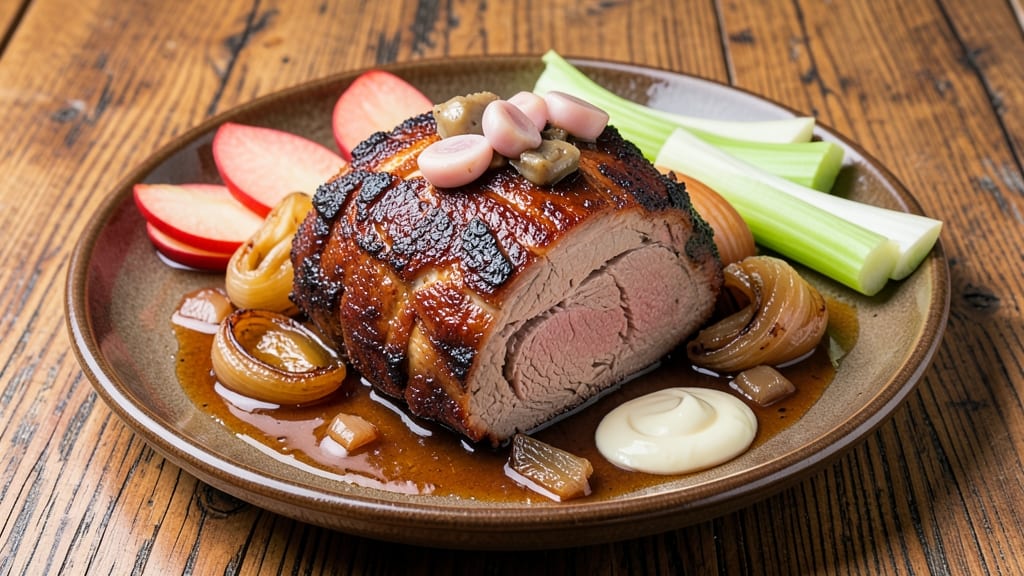
This apple cider braised pork roast transforms a simple cut of pork into a restaurant-worthy centerpiece with minimal effort. The secret lies in slow-cooking the pork until it's fork-tender while developing deep, caramelized flavors from the apple cider and aromatic vegetables.
I first discovered this technique while trying to use up a tougher cut of pork—what seemed like a mistake became my new go-to fall dish.
The beauty of this recipe is its foolproof nature—no fancy equipment required, just a Dutch oven and patience. The pork roast develops a rich, velvety sauce infused with the natural sweetness of apple cider, while celery adds a satisfying crunch that cuts through the richness.
This method works particularly well for weeknight dinners when you want something impressive without spending hours in the kitchen.
By the time you're done, you'll have perfectly tender pork that falls apart at the touch of a fork, all swimming in a glossy, aromatic sauce. The combination of sweet, tangy, and savory flavors creates a dish that's equally at home on a holiday table or a cozy weeknight supper.
Serve it with mashed potatoes or crusty bread to soak up every last drop of that delicious braising liquid.
This recipe delivers restaurant-quality results with simple ingredients and techniques that any home cook can master. The slow cooking process ensures maximum tenderness, while the apple cider adds a touch of autumnal warmth that makes this dish feel like a comforting hug on a chilly day.
Ingredients for recipe for apple cider braised pork roast
Simple ingredients that transform tough pork into melt-in-your-mouth perfection with autumn's coziest flavors.
| Ingredient | Amount | Notes |
|---|---|---|
| Pork Roast 🥩 | 3 lb | Bone-in, 2-3 inches thick |
| Unsalted Butter 🧈 | ½ cup | Cold, cubed for browning |
| Apple Cider 🍎 | 2 cups | Unfiltered, preferably spiced |
| Celery Stalks 🧅 | 4 whole | Cut into 2-inch pieces |
| Yellow Onion 🧅 | 1 whole | Quartered, skin on |
| Garlic Cloves 🧄 | 4 cloves | Smashed, skin on |
| Fresh Thyme 🌿 | 2 sprigs | Stems intact for easy removal |
| Fresh Rosemary 🌿 | 1 sprig | Woody stems removed |
| Kosher Salt 🧂 | 1 ½ tbsp | Diamond Crystal preferred |
| Black Peppercorns 🌶️ | 1 tsp | Coarsely cracked |
| Bay Leaves 🍃 | 2 whole | Dried, standard size |
| All-Purpose Flour 🌾 | 2 tbsp | For dredging pork |
| Olive Oil 🫒 | 2 tbsp | Extra-virgin for browning |
The pork cut matters here—bone-in chuck or shoulder gives the best texture and flavor. I grab mine from Whole Foods or my local butcher shop, where they can cut it to exactly 2-3 inches thick for even cooking. Look for good marbling (those little white flecks of fat) and ask for it to be trimmed of excess fat but left with some natural coverage. The apple cider? Unfiltered, spiced varieties from Mott's or Woodchuck add depth—skip the sweetened versions. Fresh herbs are non-negotiable for this dish—they infuse the braising liquid with bright, aromatic notes that store-bought bouquets can't match.
No apple cider? Unsweetened apple juice plus 1 tsp apple cider vinegar works in a pinch, but you'll lose some complexity. Short on celery? Substitute with 1 carrot and 1 leek, but the crunch factor will suffer. The butter is crucial for browning—don't skip it—but if you're watching fat, use olive oil instead. For the herbs, dried will work at half the amount, but fresh is worth the extra minute to strip the leaves. The flour is just for dredging—no need for fancy Italian varieties here.
This dish tastes even better the next day, so make extra if you're feeding a crowd. Store leftovers in the fridge for 4-5 days or freeze for 3 months—the flavors only deepen over time. I like to portion it into containers with some of the braising liquid for easy reheating. For serving, a quick skillet sear on the pork pieces (after reheating) adds a beautiful crust. The celery can be prepped ahead and stored in the fridge for 3 days—just don't chop it until you're ready to cook.
Why You'll Love This Recipe
- Minimal Chopping Required: The only prep is dicing one onion and a few celery stalks—no fancy knife skills needed. I swear by this when I’m too tired for a full mirepoix, and the dish still tastes like a Sunday dinner.
- Cider Magic: That first sip of apple cider reduction? It’s like autumn in a skillet. The butter and cider caramelize into a glossy sauce that turns tough pork into melt-in-your-mouth perfection—no fancy marinades, just pure flavor.
- Leftovers I Actually Crave: This roast gets better the next day, and I mean dangerously better. Shred it for sandwiches, slice it for breakfast hash, or reheat straight from the fridge—every time, it’s the star of the meal.
- Budget-Friendly Crowd-Pleaser: A single pork roast feeds six for under $20, and the cider and veggies stretch the meal further. Honestly, it’s the kind of dish that makes me feel like I’m hosting a dinner party without breaking the bank.
Step-by-step instructions for apple cider braised pork roast
Let's create a tender, flavor-packed roast that falls apart at the touch.
Sear the Pork Roast for Maximum Flavor
Pat the 3 lb pork roast completely dry with paper towels—this is crucial for that golden crust. Heat 2 tablespoons olive oil in a large Dutch oven over medium-high heat until shimmering. Place the pork roast in the pan and sear on all sides for 4-5 minutes per side until deeply browned. I press down gently on the roast during the first minute to prevent curling and ensure even contact with the pan.
While the pork sears, prepare the dredge by mixing 2 tablespoons all-purpose flour with 1.5 tablespoons kosher salt and 1 teaspoon black peppercorns in a small bowl. Once the pork is browned, remove it from the pan and place it on a plate. Pour the excess fat from the Dutch oven into a measuring cup—you'll need about 2 tablespoons for later.
Build the Aromatic Base
In the same Dutch oven, add 2 tablespoons unsalted butter and let it melt completely over medium heat. Add the quartered yellow onion and cut celery stalks, cooking for 5 minutes until softened and slightly caramelized. Stir occasionally to prevent burning. Add the 4 smashed garlic cloves, 2 sprigs fresh thyme, 1 sprig fresh rosemary, and 2 whole bay leaves, cooking for another 2 minutes until fragrant.
Here's the thing—this base is where all the magic happens. The butter adds richness, while the vegetables release their natural sugars to create a sweet, caramelized foundation. Don't rush this step; let those flavors develop properly. If the vegetables start to stick, add 1-2 tablespoons apple cider to deglaze and keep everything moist.
Braise the Pork in Apple Cider
Return the seared pork roast to the Dutch oven. Pour in the 2 cups apple cider and scrape up any browned bits from the bottom of the pan—this is called fond, and it's packed with flavor. Sprinkle the flour mixture over the pork, then bring the liquid to a gentle simmer over medium-low heat. The liquid should just barely bubble at the edges.
Cover the Dutch oven with a tight-fitting lid and transfer it to a 325°F oven. Here's where patience pays off—braise the pork for 2 hours and 30 minutes until it's fork-tender. The pork is done when it reaches an internal temperature of 203°F and a knife slides in easily. If the liquid reduces too much before then, add ½ cup water to maintain moisture.
Rest and Finish the Sauce
Remove the pork roast from the Dutch oven and transfer it to a cutting board. Tent loosely with aluminum foil and let it rest for 15-20 minutes. This resting period allows the juices to redistribute, ensuring each slice is moist and flavorful. While it rests, skim any excess fat from the braising liquid using a spoon—you want a clean, rich sauce.
Return the Dutch oven to the stovetop over medium heat and simmer the braising liquid uncovered for 5-7 minutes until it thickens slightly. Taste and adjust seasoning with more kosher salt or black peppercorns if needed. The sauce should coat the back of a spoon and have a beautiful balance of sweet apple cider and savory pork flavors.
Serve with Crisp Celery and Herbs
Slice the pork roast against the grain into ½-inch thick pieces. Arrange the slices on a platter and spoon the thickened braising sauce over the top. Garnish with the 2 sprigs fresh thyme and 1 sprig fresh rosemary for a pop of color and freshness. Serve immediately with the crisp celery stalks on the side—each bite delivers tender pork, sweet apple cider, and a satisfying crunch.
This dish tastes even better the next day, so if you have leftovers, store them in the refrigerator for up to 3 days. The flavors continue to meld, making every bite even more delicious. Enjoy your perfectly braised pork roast!
Pro Tips For Making Recipe For Apple Cider Braised Pork Roast
- Sear the Pork Hard: Cast iron or stainless steel—get that roast screaming hot in the pan first. I used to rush this, and the pork would turn out gray and bland. Two minutes per side with butter until deep brown? That’s where the flavor hides, even after braising.
- Deglaze with Cider Immediately: The moment you pull the pork out, pour in that apple cider right away—don’t let the fond dry out. I learned this the hard way when I walked away for "just a minute," and half the flavor stuck to the pan instead of the sauce.
- Use Celery Stalk Cores: Don’t waste the celery ends—chop the tough bottoms into tiny pieces and toss them in with the onions. They’ll break down into the braising liquid, adding depth without you noticing the extra effort. (Yes, even if you’re impatient like me.)
- Simmer Low and Slow: 300°F is your target—any hotter and the cider reduces too fast, making the pork tough. I used to eyeball it and end up with a dry, stringy mess. A meat thermometer at 203°F (for pulled pork) or 145°F (for sliced) is your friend. No guessing.
Best sauces and condiments for recipe for apple cider braised pork roast
Apple Cider Reduction
Simmer the braising liquid uncovered for 5-7 minutes until it thickens to a glossy consistency. The apple cider's natural sugars concentrate, creating a rich, syrupy sauce that clings beautifully to the pork. For extra depth, add 1 tablespoon brown sugar during the final minute of simmering—this enhances the caramelization.
I like to use a whisk to break up any lumps and create a velvety texture. 🍎
Honey-Mustard Glaze
Mix 2 tablespoons local honey with 1 tablespoon Dijon mustard and 1 teaspoon apple cider vinegar in a small bowl. Brush this glaze over the pork slices just before serving for a sweet-tangy contrast.
This works especially well if you prefer a slightly different flavor profile than the traditional apple cider braise. I keep a small jar of this glaze in my fridge for quick weeknight finishes.
Celery-Apple Relish
For a fresh, crunchy accompaniment, finely dice 2 celery stalks and 1 small apple (like Honeycrisp), then toss with 1 tablespoon chopped fresh parsley and 1 teaspoon lemon juice. This relish adds texture and brightness to cut through the richness of the pork.
I often serve it on the side for guests to mix into their portions or spoon over the top. 🧅
Herb Butter Sauce
Melt 2 tablespoons unsalted butter with 1 tablespoon chopped fresh thyme and 1 tablespoon chopped fresh rosemary in a small saucepan. Pour this fragrant butter over the sliced pork just before serving for an extra layer of aroma.
The herbs infuse the butter quickly, so don't overcook it—just warm through for 1-2 minutes. This sauce pairs perfectly with crusty bread for dipping.
Spiced Apple Compote
Simmer ½ cup apple cider with 1 cinnamon stick, 2 star anise pods, and 1 teaspoon brown sugar until reduced by half. Strain out the spices and spoon this aromatic compote over the pork slices.
The warm spices complement the pork beautifully and add a cozy autumnal note. I like to make a double batch—this compote also works as a topping for pancakes or yogurt. 🌟
Nutrition facts
Frequently asked questions
Can I use bone-in pork chops instead of a pork roast?
Bone-in pork chops can work, but they'll cook much faster than a roast. For best results, use 4 thick-cut bone-in pork chops (about 1.5 inches thick) and reduce the braising time to 1 hour and 15 minutes. The internal temperature should still reach 203°F for perfect tenderness.
What if my apple cider is sweetened?
Sweetened apple cider will make the sauce slightly sweeter, but it's still edible. For better balance, reduce the sugar in the recipe by ½ teaspoon or add 1 teaspoon lemon juice to cut the sweetness. The dish will still taste delicious—just less traditional.
How do I know when the pork is fully tender?
The pork is done when it reaches an internal temperature of 203°F and a knife slides in easily. For extra assurance, gently press a fork against the meat—it should feel like it's about to fall apart. If it's still firm, return it to the oven for 15-20 minutes more.
Can I make this in a slow cooker instead?
Sear the pork as directed, then transfer everything (including the celery and onions) to a 6-quart slow cooker. Cook on Low for 8 hours or High for 4-5 hours. The slow cooker method is even more forgiving—just check the internal temperature at the end to ensure tenderness.
What's the best way to reheat leftovers?
Reheat leftovers in a skillet over medium-low heat with a splash of apple cider or water to loosen the sauce. For best results, cover the pan and heat for 5-7 minutes. Alternatively, reheat in the oven at 325°F for 20 minutes to keep everything moist. Leftovers taste even better the next day!