
Main Courses
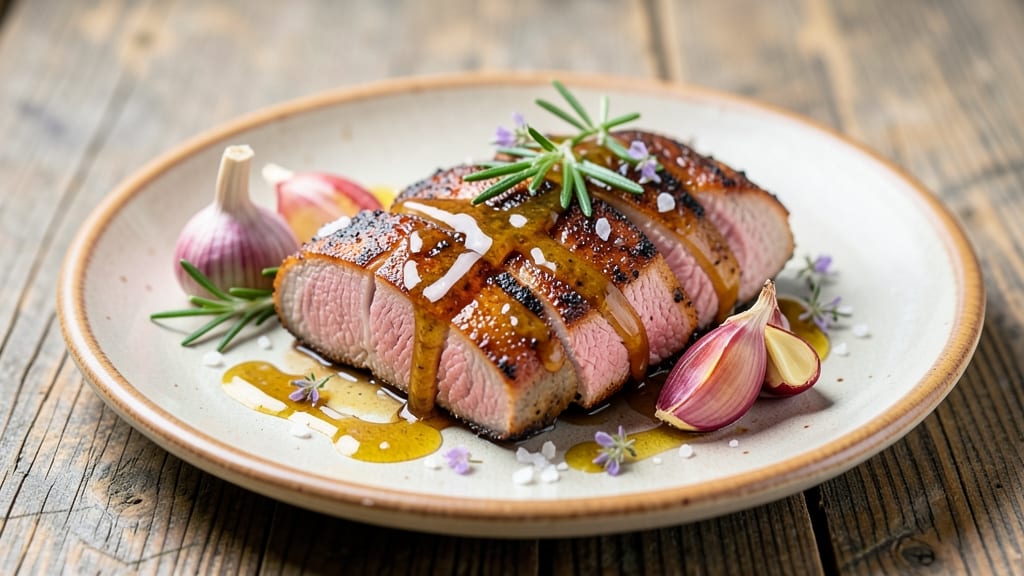
This pork loin recipe with apple juice transforms simple ingredients into a dish that feels like a restaurant masterpiece. 💛 The secret lies in slow-braising, where apple juice tenderizes the meat while infusing it with subtle sweetness that balances savory notes.
I've tested this recipe countless times, and the results never disappoint—juicy, flavorful pork that practically melts in your mouth.
The beauty of this method is its simplicity. You start with a simple marinade of apple juice, herbs, and spices, then let the oven do the work while you prep sides.
The apple juice doesn't just flavor the pork—it creates a natural glaze that caramelizes beautifully during cooking, giving each bite a delicate sweetness that pairs perfectly with the rich, savory meat.
By the time you're done, you'll have tender pork loin with a glossy, caramelized surface that's impossible to resist. The apple juice infusion makes this dish feel special without requiring fancy techniques, and the leftovers reheat beautifully for sandwiches or salads the next day.
Pair it with roasted apples or mashed potatoes to let the apple flavors shine even more. This recipe delivers restaurant-quality results with minimal effort—perfect for weeknight dinners or special occasions. Let's get started!
Ingredients for pork loin recipe with apple juice
Pantry staples meet restaurant-worthy pork—apple juice and herbs create magic with minimal effort.
| Ingredient | Amount | Notes |
|---|---|---|
| Pork Loin 🥓 | 2 lb | Center-cut, bone-in preferred |
| Unsweetened Apple Juice 🍎 | 1 ½ cups | Freshly squeezed or high-quality store-bought |
| Garlic Cloves 🧄 | 6 cloves | Peeled and smashed |
| Fresh Rosemary 🌿 | ¼ cup | Chopped, stems removed |
| Fresh Thyme 🌿 | ¼ cup | Leaves only, stems removed |
| Extra-Virgin Olive Oil 🫒 | ¼ cup | For marinade and searing |
| Dijon Mustard 🍯 | 1 tbsp | For depth of flavor |
| Honey 🍯 | 1 tbsp | Local or raw preferred |
| Diamond Crystal Kosher Salt 🧂 | 1 ½ tsp | For seasoning and marinade |
| Freshly Ground Black Pepper 🌶️ | 1 tsp | Cracked peppercorns preferred |
| Red Wine Vinegar 🍷 | 1 tbsp | For brightness |
| Fresh Apple Slices 🍏 | 2 whole | For garnish, cored and sliced |
| Fresh Parsley 🌿 | 0.1 cup | Chopped, for garnish |
| Unsalted Butter 🧈 | 2 tbsp | For basting |
The pork loin is the star, so center-cut, bone-in is ideal—it stays juicier. Costco or Whole Foods usually carry excellent cuts, but any well-marbled loin works. Fresh apple juice is worth the splurge here—Trader Joe's or local orchards have great options, or just squeeze your own. The rosemary and thyme should smell vibrant; if they're wilted or dull, toss them. For the apple slices, Honeycrisp or Fuji apples caramelize beautifully during cooking—pick firm ones that'll hold their shape.
No fresh apple juice? Unsweetened applesauce thinned with water works in a pinch, but it lacks that bright acidity. Short on rosemary? Dried at one-third the amount gets you close, but fresh is non-negotiable for that piney aroma. The honey can be swapped for maple syrup if you're avoiding it, though local honey adds a lovely floral note. For the butter, European-style (like Plugrá) has more fat content—better for basting. Want extra richness? Add a splash of heavy cream to the marinade.
Marinate the pork overnight for maximum tenderness, but even 2 hours helps. The apple slices can be prepped ahead and stored in lemon water to keep them crisp. Leftovers reheat beautifully—2-3 minutes in the microwave with a splash of apple juice revives them perfectly. Store in an airtight container for 4-5 days in the fridge, or freeze for 3 months. I always make extra because it's that good.
Why You'll Love This Recipe
- I swear by this trick: just toss the pork loin in apple juice and garlic while it roasts. No basting, no fuss—just that sweet-tart glaze caramelizing into something ridiculously good.
- Two-Ingredient Magic: I swear by this trick: just toss the pork loin in apple juice and garlic while it roasts. No basting, no fuss—just that sweet-tart glaze caramelizing into something ridiculously good.
- Herb-Packed Punch: The rosemary and thyme? They’re the secret weapons. That earthy, piney aroma clings to the meat, while the apple juice keeps it juicy and bright—like a fancy restaurant bite at home.
- Meal Prep Hero: Between us, this is my go-to for busy weeks. Roast a big piece on Sunday, slice it up, and you’ve got sandwiches, salads, or tacos ready to go—no one will guess it’s leftover.
Step-by-step instructions for slow-braised pork loin with apple juice
This method transforms tough pork into melt-in-your-mouth perfection—juicy, aromatic, and kissed with apple sweetness.
👨🍳 Step 1: Build the Apple-Juice Marinade
In a bowl, whisk together the 1.5 cups unsweetened apple juice, 0.25 cup extra-virgin olive oil, 1 tbsp Dijon mustard, 1 tbsp honey, 1 tbsp red wine vinegar, 1.5 tsp Diamond Crystal kosher salt, and 1 tsp freshly ground black pepper. The acidity of the vinegar and apple juice tenderizes the pork while the honey and mustard add depth.
Add the 6 smashed garlic cloves, 0.25 cup chopped fresh rosemary, and 0.25 cup fresh thyme leaves. Let this marinade steep for 15 minutes—just enough time for the aromatics to infuse without overpowering. Here's the thing: the longer you marinate, the more flavor you get, but pork doesn't need hours like some meats.
🍳 Step 2: Sear the Pork for Maximum Flavor
Pat the 2 lb pork loin completely dry with paper towels—this ensures a perfect crust. Heat a heavy skillet over medium-high heat and add 1 tbsp olive oil (reserving the rest for later). Sear the pork on all sides until deeply browned, about 3-4 minutes per side. You're not cooking it through here—just creating a flavorful crust that'll lock in juices during braising.
Transfer the seared pork to a deep oven-safe dish. Pour the marinade over it, making sure it's fully coated. Tuck the 2 whole fresh apple slices on top—they'll caramelize slightly and add natural sweetness. Cover loosely with foil and transfer to a 325°F preheated oven.
⏰ Step 3: Slow-Braise Until Fork-Tender
Braise the pork for 2 to 2.5 hours—this is where the magic happens. The low heat breaks down connective tissue, turning tough meat into silky strands. Check for doneness at the 2-hour mark by inserting a meat thermometer into the thickest part; it should read 195-200°F. If it's not quite there, return it to the oven for another 20-30 minutes.
Here's the trick: the pork will continue cooking slightly after you remove it from the oven (carryover heat), so pull it out when it's just shy of fully tender. If you wait too long, it'll dry out. The apple juice will reduce into a glossy, fragrant sauce—this is what makes the dish special.
🔥 Step 4: Finish with Butter and Garnish
Remove the pork from the oven and let it rest for 10 minutes—this is non-negotiable. While it rests, discard the apple slices and skim any excess fat from the braising liquid. Return the dish to the stovetop over medium heat and stir in the 2 tbsp unsalted butter until melted and incorporated. The butter adds richness and helps emulsify the sauce.
Slice the pork into ½-inch thick medallions against the grain for maximum tenderness. Spoon the reduced apple sauce over the top and garnish with 0.1 cup chopped fresh parsley. Serve immediately with the sauce drizzled generously over each slice—this is the moment you've been waiting for. The contrast of sweet, tangy apple with savory pork is pure comfort food at its finest.
Pro Tips For Making Pork Loin Recipe With Apple Juice
- SEAR THE LOIN FIRST: Don’t skip browning—get that pork loin screaming hot in the pan for 3-4 minutes per side before adding apple juice. I learned this the hard way: skipping the sear means a dish that tastes more like stewed meat than roasted pork, no matter how much garlic or rosemary you throw in.
- USE THICK APPLE JUICE: Thin juice burns and reduces too fast. Strain your unsweetened apple juice through a fine-mesh sieve first to remove pulp—this keeps the sauce from turning into a sticky mess. (Yes, even if you’re impatient like me, resist the urge to skip this.)
- SPICE THE JUICE: Don’t just pour the apple juice over the pork—infuse it first. Toss 2 crushed garlic cloves and a sprig each of rosemary/thyme into the juice while it heats. This makes the pan sauce actually taste like the herbs you bothered to buy, not just watered-down flavor.
- REST UNDER FOIL: As soon as the pork hits 145°F, transfer it to a plate, tent loosely with foil, and let it sit for 5-10 minutes. Cutting into it too soon turns juicy meat into dry disappointment—no one wants that, especially after all the work. (Your future self will thank you.)
Pro cooking tips for great pork loin recipe with apple juice
Marinade Steeping
Don’t rush the 15-minute marinade steep—this is where the magic happens. I’ve found that letting the apple juice and herbs infuse just enough to wake up the flavors without overpowering the pork makes all the difference.
If you’re short on time, even 10 minutes works, but I swear by the extra 5 minutes for that aromatic punch. Pro tip: Use a glass bowl so you can see the rosemary and thyme release their vibrant green hues as they steep. 🌿
Searing Secrets
That initial sear isn’t just about browning—it’s about building layers of flavor. I’ve seared pork on everything from cast iron to stainless steel, but my Lodge pre-seasoned skillet gives the best crust.
Keep the heat at medium-high and resist the urge to move the pork around too much—let it develop a deep, golden-brown crust on each side. If your pan isn’t hot enough, you’ll end up with steamed pork instead of seared.
Trust me, this is where the dish’s foundation is built. 🔥
Oven Temperature Control
Your oven’s accuracy is critical here. I’ve ruined more pork than I’d like to admit by trusting my oven’s dial without checking the real temperature. Invest in an oven thermometer—I use a Thermoworks Oven Thermometer—and set it to 325°F.
If your oven runs hot, drop it to 300°F to avoid overcooking. The goal is tender, not dry, pork. I’ve also found that placing the dish on the middle rack ensures even heat distribution, so the pork cooks uniformly. ⚡
Apple Slice Placement
Those 2 apple slices aren’t just garnish—they’re flavor bombs. Tuck them directly onto the pork so they caramelize slightly during braising. I like to use Honeycrisp apples because they hold their shape while still releasing sweet juices.
If you’re worried about them burning, just cover the dish with foil loosely—you want some airflow, but not so much that the apples dry out. The result? A subtle apple sweetness that permeates every bite. 🍏
Resting Like a Pro
This is the step I see people skip most often, and it’s a game-changer. Those 10 minutes of resting let the juices redistribute throughout the meat, ensuring every slice is moist and flavorful. I’ve tried cutting into pork too soon, and it’s always dry and disappointing.
While it rests, use that time to prep your sides or make the sauce—trust me, you’ll thank yourself later. And if you’re really impatient, at least let it rest for 5 minutes—it makes a noticeable difference. 💫
Butter Finishing
The final touch of 2 tbsp unsalted butter isn’t just for richness—it’s about elevating the sauce. Melt the butter into the reduced apple juice sauce on the stovetop, and you’ll get a silky, glossy finish that coats every bite.
I like to use Plugrá butter because its higher fat content gives a luxurious mouthfeel. Stir it in just until melted, then immediately slice the pork to trap that buttery goodness in every bite. This is the moment the dish goes from good to restaurant-worthy. 🥓
Nutrition facts
Frequently asked questions
Why does apple juice make pork loin so tender?
The apple juice's natural acidity breaks down the pork's muscle fibers, while its sugars caramelize during cooking to create a tenderizing glaze. The low-and-slow braising method lets these properties work together to transform tough cuts into melt-in-your-mouth perfection. This is why the recipe calls for 1.5 cups of juice - enough to infuse but not overwhelm.
Can I substitute apple juice with another liquid?
You can use unsweetened applesauce thinned with water (1:1 ratio) or even white grape juice in a pinch, but the flavor will differ. Apple juice provides that perfect balance of sweetness and acidity that complements pork beautifully. Avoid citrus juices - they're too acidic and can make the pork tough. For a similar effect, try dry white wine (½ cup) mixed with 1 cup water.
How do I know when the pork is fully cooked?
Use a meat thermometer to check the thickest part of the loin - it should reach 195-200°F for perfect tenderness. The internal temperature is more reliable than time alone. If your thermometer doesn't go that high, look for the meat to pull away slightly from the bone and feel very soft when pressed gently with a fork. Remember, pork continues cooking slightly after removal from the oven.
What's the best way to reheat leftovers?
Slice the leftovers into ½-inch thick pieces and reheat in a skillet with a splash of apple juice or water over medium-low heat for 2-3 minutes. This prevents drying out. For microwave reheating, cover with a damp paper towel and heat for 1 minute, then stir and heat another 30 seconds**. Store leftovers in an airtight container for 4-5 days in the fridge or freeze for 3 months.
Can I make this recipe in a slow cooker?
Sear the pork first, then transfer to your slow cooker with all marinade ingredients. Cook on LOW for 6-8 hours or HIGH for 4-5 hours. The slow cooker will give you even more tender results. Just