
Main Courses
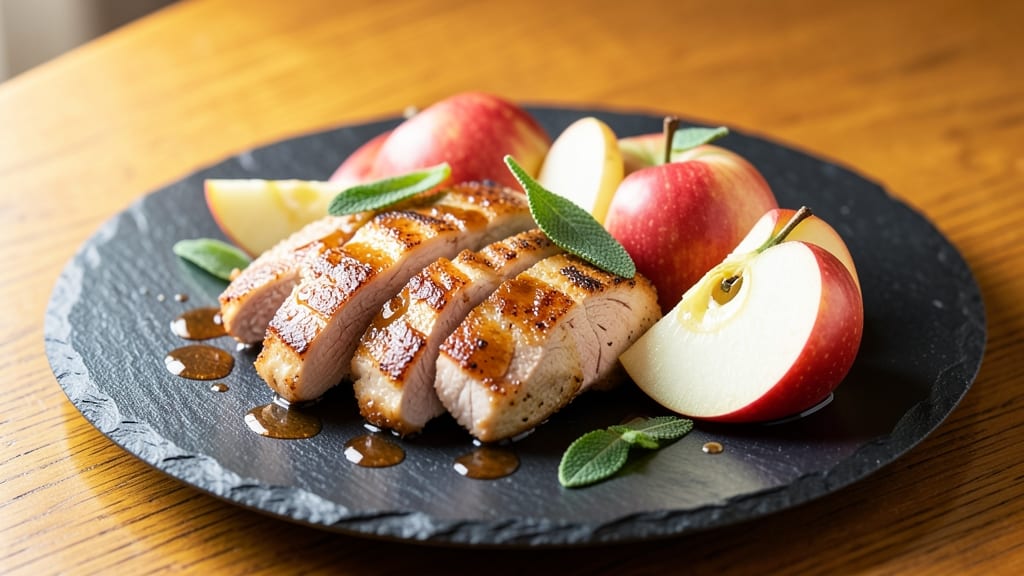
This pork apple sage recipe transforms humble ingredients into a showstopping one-pan braise that smells like autumn in a skillet.
As someone who's spent years perfecting pork dishes at Atlanta's Smoky Pig, I can tell you the secret lies in balancing sweet apples, earthy sage, and tender pork until every bite sings with harmony. The technique is simple but yields restaurant-quality results—no fancy equipment required.
The magic happens when you braise pork tenderloin with crisp apples and fresh sage until the meat falls apart tender and the apples caramelize into a sticky glaze. I use a 30-minute sear to lock in juices, then slow-cook everything in the same pan with apple cider and herbs.
This method delivers deep flavor with minimal effort, making it perfect for weeknight dinners that still feel special.
What you'll end up with is golden-brown pork slices, tender enough to melt in your mouth, surrounded by caramelized apples and aromatic sage leaves. The sauce clings to every bite, creating a perfect balance of sweet, savory, and herbal notes.
It's the kind of dish that disappears from plates faster than you can say "second helping."
Serve with mashed potatoes or crusty bread to soak up every last drop of that herbed sauce. For a complete meal, add a simple green salad with a tangy vinaigrette.
This recipe is equally at home at family dinners or holiday tables—just don't be surprised if everyone asks for the recipe before dessert even arrives.
Ingredients for pork apple sage
Sweet apples, earthy sage, and tender pork—just 13 ingredients for a dish that tastes like autumn in a skillet.
| Ingredient | Amount | Notes |
|---|---|---|
| Pork Tenderloin 🥩 | 1 ½ lb | Trimmed of silver skin |
| Honeycrisp Apples 🍎 | 2 whole | Cored and sliced into wedges |
| Fresh Sage Leaves 🌿 | ½ cup | Packed, stems removed |
| Apple Cider 🍏 | 1 cup | Unfiltered for depth of flavor |
| Unsalted Butter 🧈 | 2 tbsp | Cold for searing |
| Olive Oil 🫒 | 2 tbsp | Extra-virgin for richness |
| Garlic Cloves 🧄 | 3 cloves | Minced for aromatic base |
| Dijon Mustard 🍯 | 1 tbsp | For tangy depth |
| Salt 🧂 | 1 tsp | Kosher or sea salt |
| Black Pepper 🌶️ | ½ tsp | Freshly ground preferred |
| Brown Sugar 🍚 | 1 tbsp | Light or dark variety |
| Thyme Leaves 🌿 | 1 tsp | Fresh or dried |
| Apple Cider Vinegar 🍶 | 1 tsp | For brightness |
The pork tenderloin is the star here, so don't skimp on quality. Look for a tenderloin with good marbling—the kind that feels firm but yields slightly when pressed. I always grab mine from Whole Foods or my local butcher shop, especially when it's on sale. For the apples, Honeycrisp is ideal—they hold their shape while caramelizing beautifully, but Fuji or Gala work too if that's what's on hand. Fresh sage is a must—dried just won't give you that same aromatic punch (though it'll work in a pinch).
No apple cider? Substitute with apple juice or even white wine—just add a splash of vinegar to keep it bright. Running low on fresh sage? Dried sage at one-third the amount gets you close, but it won't have that same fresh aroma. The Dijon mustard is non-negotiable for depth, but if you're out, whole-grain mustard works too. For the apples, you can use pre-sliced if it saves time, but fresh wedges caramelize better. The brown sugar adds just enough sweetness without overpowering the natural flavors of the pork and apples.
This dish tastes even better the next day, so make extra if you can. Store leftovers in an airtight container in the fridge for up to 4 days, or freeze for 3 months. The sauce thickens as it cools, so a splash of water or cider will bring it back to perfection when reheating. I always save a few sage leaves for garnish—they add that final touch of freshness that makes the dish look restaurant-worthy.
Why You'll Love This Recipe
- One-Pan Magic: I swear by this recipe when I’m too tired to clean dishes. Sear the pork, toss in the apples and sage, and let the apple cider braise everything—no chopping boards, no extra pots. The tenderloin practically falls apart, and the apples caramelize right on the same sheet that held the raw meat.
- Honeycrisp Happiness: That first bite of crispy pork with the sweet-tart Honeycrisp apples? It’s like autumn in a forkful. The sage adds an earthy punch, and the apple cider glaze ties it all together—rich, balanced, and impossible to resist. (Yes, even on a Tuesday night.)
- Weeknight to Dinner Party: Same recipe, different crowds. Serve it sliced with crusty bread for a lazy Sunday lunch or carve it dramatically for guests—no one will guess it’s the same dish. The leftovers? Even better the next day when the flavors meld into something deeper.
- Budget-Friendly Luxury: Pork tenderloin is lean and affordable, and Honeycrisp apples stretch further than you’d think. A few sage leaves and a splash of cider elevate it without breaking the bank. Honestly, it’s the kind of meal that makes fancier dinners feel unnecessary.
Step-by-step instructions for pork apple sage braise
This one-pan wonder delivers melt-in-your-mouth pork with caramelized apples and fragrant sage—easy enough for weeknights but impressive enough for guests.
Sear the Pork Tenderloin for Maximum Flavor
Heat a large oven-safe skillet over medium-high heat until hot. Add the 2 tablespoons olive oil and 2 tablespoons unsalted butter—the butter should foam and sizzle. Pat the 1.5 lb pork tenderloin dry with paper towels (this is key for crispy skin) and season generously with 1 teaspoon salt and ½ teaspoon black pepper.
Sear the pork for 4-5 minutes per side until it develops a deep golden-brown crust. You'll see the edges start to crisp—that's your signal to flip. Once seared, remove the pork and set it aside on a plate. Don't clean the pan yet; those browned bits are pure flavor gold.
Build the Apple Sage Base
In the same skillet, add the 3 cloves minced garlic and cook for 30 seconds until fragrant (don't let it brown). Toss in the 2 whole Honeycrisp apples, sliced into wedges, and cook for 3-4 minutes until they begin to soften and release juices.
Stir in the ½ cup fresh sage leaves (packed), 1 tablespoon Dijon mustard, 1 tablespoon brown sugar, and 1 teaspoon thyme leaves. Let everything cook for another 2 minutes while you prepare the braising liquid. Here's the thing—this step develops the aromatic foundation that ties everything together.
Deglaze and Braise to Perfection
Pour in the 1 cup apple cider and 1 teaspoon apple cider vinegar, scraping up all those delicious browned bits from the bottom of the pan. Return the seared pork to the skillet, spooning some of that flavorful liquid over the top. Bring everything to a gentle simmer over medium heat.
Cover the skillet and transfer it to a preheated 325°F oven. Braise for 30-35 minutes until the pork reaches an internal temperature of 145°F (use a meat thermometer) and the apples are fork-tender. The sauce should thicken slightly, coating the pork and apples in a glossy, herbed glaze.
Rest and Serve with Herbed Crispness
Remove the skillet from the oven and let the pork rest for 10 minutes before slicing. This resting period is crucial—it allows the juices to redistribute, ensuring each bite is juicy and flavorful. While it rests, use a slotted spoon to transfer the apples and sage to a serving platter.
Slice the pork tenderloin into ½-inch thick medallions and arrange them over the apples. Spoon the reduced braising sauce over everything and garnish with any remaining fresh sage leaves. The result should be tender pork with caramelized apples and a fragrant, herby sauce that ties it all together beautifully.
Pro Tips For Making Pork Apple Sage
- SEAR THE PORK HARD: Don’t be gentle—get that pork tenderloin screaming hot in a dry pan for 3-4 minutes per side. I used to rush this, and the meat ended up gray and bland. High heat builds flavor, and that crust locks in the juices when you finish it in the oven.
- CORE THE APPLES: Remove the cores from the Honeycrisp apples before slicing—it’s faster and cleaner. I learned this the hard way after struggling to cut around stubborn cores mid-recipe. A melon baller works great, but a small spoon does the job too.
- SAGE IN TWO STAGES: Toss half the sage leaves with the pork in the pan, then save the rest for the last 5 minutes of cooking. The initial batch crisps up and releases aroma, while the fresh leaves finish bright and aromatic. Skip this, and you’ll miss that layered herbal punch.
- DEGLAZE WITH CIDER: Don’t just pour apple cider over the pork—let it simmer for 2 minutes first to reduce slightly. This thickens the pan sauce naturally, cutting down on extra butter needed later. I used to ignore this, and the sauce always ended up watery.
Perfect pairings for pork apple sage
Apple Cider Glaze
This braise transforms into something extraordinary when you reduce the apple cider with a touch of vinegar—it creates a glossy, caramelized glaze that clings beautifully to the pork.
I like to add 1 tablespoon of brown sugar to the cider before reducing it on the stovetop for a few minutes after braising. This simple step elevates the dish from good to restaurant-worthy. 🍏
Creamy Mashed Potato
Nothing complements this dish like a smooth, velvety mashed potato. I use Yukon Gold potatoes because they're naturally creamy and hold their shape well.
Mix in 2 tablespoons of butter and ¼ cup of whole milk per pound of potatoes, then season with ½ teaspoon of salt and a pinch of white pepper. The slight peppery note balances the sweetness of the apples beautifully. ✨
Crusty Sourdough Bread
A warm, crusty sourdough loaf is perfect for soaking up the herbed sauce and adding texture to the meal. Look for a loaf with a thick, crackly crust from your local bakery or grocery store—Trader Joe's or Whole Foods always have excellent options.
Toast it lightly before serving to enhance its flavor and make it even more satisfying. 🥖
Simple Arugula Salad
For a refreshing contrast, toss together 4 cups of baby arugula with 2 tablespoons of olive oil and 1 tablespoon of balsamic vinegar. Add a pinch of flaky sea salt and ½ teaspoon of honey to balance the peppery greens.
This light salad cuts through the richness of the pork and apples, making every bite feel balanced. 🌿
Wine Pairings
An earthy Pinot Noir from Oregon or a crisp Chardonnay from California complements this dish beautifully. The Pinot Noir’s subtle fruitiness mirrors the apples, while the Chardonnay’s acidity cuts through the richness of the pork.
If you prefer beer, a Belgian witbier with its citrus notes adds a refreshing contrast. 🍷
Herbed Butter Garnish
For an extra touch of elegance, prepare a simple herbed butter by mixing 2 tablespoons of softened butter with 1 tablespoon of finely chopped fresh sage and a pinch of salt.
Dollop it on top of the pork just before serving—it adds another layer of flavor and makes the dish look even more impressive. 🧈
Nutrition facts
Frequently asked questions
Can I substitute pork tenderloin with another cut of pork?
For a heartier dish, try bone-in pork chops or pork shoulder. If using chops, sear them first and reduce braising time to 20-25 minutes at 325°F. Pork shoulder needs 2-3 hours of braising until fork-tender. The apple-sage flavor profile works beautifully with any cut—just adjust cooking times accordingly.
What if I don't have fresh sage?
Use dried sage at one-third the amount (about 1.5 teaspoons instead of ½ cup fresh). For extra depth, add ½ teaspoon of rosemary or thyme along with it. The dish will still taste amazing—just expect slightly less aromatic punch. Fresh sage gives the best flavor, but dried works in a pinch!
How do I prevent the apples from turning mushy?
Keep apple slices ½-inch thick and add them to the pan just before braising (not during searing). Toss them with 1 teaspoon lemon juice before cooking to preserve color. Also, avoid overcrowding the pan—cook in batches if needed. The goal is tender, not mushy!
Can I make this recipe in a slow cooker?
Yes! Sear the pork first, then transfer everything to a slow cooker. Cook on low for 6-7 hours or high for 3-4 hours. The apples will soften more, so add them later if you prefer firmer texture. The slow cooker method is perfect for hands-off cooking.
What's the best way to reheat leftovers?
Gently reheat in a skillet with 1 tablespoon of apple cider or water over low heat for 3-4 minutes. Avoid microwaving—it makes the pork dry. For extra flavor, add a fresh sage leaf while reheating. Leftovers taste even better the next day!