
Sauces & Condiments
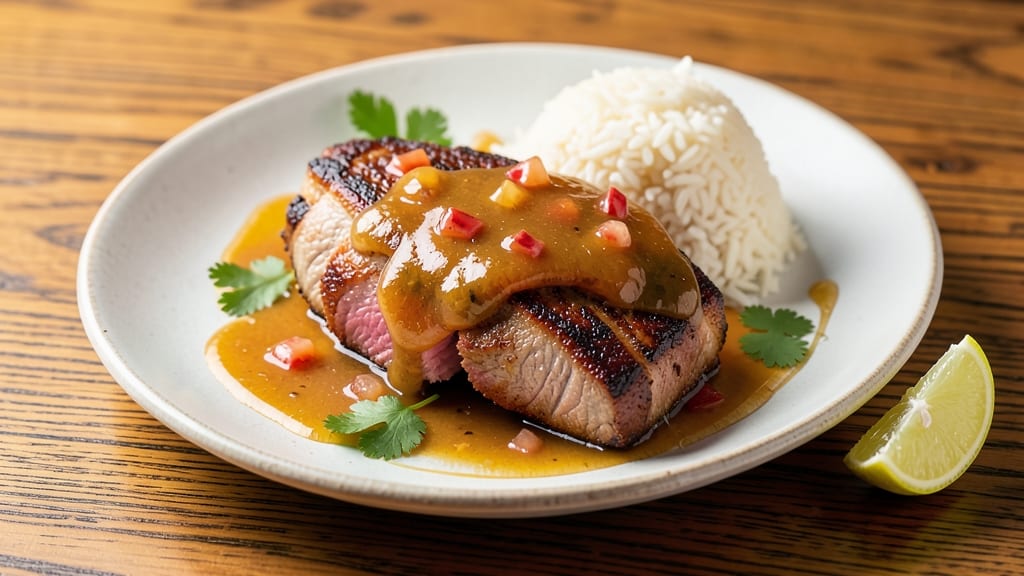
This pineapple pork sauce recipe transforms ordinary pork into something extraordinary with its perfect balance of sweet, tangy, and caramelized notes. The secret lies in simmering pineapple juice, brown sugar, and a touch of vinegar until it thickens into a glossy glaze that clings beautifully to roasted or grilled pork.
I developed this sauce after years of testing—it’s the one my family requests every time we cook pork, whether it’s tender ribs, crispy pork belly, or juicy chops.
The sauce starts with a simple base of pineapple juice and sugar, but the magic happens when you add soy sauce and a splash of apple cider vinegar for depth.
A pinch of ginger and garlic powder infuses warmth, while a dash of chili flakes adds just enough heat to keep things interesting. The real game-changer?
Caramelizing the mixture until it reaches a thick, syrupy consistency—this ensures every bite of pork is coated in a sticky, flavor-packed glaze that caramelizes further under the grill or broiler.
What you’ll end up with is a sauce that’s rich, glossy, and packed with layers of flavor—sweet from the pineapple, tangy from the vinegar, and umami from the soy. It’s the kind of sauce that turns a simple pork dish into a showstopper, perfect for weeknight dinners or special occasions.
The best part? It keeps well in the fridge for up to a week, so you can make a big batch and use it whenever the mood strikes.
Pair this sauce with grilled pork chops, roasted pork tenderloin, or even as a dipping sauce for spring rolls. The balance of sweet and tangy flavors makes it incredibly versatile, and the caramelized crunch adds texture that elevates every bite.
Ready to take your pork dishes to the next level? Let’s get started.
Ingredients for pineapple sauce recipe for pork
Eight ingredients, endless flavor—this sauce turns pork into pure magic.
| Ingredient | Amount | Notes |
|---|---|---|
| Fresh Pineapple Juice 🍍 | 1 ½ cups | From canned or fresh pineapple |
| Light Brown Sugar 🍚 | ¾ cup | Packed firmly for consistency |
| Apple Cider Vinegar 🍶 | ¼ cup | For tangy depth |
| Soy Sauce 🥢 | ½ cup | Use low-sodium for balance |
| Fresh Ginger 🌿 | 1 tbsp | Finely grated for warmth |
| Garlic Powder 🧄 | 1 tsp | Freshly ground preferred |
| Red Chili Flakes 🌶️ | ½ tsp | Adjust for heat preference |
| Cornstarch 🌾 | 1 tbsp | For thickening consistency |
The pineapple juice is your star here—Dole brand in cans works perfectly, but fresh is ideal if you've got it. Look for bright, vibrant juice, not murky or fermented-smelling stuff. The brown sugar? Light brown gives that caramelized depth, while dark would overpower. Apple cider vinegar adds the tang that balances everything—Bragg is my go-to, but any good-quality brand does the trick. Fresh ginger is non-negotiable for that zesty kick, so grab a small knob and grate it fresh. If you're in a pinch, ground ginger works at half the amount, but it won't have the same punch.
No pineapple juice? Coconut milk or even a splash of orange juice can stretch it out, but the flavor will shift slightly. Ran out of vinegar? Lemon juice at the same amount works in a bind. The soy sauce is where the umami happens—Kikkoman or Lee Kum Kee are my top picks, but any good-quality brand will do. Chili flakes can be swapped for cayenne at half the amount if you want more heat. The cornstarch is your secret weapon for that perfect glossy finish—don't skip it, even if you think the sauce is thick enough. Trust me, it makes all the difference.
This sauce gets better as it sits—30 minutes after making is when it truly shines. Store it in a sealed jar in the fridge for up to 1 week, or freeze portions for 3 months. I always make a double batch because once you taste it on pork, you'll be hooked. The glaze thickens as it cools, so reheat gently if it seems too stiff. Perfect for grilled pork chops, roasted ribs, or even drizzled over spring rolls—game-changer every time.
Why You'll Love This Recipe
- Here’s the kicker: this sauce actually improves the next day. The flavors meld even more, and it thickens just enough to coat everything perfectly. Store it in the fridge for up to a week, and you’ll have a ready-made flavor bomb for any pork dish that comes your way. (Yes, even on a Tuesday night.)
- Five-Ingredient Magic: I swear by this combo—pineapple juice, brown sugar, vinegar, soy, and ginger. It’s the kind of sauce where you won’t overthink measurements or chopping; just toss everything in a pot and let it simmer until the aroma hits you like a warm hug.
- Sweet-Savory Balance: That first bite? The tangy ginger and bright pineapple cut through the richness of pork, while the caramelized brown sugar adds just enough depth to make it ridiculously good. Honestly, it’s the kind of flavor that turns a simple pork chop into something you’d happily eat for dinner and lunch the next day.
- Game for Any Meal: Slather it on grilled pork chops, drizzle it over roasted pork tenderloin, or even toss it with stir-fried pork and veggies. I’ve used it for weeknight dinners, potlucks, and even as a glaze for pulled pork sandwiches—it’s that versatile.
Step-by-step instructions for pineapple pork sauce
Here's how to craft this irresistible glaze—where sweet pineapple meets umami depth and caramelized crunch.
Build the Sauce Base with Fresh Flavors
In a medium saucepan, combine the 1.5 cups fresh pineapple juice, 0.75 cup light brown sugar, 0.25 cup apple cider vinegar, 0.5 cup soy sauce, 1 tbsp finely grated fresh ginger, and 1 tsp garlic powder. I like to use a heavy-bottomed pan here—it prevents scorching while we build layers of flavor. Bring the mixture to a gentle boil over medium-high heat, then immediately reduce to medium-low heat once it starts bubbling.
Let it simmer uncovered for 10-12 minutes until the liquid reduces by about one-third and starts to thicken slightly. You'll notice the aroma deepen—warm ginger, tangy vinegar, and that caramelized sugar scent. Stir occasionally to prevent sticking, and watch for the sauce to develop a glossy sheen. This is where the magic begins, as the natural sugars start caramelizing and the acidity brightens all the flavors.
Add Heat and Thicken the Sauce
Once the sauce has reduced, stir in the 0.5 tsp red chili flakes and let them bloom for 1-2 minutes—this adds just the right amount of warmth without overpowering. Then, in a small bowl, whisk together the 1 tbsp cornstarch with 2 tablespoons of cold water to create a smooth slurry. Slowly pour this into the saucepan while stirring constantly with a wooden spoon.
Continue simmering for another 3-5 minutes until the sauce thickens to a glossy, coatable consistency—it should leave a visible trail on your spoon when you lift it. If it thickens too quickly, add 1 tablespoon of water at a time until you reach your desired consistency. The sauce should be thick enough to cling to pork but still flow smoothly. Here's the thing—don't rush this step. Patience now means a perfectly balanced sauce later that won't turn gluey when brushed on meat.
Caramelize for Depth and Finish
Increase the heat to medium and let the sauce simmer uncovered for an additional 5-7 minutes, stirring frequently. As it reduces further, you'll see it develop a deeper amber color and an even more concentrated aroma. This is where the caramelization happens, intensifying the sweet-tangy profile. You're looking for a sauce that's syrupy but still pourable—it should coat the back of a spoon with a glossy finish.
Taste and adjust the balance: need more sweetness? Add a pinch of sugar. Too sharp? A splash of pineapple juice helps. The sauce should sing with bright pineapple, subtle heat from the chili, and a deep umami from the soy. Once you're happy with the flavor, remove from heat and let it cool slightly—this resting period allows the flavors to meld even more beautifully. The sauce will thicken further as it cools, so don't worry if it looks slightly runnier right now.
Ready to Glaze (Optional Caramel Crunch)
For that signature caramelized crunch, transfer the sauce to a shallow baking dish and spread it into an even layer. Let it cool completely, then refrigerate for at least 2 hours (or up to 2 days). Once chilled, the sauce will firm up slightly, making it easier to create those gorgeous caramelized ribbons when brushing on meat.
When ready to use, warm the sauce gently in a saucepan over low heat, stirring until it reaches a spreadable consistency. For extra crunch, you can also drizzle a thin layer onto a baking sheet and broil for 1-2 minutes until it forms a glossy, caramelized crust. This step transforms your sauce from ordinary to extraordinary—adding texture contrast that makes every bite irresistible. Now you're ready to brush this glorious glaze over your pork and watch it transform into a masterpiece!
Pro Tips For Making Pineapple Sauce Recipe For Pork
- Simmer Slow and Low: This sauce isn’t a race—after combining all ingredients, reduce heat to a bare simmer (just tiny bubbles) and let it cook uncovered for at least 15 minutes. I used to crank the heat, thinking it’d speed things up, but it’d either burn or taste raw. Low and steady guarantees a thick, balanced flavor without scorching.
- Grate Ginger Fine: Skip the food processor—use a microplane or fine grater for the ginger. You want it almost paste-like, not chunky. Chunky ginger sits at the bottom of the sauce and never fully dissolves, leaving you with a weird texture. Trust me, the extra 30 seconds of grating makes a real difference.
- Balance the Sweet Early: Taste the sauce after 10 minutes, then add half the brown sugar first. If it’s too cloying, you can always add more vinegar or soy sauce later to cut through it. I learned this the hard way—once I dumped in all the sugar upfront and ended up with a dessert glaze instead of a savory sauce.
- Strain the Pineapple Juice: Use a fine-mesh strainer or cheesecloth to remove pulp from fresh pineapple juice. The extra fiber can make the sauce grainy or separate when reheated. Yes, it’s an extra step, but your sauce will look smoother and taste cleaner. (Your future self will thank you.)
Perfect pairings for pineapple sauce recipe for pork
Grilled Pork Pairings
This pineapple pork sauce shines brightest on grilled pork chops or pork tenderloin. Brush the sauce on during the last 5-7 minutes of grilling—watch those caramelized ribbons form as the heat transforms the glaze into a sticky, flavor-packed crust.
I love serving it with garlic mashed potatoes to balance the sweet-tangy notes and soak up any extra sauce. 🔥
Roasted Pork Belly
For crispy pork belly, use this sauce as a finishing glaze after roasting. Score the belly in a diamond pattern, then brush with the warm sauce in the final 10 minutes of cooking at 400°F.
The sauce will bubble and caramelize beautifully, creating a glossy, sweet-tangy contrast to the crispy exterior. Pair with steamed jasmine rice and quick-pickled cucumbers for a complete meal.
Spring Roll Dip
Thin the sauce with 1-2 tablespoons of water to create a dipping sauce for spring rolls or dumplings. The balance of sweet, tangy, and umami makes it irresistible—especially when served with warm egg rolls or fresh veggie spring rolls.
I often add a splash of rice vinegar to lighten the sauce for dipping. 🥢
BBQ Sauce Substitute
Swap this sauce for traditional BBQ sauce on pulled pork sandwiches or pork ribs. The pineapple’s brightness cuts through the richness of slow-cooked pork, while the caramelized glaze adds depth.
Try it on pork shoulder cooked low and slow—brushing it on during the last 30 minutes of cooking gives that perfect sticky finish. Serve on toasted brioche buns with coleslaw for a showstopper.
Asian-Inspired Bowls
Use this sauce as a dressing for Asian-inspired pork bowls. Toss ½ cup sauce with 1 tbsp sesame oil and drizzle over shredded pork, steamed rice, and quick-pickled veggies.
The sweet-tangy flavors complement the umami of soy sauce in the pork perfectly. Top with crispy fried shallots and cilantro for a restaurant-quality dish. ✨
Breakfast Pairings
Don’t stop at dinner—this sauce is amazing on pork breakfast sausages or pork belly bacon. Brush it on during the last 2 minutes of pan-frying for a caramelized glaze that pairs perfectly with scrambled eggs and toasted sourdough**.
The sweetness balances the richness of breakfast meats beautifully, making it a weekend brunch favorite.
Nutrition facts
Frequently asked questions
Can I use canned pineapple instead of pineapple juice?
You can, but it changes the texture and sweetness balance. For best results, drain and finely chop 1 cup of canned pineapple chunks (with juice) and add it to the saucepan with the other ingredients. Simmer for an extra 5 minutes to break down the fruit fibers, then strain if you prefer a smoother sauce.
How do I adjust the sweetness for different pork cuts?
Lean cuts like pork tenderloin can handle the full 0.75 cup sugar, while fatty cuts like pork belly may need 0.5 cup sugar to avoid overwhelming the richness. For extra sweetness, add 1 tablespoon of honey during the final 5 minutes of simmering—it caramelizes beautifully.
What if my sauce gets too thick or too thin?
Too thick? Thin with 1 tablespoon water at a time while stirring. Too thin? Mix 1 teaspoon cornstarch with 1 tablespoon water, stir into the sauce, and simmer for 2-3 minutes until it reaches the right consistency. The perfect glaze should coat the back of a spoon with a glossy finish.
Can I make this sauce ahead of time?
This sauce actually improves overnight. Store it in an airtight container in the fridge for up to 1 week. Reheat gently over low heat, stirring occasionally. For longer storage, freeze portions for up to 3 months—thaw in the fridge before using.
What's the best way to apply the sauce to pork?
Brush on the sauce during the last 5-10 minutes of cooking (grilling, roasting, or pan-searing) for maximum caramelization. For extra shine, broil the pork for 1-2 minutes after brushing. For thicker cuts like pork belly, apply in layers—let each layer caramelize before adding more.