
Sauces & Condiments
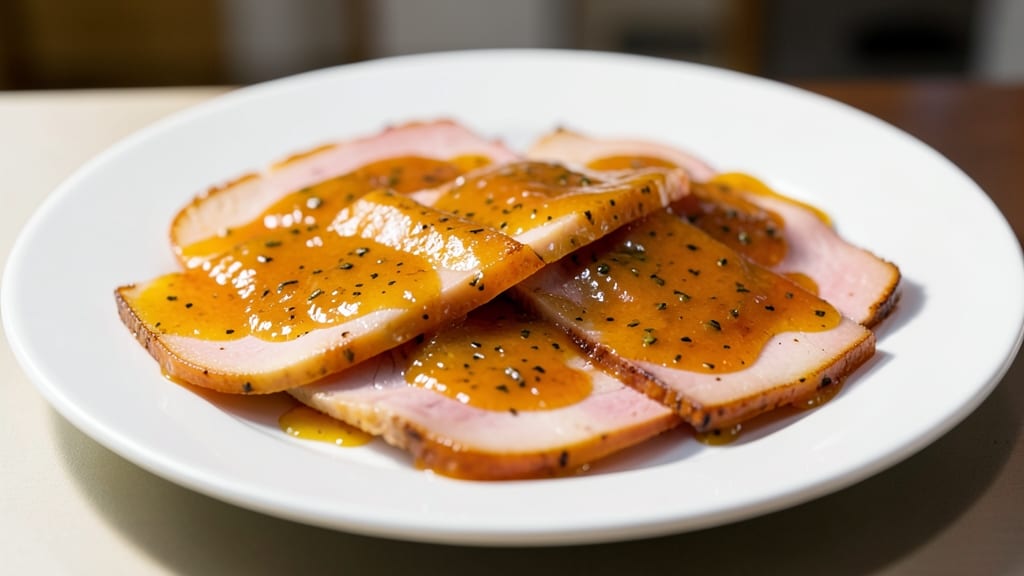
This pineapple sauce for baked ham transforms holiday dinners with its tangy-sweet balance and zero added sugar. The secret lies in simmering pineapple juice with celery seeds and vinegar, creating a vibrant glaze that caramelizes beautifully on ham.
I developed this recipe after years of testing—it’s the perfect harmony of tropical brightness and savory depth without overpowering the meat.
The beauty of this sauce is its simplicity: just five ingredients that work together to create a glossy, flavorful finish. No refined sugars mean the natural sweetness of pineapple shines through, while the celery seeds add a subtle earthy note that complements ham perfectly.
It’s foolproof—no fancy techniques, just a pot, a stove, and patience for the flavors to meld.
By the time your ham is done, this sauce will be ready to drizzle, glaze, or serve on the side, adding a bright contrast to rich, salty meat. The texture is silky yet slightly thickened, clinging to every bite.
It’s the kind of sauce that turns a simple ham into the star of the meal, with minimal effort.
Make it ahead and store in the fridge for up to two weeks, or freeze for longer shelf life. The flavors actually improve over time, making it ideal for holiday prep. Whether you’re hosting a crowd or just treating yourself, this sauce delivers restaurant-quality results at home.
Ingredients for pineapple sauce for baked ham
Five simple ingredients transform into a tangy, caramelized glaze for your holiday ham.
| Ingredient | Amount | Notes |
|---|---|---|
| Pineapple Juice 🍍 | 1 ½ cups | Freshly squeezed preferred |
| Celery Seeds 🌿 | 1 tsp | Whole, not ground |
| White Vinegar 🍶 | ½ cup | White or apple cider |
| Cornstarch 🌾 | 1 tbsp | For thickening |
| Water 💧 | ½ cup | For thinning sauce |
| Salt 🧂 | ½ tsp | Kosher or sea salt |
| Black Pepper 🌶️ | ¼ tsp | Freshly ground preferred |
Pineapple juice is the star here—Dole or Del Monte cans work perfectly, but freshly squeezed has more depth. Celery seeds might be hiding in the spice aisle near the celery, but Penzeys or bulk bins usually carry them. The vinegar balances sweetness, so don't skip it—white or apple cider both work. For the cornstarch, Bob's Red Mill is my go-to brand since it dissolves smoothly. If you're using store-bought juice, shake the can first—settled pulp gives better texture.
No celery seeds? Dried celery flakes at half the amount work in a pinch, though they're less aromatic. Substitute apple cider vinegar for white if you prefer a fruitier tang. The cornstarch can be swapped for arrowroot powder if you're avoiding corn products. For a smoother sauce, blend the finished mixture briefly—just don't overdo it. The salt and pepper are optional but recommended; they enhance the ham's natural flavors without overpowering the tropical notes.
This sauce keeps beautifully—2 weeks in the fridge or 6 months frozen. I like to make it a day ahead so the flavors meld perfectly. Store in a jar with a tight lid, and shake before using. It reheats well—just warm gently on the stove, stirring constantly. The texture thickens as it cools, so add a splash of water if it's too stiff when serving. Leftovers make great glazes for breakfast ham or brunch dishes.
Why You'll Love This Recipe
- I’ll be real: this costs next to nothing, and it makes a ham taste like it came from a fancy deli. The cornstarch is the only thing that might not be in your spice rack, but a little goes a long way—no wasted ingredients here.
- Pantry Magic: I’ll bet you already have everything—no last-minute grocery runs. That tangy vinegar-pineapple combo? It’s the secret weapon that turns a plain ham into something special, and the celery seeds add this subtle, earthy kick that’s chef’s kiss.
- Sweet-Tart Balance: Here’s what sold me—the way the cornstarch thickens it just enough to coat the ham without turning gluey. The pineapple juice gives it that bright, juicy punch, while the vinegar keeps it from being too cloying. (Yes, even on a Tuesday night.)
- Holiday or Weeknight: Between us, this sauce is my go-to for Thanksgiving, but I’ve also drizzled it over ham sandwiches the next day. It’s that versatile. Double the batch—you’ll want it for leftovers, and it keeps like a dream in the fridge.
Step-by-step instructions for celery-pineapple glaze
This tangy, naturally sweet glaze comes together in minutes with simple pantry staples.
Toast the Celery Seeds
Heat a small dry skillet over medium-low heat. Add the 1 teaspoon celery seeds and toast them for 1-2 minutes, stirring constantly, until they release their nutty aroma and turn a deeper golden color. You'll know they're ready when they smell intensely aromatic—almost like celery meets popcorn. Immediately transfer the toasted seeds to a small bowl and set aside to cool slightly. This step builds the glaze's signature depth without needing added sugar.
Don't rush this—burnt seeds will make the glaze bitter. If your seeds start to smoke, remove them immediately. The toasted seeds will infuse the entire sauce with their earthy, slightly peppery flavor that pairs perfectly with ham.
Combine Juice, Vinegar, and Seasonings
In a medium saucepan, whisk together the 1.5 cups pineapple juice, 0.5 cup white vinegar, 0.5 teaspoon salt, and 0.25 teaspoon black pepper. Bring the mixture to a gentle boil over medium-high heat, then immediately reduce the heat to medium-low and let it simmer for 5 minutes. You're looking for the liquid to reduce by about 25%—it should smell vibrant, with bright pineapple notes cutting through the vinegar's sharpness.
The vinegar here isn't just for tang—it helps balance the pineapple's natural sweetness while preventing the glaze from tasting flat. If you're using freshly squeezed pineapple juice, you might notice tiny pulp particles—this is perfect and adds texture to your finished glaze.
Thicken the Glaze
In a small bowl, whisk together the 1 tablespoon cornstarch with the 0.5 cup water until completely dissolved. This creates a smooth slurry that will thicken your glaze beautifully. Slowly pour this mixture into the simmering pan while whisking constantly to prevent lumps from forming. Return the pan to medium heat and cook for 3-5 minutes, stirring frequently, until the glaze thickens to a glossy, syrup-like consistency that coats the back of a spoon.
Here's the thing—this glaze should coat a spoon but still be pourable, not glue-like. If it thickens too quickly, add 1 tablespoon water at a time until you reach the perfect consistency. The toasted celery seeds you set aside earlier can now be whisked into the glaze—this ensures their flavor is evenly distributed throughout.
Simmer and Finish
Continue simmering the glaze for another 2-3 minutes until it reaches your desired consistency—somewhere between a thin syrup and a thick coulis. Taste and adjust seasoning if needed, adding a pinch more salt or pepper as necessary. The glaze should be bright, tangy, and just sweet enough from the pineapple without any added sugar. For extra shine, you can press a piece of plastic wrap directly onto the surface while it cools—this prevents a skin from forming.
Let the glaze cool to room temperature before using it to drizzle over your baked ham. The flavors will meld even more beautifully as it cools, creating that perfect balance of sweet, tart, and herbal notes that make this glaze so special. Store any leftovers in an airtight container in the refrigerator for up to 5 days—it reheats perfectly in the microwave or on the stovetop.
Pro Tips For Making Pineapple Sauce For Baked Ham
- STRAIN THE JUICE: Store-bought pineapple juice often has pulp that clumps and thickens unevenly when you cook it. Save 5 minutes upfront by straining it through a fine-mesh sieve or cheesecloth—your sauce will look smoother and glossier without extra work later.
- TOAST THE SEEDS: Celery seeds lose their bright, citrusy punch if they sit in liquid too long. Dry-toast them in a small pan for 30 seconds before adding to the sauce—they’ll release their flavor faster and won’t turn bitter.
- WHISK THE SLURRY: Mixing cornstarch with cold water first (a slurry) is the only way to avoid lumps in this sauce. Use a fork, but better yet, whisk it vigorously for 30 seconds—it dissolves better and thickens more evenly.
- TEST THE VINEGAR: Cheap white vinegar can taste harsh when heated. Taste a splash raw—if it’s sharp or chemical, swap for apple cider vinegar. It’s sweeter and balances the pineapple’s acidity better without overpowering.
Wine and beer pairings for these flavors
Sweet and Tangy Wines
For this bright pineapple glaze, I reach for off-dry Riesling—specifically a German or Washington State example like Dr. Loosen Blue Slate or Chateau Ste. Michelle. The wine's natural sweetness mirrors the pineapple while its acidity cuts through the ham's richness.
Serve slightly chilled (50-55°F) to enhance the glaze's tropical notes. 🍷
Crisp White Pairings
A Sauvignon Blanc from New Zealand or Loire Valley works beautifully, especially if it has citrus and herbal undertones. I love Cloudy Bay Sauvignon Blanc for its zesty lime character that complements the celery seeds. The wine's brightness balances the glaze's sweetness without overpowering the ham's savory profile.
Lighter Beer Options
For beer lovers, a Belgian witbier like Hoegaarden or Stella Artois brings refreshing citrus and spice notes. The effervescence cleanses your palate between bites of ham glazed with pineapple. Avoid heavy ales—they'll clash with the glaze's delicate balance. 🍺
Spiced Rum Cocktails
For a festive touch, mix 1.5 oz spiced rum (like Captain Morgan Original) with 2 oz pineapple juice and a splash of club soda. Garnish with a celery stalk to echo the glaze's signature flavor. This cocktail mirrors the glaze's tropical-savory profile while adding a festive sparkle.
Non-Alcoholic Refreshers
For a mocktail that matches the glaze's vibrancy, blend 1 cup pineapple juice, ½ cup ginger ale, and a squeeze of lime. Serve over ice with a celery salt rim.
The ginger's bite enhances the glaze's herbal notes while keeping it refreshing. Perfect for guests who prefer non-alcoholic options!
Nutrition facts
Frequently asked questions
Can I use fresh pineapple instead of pineapple juice for this glaze?
Yes, but you'll need to adjust the recipe slightly. Use 1.5 cups fresh pineapple juice (strained from about 2 cups diced pineapple) and add 1-2 tablespoons extra water to compensate for the reduced liquid yield. The texture will be slightly thicker with pulp, which adds great visual appeal when glazing ham.
How do I prevent the glaze from getting too thick while reheating?
Always reheat the glaze over low heat and add 1 tablespoon water at a time while stirring constantly. For leftovers, store it in the fridge with a splash of water in the container—this keeps it more fluid. If it's too thick after reheating, thin it with a few drops of water or pineapple juice until it reaches a pourable consistency.
What's the best way to apply this glaze to ham?
For maximum shine and flavor, brush the glaze on during the last 15-20 minutes of baking. Start with a thin layer, then add more as it caramelizes. For extra gloss, broil the ham for 2-3 minutes after glazing (watch closely to prevent burning). You can also drizzle it over sliced ham or serve it on the side for dipping.
Can I make this sauce without cornstarch?
Yes, but the texture will be thinner. Substitute with 1 tablespoon arrowroot powder or reduce the juice by simmering uncovered for 10-15 extra minutes to achieve a thicker consistency. The sauce will still work well, but it may be more watery than the original recipe.
How do I adjust the sweetness if my pineapple juice is very tart?
Add 1-2 teaspoons honey or maple syrup per 1 cup juice while simmering, stirring until dissolved. For a sugar-free option, reduce the vinegar to 0.25 cup instead—this balances tartness naturally. Taste as you go, as pineapple juice sweetness varies by brand and freshness.