
Sauces & Condiments
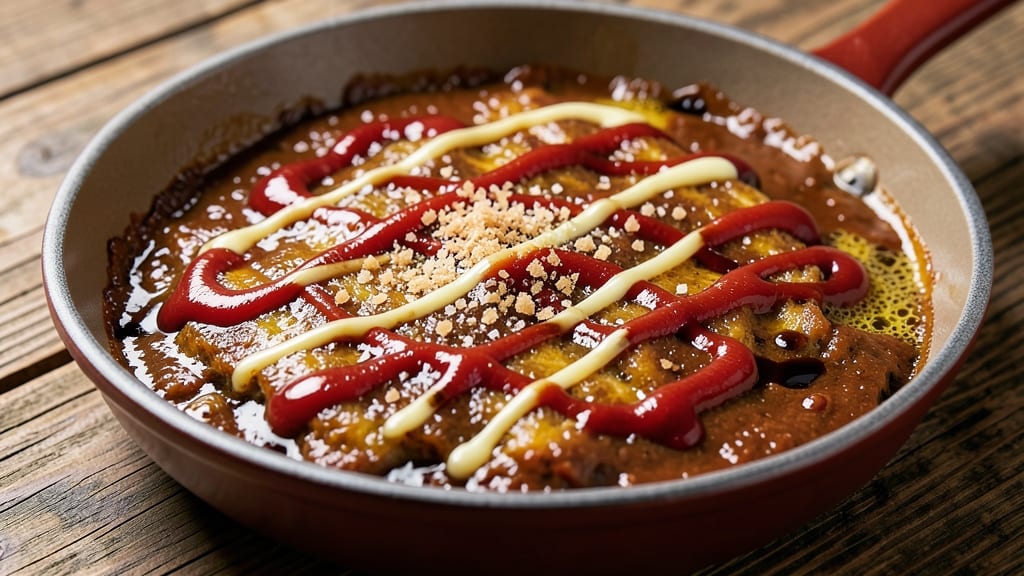
This meatloaf sauce recipe with apple cider vinegar transforms ordinary meatloaf into something extraordinary—tangy, glossy, and packed with depth that balances every rich bite. The apple cider vinegar is the secret weapon, cutting through the richness with its bright acidity while adding a subtle sweetness that enhances the savory flavors.
It’s the kind of sauce that elevates a classic dish from good to unforgettable, and it takes just 15 minutes to make.
The beauty of this sauce lies in its simplicity: a blend of apple cider vinegar, brown sugar, Worcestershire sauce, and a touch of ketchup creates a harmony of flavors that’s both bold and balanced.
The sauce caramelizes slightly as it simmers, developing a glossy finish that coats the meatloaf perfectly, ensuring every forkful is moist and flavorful. It’s a foolproof method that delivers restaurant-quality results without the fuss.
What makes this sauce truly versatile is its ability to complement not just meatloaf but also roasted meats, mashed potatoes, or even as a glaze for grilled vegetables. The tangy-sweet profile makes it adaptable to a variety of dishes, ensuring you’ll reach for it time and again.
Once you taste the difference, store-bought gravies won’t stand a chance.
With just 6 simple ingredients, this sauce is quick to prepare and even quicker to disappear. The key is letting it simmer until thickened, so the flavors meld beautifully and the texture is just right—neither too thin nor too heavy.
Whether you’re serving it alongside a classic meatloaf or using it to elevate another dish, this sauce is a game-changer for any meal.
Ingredients for meatloaf sauce recipe with apple cider vinegar
Six ingredients transform ordinary meatloaf into restaurant-quality masterpiece with tangy-sweet balance.
| Ingredient | Amount | Notes |
|---|---|---|
| Apple Cider Vinegar 🍎 | ½ cup | Raw, unfiltered preferred for depth |
| Light Brown Sugar 🍚 | ½ cup | Packed, not loosely measured |
| Worcestershire Sauce 🍶 | 2 tbsp | High-quality, anchovy-free if needed |
| Ketchup 🍅 | ¼ cup | Classic tomato-based preferred |
| Unsalted Butter 🧈 | 2 tbsp | Cold for proper emulsification |
| Diamond Crystal Kosher Salt 🧂 | ½ tsp | Adjust to taste after thickening |
| Freshly Ground Black Pepper 🌶️ | ¼ tsp | Cracked peppercorns preferred |
The apple cider vinegar is non-negotiable—Bragg Organic or Texas Pete deliver the bright acidity needed to cut through richness. Light brown sugar caramelizes beautifully during simmering, so don't substitute white sugar unless you want a less complex flavor. Worcestershire sauce should be Lea & Perrins for authentic umami depth, though Annie's anchovy-free version works for strict dietary needs. Ketchup quality varies wildly; Heinz or Hunts are reliable, but avoid 'natural' brands that lack sweetness consistency. Unsalted butter provides the glossy finish—Plugrá or Land O'Lakes work well, but avoid margarine substitutes that can separate during cooking. Diamond Crystal salt is crucial—it dissolves more cleanly than table salt, ensuring proper seasoning balance.
No apple cider vinegar? Balsamic vinegar works in a pinch, though the flavor profile shifts slightly. Coconut sugar can replace brown sugar for a less processed option, but reduce by 15% due to higher sweetness intensity. Worcestershire-free? Use soy sauce plus a dash of liquid smoke for umami depth. Ketchup substitute options include tomato paste thinned with water or homemade tomato sauce, though texture may vary. Butter alternatives like vegan butter (e.g., Miyoko's) work but may require extra emulsification time. Salt substitutes should be kosher salt only—avoid sea salt flakes that measure inconsistently. Pepper preference? Freshly cracked Tellicherry black pepper adds more complexity than pre-ground.
This sauce thickens as it simmers—don't rush it. For longer storage, cool completely before refrigerating in an airtight container where it keeps for up to 2 weeks. For freezing, portion into ice cube trays, then transfer to a bag for up to 3 months. Reheating tip: Warm gently over low heat with 1 tsp water to restore glossiness. Leftovers make excellent glaze for roasted vegetables or drizzled over grilled meats. Double batch if serving a crowd—it disappears faster than you'd expect.
Why You'll Love This Recipe
- Here’s what sold me: the apple cider vinegar isn’t just an afterthought. It brightens everything—cuts through the grease, makes the brown sugar sing. It’s the kind of flavor that makes you want to eat meatloaf twice in a week, no excuses.
- Pantry Magic: I swear by this sauce because it uses things I already have—no special shopping required. That tangy apple cider vinegar and Worcestershire cut through the richness of meatloaf like a knife, and honestly? The brown sugar caramelizes into something almost buttery.
- Weeknight Hero: Between us, this is the only meatloaf sauce I’ll make when I’m exhausted. Simmer it while the meatloaf bakes—no babysitting, no stress. The ketchup gives it that familiar sweetness, but the vinegar keeps it from tasting like a can of condensed tomato soup.
- Leftovers That Shine: This sauce doesn’t just disappear after one serving. I’ve reheated it for days, and it still tastes like it was made yesterday—especially when I drizzle a little extra butter on top. Perfect for turning last night’s meatloaf into tomorrow’s lunch, or even a quick sandwich spread.
Step-by-step instructions for tangy-sweet meatloaf glaze
This sauce balances richness with bright acidity—here's how to achieve perfect harmony.
Melt Butter and Deglaze the Pan
In a medium saucepan over medium heat, melt the 2 tbsp unsalted butter until it foams and subsides. Here's the thing—don't walk away. Butter burns in seconds, and you want that nutty aroma without bitterness. Once melted, add the 0.5 cup apple cider vinegar all at once and stir vigorously.
Watch as the vinegar sizzles and begins to reduce. This step creates the sauce's foundational tang, cutting through the meatloaf's richness. Let it simmer for 3-4 minutes until the liquid reduces by about half and the aroma becomes more concentrated. The color should shift from pale to a deeper amber hue.
Build the Sweet-Savory Base
Reduce heat to medium-low and add the 0.5 cup light brown sugar, stirring until completely dissolved. I like to use packed brown sugar here—it contains more moisture that will carry through the cooking process. Add the 0.25 cup ketchup and 2 tbsp Worcestershire sauce, stirring constantly to combine.
Let the mixture simmer for 5-6 minutes until it thickens slightly and coats the back of a spoon. You're looking for a consistency between syrup and glaze—thick enough to cling but still pourable. If it thickens too quickly, add 1-2 tablespoons water to maintain balance. The sauce should smell like a cross between caramel and tomato jam.
Season and Simmer to Perfection
Add the 0.5 tsp Diamond Crystal kosher salt and 0.25 tsp freshly ground black pepper, stirring well to distribute. Taste the sauce at this stage—you'll notice the vinegar's sharpness and the sugar's sweetness competing. This is intentional; the balance will resolve as it simmers further.
Continue simmering for another 4-5 minutes until the sauce reduces to about 1 cup total volume. It should coat a spoon thickly but still flow smoothly. The color should be a rich, glossy mahogany with visible sheen. If it's still too thin, simmer uncovered for another minute or two to evaporate excess moisture. The sauce should be glossy and syrupy, ready to glaze meatloaf beautifully.
Test and Adjust the Balance
Remove the sauce from heat and let it cool slightly for 2 minutes. Taste again—this is where you might need to adjust. If it's too sweet, add a splash more vinegar. If it's too sharp, add a pinch more sugar. Remember, the sauce will mellow slightly as it cools, so don't overcorrect.
For best results, use the sauce immediately while still warm. It's perfect for glazing meatloaf during the final 15 minutes of baking, brushing generously over the top. The heat will caramelize the sugars beautifully, creating that signature glossy finish. If storing, keep in an airtight container in the refrigerator for up to 1 week, reheating gently before use.
Pro Tips For Making Meatloaf Sauce Recipe With Apple Cider Vinegar
- Simmer Slow and Low: The apple cider vinegar is the star here—don’t rush it. After combining all ingredients, reduce heat to a gentle simmer and let it cook uncovered for 10-12 minutes. Skipping this step leaves the sauce thin and vinegary; patience gives it time to thicken and meld flavors.
- Deglaze First: That browned butter at the bottom of the pan? Don’t scrape it out—deglaze with a splash of apple cider vinegar first. It pulls up all the flavor stuck to the pan, giving your sauce an extra layer of richness without needing extra ingredients.
- Balance the Sweet: Light brown sugar is key, but too much turns this sauce cloying. Taste as you go, and if it’s leaning sweet, add a quick glug of Worcestershire or a pinch of salt to cut through. I learned this the hard way after serving a batch that tasted like dessert.
- Worcestershire First: Add Worcestershire sauce before the ketchup and vinegar. It needs a few minutes to bloom and deepen the umami flavor—otherwise, you’re just masking it. Stir it in, let it sit for 2 minutes, then proceed. The difference is subtle but noticeable.
Best sauces and condiments for these flavors
Classic Meatloaf Glaze
This is the sauce you'll reach for every time you make meatloaf—tangy apple cider vinegar cuts through the richness while brown sugar adds caramel depth. I like to use Heinz ketchup for its balanced sweetness and Lea & Perrins Worcestershire for that unmistakable umami punch.
The butter gives it that glossy finish that makes every bite irresistible. 🍴
BBQ-Inspired Twist
For a smoky variation, swap ½ cup ketchup for ½ cup BBQ sauce (I prefer Sweet Baby Ray's) and add 1 tsp smoked paprika. Simmer an extra 2-3 minutes to let the smoky flavors meld with the vinegar's brightness.
This version works amazingly as a glaze for pork chops or brisket.
Herb-Infused Variation
Brighten the sauce with 1 tbsp fresh rosemary (finely chopped) or 1 tsp dried thyme during the final 5 minutes of simmering. The herbal notes pair beautifully with the vinegar's acidity, making it perfect for herb-crusted meatloaf or as a drizzle over roasted vegetables. Just remove the herbs before serving!
Sweet Potato Adaptation
This sauce becomes a sweet potato glaze when reduced to ½ cup and brushed over roasted sweet potatoes in the final 10 minutes of cooking. The vinegar's tang balances the natural sweetness of the potatoes, and the caramelized sugar creates a stunning mahogany crust.
Add ½ tsp cinnamon for extra warmth.
Spicy Kick Option
For heat lovers, stir in ½ tsp cayenne pepper or 1 tsp hot sauce (like Cholula) during the last 3 minutes of simmering. The vinegar's acidity helps distribute the heat evenly, making it perfect for spicy meatloaf or as a zesty dipping sauce for fries.
Adjust to taste—this sauce gets spicier as it cools!
Storage and Reuse
This sauce keeps beautifully in the fridge for up to 2 weeks in an airtight container. For longer storage, freeze in ice cube trays, then transfer to a bag for up to 3 months.
Reheat gently with 1 tsp water to restore its glossy texture. I often double the batch—it disappears fast when serving with mashed potatoes or roasted Brussels sprouts! 💫
Nutrition facts
Frequently asked questions
Can I substitute apple cider vinegar in this sauce?
Yes, but the flavor will change. For a similar tang, try balsamic vinegar (use ¼ cup less since it's thicker) or white wine vinegar (add ½ tsp sugar to balance acidity). Avoid apple juice—it lacks the necessary acidity to cut through the richness. The vinegar's brightness is key to balancing the sweetness and umami in this sauce.
Why does my sauce get too thick too quickly?
This happens when simmering too aggressively or using too much brown sugar. Reduce heat to low and add 1-2 tablespoons water to thin it out. For future batches, stir more frequently and keep heat at medium-low. The sugar caramelizes faster than you might expect—simmering gently gives you better control over the texture.
How much sauce should I make for a standard meatloaf?
This recipe makes about 1 cup of sauce, which is perfect for glazing a 2-pound meatloaf. For extra coverage, double the recipe. The sauce also works beautifully as a dipping sauce for fries or a drizzle for roasted vegetables—plan for ¼ cup per side dish serving. Leftovers keep well for future meals!
Can I make this sauce ahead of time?
This sauce actually tastes better the next day as the flavors meld. Store in an airtight container in the fridge for up to 2 weeks. Reheat gently over low heat with 1 tsp water to restore its glossy texture. For longer storage, freeze in ice cube trays—thaw overnight in the fridge before reheating.
What's the best way to use this sauce with meatloaf?
Apply the sauce during the final 15 minutes of baking, brushing generously over the top. The heat will caramelize the sugars beautifully, creating that signature glossy finish. For extra shine, broil for 2-3 minutes at the very end. This sauce also works as a pan sauce—simmer it in the meatloaf drippings after removing the meat for a rich, flavorful accompaniment.