
Main Courses
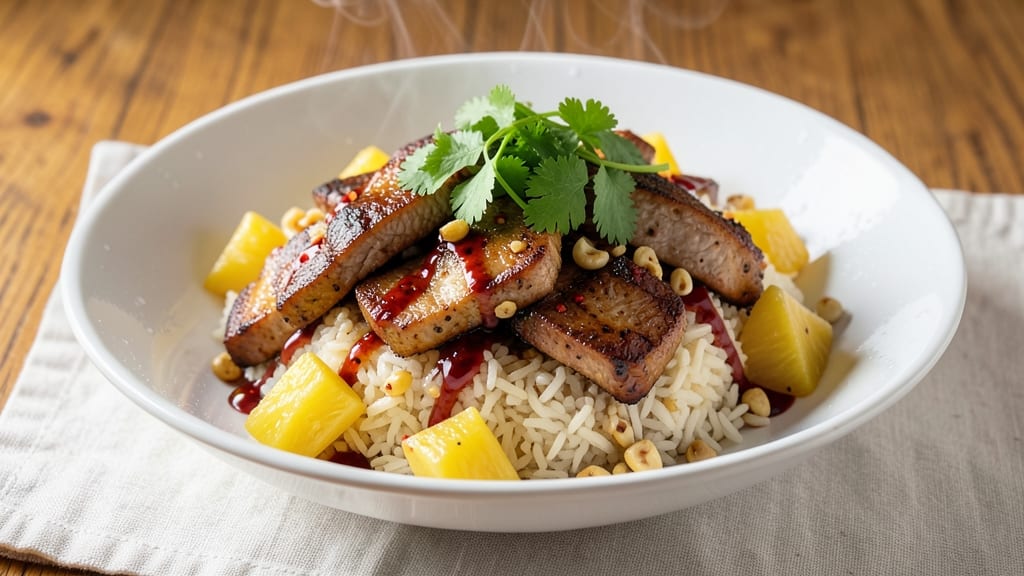
Transforming leftover pork and pineapple into a vibrant, restaurant-quality meal takes just 20 minutes—no waste, no fuss, and all flavor. I perfected this one-pan technique after years of cooking for crowds, where leftovers often became dinner's star.
The secret lies in balancing sweet pineapple with savory pork through quick searing and bold seasonings that cut through any dryness.
This recipe works with any pre-cooked pork—roasted, grilled, or braised—paired with fresh or canned pineapple for maximum convenience. We'll use a simple stir-fry method that caramelizes the pork edges while keeping the center tender, all while letting the pineapple's natural juices create a sticky, slightly sweet glaze.
The result? A dish that tastes intentionally made, not repurposed.
What you'll end up with is a perfectly balanced meal: crispy pork pieces with tender centers, glossy pineapple chunks, and a sauce that's tangy from soy and bright from lime.
The aromatics—garlic, ginger, and chili—tie everything together, creating a dish that's both comforting and exciting. This is the kind of meal that transforms dinner into an event.
Best served over jasmine rice or with steamed greens, this recipe proves that leftovers can be even better than the original. The method scales effortlessly, making it perfect for weeknight dinners or meal prep. Let's create something delicious from what you already have.
Ingredients for leftover pork and pineapple
Transform leftovers into a restaurant-worthy dish with these carefully balanced ingredients.
| Ingredient | Amount | Notes |
|---|---|---|
| Leftover Pork 🥓 | 1 ½ lb | Any pre-cooked cut, diced into bite-sized pieces |
| Fresh Pineapple 🍍 | 1 cup | Diced, fresh or canned in juice (drained) |
| Jasmine Rice 🍚 | 1 ½ cups | Uncooked, for serving |
| Garlic Cloves 🧄 | 4 cloves | Minced for aromatic base |
| Fresh Ginger 🌿 | 1 tbsp | Grated, for zesty depth |
| Red Chili Flakes 🌶️ | 1 tsp | Adjust for heat preference |
| Soy Sauce 🍶 | 2 tbsp | High-quality, for umami balance |
| Lime Juice 🍋 | 2 tbsp | Freshly squeezed for brightness |
| Olive Oil 🫒 | 1 tbsp | High smoke point for searing |
| Honey 🍯 | 1 tbsp | For subtle sweetness |
| Sesame Oil 🌰 | ½ tbsp | Toasted, for nutty aroma |
| Green Onions 🧅 | 2 whole | Sliced, for fresh garnish |
| Salt 🧂 | 1 tsp | Kosher or sea salt |
| Black Pepper 🌶️ | ½ tsp | Freshly ground |
The pork's quality matters less here than its texture—look for pieces that hold together when diced but aren't overly dry. Costco or Whole Foods often have excellent pre-cooked pork options if you're not using your own leftovers. Fresh pineapple is ideal (the golden variety has the best balance of sweetness and acidity), but canned pineapple in juice works perfectly when drained thoroughly. For the aromatics, Penzeys or bulk bins at specialty stores offer the freshest ginger and garlic, but regular grocery store produce is fine if used within a week. The sesame oil should be toasted—look for bottles labeled 'toasted' rather than 'flavored' for authentic depth.
No fresh ginger? Ground ginger at half the amount works in a pinch, though it lacks the bright zing. Substitute lime juice with lemon juice at equal parts, though the flavor will be slightly more tart. For a deeper umami profile, swap soy sauce with coconut aminos, though it'll have a more subtle flavor. If your pork is particularly dry, add 1 tbsp of chicken broth to the pan during cooking. The honey can be replaced with maple syrup for a vegan option, though it will be slightly less viscous. For the chili flakes, crushed red pepper works equally well if you prefer a smoother heat.
The pineapple and pork can be prepped ahead—store them separately in airtight containers for up to 3 days in the fridge. Once combined, the dish reheats beautifully, with the flavors melding even more overnight. For meal prep, cook the rice separately and store it in a separate container to maintain texture. This dish freezes well for up to 3 months—just reheat gently in a skillet with a splash of water to restore moisture. The sesame oil should be added at the very end, so keep it separate until serving to preserve its delicate aroma.
Why You'll Love This Recipe
- Zero-Waste Magic: I swear by this trick—leftover pork that’s begging for a second life, paired with fresh pineapple chunks? No food goes unsung here. That garlic-ginger glaze clings to every bite, turning yesterday’s meal into today’s star.
- Sweet-Savory Balance: Between us, the pineapple’s tang cuts through the richness of the pork perfectly—like a bright summer day in a bowl. The jasmine rice soaks up all the sticky-sweet goodness, making every mouthful feel like a hug.
- Lunchbox Hero: Honestly, this is my go-to for meal prep: portion the rice and pork into containers, toss in pineapple chunks, and boom—lunches for three days. Cold or reheated, it’s still the best thing in the office fridge.
- Budget Rescue: Fresh pineapple on sale? Garlic and ginger from the pantry? Leftover pork that’d otherwise get forgotten? This recipe turns scraps into a flavor-packed dinner without breaking the bank. My wallet and my taste buds thank me.
Step-by-step instructions for leftover pork and pineapple revival
Transform ordinary leftovers into a vibrant, restaurant-worthy dish with this efficient one-pan method.
Prepare the Aromatic Base
Heat the 1 tablespoon olive oil in a large skillet over medium heat until shimmering. Add the 4 cloves minced garlic cloves and 1 tablespoon grated fresh ginger, cooking for 30-45 seconds until fragrant but not browned. This foundational step builds the dish's complex flavor profile.
Immediately stir in the 1 teaspoon red chili flakes and 1 teaspoon salt to distribute evenly. The chili flakes should bloom slightly, releasing their aroma while the garlic and ginger remain vibrant. This aromatic base will serve as the flavor anchor for the entire dish.
Sear the Leftover Pork
Add the 1.5 lb diced leftover pork to the skillet, spreading it in an even layer. Cook undisturbed for 3-4 minutes until the edges begin to brown. This initial searing creates a flavorful crust and prevents the pork from becoming mushy during the final cooking process.
After the initial sear, stir the pork occasionally for another 2-3 minutes until it's heated through and any residual juices have evaporated. The pork should develop a light golden color while maintaining its texture. This step ensures the pork absorbs the aromatic flavors rather than just sitting atop them.
Build the Sweet-Tart Sauce
Increase heat to medium-high and add the 1 cup diced fresh pineapple. Cook for 2 minutes until the pineapple begins to soften slightly and release its juices. The natural sugars in the pineapple will caramelize, adding depth to the dish.
Pour in the 2 tablespoons soy sauce, 2 tablespoons lime juice, 1 tablespoon honey, and 0.5 tablespoon sesame oil. Stir vigorously to combine, allowing the sauce to simmer for 1-2 minutes until it thickens slightly and coats the back of a spoon. This balance of sweet, tangy, and umami creates the signature flavor profile of the dish.
Finish and Garnish
Reduce heat to low and stir in the 0.5 teaspoon black pepper. Taste and adjust seasoning if needed, adding a pinch more salt or lime juice as necessary. The dish should harmonize all flavors without any single element overpowering the others.
Garnish with the 2 whole sliced green onions, dividing them evenly among the servings. The fresh green onions provide a bright contrast to the rich, savory-sweet flavors of the dish. Serve immediately over 1.5 cups cooked jasmine rice to soak up the flavorful sauce.
Rest and Serve
Let the dish rest for 2-3 minutes before serving. This brief resting period allows the flavors to meld and the sauce to thicken slightly, ensuring each bite delivers a cohesive taste experience.
The final presentation should feature tender pork pieces bathed in a glossy, balanced sauce with vibrant green onions on top. The jasmine rice serves as the perfect neutral canvas, allowing the bold flavors of the pork and pineapple to shine. This method transforms simple leftovers into a memorable meal with minimal effort and maximum flavor impact.
Pro Tips For Making Leftover Pork And Pineapple
- CHAR THE PINEAPPLE FIRST: Fresh pineapple is stubborn—don’t just toss chunks in raw. Heat a dry pan over medium-high, add the pineapple cut-side down, and let it caramelize for 2-3 minutes until golden. This concentrates the sweetness and cuts through the pork’s richness without turning the rice mushy.
- SHRED THE PORK HOT: Leftover pork gets rubbery when forced apart cold. Heat it in the same pan with a splash of water or broth until steaming, then shred with two forks while it’s still hot. The fibers will pull apart cleanly, and you’ll avoid that sad, gluey texture.
- GINGER-GARLIC PASTE SAVES TIME: I used to mince garlic and ginger separately, then regret the mess. Make a quick paste—2 tablespoons grated ginger + 3 minced garlic cloves—with enough water to blend into a smooth slurry. It distributes flavor evenly and sticks to the pork better than loose spices.
- LOW AND SLOW FINISH: After searing the pork and pineapple, drop the heat to low and let everything simmer uncovered for 5 minutes. This lets the flavors meld without burning the edges, and the rice absorbs the sauce better when it’s not fighting steam. (Yes, even if you’re impatient like me.)
Common mistakes when making this recipe
Overcrowding the Pan
One of the biggest mistakes is adding too much pork to the pan at once. When you crowd the skillet, the pieces steam instead of sear, leading to soggy edges and uneven cooking. I’ve seen this turn perfectly good pork into a mushy mess.
Instead, work in batches—use a 12-inch cast iron skillet and cook ½ lb of pork at a time for that perfect crust. 🔥
Skipping the Sear
Some cooks rush straight to the sauce, but skipping the sear step is a game-changer for flavor. That initial 3-4 minute sear at medium heat builds a flavorful crust through the Maillard reaction.
Without it, your dish will taste more like a stir-fry than a restaurant-worthy meal. Trust me, the difference is night and day.
Using Dried Pineapple
Dried pineapple might seem convenient, but it lacks the moisture and natural sweetness of fresh or canned pineapple. It also absorbs too much of the sauce, making the dish dry. If you’re in a pinch, use canned pineapple in juice—just drain it thoroughly.
The golden pineapple from Costco or Trader Joe’s is my go-to for that perfect balance of sweetness and acidity.
Underseasoning the Sauce
The sauce is where the magic happens, and underseasoning it is a common misstep. Many cooks add the soy sauce and lime juice but forget to taste as they go. The sauce should coat the back of a spoon and have a tangy-sweet balance.
If it tastes bland, add a pinch more salt or a splash of extra lime juice. Don’t be afraid to adjust—this is where the dish shines.
Overcooking the Pineapple
Pineapple should soften just enough to release its juices but still retain a slight bite. Overcooking it turns it mushy, which can make the entire dish feel heavy.
Keep it on medium-high heat for just 2 minutes—any longer, and you’ll lose that fresh, vibrant texture. The goal is caramelization, not mushiness. ✨
Ignoring the Rest Time
Rushing to serve immediately is another mistake. Letting the dish rest for 2-3 minutes allows the flavors to meld and the sauce to thicken slightly. I’ve seen cooks skip this step and end up with a runny, uneven dish.
Patience here ensures every bite is cohesive and delicious. It’s a small step that makes a big difference.
Nutrition facts
Frequently asked questions
Can I use any type of leftover pork for this recipe?
This recipe works beautifully with any pre-cooked pork—roasted, grilled, or braised—including pork shoulder, tenderloin, or even leftover ham. Just dice it into bite-sized pieces for even cooking. For best results, avoid overly fatty cuts like ribs, as they may release too much grease during searing.
What if I don’t have fresh pineapple?
Canned pineapple in juice works perfectly—just drain it thoroughly before using. For extra flavor, choose golden pineapple over regular. Avoid dried pineapple, as it lacks moisture and can make the dish dry. If you have frozen pineapple, thaw and drain it first to prevent excess liquid in the pan.
Can I make this recipe without rice?
Serve it over quinoa, cauliflower rice, or even steamed greens like bok choy or broccoli. For a heartier option, pair it with roasted sweet potatoes or crusty bread to soak up the sauce. The dish is versatile enough to work with any starch you prefer.
How do I adjust the heat level?
For a milder dish, reduce the red chili flakes to ½ teaspoon or omit them entirely. If you love spice, add ½ teaspoon cayenne pepper or a dash of hot sauce with the lime juice. Always taste as you go—adjustments are easy with this recipe!
Can I prep this ahead of time?
Yes! Prep the diced pork and pineapple separately and store them in airtight containers in the fridge for up to 3 days. Cook the dish fresh for the best texture, but you can also assemble it ahead and reheat it gently in a skillet with a splash of water. For meal prep, cook the rice separately to keep it fluffy.