
Sauces & Condiments
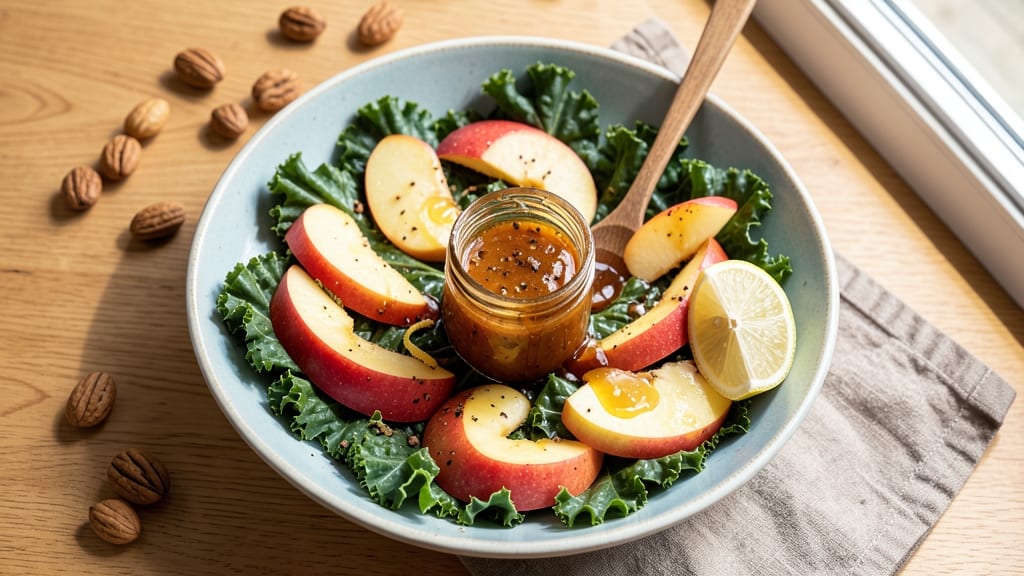
This bright green kale apple salad dressing transforms simple greens into a vibrant, tangy vinaigrette that's impossible to resist. 💚 The secret lies in blending tender kale with sharp apple cider vinegar and a touch of maple syrup, creating a dressing that's both sophisticated and effortlessly balanced.
I developed this recipe after realizing how often store-bought dressings fell flat against fresh salads—this version sticks to the ingredients and delivers restaurant-quality flavor at home.
The beauty of this dressing is its versatility—it works equally well on crisp winter salads, hearty grain bowls, or even as a marinade for grilled vegetables. The kale adds earthy depth while the apple cider vinegar brings a bright, tangy kick that cuts through rich ingredients.
What makes it special is the no-blender approach, using a simple immersion blender or food processor to create a silky texture without overpowering the natural flavors. Plus, it comes together in just 10 minutes, making it perfect for busy weeknights.
What you'll end up with is a luminous green dressing that's tangy, slightly sweet, and packed with fresh flavor—no artificial colors or preservatives needed. The texture is velvety yet light, clinging perfectly to greens and vegetables without weighing them down.
It's the kind of dressing that makes even the simplest salad feel like a gourmet creation, and it keeps beautifully in the fridge for up to 5 days, so you can make a big batch and use it all week.
Pair it with roasted beets, butternut squash, or mixed greens for an instant flavor upgrade, or drizzle it over grilled chicken or tofu for added brightness.
The balance of sweet, tart, and herbal notes makes this dressing uniquely addictive—once you try it, you'll never go back to store-bought. Let's make it!
Ingredients for kale apple salad dressing
Nine simple ingredients transform into a vibrant, restaurant-quality dressing that's impossible to resist.
| Ingredient | Amount | Notes |
|---|---|---|
| Fresh Kale Leaves 🌿 | 2 cups | Stems removed, roughly chopped |
| Apple Cider Vinegar 🍎 | ½ cup | Raw, unfiltered preferred |
| Extra-Virgin Olive Oil 🫒 | ½ cup | Light, fruity variety |
| Pure Maple Syrup 🍁 | 2 tbsp | Grade B for depth of flavor |
| Fresh Lemon Juice 🍋 | 2 tbsp | Strained for smooth texture |
| Garlic Cloves 🧄 | 2 cloves | Peeled, roughly chopped |
| Diamond Crystal Kosher Salt 🧂 | ½ tsp | Fine grain preferred |
| Ground Black Pepper 🌶️ | ¼ tsp | Freshly cracked |
| Fresh Ginger Root 🌿 | 1 tbsp | Grated, peeled |
| Water 💧 | ¼ cup | Room temperature |
The kale is the star here—organic baby kale from the grocery store's produce section works best, but any variety will do. Look for leaves that are deep green and crisp, not wilted or yellowing. Trader Joe's and Whole Foods carry the freshest options, but even the regular supermarket produce aisle will have decent quality. For the apple cider vinegar, raw, unfiltered brands like Bragg's add subtle complexity, but any good-quality vinegar will work. The maple syrup should be Grade B for that rich, caramel-like depth—avoid the lighter Grade A if you want authentic flavor. Fresh ginger is non-negotiable here; the pre-grated kind loses its punch fast.
No fresh kale? Spinach or Swiss chard in equal amounts keeps the dressing vibrant. Short on maple syrup? Agave nectar or date syrup works 1:1, but maple's unique flavor is worth hunting down. The garlic can be roasted for a sweeter note—just wrap the whole cloves in foil and bake at 400°F for 15 minutes. No immersion blender? A food processor or high-speed blender works just as well, but pulse briefly to avoid over-processing. If you prefer a thinner dressing, add 1-2 tbsp more water at the end. For extra tang, boost the lemon juice to 3 tbsp.
This dressing keeps beautifully in an airtight jar for 5-7 days in the fridge—shake well before each use. For longer storage, freeze in 1-tbsp portions (they thaw perfectly in the fridge). The texture thickens when chilled, so always stir before using. I like to make a double batch and keep one jar in the fridge, another in the freezer—no more last-minute store-bought disappointments. The dressing works on everything from crisp winter salads to grilled veggies, but my favorite? Drizzled over roasted beets with a sprinkle of toasted walnuts. Trust me, it's a game-changer.
Why You'll Love This Recipe
- No-Chop Necessary: I swear by this one—just tear those kale leaves right into the blender. No knives, no mess, and the texture still comes out silky smooth when blended with the apple cider vinegar and olive oil. Honestly, it’s the kind of recipe that makes me actually want to cook on a Tuesday.
- Sweet-Tart Magic: That maple syrup and lemon juice combo is where it gets interesting—they cut through the kale’s earthiness while keeping it bright, not cloying. A drizzle over roasted chicken or a grain bowl? Instant flavor upgrade without trying too hard.
- Dresses Up Everything: Between us, this dressing works on everything. Toss it with massaged kale salads, drizzle it over grilled fish, or even use it as a marinade for tofu. I’ve even poured it over popcorn for a savory-sweet snack—yes, really.
- Makes Leftovers Shine: The best part? It keeps for a week in the fridge, and the flavors actually deepen. No sad, wilted greens here—just a jar of golden goodness ready to transform whatever’s in your fridge. Budget-friendly, too, since you’re using pantry staples.
Step-by-step instructions for kale apple salad dressing
This vibrant vinaigrette transforms simple greens into a sophisticated dish with just a few minutes of prep.
👨🍳 Step 1: Blend the Base Ingredients
Start by combining the 2 cups fresh kale leaves with the 0.25 cup room temperature water in a high-speed blender. The water helps break down the kale fibers for a silky texture. Blend until completely smooth—you're aiming for a bright green puree with no visible chunks. This step is crucial because the kale forms the dressing's rich color and earthy depth.
While the blender runs, add the 2 cloves peeled garlic and 1 tbsp grated fresh ginger root. These aromatics will infuse the dressing with layers of flavor. Pulse briefly to incorporate them fully, then add the 0.5 cup apple cider vinegar and 2 tbsp fresh lemon juice. The acidity from these ingredients will help emulsify the dressing later. Blend again until everything is fully combined and smooth.
🍳 Step 2: Emulsify with Olive Oil and Sweeteners
With the blender still running on low speed, slowly drizzle in the 0.5 cup extra-virgin olive oil. This gradual addition is key—it prevents the dressing from separating. Watch closely as the mixture begins to thicken and take on a creamy consistency. The olive oil provides that luxurious mouthfeel while balancing the dressing's acidity.
Next, add the 2 tbsp pure maple syrup and blend for another 10-15 seconds until fully incorporated. The maple syrup enhances the dressing's complexity with subtle caramel notes. Taste and adjust seasoning with the 0.5 tsp Diamond Crystal kosher salt and 0.25 tsp freshly cracked black pepper. The dressing should be tangy, slightly sweet, and well-balanced—like a sophisticated green apple cider.
⏰ Step 3: Rest and Adjust Consistency
Transfer the dressing to a clean jar and let it rest for 10 minutes at room temperature. This resting period allows all the flavors to meld together. During this time, check the consistency—if it's too thick, add 1-2 tablespoons of water to loosen it. If it's too thin, you can reduce it slightly by simmering gently on the stove for 2-3 minutes (though this is rarely necessary with our precise measurements).
Give it a final taste before serving. The dressing should coat the back of a spoon and have a velvety texture. If you're using it immediately, give it a quick stir to re-emulsify. For best results, store any leftovers in the refrigerator for up to 5 days, shaking well before each use. This dressing elevates simple salads to gourmet status with its vibrant color and complex flavor profile.
Pro Tips For Making Kale Apple Salad Dressing
- STORE THE KALE WRONG: Kale bruises faster than you’d think—especially the thick stems. Wrap the bunch in a dry towel, then place it in a plastic bag with a paper towel tucked inside. This keeps it crisp for days, not just overnight. (Yes, even if you’re making dressing tomorrow.)
- WHISK COLD OIL: Add the olive oil last and whisk it in ice-cold—literally, straight from the fridge. Cold oil emulsifies better with the vinegar and lemon, so your dressing stays silky, not split. I learned this after watching my first batch separate like a sad mayonnaise.
- MEASURE THE MAPLE SYRUP: Use a kitchen scale for the maple syrup—1 tablespoon isn’t always 1 tablespoon. Real syrup is thicker than pancake syrup, and eyeballing it can make your dressing cloyingly sweet. Weigh it out (about 18 grams per tablespoon) for consistency every time.
- SAVE THE STALKS: Don’t toss the kale stems! Roughly chop them and add them to the dressing blend—they’re packed with flavor and fiber. Just pulse them in the food processor for 2 seconds first to soften them up. (Your salad will thank you.)
Creative variations of kale apple salad dressing
Sweet Heat Twist
Add 1 tsp chili flakes or ½ tsp cayenne pepper to the dressing for a sweet-spicy kick that pairs perfectly with roasted sweet potatoes or grilled chicken.
I discovered this version after my neighbor brought over a batch of spicy apple cider—it transformed our salads into something totally unexpected. 🌶️ For a milder heat, try ½ tsp smoked paprika instead.
Citrus Zest Boost
Brighten the dressing with 1 tbsp orange zest (from a blood orange for extra depth) or 1 tbsp lime juice to complement tropical salads. I love this variation when serving with mango, avocado, and black beans—it feels like a vacation in a bowl.
The citrus cuts through the kale's earthiness beautifully and adds a refreshing lift.
Nutty Crunch Add-Ins
For texture contrast, stir in 1 tbsp toasted walnuts or pecans right before serving. I pulse these nuts in the food processor first to create a fine crumble that distributes evenly.
This works especially well with beet salads or winter greens. For extra richness, add ½ tsp vanilla extract to the dressing—it pairs surprisingly well with the apple and nuts.
Herbal Infusions
Incorporate 1 tbsp fresh dill or tarragon for a bright herbal note that elevates seafood salads or grain bowls. I often use this variation when serving with grilled shrimp or white fish.
For a more robust flavor, add 1 tsp fresh thyme leaves along with the garlic. These herbs add complexity without overpowering the dressing's natural sweetness.
Savory Umami Depth
Add 1 tsp soy sauce or tamari for an umami boost that makes this dressing perfect for Asian-inspired salads. I discovered this version when making a quick slaw with shredded cabbage and carrot—it gave the dressing a whole new dimension.
For extra depth, add ½ tsp miso paste along with the maple syrup. This works beautifully with roasted Brussels sprouts or edamame salads.
Seasonal Fruit Swaps
In summer, swap the apple cider vinegar for peach or pear nectar (about ¼ cup) and add 1 tbsp honey instead of maple syrup for a lighter, fruitier dressing.
In fall, use cranberry juice (about ¼ cup) to create a tart, vibrant dressing that pairs perfectly with holiday greens. I make this version every Thanksgiving—it's a crowd-pleaser that feels festive without being overly sweet.
Nutrition facts
Frequently asked questions about kale apple salad dressing
Can I use frozen kale instead of fresh?
Fresh kale gives the best vibrant color and texture, but you can use frozen in a pinch. Thaw and drain it thoroughly first, then squeeze out excess water with a clean towel. The dressing will still taste great, though it may be slightly less bright green. For best results, use 1 cup frozen kale per 2 cups fresh in the recipe.
How do I adjust the dressing if it separates?
Separation usually happens when oil and vinegar aren't properly emulsified. Stir vigorously to recombine, then add 1 tsp Dijon mustard or ½ tsp xanthan gum to help stabilize it. For a quick fix, blend again with 1 tbsp water to re-emulsify. Always store in an airtight container to prevent future separation.
What's the best way to store leftovers?
Keep your dressing in a clean, airtight jar in the fridge for up to 5 days. Give it a good shake before each use since it may thicken when chilled. For longer storage, freeze in 1-tbsp portions—they thaw perfectly in the fridge. The texture will be slightly thicker after freezing, so add 1 tsp water per tablespoon when reheating.
Can I make this dressing without a blender?
Yes! Use a food processor or even a mortar and pestle for small batches. For the best texture, finely chop the kale and garlic, then mix everything together in a bowl. Use a whisk to combine the oil gradually while stirring constantly. The result will be chunkier but still delicious—perfect for rustic salads!
What salads pair best with this dressing?
This dressing shines with roasted beets, butternut squash, or winter greens, but it works on almost anything! Try it with grilled chicken, quinoa bowls, or even crudité platters. The apple-kale combo also makes it perfect for holiday salads with pomegranate seeds or candied pecans.