
Sauces & Condiments
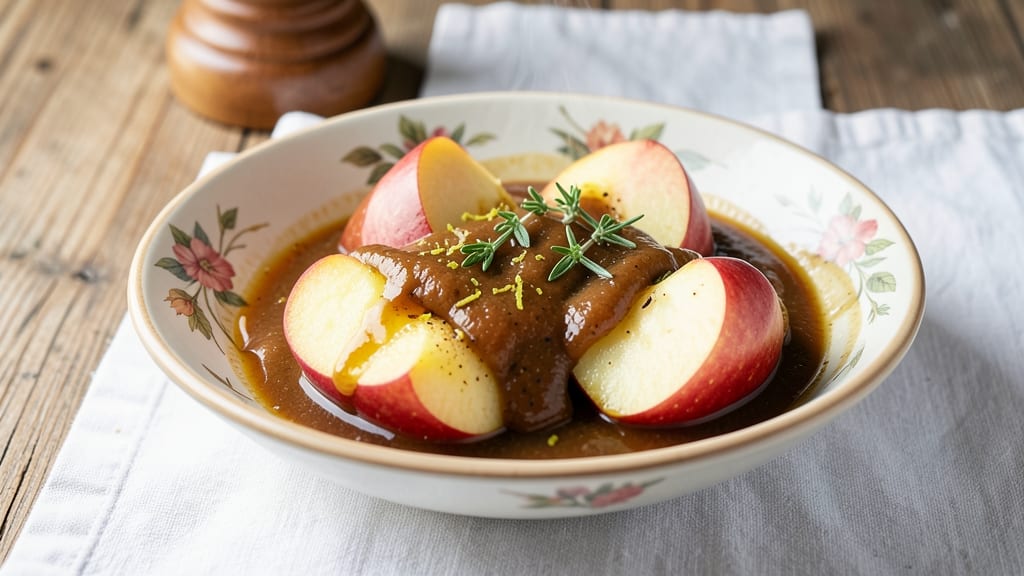
Jeff Mauro's apple sauce recipe transforms simple apples into a velvety, aromatic condiment that elevates everything from toast to roasted meats. The slow-simmered method develops deep caramel notes and a natural sweetness that store-bought versions can't match.
What makes this sauce special is the balance of texture—smooth yet slightly rustic—and the way spices like cinnamon and nutmeg infuse the apples during cooking.
This recipe starts with just five core ingredients: apples, apple cider, a touch of sweetener, and warming spices, all simmered until tender and reduced to a rich consistency. The process is straightforward but requires patience—about 45 minutes of hands-off cooking time—to develop that signature depth of flavor.
No peeling or coring required, making it accessible for home cooks of all skill levels.
What you'll end up with is a versatile sauce that works as a breakfast spread, dessert topping, or meat glaze, all while being naturally sweetened and free from artificial additives.
The slow cooking caramelizes the apples, creating a complex sweetness that pairs beautifully with savory dishes or complements vanilla ice cream. It keeps well in the refrigerator for up to two weeks, making it perfect for meal prep.
For variations, consider adding a splash of lemon juice for brightness or a pinch of cardamom for an exotic twist. The sauce can also be thickened into a chunky texture by mashing the apples slightly before simmering.
Whether you're using it as a condiment or a cooking ingredient, this apple sauce delivers restaurant-quality results with minimal effort.
Ingredients for jeff mauro apple sauce
Five simple ingredients crafting restaurant-quality apple sauce with deep caramel sweetness and warming spices.
| Ingredient | Amount | Notes |
|---|---|---|
| Honeycrisp Apples 🍎 | 4 medium | Cored and quartered, skins on |
| Apple Cider 🍏 | 1 ½ cups | Unfiltered for depth of flavor |
| Granulated Sugar 🍚 | ¼ cup | Light brown preferred for caramel notes |
| Ground Cinnamon 🌿 | 1 ½ tsp | Freshly ground for maximum aroma |
| Ground Nutmeg 🌿 | ½ tsp | Finely ground for subtle warmth |
| Fresh Lemon Juice 🍋 | 1 tbsp | Brightens final flavor balance |
| Unsalted Butter 🧈 | 1 tbsp | Cold cubes for glossy finish |
The Honeycrisp apples are non-negotiable here—their crisp texture and natural sweetness create that signature velvety yet rustic texture. Local orchards or specialty stores often carry them, but most grocery chains stock them in fall. Look for apples that are firm but yield slightly to pressure; they should be vibrant red with yellow highlights. Avoid any with bruises or soft spots, as they'll break down unevenly during cooking. If you can't find Honeycrisp, Gala or Fuji work well as substitutes, though the texture will be slightly less complex.
Apple cider should be unfiltered and unsweetened for maximum depth of flavor—Woodchuck or Angry Orchard are reliable brands, but any quality cider will work. The light brown sugar adds caramel notes without overpowering the apples' natural sweetness, but maple syrup or agave can substitute at a 1:1 ratio if you prefer. Freshly ground spices make all the difference: Penzeys or local spice shops carry premium ground cinnamon and nutmeg, but the grocery store versions are fine if they're recent. The lemon juice is optional but recommended—it brightens the finished sauce and balances the richness, especially if your apples are particularly tart.
Store the sauce in an airtight glass jar in the refrigerator for up to two weeks. The flavor actually improves over time as the spices infuse further. For longer storage, freeze in ice cube trays—each cube makes a perfect single-serving portion for toast or pancakes. The butter cubes should be added at the very end to maintain their shape and create that glossy finish. This sauce reheats beautifully on the stovetop or in the microwave, though I prefer the stovetop method for a smoother texture—just warm gently over low heat, stirring occasionally.
Why You'll Love This Recipe
- No Peel Required: Honestly, I love that Honeycrisp apples handle the heat so well—no peeling, no fuss. Just core, slice, and toss them in the pot with apple cider, and let the sauce do its magic while you sip your coffee.
- Spiced Perfection: That nutmeg-cinnamon combo? It’s like autumn in a jar. The apples caramelize just enough to balance the sweetness, and the cider adds this bright, tangy depth that makes it way more interesting than store-bought.
- Weeknight Workhorse: Between us, this is my go-to for busy nights—pairs with pancakes, swirls into yogurt, even drizzles over toast. And because it’s just five ingredients, I never overthink it.
- Fridge Goldmine: I make a big batch on Sundays, and it lasts all week. The texture stays silky, not watery, and the flavor only gets better as the spices meld. Plus, it’s cheaper than buying jars, and I control the sweetness.
Step-by-step instructions for slow-simmered apple sauce
This method transforms Honeycrisp apples into velvety, spice-infused sauce with perfect balance.
Prepare the Apples and Initial Simmer
In a large, heavy-bottomed pot, combine the 4 medium cored and quartered Honeycrisp Apples with the 1.5 cups unfiltered apple cider. The skins-on approach adds subtle depth, but you can peel them if you prefer a smoother texture. Bring the mixture to a boil over medium-high heat, then immediately reduce to medium-low heat. This initial boil helps break down the apple fibers for a smoother final product.
Let the apples simmer uncovered for 15 minutes, stirring occasionally. You'll notice the apples begin to soften and release their juices. The cider will reduce slightly, intensifying the apple flavor. Keep the heat steady—too high will cause the apples to cook unevenly, while too low will prolong the process unnecessarily.
Add Sweetness and Spices
After the initial simmer, stir in the 0.25 cup light brown granulated sugar and 1.5 teaspoons freshly ground cinnamon. The brown sugar's caramel notes complement the Honeycrisp's natural sweetness, while the cinnamon begins to infuse its warm aroma. Add the 0.5 teaspoon finely ground nutmeg next—this subtle spice adds complexity without overpowering. Stir well to distribute the spices evenly throughout the mixture.
Continue simmering for another 10 minutes, stirring every few minutes to prevent sticking. You'll see the apples break down further and the sauce begin to thicken slightly. The spices will release their aromatic oils, creating a fragrant kitchen experience. Keep the pot uncovered to allow any excess moisture to evaporate, which helps achieve the perfect consistency.
Finish with Acid and Fat
Once the apples are tender and the sauce has thickened to your desired consistency, remove the pot from heat. Stir in the 1 tablespoon fresh lemon juice and 1 tablespoon cold unsalted butter cubes. The acidity of the lemon juice brightens the flavors, cutting through the sweetness, while the butter adds a silky texture and glossy finish. Let the mixture sit off heat for 2-3 minutes to allow the butter to melt completely and the flavors to meld.
Use an immersion blender to puree the sauce until smooth, or press it through a fine-mesh sieve for a chunkier texture. The choice depends on your preference—smooth for elegant presentations, slightly textured for rustic appeal. Taste and adjust the sweetness or spice level if needed, adding a pinch more cinnamon or sugar as necessary.
Pro Tips For Making Jeff Mauro Apple Sauce
- PEEL THOSE APPLES: Honeycrisp skin stays tough even when cooked—it’ll make your sauce grainy and unappealing. Grab a vegetable peeler and strip off the skin before dicing, or use a paring knife if you’re feeling fancy. (Yes, it’s extra work, but the texture difference is night and day.)
- STIR THE CIDER IN: Don’t dump the apple cider all at once—start with half, simmer until it reduces slightly, then add the rest. This keeps the sauce from turning into a watery mess. If you’re impatient like me, just stir every 3-4 minutes to avoid sticking.
- WEIGH THE SUGAR: Granulated sugar packs differently—using volume measurements can leave you with a cloyingly sweet or bland sauce. Scoop it into a kitchen scale for precision; ¼ cup by weight is more reliable than guessing. (Trust me, your taste buds will notice.)
- TOAST THE SPICES FIRST: Warm the cinnamon and nutmeg in a dry pan for 30 seconds until fragrant—this deepens their flavor way more than just sprinkling them in. Then whisk them into the warm applesauce at the end. (Sounds weird, but it works—like a cozy aroma boost.)
Pro cooking tips for jeff mauro apple sauce
Pot Selection Matters
A heavy-bottomed pot is non-negotiable for even heat distribution—Le Creuset Dutch ovens or All-Clad stainless steel are my go-tos. The wide surface area prevents scorching while maintaining a gentle simmer. Avoid thin, reactive metals like aluminum that can create hot spots and burn the apples.
If you only have a light pot, reduce heat to low-medium and stir more frequently to compensate. 🌡️
Simmer Control Secrets
Your goal is a gentle, rolling simmer—not a vigorous boil. Watch for tiny bubbles breaking the surface occasionally. If the sauce boils hard, it’ll break down too quickly and lose its natural sweetness.
I use a kitchen torch to spot-check heat zones if my stove runs hotter in certain areas. For electric stoves, medium-low heat is safest; gas stoves may need medium heat depending on your burner.
Spice Infusion Timing
Add spices after the initial 15-minute simmer when the apples release their juices. This ensures they dissolve evenly without burning. For deeper flavor, toast the whole spices (cinnamon sticks, nutmeg pods) in a dry pan for 30 seconds before grinding—this releases 2-3x more aroma.
If using ground spices, sift them directly into the sauce to prevent clumping. 🌿
Texture Control Hacks
For smooth sauce, simmer 5-10 minutes longer to break down fibers completely, then blend with an immersion blender. For chunky texture, remove apples after 20 minutes, mash them slightly with a potato masher, then return to the pot.
A fine-mesh sieve works best for straining—press with a spoon to extract maximum juice without pulping. The butter should be added off-heat to maintain its glossy finish.
Sweetness Balance
Taste the sauce before adding sugar—Honeycrisp apples are naturally sweet, and you may need only 2 tablespoons instead of the full ¼ cup. For tangy apples, increase sugar by 1 tablespoon. If using maple syrup as a substitute, reduce by 20% since it’s sweeter.
The lemon juice is your secret weapon: ½ tablespoon brightens, while 1.5 tablespoons adds zing for savory pairings like pork chops. 🍋
Make-Ahead Pro Tips
Let the sauce cool completely before storing to prevent condensation. For long-term storage, freeze in ice cube trays—each cube reheats perfectly for single servings. Reheat slowly on the stovetop over low heat (never microwave) to preserve texture.
The sauce actually improves after 3-4 days as flavors meld. If it thickens too much, stir in 1 tablespoon water or apple cider when reheating. ❄️
Nutrition facts
Frequently asked questions
Can I use any apples for this recipe?
Honeycrisp apples are ideal for their natural sweetness and texture, but you can substitute with Gala, Fuji, or Pink Lady apples. Tart varieties like Granny Smith will need more sweetener (add 1 extra tablespoon sugar). Avoid mealy apples like Golden Delicious—they won't hold up well during simmering.
How do I adjust the sweetness for different tastes?
Start by tasting the sauce before adding sugar—Honeycrisp apples are naturally sweet, so you may only need 2 tablespoons instead of the full ¼ cup. For a sweeter finish, add 1 extra tablespoon sugar at the end. For a tangier profile (great with pork), increase lemon juice to 2 tablespoons. The sauce can always be adjusted after simmering.
Why does the sauce turn out watery?
Watery sauce usually means the apples weren't simmered long enough. Extend cooking time by 5-10 minutes uncovered to reduce excess liquid. If it's still too thin, mash the apples slightly with a potato masher before returning to the pot, then simmer another 5 minutes. For a thicker consistency, reduce the apple cider by ½ cup next time.
Can I make this apple sauce in a slow cooker?
Yes! Combine all ingredients in your slow cooker and cook on low for 4-5 hours or high for 2-3 hours. The texture will be smoother, and the spices will infuse more deeply. Stir occasionally to prevent sticking. Add the butter and lemon juice at the very end, then blend if you prefer a smooth consistency.
What are the best ways to use leftover apple sauce?
This versatile sauce works as a breakfast spread, meat glaze, or dessert topping. Try it on pancakes, drizzled over vanilla ice cream, or as a glaze for roasted pork chops. For a savory twist, mix with Dijon mustard and use as a sauce for grilled chicken. It also freezes beautifully in ice cube trays for single-serving portions.