
Main Courses
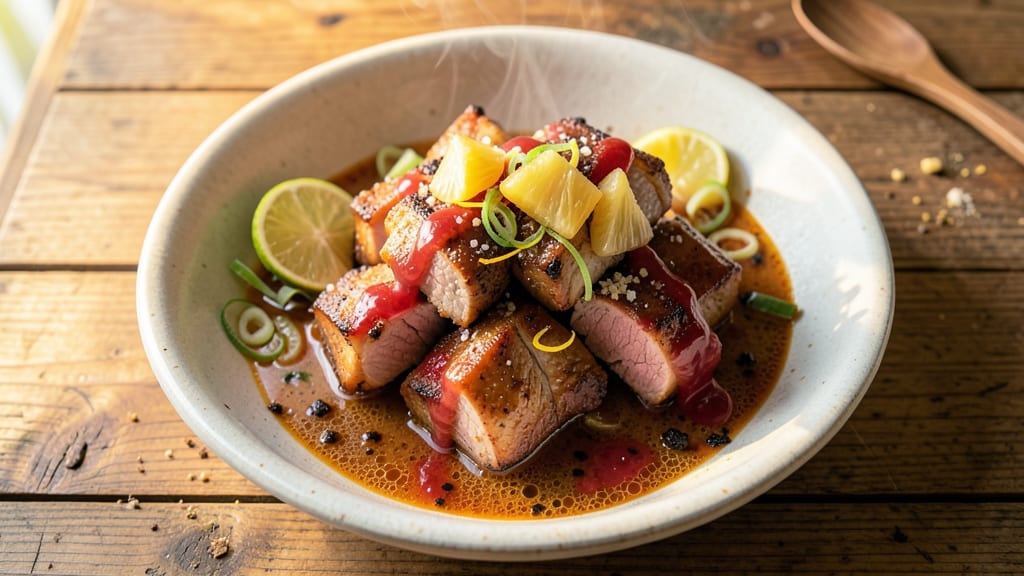
Filipino pork barbecue with pineapple juice transforms simple ingredients into a restaurant-worthy dish that balances sweet, tangy, and savory flavors. I've been perfecting this recipe for years, combining traditional Filipino techniques with a modern twist that creates a caramelized glaze you won't find anywhere else. The secret lies in the marinade—pineapple juice tenderizes the meat while its natural acids create that signature sticky-sweet crust when grilled.
The magic happens when you baste the pork repeatedly with its own marinade as it cooks, allowing the pineapple sugars to caramelize into a glossy, amber glaze.
This isn't just another BBQ recipe—it's a celebration of Filipino flavors where soy sauce, calamansi (or lime), and vinegar work together to create depth while the pineapple adds bright sweetness.
The result is meat that's tender enough to fall apart yet holds its shape, with a glaze that's both sticky and slightly crisp at the edges.
What makes this recipe truly special is how it comes together—juicy pork shoulder that's been marinated overnight, grilled to medium-rare perfection, then basted until that irresistible glaze forms. The aroma alone will have everyone gathering around your grill, and each bite delivers layers of flavor that balance perfectly.
This is the kind of dish that turns a simple weeknight dinner into an unforgettable experience, with minimal effort but maximum impact.
Serve it with garlic fried rice, atchara (Filipino pickled papaya), and steamed vegetables for a complete meal that feels both comforting and celebratory. The leftovers? Even better the next day as the flavors meld and the glaze thickens into something truly extraordinary.
Let's get cooking—this is pork barbecue the way it should be made.
Ingredients for filipino pork barbecue recipe with pineapple juice
Pork shoulder, pineapple juice, and soy sauce create the perfect balance for this restaurant-quality Filipino barbecue.
| Ingredient | Amount | Notes |
|---|---|---|
| Boneless Pork Shoulder 🥩 | 2 lb | Cut into 1-inch chunks, trimmed of excess fat |
| Fresh Pineapple Juice 🍍 | 1 cup | From 1 medium pineapple, freshly squeezed |
| Soy Sauce 🍶 | ½ cup | High-quality Filipino or Japanese soy sauce |
| Calamansi Juice 🍋 | ¼ cup | Or substitute lime juice if unavailable |
| White Vinegar 🍶 | ¼ cup | White or apple cider vinegar |
| Brown Sugar 🍚 | ½ cup | Packed firmly, light or dark |
| Garlic Cloves 🧄 | 8 cloves | Minced finely for marinade |
| Fresh Ginger 🌿 | 2 tbsp | Grated finely, about 1-inch piece |
| Black Peppercorns 🌶️ | 1 tsp | Freshly cracked for maximum flavor |
| Bay Leaves 🍃 | 2 whole | Dried, for marinade depth |
| Olive Oil 🫒 | 2 tbsp | For basting and grilling |
| Salt 🧂 | 1 ½ tsp | Diamond Crystal kosher salt |
| Green Onions 🧅 | 4 whole | Sliced thin for garnish |
The pork shoulder is non-negotiable for this dish—its fat content renders down beautifully to create that signature tender texture. Look for well-marbled cuts from your butcher or the meat department at Whole Foods or Costco, where you can often find it pre-cut into manageable chunks. If you can't find calamansi juice (the Filipino lime), substitute lime juice—it won't be identical, but it'll still work in a pinch. The pineapple juice should be fresh, not canned, for the best flavor, though if you're in a hurry, coconut water can mimic the acidity, though it lacks the sweetness. For the soy sauce, Filipino brands like Silver Swan or Japanese brands like Kikkoman elevate the dish significantly over generic supermarket options.
No fresh ginger? Powdered ginger at half the amount works, though it lacks the complexity. The bay leaves might seem minor, but they add an earthy depth that's essential to the marinade's character—don't skip them. If you're grilling outdoors, charcoal adds that smoky note, but a gas grill with a flavorizer bar works just as well. For the brown sugar, don't use powdered—it burns too quickly. The olive oil should be a high-quality extra-virgin, as it gets baste into the glaze. If you're making this ahead, marinate the pork overnight for maximum tenderness, though even 4 hours makes a noticeable difference. The green onions are purely for garnish, but if you're feeling fancy, cilantro or Thai basil adds a fresh contrast.
This dish tastes even better the next day as the glaze thickens into a sticky-sweet caramelized crust. Store leftovers in an airtight container in the fridge for up to 5 days, though it's hard to resist eating it all immediately. The marinade itself keeps for 3 days in the fridge—use it for grilled chicken or tofu if you have extra. For reheating, low heat in a skillet with a splash of water revives the glaze beautifully. If you're prepping for a crowd, double the recipe—the pork freezes well for up to 3 months, though the texture becomes slightly more tender when thawed. The key to success? Baste frequently—that's what creates the signature glaze.
Why You'll Love This Recipe
- Pantry-Friendly Magic: I swear by this recipe because it pulls flavor from what’s already in my fridge. No specialty trips—just pork, pineapple juice (or even canned works in a pinch), soy sauce, and that tangy calamansi or lemon. The vinegar ties it all together without extra effort, and the pork shoulder? It’s forgiving—tender when slow-cooked, but still delicious even if it’s not perfectly sliced.
- Sweet-Savory Balance: Honestly, the combo of pineapple juice and soy sauce is chef’s kiss—bright, sticky, and just sweet enough to make your taste buds dance. That calamansi kick (or lemon, if you’re short) cuts through the richness, leaving you with something that’s addictive but not heavy. My kids fight over the last piece, and I’ve never heard them complain about pork before.
- Weeknight to Party Upgrade: Between us, this is my lazy night and my impress-the-guests dish. Toss chunks of pork in the marinade, let it sit while you prep sides, then grill or slow-cook—done. For weeknights, I serve it over rice with quick-pickled veggies. For company? Add a charred pineapple salsa on top and suddenly it’s fancy. Zero extra work, all the wins.
- Leftovers That Don’t Suck: I make this knowing I’ll have leftovers—and they’re the best kind. The pork stays juicy, the sauce clings like glue, and reheating it? Just a splash of water in the pan, 5 minutes on the stove. I pack it for lunches, freeze portions for busy days, and even my picky husband asks for seconds. Budget-friendly? Absolutely. Waste-free? Even better.
Step-by-step instructions for Filipino pork barbecue with pineapple glaze
Follow this method for restaurant-quality pork that develops deep caramelization and tender texture.
Marinate the Pork for Maximum Flavor Development
In a large mixing bowl, combine the 2 lb boneless pork shoulder cut into 1-inch chunks with the 1 cup fresh pineapple juice, 0.5 cup soy sauce, 0.25 cup calamansi juice, and 0.25 cup white vinegar. The acidity from the pineapple and vinegar begins breaking down the proteins immediately, ensuring tender meat.
Add the 0.5 cup packed brown sugar, 8 cloves minced garlic, 2 tbsp grated ginger, 1 tsp cracked black peppercorns, and 2 whole bay leaves. Mix thoroughly until every pork piece is fully coated in the marinade. Transfer to a resealable plastic bag and refrigerate for at least 4 hours, preferably overnight. This long marinating time allows the flavors to deeply penetrate the meat and the sugar to begin caramelizing on the surface.
Prep the Grill and Cook the Pork
Preheat your grill to medium-high heat (375°F). Line a baking sheet with aluminum foil for easy cleanup. Remove the pork from the refrigerator and let it sit at room temperature for 30 minutes before grilling. This ensures even cooking throughout each piece.
Grill the pork in batches if needed, turning occasionally for 10-12 minutes until the pork reaches an internal temperature of 160°F. The marinade will begin to caramelize and form a sticky glaze. Keep the cooked pork warm in a clean bowl while you prepare the basting sauce, as we'll be finishing the cooking process with this.
Create the Sticky-Sweet Glaze
In a small saucepan, combine the marinade that's left in the bag (about 1 cup if you drained it) with any accumulated juices from the pork. Add 2 tbsp olive oil to help emulsify the sauce and prevent it from becoming too thick. Bring to a gentle simmer over medium heat.
Simmer uncovered for 8-10 minutes, stirring occasionally, until the sauce reduces by half and becomes syrupy. You're looking for a glaze that coats the back of a spoon and has a beautiful caramel color. The sugar should have fully dissolved, and the sauce should smell intensely of pineapple and garlic. If it thickens too much, add 1-2 tablespoons of water to reach your desired consistency.
Finish the Pork with the Glaze
Return the grilled pork to the grill or transfer to a skillet over medium heat. Pour the reduced glaze over the pork, coating each piece thoroughly. Let it cook for 2-3 minutes, basting continuously with the glaze until it forms a glossy, sticky coating. The pork should now be fully tender and the glaze should have a deep caramel hue.
Transfer the pork to a serving platter and let it rest for 5 minutes before serving. Garnish with the 4 whole green onions sliced thin. Serve immediately with steamed rice to soak up that delicious sticky-sweet sauce. The pork should be fork-tender with a perfect balance of sweet, tangy, and savory flavors in every bite.
Pro Tips For Making Filipino Pork Barbecue Recipe With Pineapple Juice
- Trim the Fat First: Cut that pork shoulder into 1-inch chunks before marinating—thin slices cook unevenly and turn rubbery. I learned this the hard way when my first batch came out chewy instead of tender. Use a sharp knife and angle it to slice against the grain for cleaner cuts.
- Simmer the Juice: Reduce the pineapple juice, calamansi, and vinegar mix into a thick, syrupy glaze before tossing it with the pork. This isn’t just for flavor—it prevents a watery mess when grilling or pan-frying. I used to skip this, and the sauce would just pool instead of sticking.
- Don’t Overmix the Marinade: Toss the pork in the marinade just until fully coated—no need to drown it. The acid in calamansi and vinegar will work fast, and over-soaking turns the meat mushy. Let it sit for 30 minutes max, then cook it immediately.
- Finish with Soy Sauce: Save a splash of soy sauce for the last 2 minutes of cooking, not the marinade. This keeps the pork from absorbing too much salt upfront and lets the sauce caramelize into a glossy crust. My grandmother swore by this, and she was right: the texture is night and day.
Creative variations of this recipe
Spicy Pineapple Twist
Add 1 tbsp sambal oelek to the marinade for a fiery kick that cuts through the sweetness. I love balancing it with 1 tsp honey to mellow the heat slightly. For extra depth, toss in 1 tbsp fish sauce—it adds umami that pairs perfectly with the pineapple.
The result? A glaze that's both sticky and spicy, with layers of flavor that keep you reaching for seconds. 🌶️
Coconut Milk Version
Replace half the pineapple juice with ½ cup coconut milk for a creamier glaze. Simmer the marinade longer (12-15 minutes) to thicken it into a rich, velvety sauce.
This works especially well with pork belly instead of shoulder—it renders beautifully and soaks up the coconut flavor. Garnish with toasted coconut flakes for texture and a tropical touch.
Slow-Cooker Adaptation
For hands-off cooking, marinate the pork as directed, then transfer everything (meat + marinade) to a slow cooker. Cook on low for 6-8 hours or high for 4-5 hours.
The pork will be fall-apart tender, and the glaze will thicken naturally. Finish by basting with the reduced sauce on the stovetop for 2-3 minutes to caramelize the edges.
Beef Short Ribs
Swap pork shoulder for 2 lbs beef short ribs and increase marinating time to 12-24 hours. The beef benefits from the extra time, and the pineapple glaze adds a sweet contrast to the rich meat.
Cook ribs on the grill at 300°F until tender (2-3 hours), then finish with the glaze. The result? A dish that feels luxurious but still carries that bright Filipino flavor profile.
Vegetarian Option
Use extra-firm tofu pressed for 30 minutes> and cubed to mimic pork texture. Marinate and grill as directed, but reduce cooking time to 8-10 minutes to avoid drying.
The pineapple glaze adds a sweet contrast to the tofu's neutral base. For extra heartiness, add ½ cup chopped mushrooms> to the marinade—they absorb flavors beautifully.
Dessert Twist
Turn the glaze into a dessert by tossing 1 cup cooked pineapple chunks> with the reduced sauce and ½ cup chopped macadamia nuts>. Serve over vanilla ice cream> for a tropical-inspired treat.
The caramelized sugars in the glaze create a sticky, saucy topping that's irresistible. Garnish with toasted coconut> for that perfect balance of sweet and crunchy.
Nutrition facts
Frequently asked questions
Why does the pineapple juice make this pork so tender?
The pineapple juice contains bromelain, a natural enzyme that breaks down meat fibers, making the pork incredibly tender. The acidity also helps tenderize while the natural sugars caramelize into that signature glaze. For best results, use fresh pineapple juice rather than canned.
Can I use canned pineapple juice instead of fresh?
You can, but fresh pineapple juice yields better flavor and texture. Canned juice lacks the natural enzymes that tenderize the meat as effectively. If using canned, choose 100% pineapple juice with no added sugar and simmer it longer to concentrate the flavors.
What's the best way to get that perfect caramelized glaze?
Baste the pork continuously with its own marinade while grilling or on the stovetop. The key is medium-high heat (375°F) and frequent basting for 2-3 minutes until the glaze turns glossy and amber. Keep a small saucepan nearby to reduce the marinade into a thicker consistency first.
How do I adjust this recipe for a crowd?
Double the marinade ingredients and increase the pork to 4-5 lbs. Use a large Dutch oven or slow cooker for even cooking. For outdoor grilling, preheat to 350°F and cook in batches, keeping the first batch warm while finishing the rest. The glaze can be made in batches too—just reduce it separately.
What if my glaze turns out too runny?
Simmer the glaze uncovered for an extra 5-10 minutes to reduce it further. If it's still too thin, mix in 1 tsp cornstarch with 1 tbsp water, stir in, and simmer until thickened. For a quick fix, spread the pork on a baking sheet and broil for 2-3 minutes to crisp the glaze.