
Sauces & Condiments
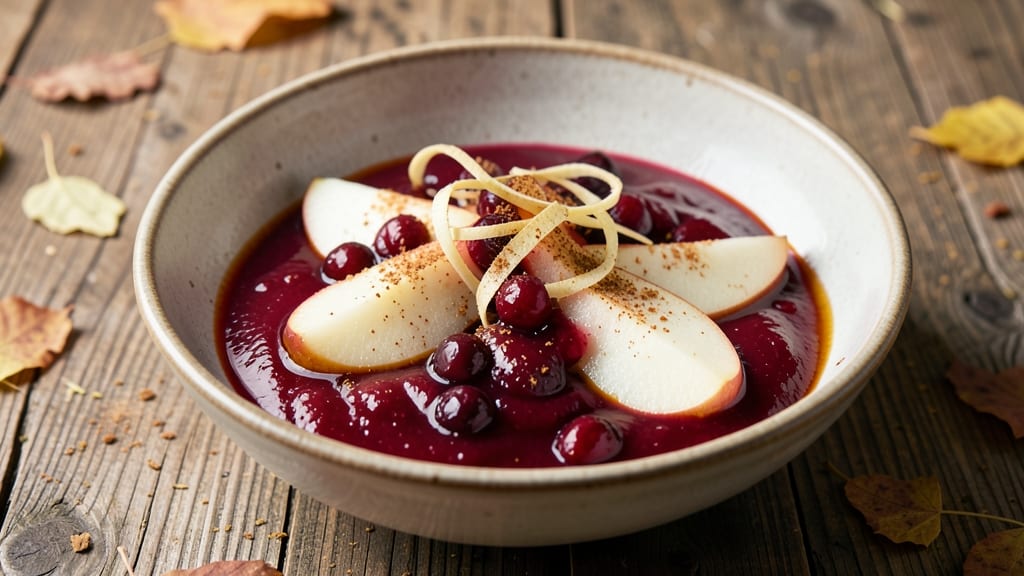
This cranberry apple pear sauce recipe transforms humble fruit into a vibrant, spiced condiment that elevates everything from roasted meats to vanilla yogurt. 🌟 The secret lies in balancing tart cranberries with sweet pears and apples, then simmering them until they break down into a velvety, aromatic sauce.
I developed this recipe after craving a naturally sweetened sauce that could stand up to savory dishes without overpowering them.
The beauty of this sauce is its versatility—it works as a glaze for ham or pork, a topping for oatmeal or pancakes, or even a tangy addition to cheese boards.
With just five simple ingredients (plus optional spices), you’ll create a sauce that’s rich in flavor but light on sugar. The cinnamon and ginger add warmth, while the cranberries bring a bright, tart contrast that keeps every bite interesting.
Cooking time is under 20 minutes, making it perfect for last-minute prep or meal planning. The sauce thickens as it cools, creating a spreadable texture that clings beautifully to both sweet and savory dishes.
Plus, it stores effortlessly in the fridge for up to a week or freezes for months, so you can enjoy this seasonal flavor all year round. Whether you’re serving it alongside holiday roasts or drizzling it over fresh cheesecake, this sauce delivers restaurant-quality depth with minimal effort.
Here’s how to make it—simple, foolproof, and packed with natural sweetness.
Ingredients for cranberry apple pear sauce
Five fruits and spices transform into a velvety sauce that works everywhere.
| Ingredient | Amount | Notes |
|---|---|---|
| Fresh Cranberries 🍇 | 1 lb | Frozen works perfectly too |
| Pears (ripe but firm) 🍐 | 2 medium | Bosc or Anjou preferred |
| Apples (sweet variety) 🍎 | 2 medium | Honeycrisp or Fuji ideal |
| Orange Juice 🍊 | ½ cup | Freshly squeezed preferred |
| Ground Cinnamon 🌿 | 1 tsp | Freshly ground for warmth |
| Ground Ginger 🌿 | ½ tsp | Freshly grated preferred |
| Lemon Juice 🍋 | 1 tbsp | Brightens the flavor |
| Water 💧 | ¼ cup | Adjusts consistency |
The fruit choices matter here—Bosc pears stay firm during cooking while Honeycrisp apples add natural sweetness. Costco or Trader Joe's usually have the best selection of seasonal fruit. If you can't find fresh cranberries, frozen ones work just as well—no need to thaw first. For the orange juice, freshly squeezed gives the best flavor, but bottled works in a pinch. The ginger should be freshly grated if possible—it makes a huge difference in warmth.
No pears? Substitute with more apples—just reduce the amount by half. Fresh cranberries unavailable? Cranberry sauce concentrate (no sugar added) works too. Want more depth? Add a pinch of cardamom or cloves. The sauce thickens as it cools, so if it feels too thin, simmer uncovered for another 2-3 minutes. For a smoother texture, blend briefly after cooking—though I like the rustic chunks myself.
This sauce keeps beautifully—1 week in the fridge or 6 months frozen. I like to portion it into small jars for easy use. The flavor actually improves after a day as the spices meld. If you make a big batch, freeze half right away—perfect for holiday gifts. Reheat gently on the stove or microwave until warm. The sauce thickens when cold, so don't worry if it looks too thin right after cooking.
Why You'll Love This Recipe
- No Chopping Needed: I swear by this trick—just toss whole cranberries, pear chunks, and apple slices into the pot. The heat breaks everything down naturally, so you’re not stuck peeling or dicing. (Yes, even on a Tuesday night when I’m exhausted.)
- Bright Winter Magic: That tangy-sweet combo? Chef’s kiss. The orange juice cuts through the fruit’s natural sharpness while the cinnamon adds warmth—like a hug in a bowl. Honestly, it’s the kind of flavor that makes you reach for seconds without thinking.
- Holiday Table Star: This sauce is my go-to for Thanksgiving, Christmas, or even a cozy Sunday brunch. Drizzle it over yogurt, swirl it into oatmeal, or serve it with cheese boards—it’s fancy enough for guests but simple enough to make last-minute.
- Lasts All Week: Make a big batch and refrigerate it for up to 10 days. The flavors actually deepen over time, so you’re not stuck eating it all in one sitting. Plus, it’s budget-friendly—fresh fruit stretches far, and you’re not relying on expensive jars of sauce.
Step-by-step instructions for cranberry apple pear sauce
Here's how to create this vibrant, naturally sweetened sauce that balances tart and sweet perfectly.
🍳 Step 1: Prepare and Cook the Fruit Base
In a large, heavy-bottomed saucepan, combine the 1 lb fresh cranberries, 2 medium pears (peeled and cored), and 2 medium apples (peeled, cored, and chopped). I like to use a sharp paring knife for the pears and apples—it gives you better control when peeling and coring. The fruit should fit comfortably in the pan with about ½ inch of space between pieces.
Bring the mixture to a gentle boil over medium-high heat, then immediately reduce to medium-low heat. Let it simmer uncovered for 10-12 minutes until the fruit breaks down and releases its juices. You'll know it's ready when the mixture looks like a thick, chunky purée and the cranberries have softened significantly. Stir occasionally to prevent sticking—this is where those beautiful caramelized flavors develop.
👨🍳 Step 2: Add Liquids and Spices for Depth
Once the fruit has softened, add the 0.5 cup orange juice, 0.25 cup water, 1 tbsp lemon juice, 1 tsp ground cinnamon, and 0.5 tsp ground ginger. The orange juice and water help balance the tartness while keeping the sauce from becoming too thick. Stir everything together and let the mixture simmer gently for another 8-10 minutes.
Here's the thing—you want the sauce to thicken naturally, but not reduce too much. You'll notice the cranberries will start to pop and release their seeds, which is totally normal and adds texture. The spices should infuse beautifully, creating that warm, comforting aroma. If the sauce starts to stick to the bottom of the pan, add a splash of water—just enough to keep it moving.
⏰ Step 3: Blend and Adjust Consistency
After simmering, use an immersion blender to purée the mixture directly in the saucepan. If you don't have an immersion blender, carefully transfer the hot mixture to a blender (let it cool slightly first to avoid steam burns). Blend until smooth, scraping down the sides as needed. The sauce should be thick but still spoonable—like a cross between a chunky compote and a smooth purée.
If the sauce is too thick after blending, add more water 1 tablespoon at a time until it reaches your desired consistency. You want it to coat the back of a spoon but still hold its shape when spooned. Taste and adjust the seasoning if needed—add a pinch more cinnamon or ginger if you'd like a stronger spice profile. The lemon juice brightens everything, so don't skip it, even if you think the sauce is already tangy enough.
🥘 Step 4: Simmer and Finish
Return the blended sauce to the saucepan and simmer gently for another 5 minutes to let the flavors meld together. The sauce should be glossy and smooth, with a beautiful ruby-red color from the cranberries. If you prefer a slightly chunkier texture, you can skip the blending step and just mash the cooked fruit with a potato masher—it'll still taste amazing.
Don't rush this final step. Letting the sauce simmer gently allows the spices to infuse fully and the flavors to harmonize. You'll notice the aroma becomes even more inviting as the spices warm up. Once it's ready, transfer the sauce to a clean jar or bowl. It'll thicken slightly as it cools, so don't worry if it looks a bit runnier while it's hot. Serve warm over yogurt, oatmeal, or toast, or chill it for up to 1 week in the refrigerator.
Pro Tips For Making Cranberry Apple Pear Sauce
- Trim the Pears: Peel and core the pears, then slice them into ¼-inch chunks—thicker pieces stay tough and undercooked while thinner ones break down perfectly. I used to leave them uneven, and the sauce ended up with chewy bits that ruined the texture.
- Simmer, Don’t Boil: Keep the heat at a gentle simmer (small bubbles, occasional swirls) once everything’s in the pot—boiling turns cranberries into mush and burns the fruit’s natural sweetness. After burning two batches, I finally cracked the lid and watched the action.
- Toast the Spices: Warm the cinnamon in a dry pan for 30 seconds until fragrant before adding it to the sauce—this deepens the flavor and cuts through the tartness of the cranberries. Sounds weird, but it works: the aroma alone makes the dish taste more complex.
- Strain the Seeds: After cooking, press the mixture through a fine-mesh sieve to remove cranberry seeds and apple skin bits—it’s tedious, but the result is silky smooth. I skip this when I’m lazy, but the sauce is noticeably better when I don’t. (Your future self will thank you.)
Pro cooking tips for great cranberry apple pear sauce
Pan Selection Matters
Use a heavy-bottomed saucepan (like All-Clad or Le Creuset) to prevent scorching and ensure even heat distribution. I’ve ruined sauces using thin, flimsy pans—the fruit sticks and burns. A 4-quart Dutch oven works perfectly for this recipe, giving you enough room to stir without splashing.
If your pan is too small, the fruit will overcrowd and steam instead of caramelize. 🔥
Control the Heat
Start on medium-high heat to bring the fruit to a boil quickly, then immediately reduce to medium-low. This prevents the cranberries from burning while allowing the pears and apples to soften evenly.
I’ve seen people walk away and let it boil dry—don’t be that person! Keep the heat steady and stir every 2-3 minutes to release those sticky juices.
Don't Skip the Blend
For a smooth, restaurant-quality sauce, blend until silky. Use an immersion blender for convenience, but if you transfer to a countertop blender, let the sauce cool slightly first—steam burns are no joke.
If you prefer texture, mash with a potato masher instead. The choice is yours, but blending ensures every bite is cohesive and elegant. 💫
Spice Infusion Trick
Add the cinnamon and ginger only after the fruit has softened. This lets the spices dissolve fully into the sauce rather than sitting as gritty flecks. For extra warmth, toast the spices in the dry pan for 30 seconds before adding them—it deepens their flavor.
A pinch of freshly grated nutmeg also works beautifully here.
Consistency Adjustments
The sauce thickens as it cools, so aim for a loose, spoonable consistency while hot. If it’s too thick, add water 1 tablespoon at a time—never juice, as it can make the sauce too acidic.
For a glossy finish, simmer uncovered for the final 5 minutes to let the natural pectin in the fruit set properly. This is how you get that professional, velvety texture. ✨
Flavor Boost Hacks
For a bright twist, add 1 teaspoon of fresh rosemary while simmering—it pairs surprisingly well with cranberries. If you love vanilla, scrape the seeds from a pod and steep them in the warm sauce for 10 minutes before serving.
These small additions elevate the sauce from good to wow—trust me, your taste buds will thank you.
Nutrition facts
Frequently asked questions
Can I make this sauce without pears?
If you can't find pears, substitute with 3 extra apples or 2 cups chopped peaches instead. The sauce will still be delicious, though pears add a lovely floral sweetness that balances the tart cranberries. Just reduce the cooking time slightly if using softer fruits like peaches.
How do I store and reheat leftovers?
Store the sauce in an airtight container in the fridge for up to 1 week or freeze for 6 months. To reheat, warm gently on the stove over low heat or microwave for 30-45 seconds. Stir well—it thickens as it cools! For best texture, reheat only until warm, not boiling.
What are the best ways to use this sauce?
This versatile sauce works beautifully with breakfast dishes (yogurt, oatmeal, pancakes), holiday meats (ham, pork tenderloin), cheese boards, or even as a glaze for roasted vegetables. Try drizzling it over vanilla ice cream for a sophisticated dessert twist—it cuts through the sweetness perfectly.
Can I reduce the sugar content further?
Yes! The recipe uses natural fruit sweetness, but if you prefer less sugar, increase the lemon juice to 2 tablespoons and reduce the water slightly. The cranberries' natural tartness will shine through. For a sugar-free version, omit all water and use only orange juice—the sauce will be thicker but equally flavorful.
Why did my sauce turn out too tart?
This usually happens if the cranberries weren't cooked long enough or if you skipped the orange juice. Next time, simmer the fruit for 15 minutes total and add 1 extra tablespoon of orange juice to balance the tartness. The pears and apples should soften completely—if they're still firm, cook longer for natural sweetness to develop.