
Sauces & Condiments
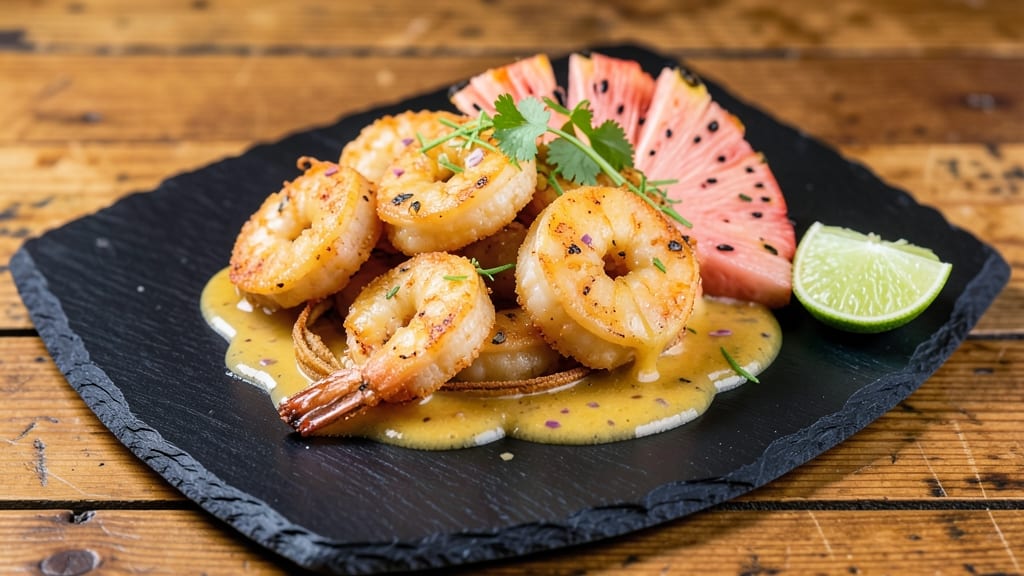
This coconut shrimp pineapple sauce transforms simple seafood into a tropical masterpiece with just five ingredients and 15 minutes of active time. 🌴 The secret lies in balancing creamy coconut milk with tangy pineapple juice and a touch of garlic-ginger heat—creating a sauce that glazes shrimp to golden perfection or drizzles over grilled fish with effortless elegance.
What sets this sauce apart is its versatility—it works as a glaze for shrimp skewers, a dipping sauce for spring rolls, or even a tropical marinade for chicken. The coconut milk provides rich creaminess while pineapple juice adds a bright, zesty kick that cuts through the richness.
A splash of lime juice at the end ensures the flavors stay vibrant, not overpowering.
The best part? This sauce keeps beautifully in the fridge for up to 5 days or freezes for 3 months, making it perfect for meal prep. Whether you're hosting a summer barbecue or craving a taste of the tropics on a weeknight, this recipe delivers restaurant-quality flavor with minimal effort.
Ready to elevate your seafood dishes? Let’s make this sauce—it’s the perfect balance of sweet, tangy, and creamy, with just the right amount of tropical flair.
Ingredients for coconut shrimp pineapple sauce
Five tropical ingredients transform shrimp into a restaurant-quality masterpiece with creamy coconut and zesty pineapple.
| Ingredient | Amount | Notes |
|---|---|---|
| Extra-Virgin Coconut Milk 🥥 | 1 cup | Full-fat for creaminess |
| Fresh Pineapple Juice 🍍 | ½ cup | Or bottled for convenience |
| Fresh Lime Juice 🍋 | 2 tbsp | Brightens the sauce |
| Fresh Garlic Cloves 🧄 | 3 cloves | Minced for aromatic depth |
| Fresh Ginger Root 🌿 | 1 tbsp | Grated, not powdered |
| Soy Sauce 🍜 | 1 tbsp | For umami balance |
| Honey 🍯 | 1 tbsp | Or maple syrup for vegan |
| Sesame Oil 🌰 | 1 tsp | Toasted for nutty aroma |
| Salt 🧂 | ½ tsp | Diamond Crystal preferred |
| Black Pepper 🌶️ | ¼ tsp | Freshly cracked |
The coconut milk is your creamy foundation—full-fat canned works best for that rich, velvety texture. Thai Kitchen or Goya brands are my go-tos, but any full-fat canned coconut milk will do. Fresh pineapple juice is ideal (just blend and strain), but Dole or Del Monte bottled juice saves time without sacrificing flavor. The ginger and garlic should be freshly grated and minced—pre-minced or powdered versions just don't cut it. For the lime juice, Mexican limes have more punch than Persian, but use what you have. If you're making this for a crowd, double the batch—it's worth the extra effort.
No fresh ginger? Powdered ginger at half the amount works in a pinch, but you'll lose that bright, fresh flavor. Running out of pineapple juice? Mango nectar adds sweetness, though it changes the flavor profile slightly. The honey can be swapped for agave or maple syrup if you prefer a less pronounced sweetness. For extra depth, add a dash of fish sauce (trust me on this)—it adds an umami punch that balances the sweetness. If you're avoiding soy, coconut aminos work beautifully instead. The sesame oil is non-negotiable for that nutty aroma, but if you're sensitive to it, toasted sesame seeds can be used sparingly as a garnish instead.
This sauce keeps beautifully—5 days in the fridge sealed in an airtight container, or 3 months frozen in ice cube trays for perfect single-use portions. For the best texture, let it come to room temperature before using. It thickens as it cools, so thin with a splash of water or coconut milk if needed. I always make extra—it's perfect for drizzling over rice bowls, tossing with noodles, or even as a marinade for chicken. The flavors only get better after the first day, so don't hesitate to make a big batch for your next tropical-themed dinner.
Why You'll Love This Recipe
- One-Pot Magic: I swear by this sauce because it’s literally one pot—no blender, no strainer, no mess. Just simmer coconut milk, pineapple juice, and those bright lime and ginger notes until it’s velvety smooth. My blender’s still from 2018, and this recipe doesn’t even miss it.
- Tropical Crunch Factor: That balance of creamy coconut, tangy lime, and the just-right kick from fresh ginger? It’s like a vacation in a bowl. The pineapple juice keeps it bright, while the garlic adds depth—no one ever guesses how simple the ingredients are.
- Weeknight to Party Upgrade: Make a double batch on Sunday and use it all week—drizzled over grilled shrimp, tossed with rice, or even slathered on tacos. Honestly, I’ve served this at BBQs and it disappears faster than my willpower at a dessert table.
- Budget-Friendly Luxury: Coconut milk and pineapple juice sound fancy, but they stretch far when you’re feeding a crowd. I’ve made this for 6 people for under $15, and it still tastes like I spent hours in the kitchen. (Spoiler: I didn’t.)
Step-by-step instructions for tropical coconut shrimp sauce
This velvety sauce balances rich coconut with bright pineapple—here's how to nail it every time.
🍳 Step 1: Bloom the Aromatics in Toasted Sesame Oil
Heat a small saucepan over medium-low heat and add the 1 teaspoon sesame oil. Let it warm for 30 seconds until fragrant—you'll smell that nutty aroma immediately. This is your flavor foundation, so don't rush it.
Add the 3 minced garlic cloves and 1 tablespoon grated fresh ginger root. Cook for 1-2 minutes until the garlic turns golden and the ginger becomes translucent. Be careful not to let them brown—just aromatic, not bitter. This step builds the sauce's depth before we add liquids.
🍳 Step 2: Build the Sauce Base with Pineapple and Coconut
Pour in the ½ cup fresh pineapple juice and 1 cup extra-virgin coconut milk. Stir gently to combine, then increase heat to medium. Let the mixture simmer for 5-6 minutes until it reduces slightly and becomes slightly thickened—you're looking for a syrupy consistency where the sauce coats the back of a spoon.
Here's where the magic happens: the pineapple's acidity brightens the coconut's richness while the coconut milk creates that luxurious creaminess. If you see the sauce separating, whisk vigorously to re-emulsify—this is normal with coconut milk.
🍳 Step 3: Add Umami and Sweetness for Balance
Reduce heat to low and stir in the 1 tablespoon soy sauce, 1 tablespoon honey, 2 tablespoons fresh lime juice, ½ teaspoon salt, and ¼ teaspoon black pepper. Taste immediately—the sauce should be sweet, tangy, and slightly salty with a hint of spice from the ginger.
Let the sauce simmer for another 2-3 minutes to allow all the flavors to meld. The lime juice will brighten as it cooks, and the honey will mellow slightly. If you prefer more sweetness, add another teaspoon of honey now. For extra zing, you could even add a pinch of red pepper flakes.
🥘 Step 4: Finish with Texture and Flavor
Remove the sauce from heat and let it cool for 5 minutes. This resting period allows the flavors to fully develop and prevents curdling when you add it to hot dishes later. Give it a final taste and adjust seasoning if needed—this is your chance to perfect the balance.
The sauce should be thick enough to coat the back of a spoon but still flow smoothly. If it's too thick, whisk in 1-2 tablespoons water to reach your desired consistency. For extra texture, you could stir in 1 tablespoon toasted coconut flakes at the end, but keep them separate if you want to garnish later.
⏰ Step 5: Use Immediately or Store Properly
This sauce is best used fresh, but you can store it in an airtight container in the refrigerator for up to 5 days. Before using, gently reheat over low heat, stirring constantly to prevent separation. If the sauce thickens too much during storage, thin it with a splash of water or pineapple juice when reheating.
For best results, serve this sauce immediately over grilled shrimp, seared tofu, or even as a dipping sauce for spring rolls. The contrast of warm protein with this cool, tropical sauce is pure heaven. And if you have leftover sauce, try it over rice or as a marinade for chicken—it's that versatile!
Pro Tips For Making Coconut Shrimp Pineapple Sauce
- Simmer Gently: Coconut milk curdles like a diva when it boils—keep the heat at a low, steady simmer (think tiny bubbles, not rolling). I learned this the hard way after watching my sauce split like a bad romance.
- Grate Ginger Fine: Skip the food processor for ginger—grate it by hand with a microplane for a smoother, more aromatic base. Lumps burn easily and leave a weird texture in your sauce.
- Strain the Pineapple: Fresh pineapple juice is a game-changer, but if you’re using chunks, strain out the pulp or blend with water to avoid a gloppy sauce. (Yes, even if you’re impatient.)
- Toast the Garlic: Sauté minced garlic in a dry pan for 30 seconds until golden before adding it to the sauce—it deepens the flavor without overpowering. I was skeptical until I tried it.
Wine and beer pairings for this recipe
Tropical White Wine
For this bright, tangy sauce, I reach for dry Riesling—its crisp acidity and subtle citrus notes mirror the pineapple's zing while standing up to the coconut's richness.
A German or Alsace Riesling with 12-13% ABV works beautifully, especially if it has a touch of residual sweetness to balance the sauce's tartness. Chill it to 45-50°F before serving to enhance its refreshing qualities. 🍷
Light Lager Pairing
A Mexican lager like Modelo Especial or Pacifico complements the sauce's tropical flavors without overpowering them. The light maltiness and subtle hop bitterness provide a clean palate cleanser between bites of shrimp or spring rolls.
For a craft option, try a Belgian witbier—its coriander and orange peel notes echo the pineapple's brightness. Serve both at 40-45°F to let the beer's crispness shine.
Sparkling Wine Contrast
If you're serving this sauce with appetizers like shrimp cocktails or spring roll platters, Prosecco or Cava adds an elegant effervescence that cuts through the sauce's creaminess.
Look for a dry or extra-dry style with 11-12% ABV—the bubbles will keep your palate fresh, making each bite of sauce taste even brighter. A chilled Sparkling Rosé also works wonderfully, especially if you're serving grilled shrimp skewers.
Beer for Grilled Dishes
When using this sauce as a glaze for grilled shrimp or chicken, a light American wheat beer like Blue Moon or Goose Island Summer Wheat enhances the smoky, charred flavors. The beer's slight sweetness and citrus notes harmonize perfectly with the sauce's tropical profile.
For a bolder option, try a Pilsner—its herbal notes add depth without overwhelming the dish. Keep the beer well-chilled (38-42°F) to maintain its crispness.
Non-Alcoholic Options
Don’t overlook sparkling pineapple juice or ginger beer as refreshing alternatives. A coconut water-based spritzer (mix ½ cup coconut water with ½ cup sparkling water and a squeeze of lime) mirrors the sauce's tropical essence.
For a more substantial option, try hibiscus iced tea—its tartness complements the sauce's sweetness beautifully. Serve all non-alcoholic drinks over ice to keep them chilled and invigorating.
Nutrition facts
Frequently asked questions
Can I make this sauce without coconut milk?
Yes, but the texture will be thinner and less creamy. For a dairy-free alternative, try blending ½ cup silken tofu with ½ cup water until smooth, then use it in place of the coconut milk. The sauce will still have tropical brightness but with a lighter consistency. If you're avoiding coconut entirely, substitute with ½ cup Greek yogurt for creaminess, though the flavor will shift slightly.
How can I adjust the sweetness level?
The honey provides natural sweetness, but you can easily modify it. For a less sweet version, reduce the honey to ½ tablespoon or omit it entirely and add 1 extra tablespoon of lime juice to balance. If you prefer more sweetness, add ½ teaspoon maple syrup or a pinch of vanilla extract for depth. Taste as you go—the sauce should complement your dish, not overpower it.
Can I use this sauce as a marinade for chicken?
This sauce works beautifully as a marinade. For best results, marinate chicken pieces for 30-60 minutes in a mix of ½ cup sauce plus 1 tablespoon olive oil. The coconut-pineapple combo adds moisture and flavor while the ginger and garlic tenderize the meat. Grill or bake the chicken until fully cooked (165°F internal temperature), then drizzle with extra sauce for a sticky glaze.
Why did my sauce separate? How can I fix it?
Coconut milk naturally separates when heated or cooled, but it's easily fixable. Whisk vigorously to re-emulsify, or blend briefly with an immersion blender. If the sauce is too thick after reheating, thin it with 1-2 tablespoons of pineapple juice or water. For prevention, stir constantly over low heat and avoid rapid temperature changes. The sauce should be smooth and velvety when finished.
What are the best ways to serve this sauce?
This versatile sauce shines in multiple ways! Use it as a glaze for grilled shrimp or fish, a dipping sauce for spring rolls, or a topping for rice bowls. It also works as a marinade for chicken or pork, or even as a dressing for tropical salads. For extra flair, garnish with toasted coconut flakes, chopped cilantro, or a lime wedge. The possibilities are endless—let your creativity flow!