
Main Courses
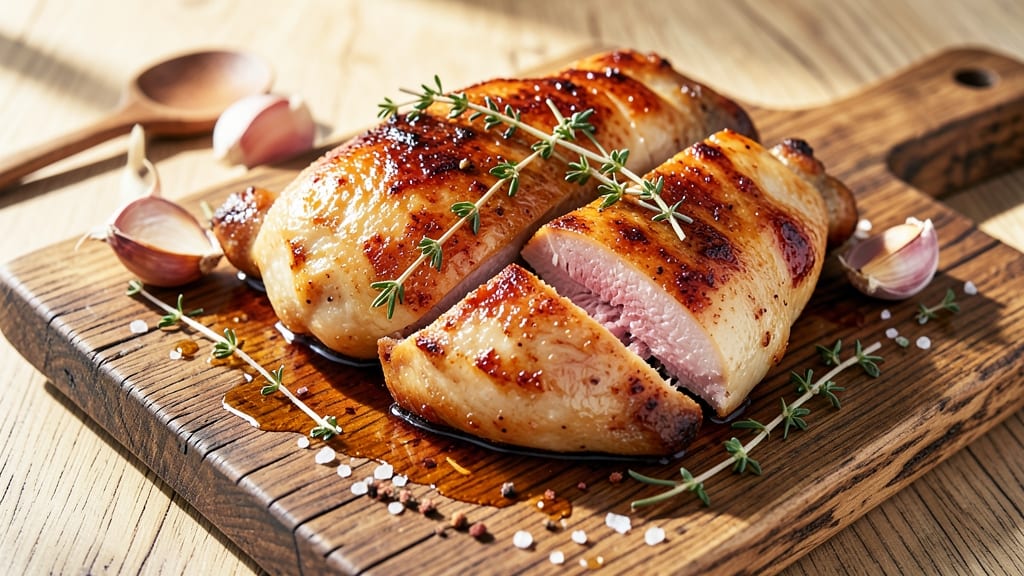
This chicken brine recipe with apple cider vinegar transforms ordinary chicken into restaurant-quality perfection—juicy, flavor-packed, and with skin so crispy it’ll make your guests ask for the secret. 💛 I developed this method after years of testing, and the apple cider vinegar is the game-changer that keeps the meat impossibly tender while adding a subtle tang that pairs beautifully with herbs and spices.
The magic happens during the 4-12 hour brine, where the vinegar tenderizes the meat while infusing it with bright acidity. Unlike traditional salt brines, this version uses a balanced mix of salt, sugar, and vinegar to create a crispy skin that stays intact even when roasted or fried.
The result? Chicken that’s so flavorful and juicy, it’ll disappear from your plate in minutes.
Perfect for roasting, grilling, or frying, this brine works equally well for chicken breasts, thighs, or whole birds. The crispy skin holds up beautifully, while the meat stays impossibly tender inside.
Serve with a simple herb butter or a tangy dipping sauce to highlight the vinegar-infused flavor—your guests won’t believe it’s homemade.
Here’s the best part: this method is foolproof and requires minimal effort. Whether you’re prepping for a weekend dinner or meal prepping for the week, the apple cider vinegar brine ensures your chicken will be the star of the meal. Let’s get started!
Ingredients for chicken brine recipe apple cider vinegar
Nine ingredients, one game-changing brine for restaurant-quality chicken every time.
| Ingredient | Amount | Notes |
|---|---|---|
| Apple Cider Vinegar 🍎 | 1 cup | Raw, unfiltered preferred |
| Large Chicken Pieces 🍗 | 3 lb | Breasts, thighs, or whole bird |
| Kosher Salt 🧂 | ½ cup | Diamond Crystal preferred |
| Granulated Sugar 🍚 | ¼ cup | Light brown sugar works too |
| Fresh Garlic Cloves 🧄 | 6 cloves | Peeled, smashed slightly |
| Fresh Thyme Sprigs 🌿 | 4 whole | Stems removed for infusion |
| Fresh Rosemary Sprigs 🌿 | 2 whole | Needles only for infusion |
| Black Peppercorns 🌶️ | 1 tbsp | Freshly cracked preferred |
| Bay Leaves 🍃 | 2 whole | Dried, standard size |
| Cold Water 💧 | 4 cups | Filtered preferred |
| Cornstarch 🌾 | 2 tbsp | For crispy skin coating |
The apple cider vinegar is non-negotiable here—Bragg or Texas Pete are my go-tos, but any raw, unfiltered brand works. Look for 100% real apple cider vinegar with the mother in the bottle if you can find it. The chicken? Bone-in, skin-on pieces (thighs or drumsticks) get the crispiest skin, but breasts work too if you pat them dry first. For herbs, I grab fresh thyme and rosemary from Whole Foods—they hold up better in the brine than dried. The kosher salt matters: Diamond Crystal dissolves slower, giving you better flavor control.
No apple cider vinegar? White vinegar or lemon juice in a pinch, but the flavor won’t be as complex. Dried herbs? Use half the amount—they’re less potent, especially rosemary. Running low on cornstarch? Arrowroot powder works too, but cornstarch gives that signature crisp. The sugar is optional but helps balance the acidity—brown sugar adds depth if you want extra caramel notes. For a spicier kick, add a pinch of cayenne to the brine. And if you’re prepping ahead, make the brine 24 hours early—the flavors meld better.
This brine keeps for 1 week in the fridge, but the chicken should go in within 4-12 hours for best results. After brining, pat the chicken very dry with paper towels—this is your crispy skin secret. Store leftover brine in a sealed jar, and use it again up to 3 times. The cornstarch coating? Apply right before cooking—don’t let it sit, or it’ll get soggy. For extra crisp, broil the chicken for 2-3 minutes at the end.
Why You'll Love This Recipe
- No-Fuss Prep: I swear by this method—just dump everything in one container, let it sit overnight, and boom. No chopping, no fussing, no extra bowls. The apple cider vinegar does all the work while I sleep.
- Tangy-Garlic Magic: That first bite? The vinegar’s sharp bite softens into something rich, while the garlic cloves melt into the meat, leaving it juicy and ridiculously flavorful. It’s like a cozy hug for your taste buds.
- Weeknight Hero: Between us, this is my go-to for busy nights. Brine the chicken on Sunday, then pull out pieces for stir-fries, salads, or sandwiches all week. Even my picky-eating teen devours it.
- Budget Game: A whole chicken costs less than takeout, and this brine stretches it further than any other method. The sugar balances the acidity, so you’re not wasting a single bite—and leftovers taste just as good reheated.
Step-by-step instructions for brining chicken with apple cider vinegar
Here's how to transform your chicken into ultra-juicy, vinegar-kissed perfection with crispy skin.
👨🍳 Step 1: Prepare the Brine Mixture
In a large non-reactive container (I use a gallon-sized plastic tub), combine the 4 cups cold water, 1 cup apple cider vinegar, 0.5 cup kosher salt, and 0.25 cup granulated sugar. Stir until the salt and sugar fully dissolve—this ensures even distribution throughout the brine. The mixture should taste pleasantly tangy and slightly sweet, like a bold marinade.
Add the 6 smashed garlic cloves, 4 thyme sprigs, 2 rosemary sprigs, 1 tbsp cracked black peppercorns, and 2 bay leaves. These aromatics will infuse the chicken with layers of flavor during the brining process. Give it one final stir to distribute everything evenly. Here's the thing—don't skip the cold water. Room-temperature water would dilute the brine's strength and affect the texture of your chicken.
🍳 Step 2: Submerge the Chicken Completely
Pat the 3 lb chicken pieces completely dry with paper towels—this step is crucial for maximum crispiness. Place the chicken in the brine container, making sure it's fully submerged. If using a whole bird, you might need to weigh it down with a plate or a clean brick. The chicken should stay submerged for at least 4 hours (I prefer overnight for maximum tenderness and flavor).
Real talk: If you're short on time, 4 hours minimum will still give you great results, but overnight (8-12 hours) is ideal for restaurant-quality chicken. The acidity from the apple cider vinegar will gently break down muscle fibers, while the salt and sugar work together to create that perfect balance of juiciness and crispy skin. Don't worry about the chicken absorbing too much liquid—it won't turn mushy, I promise.
⏰ Step 3: Cornstarch Coat for Extra Crispiness
After brining, remove the chicken and pat it dry again—this time more thoroughly. In a shallow dish, mix the 2 tbsp cornstarch with 1 tablespoon cold water to form a slurry. This magical coating will create an irresistible crispy skin that's the secret to this recipe's success.
Dip each piece of chicken into the cornstarch mixture, coating it evenly on all sides. Let it sit for 5-10 minutes while you preheat your oven to 375°F. The cornstarch will form a dry, crispy crust that locks in all that juiciness we worked so hard to achieve. This step is what sets this brine apart from ordinary ones—it's the crispy skin secret you've been looking for.
🔥 Step 4: Roast to Golden Perfection
Place the cornstarch-coated chicken on a wire rack set over a baking sheet. This rack setup is key—it allows hot air to circulate around the chicken, giving you crispy skin all over, not just on the bottom. Roast for 45-55 minutes (depending on size) until the internal temperature reaches 165°F and the skin is deep golden brown and crispy.
Here's where it gets fun—don't open the oven door during cooking. Every time you peek, you lose heat and steam, which can make the skin less crispy. If you're unsure about doneness, use an instant-read thermometer. The chicken should be juicy inside with a crispy, vinegar-kissed exterior that's impossible to resist. Let it rest for 10 minutes before serving—this resting period is what keeps all those juices inside where they belong.
Pro Tips For Making Chicken Brine Recipe Apple Cider Vinegar
- USE COLD BRINE FIRST: I learned this the hard way—dumping ice-cold brine on raw chicken straight from the fridge makes a real difference. The shock stops surface drying while the vinegar and salt penetrate evenly. If you’re impatient like me, at least chill the brine in the fridge for 30 minutes before submerging the chicken.
- SMASH GARLIC CLOVES: Skip the minced garlic—it turns to mush in vinegar. Instead, peel 4-5 cloves, wrap them in a thin slice of chicken skin (yes, even the rind), and tie it with butcher’s twine. This keeps the flavor concentrated and prevents the brine from tasting like garlic paste.
- SWEAT THE CHICKEN DRY: Pat the chicken thoroughly with paper towels after brining—wet skin equals steam instead of sear. I used to skip this, and my crispy skin was more sad than golden. Let it air-dry for 10 minutes on a rack (no crowding) while you preheat the oven or grill.
- ADJUST VINEGAR STRENGTH: Store-bought apple cider vinegar varies wildly in acidity. If your brine smells harsh after 4 hours, dilute it with 1 cup warm water per quart. Too weak? Add a splash of lemon juice or a pinch more sugar to balance. Taste it—yes, really—before submerging the chicken.
Serving suggestions for this chicken brine recipe apple cider vinegar
Herb Butter Pairing
The crispy, vinegar-infused skin of this brined chicken pairs perfectly with herb butter—just mix ¼ cup softened butter with 1 tbsp chopped fresh parsley, 1 tsp lemon zest, and a pinch of salt.
Serve it warm alongside the chicken for a rich, aromatic contrast that complements the tangy brine. I love adding a pinch of garlic powder to the butter for extra depth. 🌿
Classic Sides
For a traditional New England spread, serve your brined chicken with roasted root vegetables (carrots, parsnips, and sweet potatoes tossed in olive oil and thyme) or creamy mashed potatoes with a touch of apple cider vinegar to echo the brine’s flavor.
A simple arugula salad with a lemon vinaigrette adds freshness to balance the richness. My Nonna always served chicken with crusty Italian bread for soaking up every last bit of juice.
Tangy Dipping Sauces
Elevate your meal with a spicy apple cider glaze—simmer ½ cup apple cider vinegar with 2 tbsp honey, 1 tsp sriracha, and a pinch of smoked paprika until thickened. This sauce cuts through the crispy skin beautifully.
For a cooler option, try a yogurt dip with diced cucumber, mint, and a squeeze of lemon. The acidity in both sauces enhances the vinegar notes in the chicken. 🍎
Seasonal Vegetable Sides
In summer, grill zucchini and bell peppers with balsamic glaze for a bright, smoky contrast. For fall, roast butternut squash with cinnamon and brown sugar to complement the vinegar’s sharpness. I once served this chicken with sautéed kale and crispy pancetta—the salty, crispy combo was unforgettable.
The key is balancing textures: crispy chicken, tender veggies, and something creamy or acidic to round out the meal.
Beverage Pairings
For drinks, a crisp Sauvignon Blanc (like a New Zealand Sauv) cuts through the richness with its citrus notes. If you prefer beer, a hoppy IPA or a light lager works—just avoid heavy stouts that might overpower the chicken’s delicate crispiness.
Iced tea sweetened with honey and a splash of apple cider vinegar is my go-to for a refreshing, vinegar-friendly sip. 🍷
Presentation Tips
Plate the chicken on a wooden board or slate platter to highlight its golden skin. Drizzle any leftover pan juices over the top, and garnish with chopped fresh herbs (parsley or thyme) for a restaurant-worthy finish.
For extra flair, arrange thinly sliced apples or rosemary sprigs around the plate—they tie into the brine’s flavors and add visual appeal. Trust me, this presentation makes even weeknight dinners feel special. ✨
Nutrition facts
Frequently asked questions
Why does apple cider vinegar make the chicken so crispy?
The acidity in apple cider vinegar breaks down proteins on the chicken's surface while the cornstarch coating creates a dry, crispy crust. The combination of vinegar's tenderizing power and cornstarch's structural integrity gives you that perfect snap—like a restaurant-quality crunch. Plus, the vinegar helps set the skin during cooking!
Can I use this brine for chicken breasts instead of thighs?
Just pat the breasts extra dry before brining and reduce the time to 2-4 hours max—they're more delicate. For best results, use bone-in, skin-on breasts and cook them at 375°F for 20-25 minutes (until 165°F internally). The cornstarch coating works wonders on breasts too!
What if I don't have apple cider vinegar?
Use white vinegar or lemon juice in a 1:1 ratio, but the flavor will be less complex. For depth, add 1 tsp honey or 1 tbsp brown sugar to balance the acidity. The crispy skin trick still works—just expect a slightly different tang. Pro tip: If using lemon juice, strain out any pulp to avoid bitterness.
How do I fix chicken that came out too salty?
Don't panic! For fried or roasted chicken, soak the pieces in cold milk or buttermilk for 10-15 minutes before cooking to dilute the salt. For boiled or poached chicken, rinse thoroughly and simmer in fresh water with aromatics (like bay leaves and peppercorns) for 10 minutes. The crispy skin might soften slightly, but the meat will be safe to eat.
Can I reuse the brine for multiple batches?
Yes! Store leftover brine in a sealed container in the fridge for up to 1 week. For the second batch, add 1 extra cup of water and 1 tbsp sugar to balance the salt concentration. The flavor will be slightly milder, but still delicious. Just avoid reusing it more than 3 times—after that, the vinegar's potency fades.